Navajos use ceremony to address Covid stress

Thanks for reading. If you liked it, please send to a friend!

December 1, 2021
Hello, MindSite News Daily readers. In today’s newsletter, we’ll share stories about Native Americans using tradition and ceremony to address sky-high rates of depression and anxiety and about mothers and grandmothers in Philadelphia who are taking children for a little R&R to the Pocono mountains to help them overcome grief. You’ll also read about a study documenting the intense psychological effects that family separation has had on children removed from their parents at the US-Mexican border.

Traditions help Natives Americans cope with Covid’s mental stress
Native Americans and Native Alaskans have experienced high rates of trauma during the pandemic, with 74% of Native households struggling with depression, anxiety or insomnia, compared to 52% of whites, according to a poll by National Public Radio and partners. They also suffered higher COVID-19 infection and death rates than whites and were harder hit financially, according to a story in NPR’s “Shots” section. But many are falling back on traditional practices to provide for their communities and build connection while the pandemic drags on. “Some of the strength and resilience is in how collective and social these communities are,” says Pembina Chippewa member Spero Manson, who directs the University of Colorado’s Centers for American Indian and Alaska Native Health.
In the Navajo Nation in Shiprock, New Mexico, the tradition of respecting elders and other humans meant that people were quick to mask up and abide by social distancing protocols. To deal with food shortages, families fell back on traditional crops like corn and squash typically reserved for ceremonies. Farming was also a way for communities to be together safely, which helped alleviate stress, according to Navajo Nation member Joshuaa Allison-Burbank, an employee at the Center for American Indian Health.
With some colleagues, Allison-Burbank published a children’s book, Our Smallest Warriors, Our Strongest Medicine: Overcoming COVID-19. “Storytelling is an important and long standing tradition for tribal communities,” coauthor Victoria O’Keefe, a member of the Cherokee and Seminole Nations and a psychologist at the Center for American Indian Health, told NPR. “This was a way that we could weave together our shared cultural values across tribes, as well as public health guidance and mental health coping strategies to help native children and families.”
New study details toll of forced separated on children and families
More than 5,000 children were separated from their families at the US-Mexican border in 2017 and 2018 by the Trump administration’s zero tolerance policy. A small study of 31 of those families shows that many are still battling severe post-traumatic stress disorder (PTSD), anxiety and depression long after being reunited, according to a story in The Dallas Morning News. The study, from the journal PLOS One, found widespread PTSD and depression in parents and children, some of whom were so young they didn’t recognize their parents when they were reunited. In 12 medical evaluations of children, every child showed symptoms of PTSD, anxiety and depression, including two who had been reunited with their families for more than a year.
“None of these children knew what was going on,” said Linda Corchado, a lawyer and director of legal services at Las Americas Immigrant Advocacy Center in El Paso. “They had the most traumatic experience of their lives happen to them without any sort of understanding about why that happened.” Parents also suffered from the abrupt separation from their children, often without being allowed to say goodbye.
The Biden administration created a task force to try to reunify children with their families but as of August, the task force reports that at least 1841 children have not been reunified. “Separated families have experienced immense trauma,” said Department of Homeland Security spokesperson Liza Acevedo. “It is our moral imperative to not only reunite these families, but to provide them with the support and services they need to heal.”
A trip to the Poconos helps children and families heal from the trauma of gun violence
Terrez McCleary was devastated when she lost her daughter to gun violence. So she did everything in her power to fill that daughter’s child, Ghazalah Washington, with joy, enrolling her in swimming classes, dance and therapy. Still, her granddaughter and other children in their Philadelphia neighborhood who’d suffered similar losses seemed saddled with grief. So McCleary, an advocate who founded the support group Moms Bonded by Grief, organized a trip to the Pocono Mountains. “If these children do not get help, they’re going to self-destruct,” McCleary said, in an article in The Morning Call newspaper. “For someone to violently take your parent from you, it builds up anger. I wanted to let them know: Your pain is normal. You’re not alone.”
McCleary and other mothers spent months organizing the trip. The long weekend included grief counselors for both the kids and the adults so the children could talk and unload their burdens without having to feel protective of their mothers and grandmothers. The kids also had time to swim, play in the arcade and get to know each other. As the weekend drew to a close, McCleary knew they would need to do it again next year. “We’re going to all walk away with a sense of knowing that we would do anything we can to keep our children happy and to get them the help that they need,” she said. “This is just a beginning.”
Leader of SF LGBTQ youth organization highlights unseen mental health toll, solutions
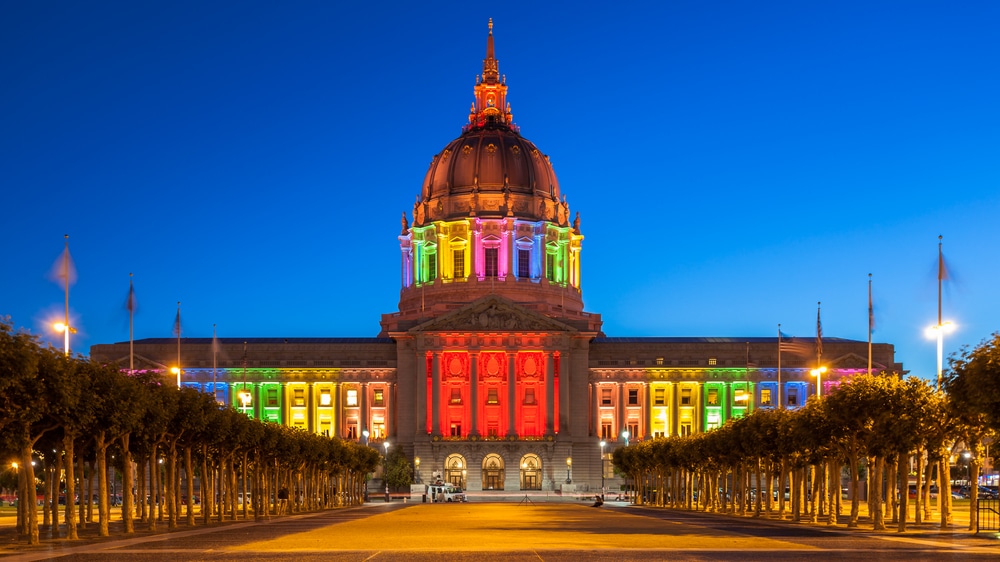
As a teen, Laura Lala-Chavez has loving memories of her home life in San Diego with six siblings and a doting single mom, but she knew what it felt like to be isolated. “I was the only queer person in that family, and I think my mom just didn’t quite know what to do with me,” she said in an interview in the San Francisco Examiner. Now Lala-Chavez is taking on a new role as executive director of LYRIC, a decades-old non profit that helps queer youth connect with resources and peers and provides support for a group that often feels unmoored.
“The isolation, depression and anxiety that many youths we serve experience just surged during the pandemic,” she said, and she aims to provide safe havens where they can be their “authentic selves.” The youth she serves are far more likely to be homeless and need housing help – but they also need internships and mental health services, she says. LYRIC also plans to engage with the school district’s parent advisory committees, in part “for kids to feel like there is support from their elders.”
If you or anyone you know is considering suicide, call the National Suicide Prevention Lifeline at 1-800-273-8255. And if you’re a veteran, press 1.
Research Roundup – Eating Disorders Rise During the Pandemic
Digital innovations for people with serious mental illness and increased hospitalizations for eating disorders during […]
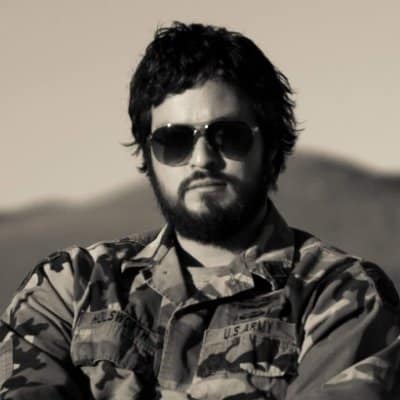
One Vet’s View of the Staggering Toll of Military Suicides – and the VA’s Failings
There are few ways to die that elicit as much fear as being burned alive. […]

Caring for New Moms in Psychiatric Crisis
A few days after she gave birth to her son, Kathryn Grant lay in her […]
If you’re not subscribed to MindSite News Daily, click here to sign up.
Support our mission to report on the workings and failings of the
mental health system in America and create a sense of national urgency to transform it.
For more frequent updates, follow us on Facebook, Twitter and Instagram:

The name “MindSite News” is used with the express permission of Mindsight Institute, an educational organization offering online learning and in-person workshops in the field of mental health and wellbeing. MindSite News and Mindsight Institute are separate, unaffiliated entities that are aligned in making science accessible and promoting mental health globally.
Copyright © 2021 MindSite News, All rights reserved.
You are receiving this email because you signed up at our website. Thank you for reading MindSite News.
mindsitenews.org

Mental health can't wait.
America is in a mental health crisis — but too often, the media overlooks this urgent issue. MindSite News is different. We’re the only national newsroom dedicated exclusively to mental health journalism, exposing systemic failures and spotlighting lifesaving solutions. And as a nonprofit, we depend on reader support to stay independent and focused on the truth.

It takes less than one minute to make a difference. No amount is too small.
The name “MindSite News” is used with the express permission of Mindsight Institute, an educational organization offering online learning and in-person workshops in the field of mental health and wellbeing. MindSite News and Mindsight Institute are separate, unaffiliated entities that are aligned in making science accessible and promoting mental health globally.


Author

Related Articles

When Does Love Become Dysfunctional?
Experts are debating love addiction signs and causes that lead to obsessive love seeking and destructive relationship patterns.
‘Brain Rot’ From Social Media May Be More Than Slang
Researchers are looking at the impact of overconsuming short-form videos like TikToks and Instagram reels.
