
Investigations

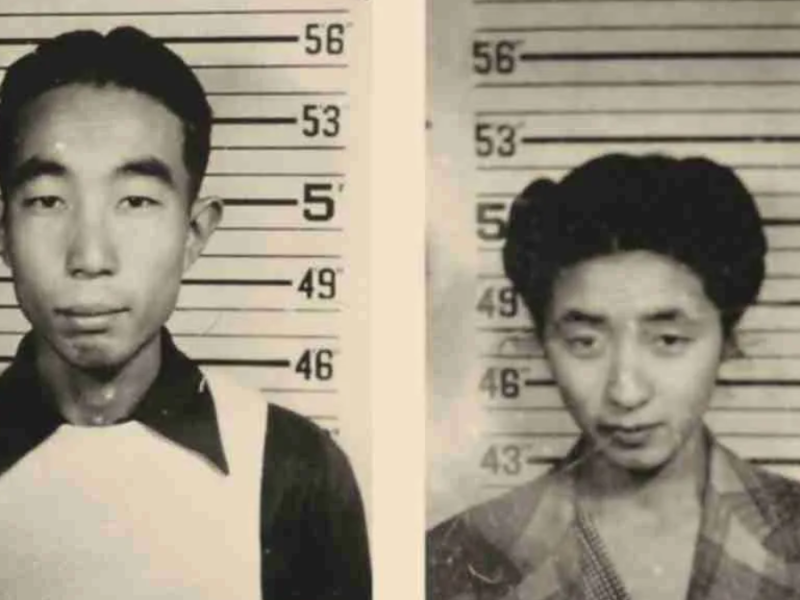
‘Remembering Is a Form of Protest’: Japanese Prison Camp Survivor Satsuki Ina on the Trauma of Detention 

Satsuki Ina on Japanese American imprisonment, the legacy of cultural trauma, and speaking out against detention centers.

Latest in Investigations
‘My Heart Aches for You’: An Excerpt from The Poet and The Silk Girl
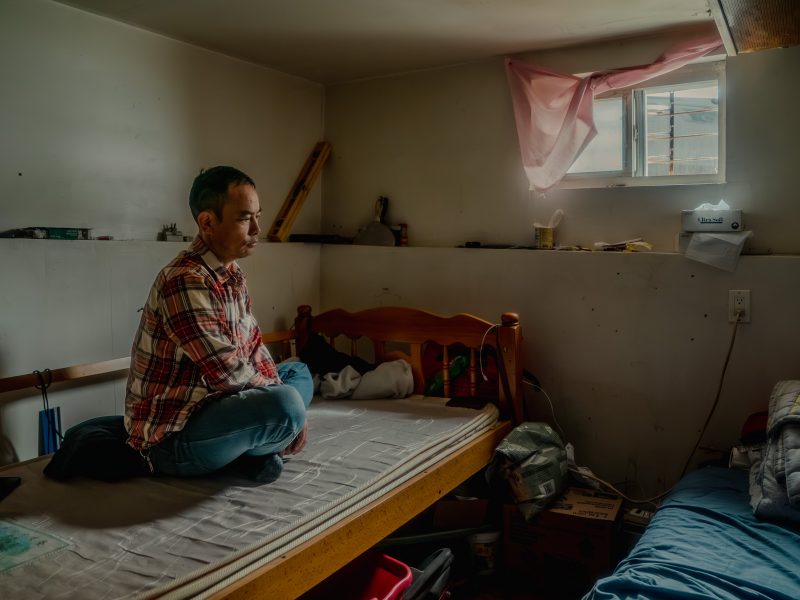
“Eating Bitterness” (吃苦): Civil Rights Advocate Annette Wong on How ICE Policies Harm People of Chinese Descent

About one-third of people who have died in ICE custody since January 2025 are of Asian origin, the majority of whom are of Chinese descent.

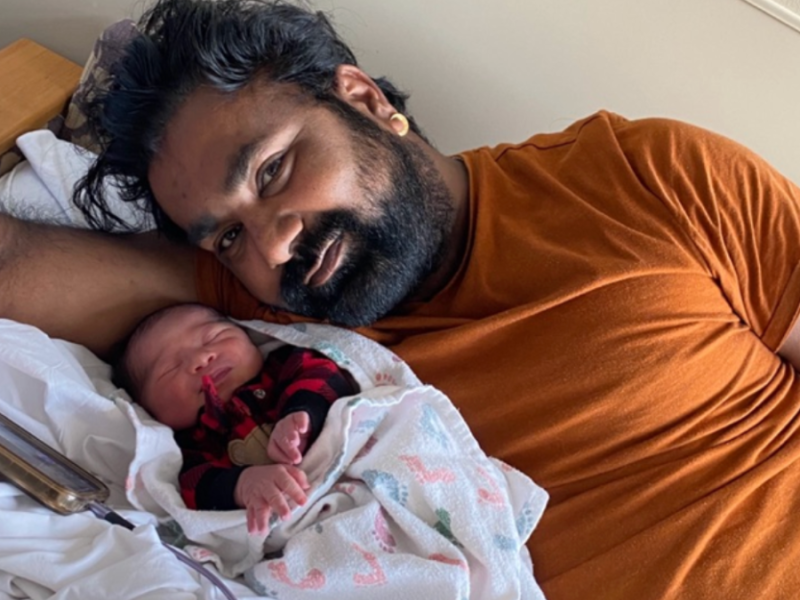
Collateral Damage: The Emotional Toll of Trump’s Immigration Policies on Asian Children and Families

An investigation into the trauma caused by ICE and its potential long-term harm in Asian youth.

Troubled Teen Industry Rocked by Lawsuits, Sexual Assault Charges

One of the nation's largest behavioral health hospital chains continues to face legal scrutiny for alleged patient abuse and negligence.

Despite Crisis Training for Mental Health Emergencies, Many Chicago Police Officers Still Resort to Force

Last year, 169 police officers who received crisis training used force at least once during a mental health-related incident in Chicago.

Expiring Federal Funds Threaten Chicago’s Alternative Crisis Response Effort

Chicago will need to dig deep to sustain and expand the CARE program, but state funds could offer hope.

Charlotta Pritchett
18 Seconds, 16 Shots: A Crisis Veers Into Tragedy

Chicago police used force to respond to mental health crises more than 400 times in 2024.

Illustration highlights the debate over forced hospitalization.
Shadow Arrests: When a Call for Help Turns Into Involuntary Commitment

Thousands in crisis are being involuntarily hospitalized despite little evidence of effectiveness.

Crisis Response In Turmoil: Chicago’s CARE Program at a Tipping Point

Chicago’s mental health crisis teams were meant to replace police with clinicians. Bureaucratic dysfunction and fading federal support now threaten their survival.

silhouette of a person eating in the dark
Deadly Denials: When Insurers Fail to Cover Treatment for Eating Disorders, People Suffer. Sometimes They Die.

A four-part investigative series supported by the Pulitzer Center.

‘We’re Not Serving Our Rural Communities’: One Eating Disorder Specialist for 250,000 People

For people in rural America, finding treatment for eating disorders is nearly impossible. Nearly 20% of patients live in states with no residential treatment in their state.

Eating disorder. Sad woman sitting near scale and measuring tape on floor indoors
Eating Disorders: They Don’t Just Happen to Skinny, White, Affluent Girls

For years, the media image of an anorexic youth was an emaciated white female teen. The stereotype was so pervasive that eating disorder specialists have an acronym for it: SWAG, or skinny, white, affluent girl.

silhouette of a person eating in the dark
The Deadly Cost of Eating Disorders: How Health Insurers Delay, Restrict and Deny Care

Eating disorders are America's deadliest mental health condition. For people struggling to get care, health insurers create some of the most formidable hurdles.

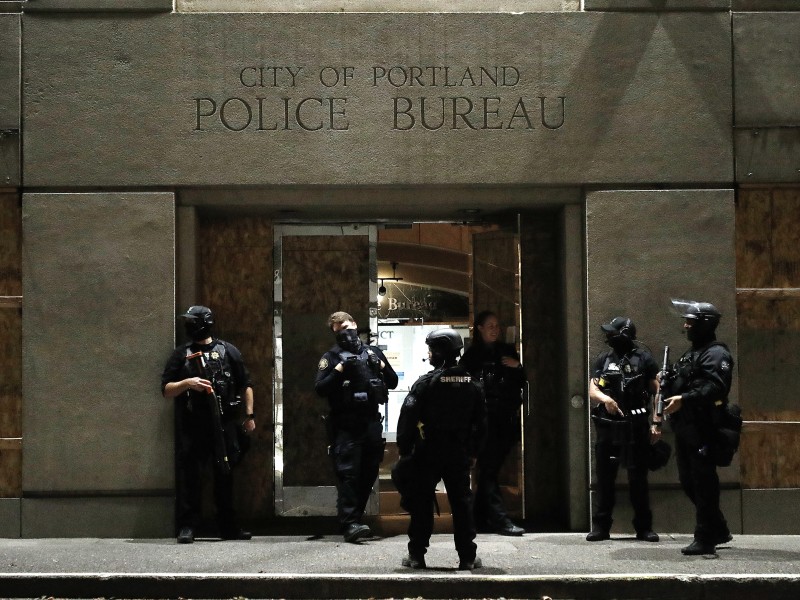
Officer stood in front of the Portland Police Bureau's North Precinct on the night of September 26, 2020, as people demonstrated against police violence and racial inequality.
Social Worker or AR-15? Portland Struggles Over How to Respond to People in Mental Health Crisis 

As Portland weighs expansion of an alternative crisis-response program, new data from a MindSite News-Medill investigation shows police often deploy force on residents who are unhoused or grappling with mental illness.

Zombies No More: Former Foster Youth Reflect on Their Medicated Childhoods – and New Ways They Heal 

Four former foster youth, now adults, talk about how psychiatric medications impacted their childhoods, and how they since have healed.

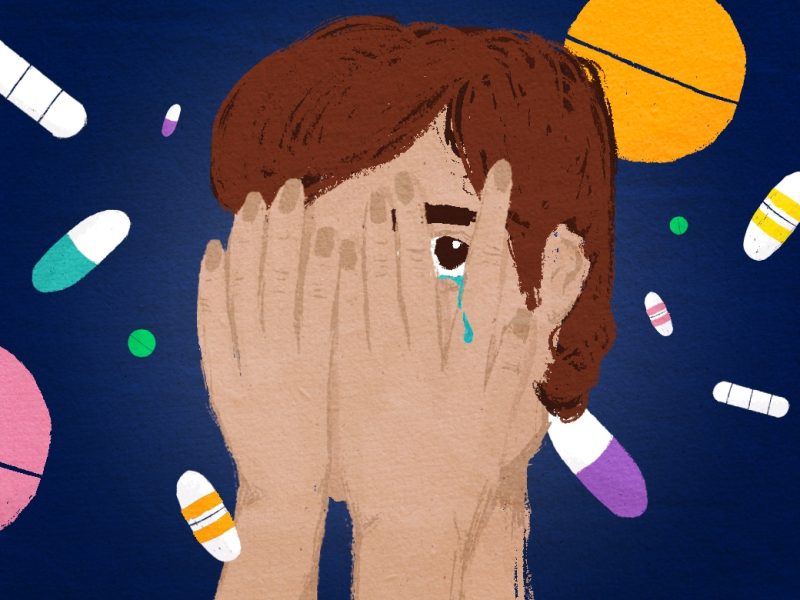
drugging foster youth with psychotropic meds
Monitoring Psych Meds for California Foster Youth: ‘It’s the Job of All Who Are Involved’

Prescribing to foster youth of psychiatric medications has fallen since judges were tasked with oversight. Still, says one, "constant vigilance" is needed.

New York City Stands Out for Tracking Psych Med Prescribing to Foster Youth. What Do Numbers Show?
‘All I Did Was Sleep’: Despite Years of Damning Reports, States Fail to Rein in Psych Meds for Foster Youth

An investigation by The Imprint reveals overmedication and spotty enforcement of federal requirements that child welfare agencies monitor psychiatric prescriptions for foster youth.

Inside America’s Mental Health Agency: Mass Firings and Work Stoppages Sap Morale, Impede Mission

The agency tasked with leading the fight to ease the country’s mental health and addiction emergencies is going through an existential crisis. About 100 of its 900 workers have been fired and those that remain are frightened and demoralized. Communications with agencies funded by SAMHSA has slowed or halted. "Nobody feels safe," one employee said.

Opioid Orphans: Grandparents Struggle to Raise Children Left Behind

From 2011 to 2021, more than 300,000 children lost a parent to fatal drug overdoses. Despite billions set aside in opioid settlement funds, grandparents who have stepped up to raise those children get very little support.

helping children grieve
COVID Stole a Parent from Over 200,000 Children. Indian Country Lost the Most

COVID was not an equal-opportunity destroyer. American Indian and Alaska Native children were orphaned at three times the rate of white children, and Black children at double the rate. Without support, children who lose a parent or caregiver are at risk of developing lasting problems with depression, lower academic achievement, and behavioral issues.

Police Often Use Force on Black People in Response to 911 Mental Health Calls

Accounts of people in mental health crisis killed by police have gained wide public attention. Far less known are cases of non-fatal force. A two-year investigation identified thousands of incidents in which people in crisis had tasers, batons and other forms of less-than-fatal force used against them.

Helping children grieve
‘Bereavement Deserts’: Amid a Rise in Parental Deaths, Grief in Children Is Often Overlooked

Children who experienced the death of a parent due to Covid, gun violence and opioid overdoses often fail to get counted or served.

grieving children left behind by gun violence
Forgotten Children: The Unseen Victims of Gun Violence Are the Children Left Behind

Parental death has been rising in the U.S. due to COVID-19, the overdose epidemic and gun violence. In this first part of Forgotten Children, we look at efforts to help children grieving from the loss of parents to gun violence.