One in Six of Americans Takes an Antidepressant. Almost No Research Explains How to Stop Taking Them.
In a powerfully reported essay, the New York Times looked at an issue that has long plagued users trying to top antidepressants.
In a powerfully reported essay, the New York Times looked at an issue that has long plagued users trying to top antidepressants.

Millions rely on cannabis as a nightly sleep aid, but a neurologist warns the relief is deceptive. THC helps people fall asleep faster while delivering less restorative rest, and quitting can trigger withdrawal that mimics the original problem. Here's what actually works for insomnia instead.

New Science study reveals remote workers face a 58% rise in time spent alone and 72% higher odds of zero daily human contact.
A recent study finds that the judgment calls made when triaging young people with mental health emergencies in the ER are often inaccurate, and Black and Hispanic children are more likely to have their conditions minimized.
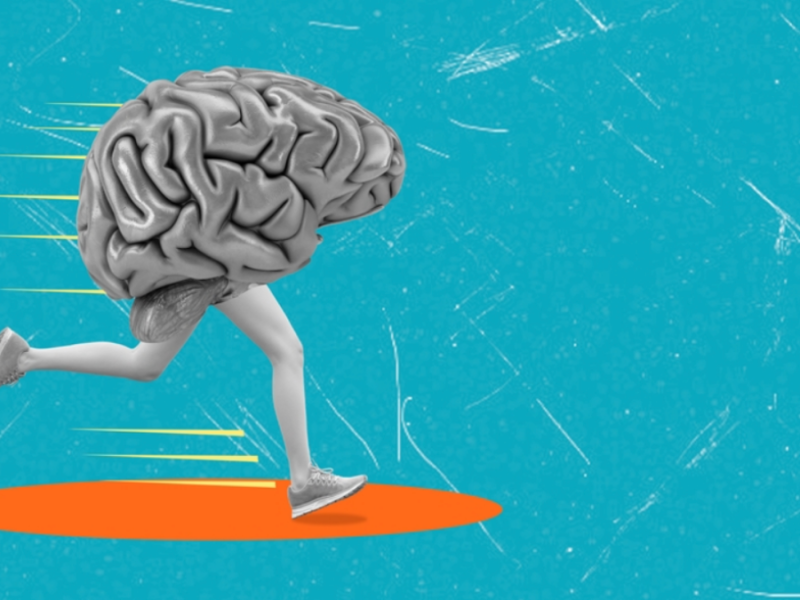
A new study tracking people over time found those who completed cognitive speed training sessions were 25% less likely to be diagnosed with dementia 20 years later.
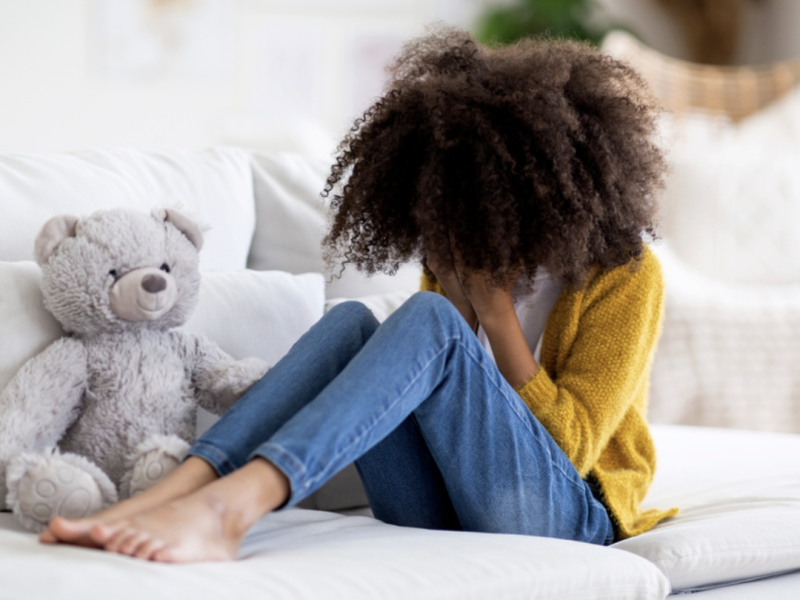
Parental yelling often compounds childhood distress. A look at how modeling self-restraint builds long-term emotional resilience.

Psychology professor Chris Moore explores the difference between guilt and shame, revealing how healthy guilt can motivate healing, repair relationships, and drive restorative justice.
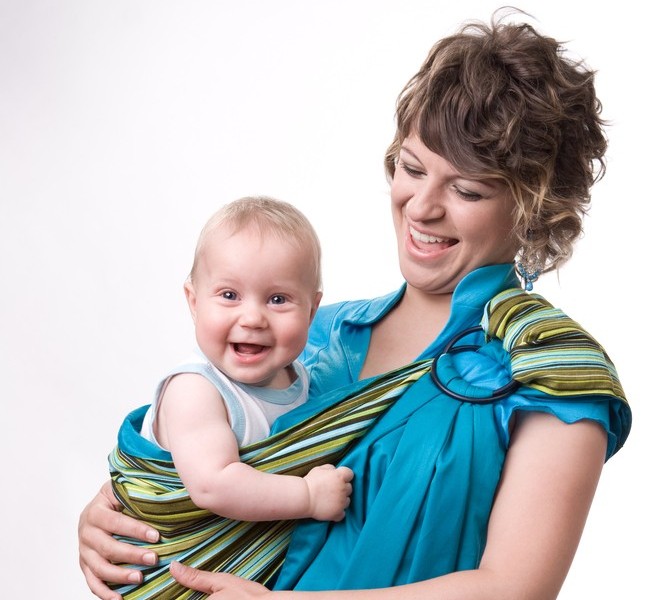
Developmental psychologist Emily Little argues that babywearing promotes secure attachment and better parental mental health.

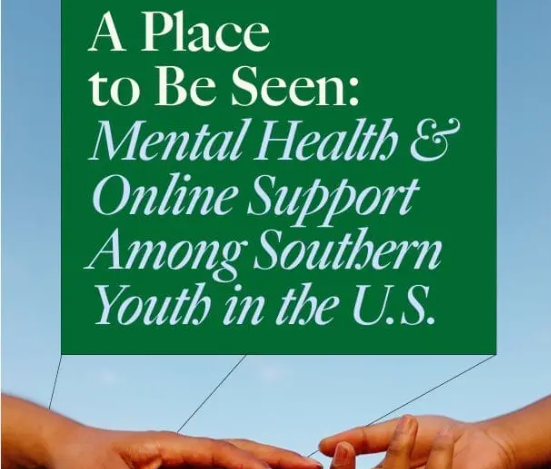
A new Hopelab report finds online support is vital to the mental health of rural youth

Practicing disposing things in virtual reality may make a difference.
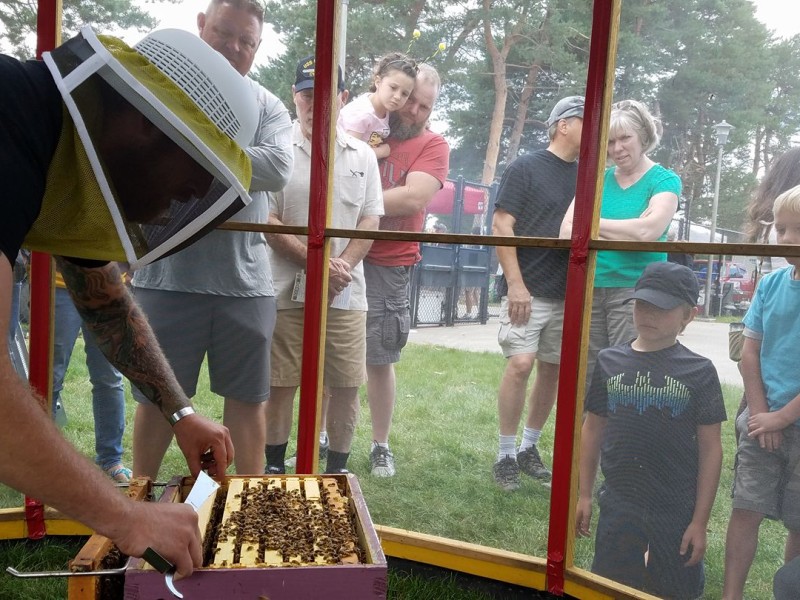
Emerging research shows the healing power of the hive for people grappling with stress and trauma.
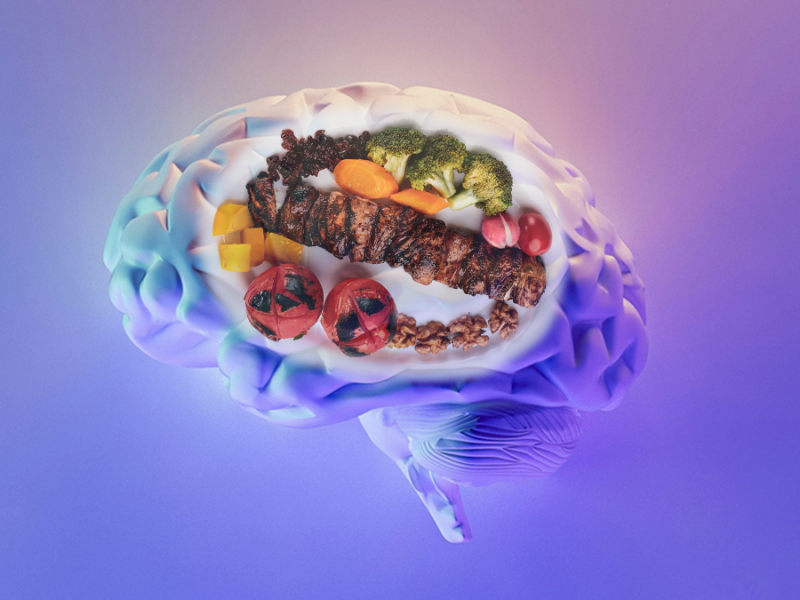
A growing body of scientific evidence suggests the ketogenic diet, long used to treat epilepsy, could be effective for treating schizophrenia and other psychiatric disorders and reducing the often debilitating side effects of antipsychotics.
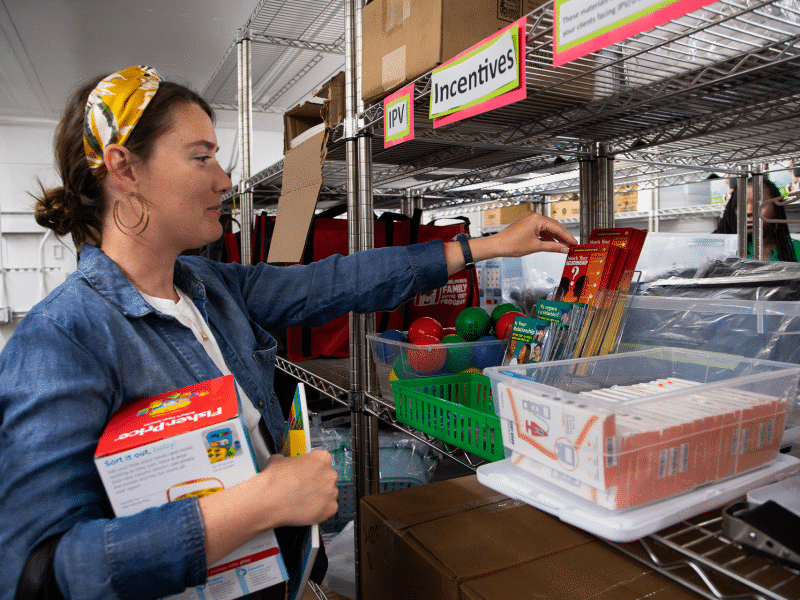
Since 2001, the Nurse-Family Partnership program has been pairing mothers-to-be in Philadelphia with a visiting nurse who makes house calls, starting in the second trimester of pregnancy.

Some parents of children with severe autism say only ECT can relieve the horrific symptoms of catatonia that causes them to hit and harm themselves, sometimes hundreds of times a month. These are their stories.

Friendships are extremely important relationships for teens, but are they always a positive influence? To investigate, we surveyed 388 adolescents at U.S. high schools to learn about their close friends’ dominating behaviors
Three in four people who take antidepressants drugs don't get complete relief – and then are often categorized as having “treatment-resistant depression.” Many patients are demoralized by the notion that their depression is “incurable.” But what if they're trying the wrong treatment?

Many long COVID patients have struggled with mental illness – and felt their symptoms and needs dismissed. As a result, some "long-haulers" have become advocates and researchers, forming collaboratives to gather data and hunt for treatments. They’ve been joined by sympathetic specialists known as long COVID clinicians, who have set up medical centers dedicated to recovery.

Two new reports reveals some unexpected developments in the ketamine story. And a new report shines a light into the lived experience of psychosis.
A new study suggests that recovery from psychosis is more possible than many people think. Another shows that peers might be the best suicide- prevention messengers. And a third shows the role of REM sleep in firming up memories.
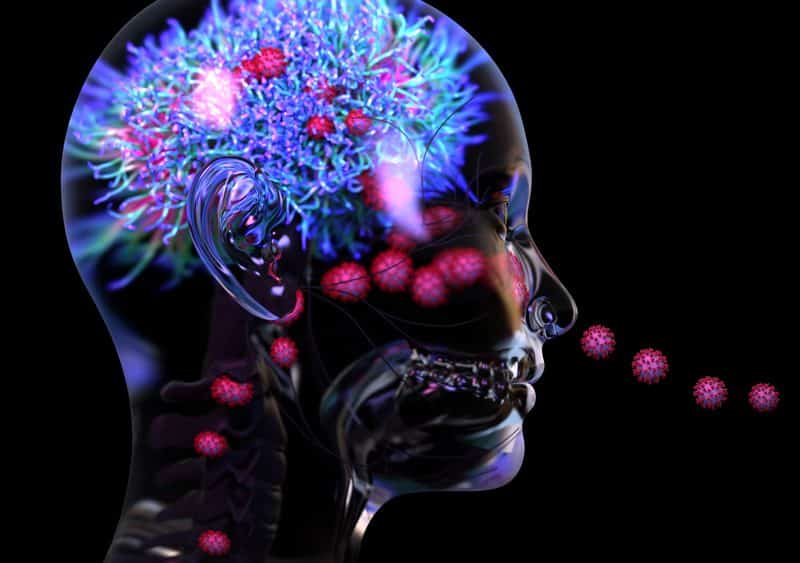
A new study suggests that the impact of Covid on the brain may extend beyond our sense of smell. And we examine two studies that examine the impact of race on mental health and services.

Scientists discover the long-sought neural messenger for the pleasurable sensations from cuddles and caresses. Provocative research shows that women are four times more likely to die by suicide if there are firearms in the home. And new research on eating disorders among LGBT adults.
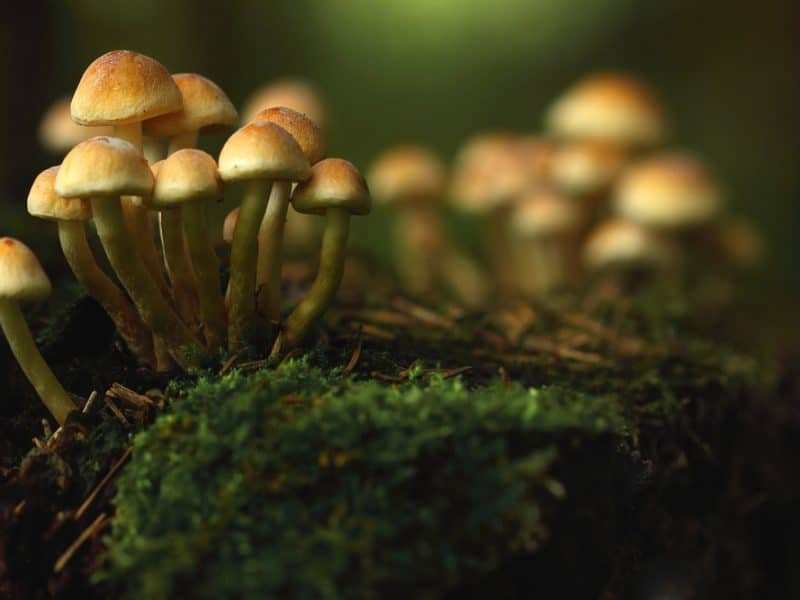
Who wants psilocybin without hallucinations? Laboratory research suggests that may be on its way. Plus: New research on driving under the influence (of weed).