
Why Precisely Naming Your Emotions is Good for Your Mental Health
Identifying and naming your emotions can improve emotional regulation, support mental health and help you cope with difficult feelings.
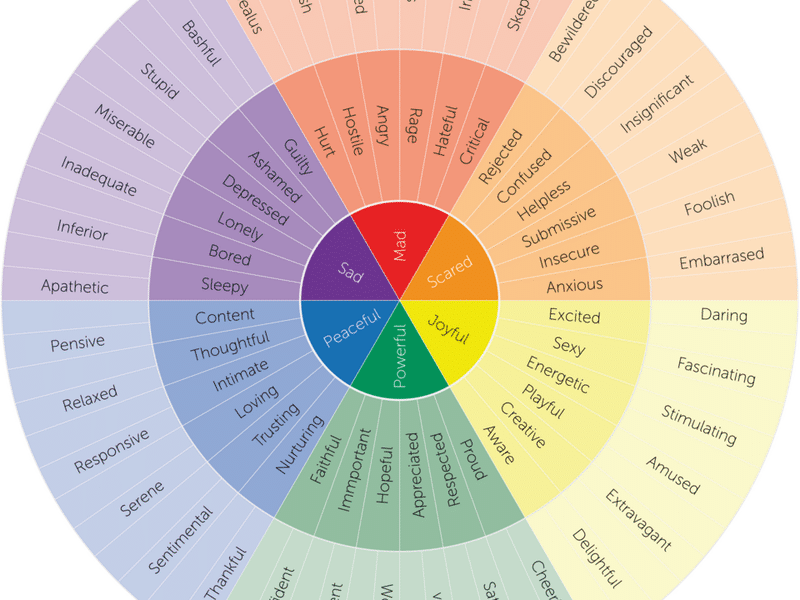
Identifying and naming your emotions can improve emotional regulation, support mental health and help you cope with difficult feelings.
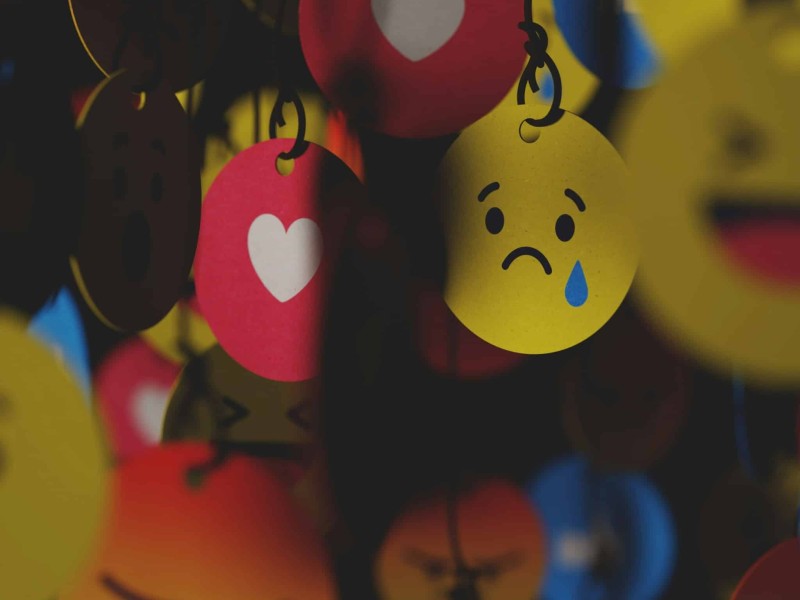
Smartphone use seems to blunt teen's enthusiasm for getting a driver’s license, working a paid job or going out with friends, expert says.

“There is more openness about discussing suicide now. But the topic remains tinged with shame, taboos, moralizing and even romanticizing, in a way that other kinds of death are not,” Clay Risen writes.
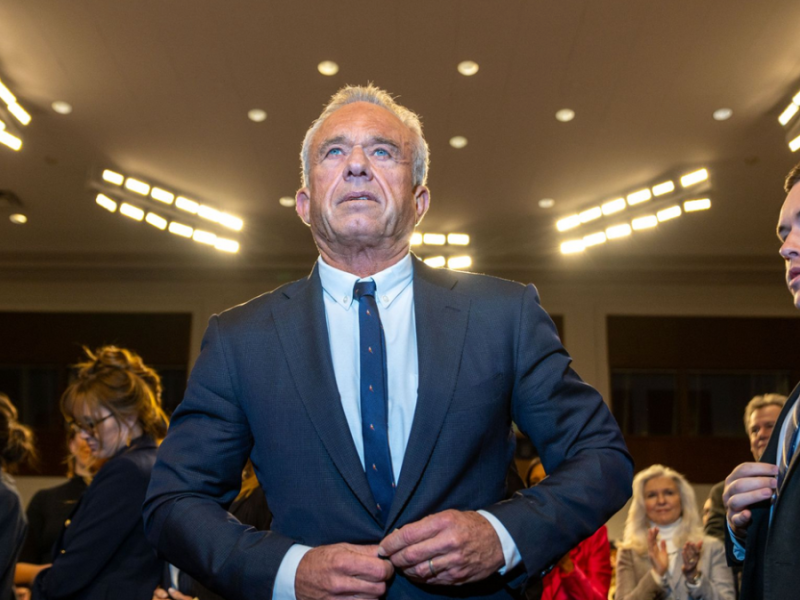
Massive layoffs and an undermining of the agency’s mission is enacting a price. “Feds have been continuously attacked for a year and a half, and it is taking a toll,” said a former HHS official.

Inside the confidential payouts used to settle teen social media lawsuits ahead of trial, and what those deals mean for youth mental health accountability.
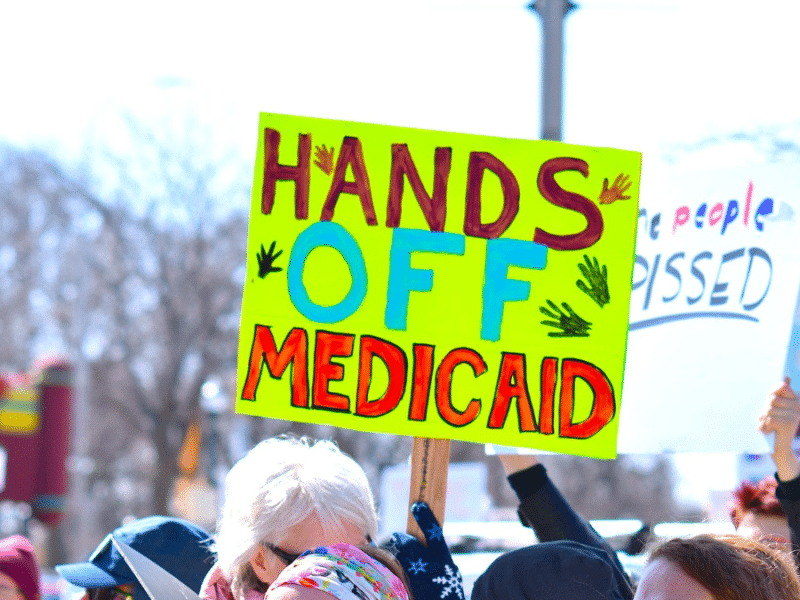
The Trump administration announced a 6-month Medicaid work requirements delay, giving states until July 1 to enforce rules projected to cut 5.3M from coverage.
SNAP cuts are making healthy food less affordable for low-income families, putting children's health at risk.
Aadvik Jain is challenging period stigma in India through Team Period, educating young people and expanding access to menstrual health resources.

Physician burnout and moral injury are driving doctors to consider leaving medicine, while stigma keep many from seeking mental health care.

Nebraska’s early rollout of Medicaid work requirements has led to coverage denials, administrative delays and confusion.

Serious injuries, CTE and pressure to play through pain raise questions about the professional football's long-term health risks.
Democratic midterm victories could reshape health care policy at the state and federal levels.
Most whites, Blacks, Hispanics, men and women said that Trump lacked the mental capability to do the job, exit polls showed.

High-functioning depression can leave people feeling emotionally numb despite keeping up with daily responsibilities.

New Medicaid work requirements could put pregnant women at risk of losing health coverage, threatening prenatal care and maternal health despite pregnancy exemptions.

Election results put Medicaid cuts, Affordable Care Act subsidies and access to mental health care at the center of the healthcare debate.
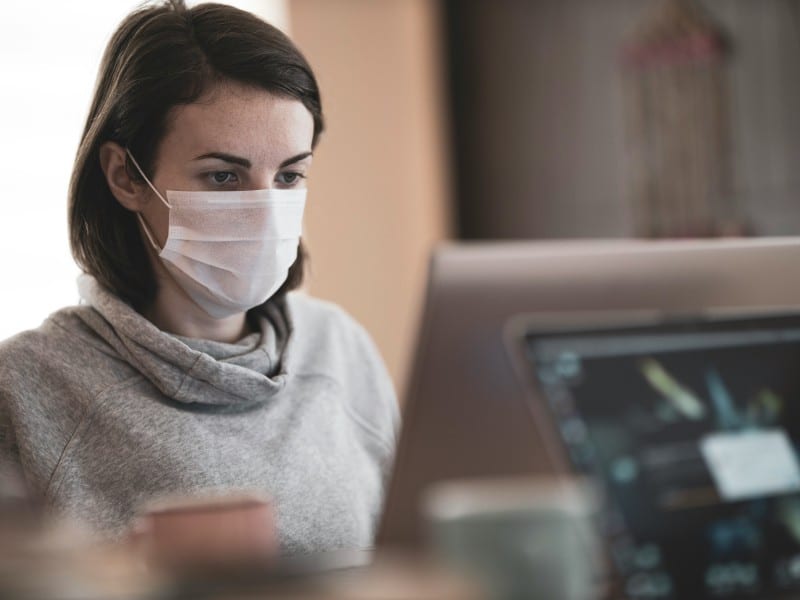
Workers with long COVID face growing challenges as employer resistance and disability policy changes create uncertainty.
Psilocybin may ease fear and anxiety in terminally ill patients, raising questions about psychedelic therapy and end-of-life care.
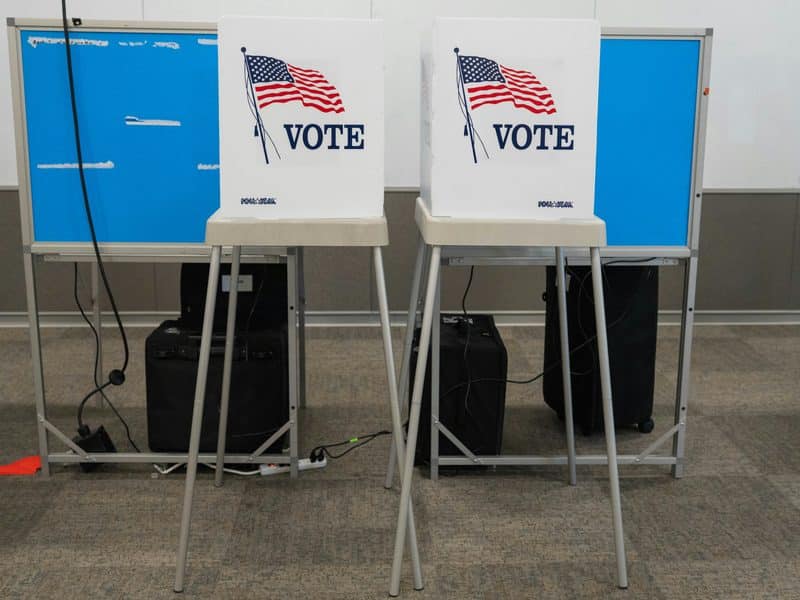
California election officials report anxiety, staffing concerns and workplace disruptions as threats and investigations intensify.
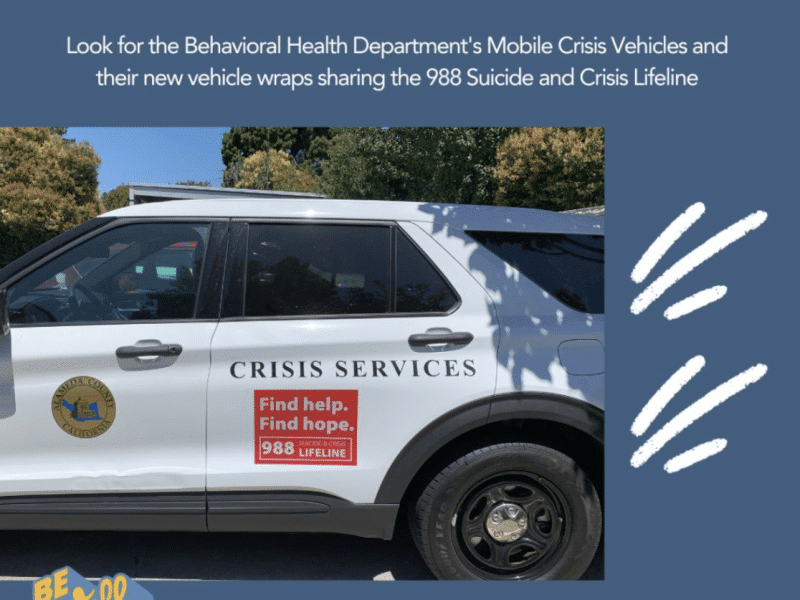
California counties say insurers are failing to cover mobile mental health crisis teams, leaving taxpayers with millions in unpaid bills.
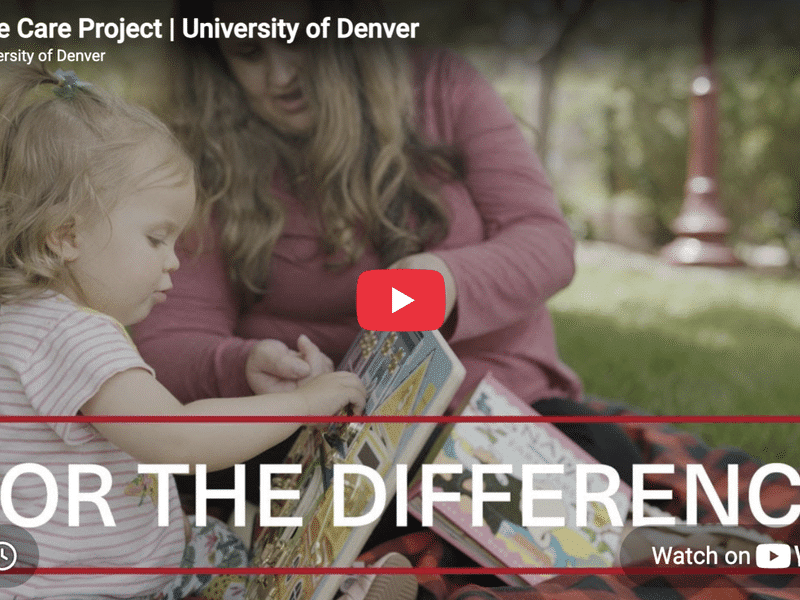
Treating depression during pregnancy with talk therapy may improve infant brain development and benefit mother and baby.

Make Halloween more inclusive with six tips for welcoming trick-or-treaters with autism.

A new study identifies circadian depression, suggesting that disrupted sleep patterns and body clocks may influence depression symptoms and antidepressant response.

A Hartford program trains Spanish-speaking doulas to support Latina mothers through pregnancy, childbirth and postpartum mental health challenges.
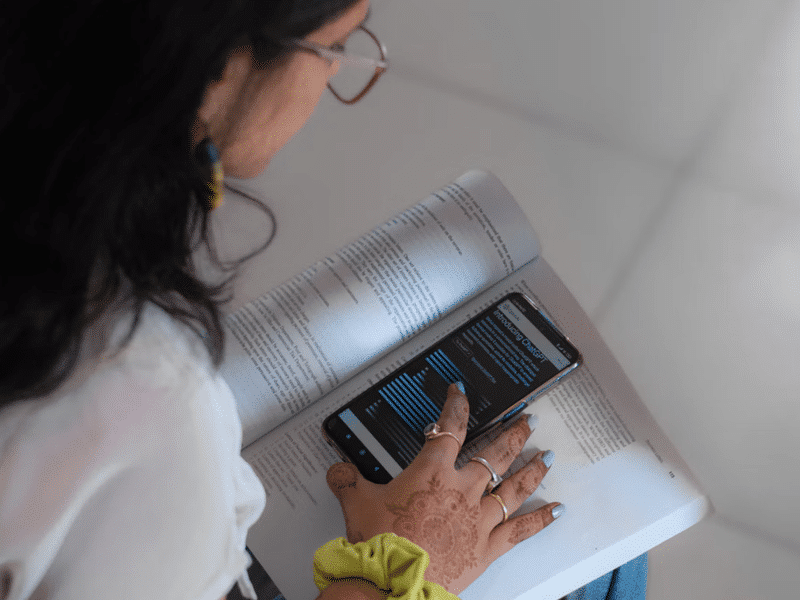
Researchers warn that AI chatbots may contribute to loneliness and social isolation by replacing human relationships
Five years. 1500 stories. Help us cover what comes next.
All gifts matched through Dec. 31.
