
For Depression and Anxiety, Exercise Better Than Meds or Therapy: Study
Exercise of various sorts and durations was more effective than either medication or psychotherapy and “should be a mainstay approach in the management of depression, anxiety and psychological distress.”
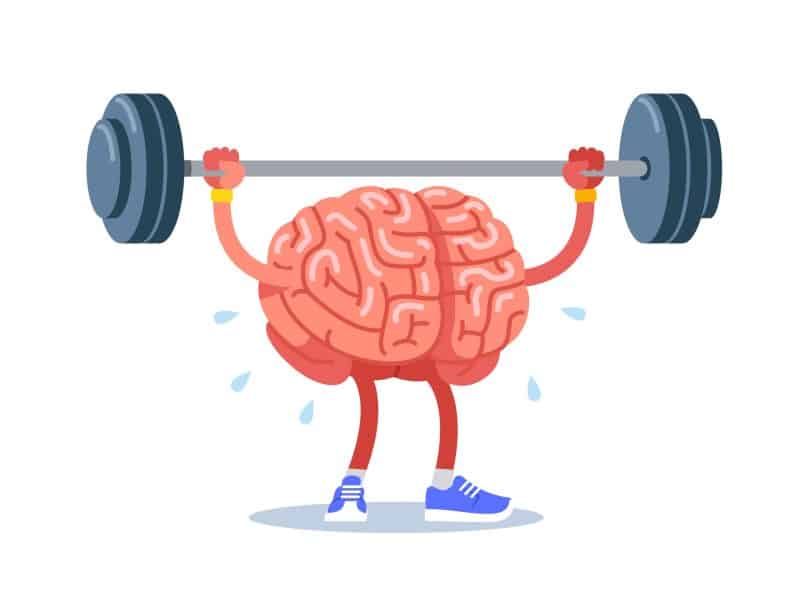
Study after study has shown that exercise can improve mental health. Not that anyone listens. But you might want to pay attention to this one, which the authors say is “the most comprehensive synthesis to date of evidence regarding the effects of all modes of [physical activity] on symptoms of depression, anxiety and psychological distress in adult populations.”
The key finding: Exercise of various sorts and durations was 53% more effective, on average, than either medication or psychotherapy. Its conclusion and recommendation were unusually direct: “Physical activity should be a mainstay approach in the management of depression, anxiety and psychological distress.”
The findings don’t mean that people should abandon standard treatments, said first author Ben Singh, a postdoctoral research fellow at the University of South Australia’s Allied Health & Human Performance unit.
“Exercise should definitely not replace medication or psychotherapy,” he said in an email. “Instead, exercise should be used as an adjunct form of treatment [and] should be integrated as a standard component of treatment for mental health conditions.”
The research article, published in BMJ’s British Journal of Sports Medicine, noted that clinical guidelines in the U.S. only mention lifestyle approaches such as exercise and diet as second-line approaches when therapy or medications are “ineffective or unacceptable.” Other countries, including Australia, recommend them as as first-line treatments.
The study was unusual in several ways. The exercise-vs.-pharmacology-and-psychotherapy comparison was stated in statistical terms that would be unfamiliar to laypeople. For readers versed in the lingo (or wanting to be – definitions here), it was a meta-review of previous systematic reviews of meta-analyses – a mouthful that describes a way of synthesizing a vast evidence base. In this case, it consisted of 97 reviews of 1,039 published randomized controlled trials that included 128,000 adult participants.
While most studies of this sort (and many that were included in the reviews) focus on specific populations and specific types of exercise with specific intensities and durations, this one included all of the above, teasing out some specifics in the results. It excluded any randomized controlled trials that included other interventions, such as diet, that might confound the causes of an outcome. It also accepted the findings of multiple other studies about the relative effectiveness of medications and psychotherapy, comparing those with the new findings on exercise to calculate the difference in effectiveness.
All types of physical activity studied were effective – including aerobic, resistance, mixed-mode exercise and yoga. Higher intensity exercise was associated with greater improvements for depression and anxiety. One surprise was that taking part in a “moderate” number of sessions – four to five per week – was more effective in reducing symptoms of depression or anxiety than cramming in six or more sessions each week, or finding time for only three or fewer.
The bottom line, said Singh: “Physical activity has numerous benefits compared with psychotherapy and medications, in terms of costs and side effects and long-term health.”
The name “MindSite News” is used with the express permission of Mindsight Institute, an educational organization offering online learning and in-person workshops in the field of mental health and wellbeing. MindSite News and Mindsight Institute are separate, unaffiliated entities that are aligned in making science accessible and promoting mental health globally.


Author

Related Articles

1 in 8 Youth Turn to AI for Mental Health. ‘It Just Tells Me What I Want to Hear’
Youth with the deepest emotional needs are using chatbots for therapy the most – but many are unhappy with the outcome.

California Tribal Advocate Who Fought to Prevent Suicides Dies in Apparent Murder-Suicide
Celinda Gonzales of the Yurok Tribe worked to prevent suicides among Native Americans after losing a son and a brother. She “was a friend to many,” the tribe said.
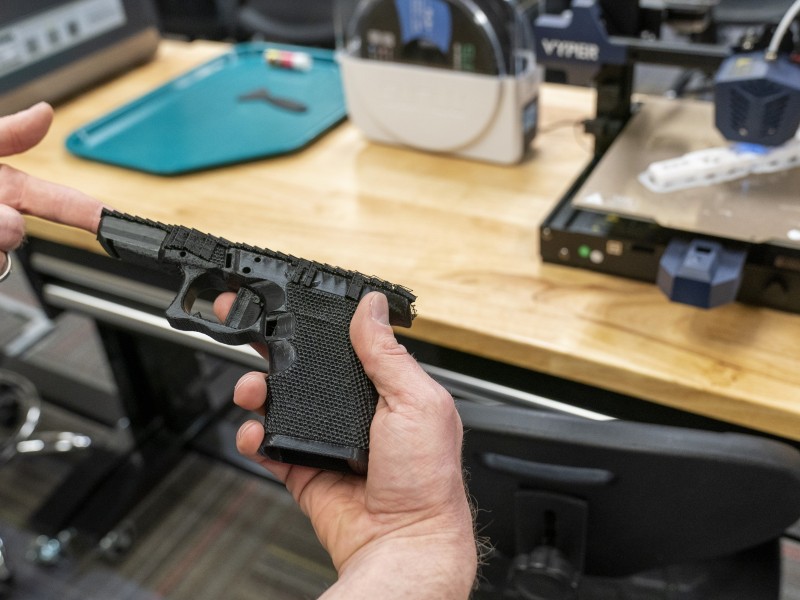
Ghost Guns, Made at Home on 3-D Printers, Are Linked to an Increase in Suicide Rates
Homemade ghost guns are raising new challenges around mental health, firearm access and suicide risk.
