
Cards to Cue Your ‘Well Self’ to Leave Breadcrumbs for your ‘Unwell Self’ – and Remind it to Remember the Light
Mental illness is a clever, hard-to-kill beast, and escaping it is akin to defeating a cluster of wild boar. But with proper strategy and weaponry, the invasive species can be taken down. These cue cards may help.

Mental illness is a clever, hard-to-kill beast, and escaping it is akin to defeating a cluster of wild boar. With proper strategy and weaponry, the invasive species can be taken down. But armed with intelligence and tough, thick skin, it’s always poised to fight back.
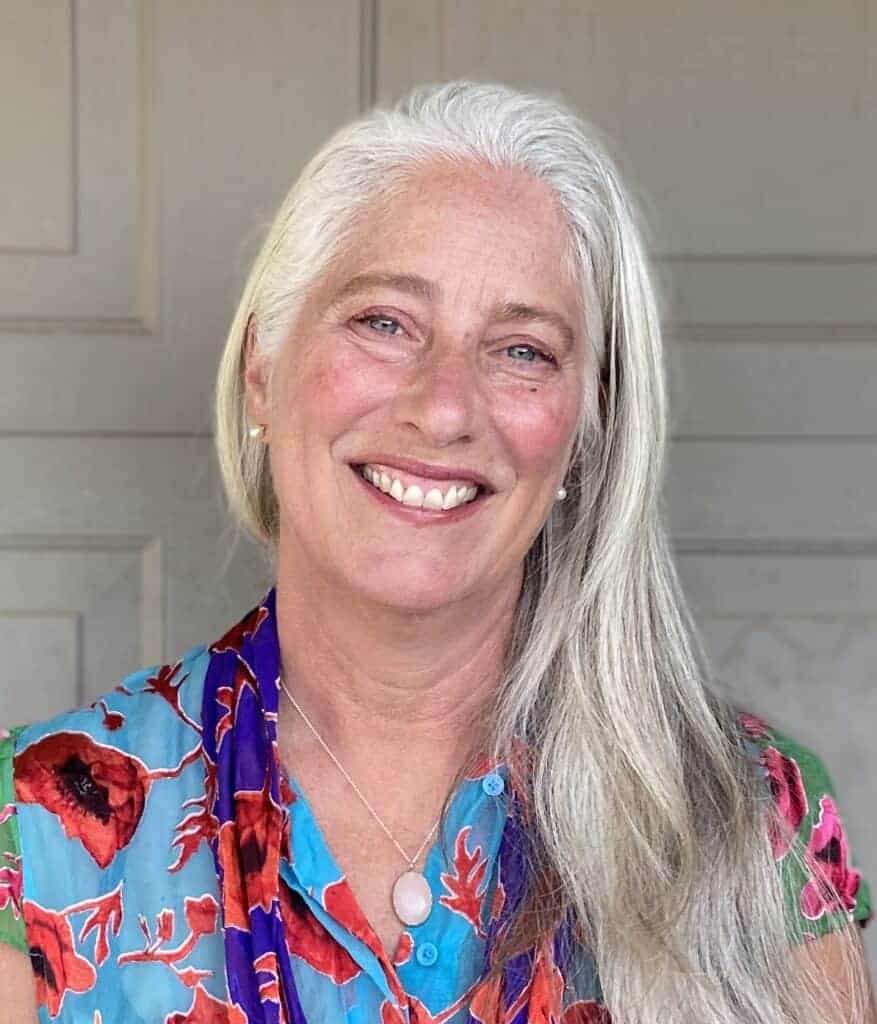
Certain mood disorders can be that way too, at least in Anh Oppenheimer’s experience. That’s where she’s an expert: Oppenheimer has endured anxiety and depression most of her life, with diagnoses of a rare mood disorder called cyclothymia. One clinician suggested to her she may be “somewhere on the [mental health] spectrum.”
High quality, accessible mental health care has kept her from perpetual critical illness. It has not, however, wholly eliminated mental episodes that at times leave her debilitated and struggling to get through a typical day. So in 2020, when the world grappled with the mental and physical horror of a virus it had never seen and did not understand, Oppenheimer created My Happier Mind Cue Cards to guide those lost in the depths of their minds’ darkness back toward the light.
Part of what inspired the cards was the amnesia that creeps in when she is in the throes of a mental health episode. “I don’t remember that I ever was well; I just feel like this is my life,” Oppenheimer said. Periods of wellness are the same; in high times, she struggles to remember why she didn’t feel good.
“So it’s sort of like those two parts of me – the well and the not-well parts – didn’t really know each other or talk to each other,” Oppenheimer said. “That’s when I realized I needed my well self to leave notes or breadcrumbs for my not well self to be able to remember the light. To remember that life isn’t 100 percent bad; it just feels that way when it is bad.”
Motherhood inspired the cards’ creation, too. As the parent of two sons, both now in college, she considered the possibility that they might be prone to similar mental health struggles on account of sharing her DNA. She figured the cue cards could offer them support at a moment’s notice, much earlier in life.
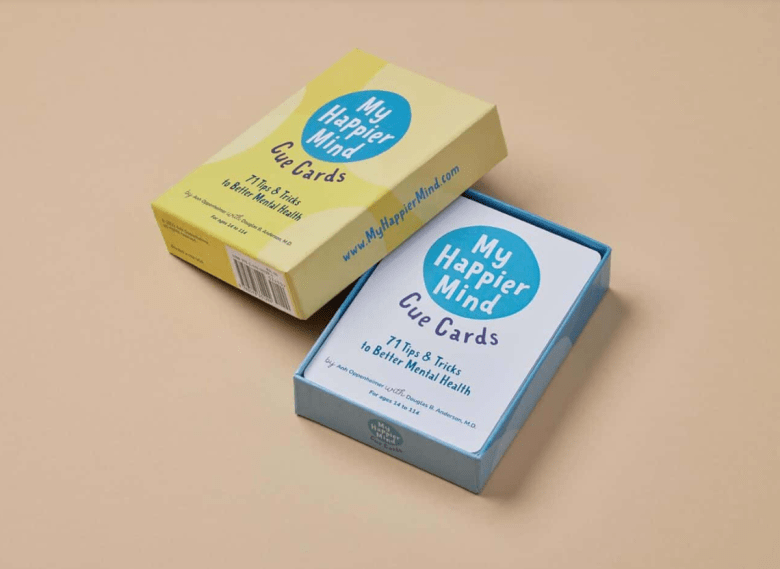
It helps that the cards are easy to use and to keep on hand, with physical and digital decks as options. There are no rules of engagement, but Oppenheimer suggests approaching the deck by color. Yellow cards are for sunny days. Blue cards help on tough days and during off-kilter moods. (Among the blue cards lives her favorite, “Cherish Yourself Anyway.”) The purple cards are designed to help us if we’re in the midst of anxiety, and it’s good to keep an image of the red card pinned in your phone’s photos for easy access in case of emergency.
Plus, the cards are witty. Who can resist taking a glimpse at cards with titles like Get Outta Your Navel, Check Yer Vitals and Thank the Butthead?
Each one is printed with a reminder that even our worst feelings are temporary, along with an action that can be taken to move back toward our healthy self. And though Oppenheimer is not a psychiatrist, she did partner with San Francisco-based psychiatrist Douglas B. Anderson to ensure the cards’ validity.
“Fifty percent of depressive symptoms are left undiagnosed by physicians, in large part because they are fluctuating and present in so many disparate matters,” Anderson wrote in a letter discussing the cards and their usefulness. “Thus having a new tool to use in a casual, fun, and artistic manner allows readers to put many of their moods and feelings into a context that is not frightening, but one that directs them to better understanding and providing tools to cope with life’s stresses which have rarely been higher.”
To Oppenheimer’s delight, she’s received feedback that the cards are making an impact in the world. They’re a mainstay at Karma Club, a free teen community space housed inside of Marin County’s Northgate Mall. Her older son, who lives in London, even took them to a get-together with friends to support one who was navigating a rough breakup.
“We love them,” said Sally Newson, Karma Club’s founder and executive director. “It’s just great the way they’re organized by color… and I think [they’re] good for kind of distracting and taking your mind off of, you know, what you might be experiencing at the moment. And because they’re physical cards that you hold in your hands, I think they’re just more impactful than something that you might read about online.”
And in case you think the cards sound too, well, happy, Oppenheimer is on your wavelength. “I live in California so I know a thing or two about saccharin and woo-woo, hippies and rainbows, full moon dances and sparkles,” she writes in a recent blog. “I have a love/hate relationship with all the positivity. I practice it and shun it. Ridicule it and need it.”
She has found that “one of the alleged sacchariny things that gets bandied about a lot, especially during the Thanksgiving season,” is the practice of gratitude. But even though it originally gave her “inner barstool maiden” a slight chill, she had found the research that links gratitude to greater happiness and better relationships is rock solid.
While the cards are directed toward anyone aged 14 to 114, Oppenheimer has a personal desire to get the cards into the hands of as many young people as possible. To that end, she’s reached out to high schools, colleges and universities in the hopes of donating decks to student groups and organizations that support youth mental health.
“I feel really strongly about that because it takes so many hurdles to admit, maybe you have a mental health problem that needs outside help. And then to find a therapist, and then to afford one – like, my god, it’s nuts how [many] can’t really afford mental health across the board,” Oppenheimer said. “And I know, it’s just one tool, but it takes lots of tools. This is one more.”
The name “MindSite News” is used with the express permission of Mindsight Institute, an educational organization offering online learning and in-person workshops in the field of mental health and wellbeing. MindSite News and Mindsight Institute are separate, unaffiliated entities that are aligned in making science accessible and promoting mental health globally.


Author

Related Articles
1 in 8 Youth Turn to AI for Mental Health. ‘It Just Tells Me What I Want to Hear’
Youth with the deepest emotional needs are using chatbots for therapy the most – but many are unhappy with the outcome.
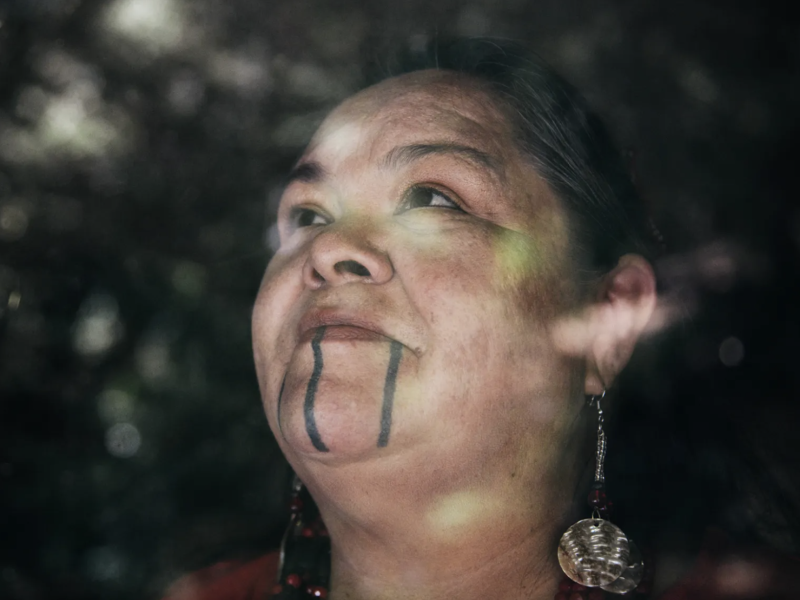
California Tribal Advocate Who Fought to Prevent Suicides Dies in Apparent Murder-Suicide
Celinda Gonzales of the Yurok Tribe worked to prevent suicides among Native Americans after losing a son and a brother. She “was a friend to many,” the tribe said.
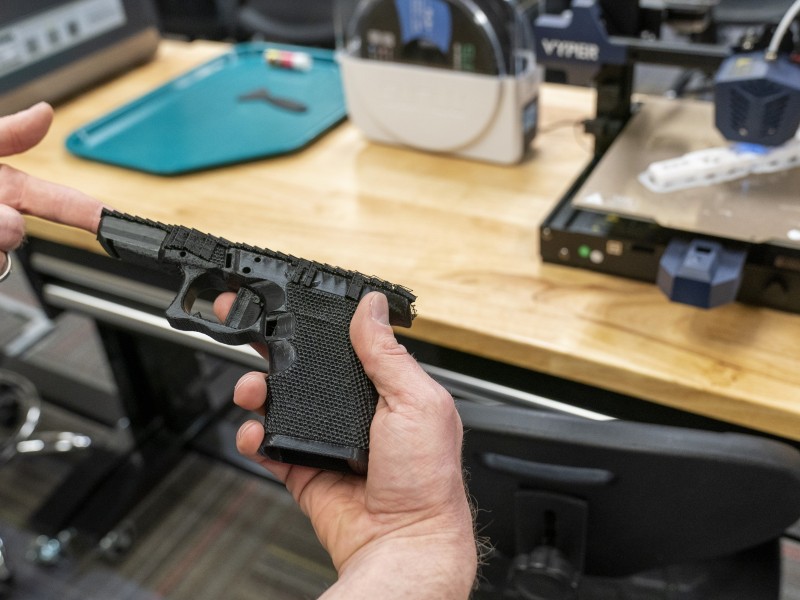
Ghost Guns, Made at Home on 3-D Printers, Are Linked to an Increase in Suicide Rates
Homemade ghost guns are raising new challenges around mental health, firearm access and suicide risk.
