The Power and the Toll of Caregiving
How to care for yourself when you’re taking care of a loved one. Who’s blocking syringe exchange centers. And more.


December 12, 2023
By Courtney Wise and Don Sapatkin

In today’s Daily, I join forces with Don Sapatkin to bring you this news roundup on caregiving, opioids and harm reduction, and more. Some of us have gladly cared for an ailing loved one, but caregivers receive so little support from the larger society that Yes! Magazine’s story on the mental, emotional and physical stress on older caregivers may still hit home.
Also, what can you do when the massive opioid settlement recommends supporting lifesaving syringe exchange programs but the law in your state makes them illegal?
Plus, the scoop on health plans ‘ghost networks’ for mental health.
The power and the toll of caregiving
If there’s one thing the pandemic made clear about life in the United States, it’s that caregivers are undervalued and under-resourced. Among them, parents are the most recognizable, but 53 million other American adults, largely women, find themselves providing round-the-clock care for an ill or disabled loved one. Says writer and former caregiver Marita Golden in “The Tenderness of Eldercare” in Yes! magazine, “Caregivers are a national resource and a national treasure, but they’re not given the financial support, respite care, support groups, and time off that they deserve. They’re not recognized as individuals who have often quit their jobs, changed the direction of their lives, and given up their dreams to support someone else.”
Nearly 20 percent of those providing care are over the age of 65—and more than half the caregivers in the 65 and up age group also have two or more chronic illnesses themselves. It’s not an easy job. Regina Wells, 76, underwent cancer treatments for B-cell lymphoma while caring for both her ailing spouse and mother for more than 10 years. Wells’ husband died in 2022, and her mother died earlier this year. “I miss them both,” she told Yes! magazine. “I talk to them constantly, just like they are still here. But I am relieved, relaxed, and peaceful. It’s like they both had to die for me to finally get some rest, to get some time for myself.”
Wells provided care to her husband and mother amidst the toll of caregiver syndrome, a condition characterized by exhaustion, anger, rage or guilt resulting from rarely getting breaks from caregiving. “Health problems often go unaddressed in caregivers,” said Ann Crayon, an expert in gerontology and elder care. Moreover, caregivers between the ages of 66 and 96 have a 63% higher mortality rate than non-caregivers of the same age.
Many caregivers provide care at home because assisted living facilities and nursing homes cost more than they can afford. But at home care isn’t very affordable, either. Yes! reports that, even with financial assistance from the state, families struggle to pay for the home health aides, health insurance, medical transport and medications their loved ones need. The Department of Health and Human Services took steps to begin addressing such gaps by drafting a National Strategy on Family Caregiving, containing 500 actions federal, state, and local governments can take to provide caregivers better support.
In the meantime, experts say the best way to manage long-term caregiving is by having conversations about what care will look like before anyone is ill enough to need it, including plain talk about power of attorney, wills and advance directives. “Call a family meeting and bring family members together to create an action plan to implement if faced with a long-term caregiving crisis,” said retired caregiver Rosemary Allender. “Everyone can’t do everything, but everyone can do something. These conversations, if held in advance, make responding to the needs of elderly family members much easier.”
And let go of the idea that you have to shoulder the weight of caregiving alone. Wells sacrificed her well-being while caring for her mother and husband because she thought that it was required to be a “good wife” and “good daughter.” It was a mistake, she said. Today, she says, “I would tell anyone going through what I went through to ask for help, accept it when it is given, and take care of yourself.”
When the recommended use of opioid settlement funds is against the law
Year after year, Pennsylvania is among the states hardest hit by the opioid crisis. Syringe-exchange programs can help prevent fatal overdoses – they not only offer clean needles for used ones to prevent disease but also help get users into addiction treatment (and administer the antidote naloxone to any who overdose nearby).The $50 billion opioid settlement that most state attorneys general, including Pennsylvania’s, negotiated with pharmaceutical companies specifically includes supporting syringe exchanges and other harm reduction programs as one of its nine core recommendations. Yet a dozen states have not authorized them, according to comprehensive reporting by the nonprofit news organizations Spotlight PA and WESA-FM in Pittsburgh.
Their story focuses on the large rural swath of Pennsylvania where drug addiction is high. Although syringe exchange operators don’t share their Texas counterparts’ constant fear of arrest, they are well aware that it’s a state misdemeanor crime to distribute drug paraphernalia, including hypodermic syringes, needles and other objects used for injecting banned controlled substances – and that publicizing the programs to aid more users would be risky. “Are they going to quit overnight because we ask them to? Nope,” Kim Botteicher said of the people that come to her program in the basement of a former Catholic church in Southeastern Pennsylvania’s Bolivar Borough, population 435. “So let’s help them stay well until we can get them to that point.” Botteicher is executive director of a center that runs support groups, helps people find housing and jobs and connects them with long-term treatment. It calls itself a recovery community organization, and its online presence does not mention the syringe exchange.
Despite having populations that vociferously opposed them, many big cities began considering the benefits of syringe exchanges out of necessity in the 1980s. Philadelphia Mayor Ed Rendell, for example, in 1992 declared HIV/AIDS a public emergency in an attempt to give the city’s then-underground syringe exchange legal cover. He vowed he’d be among the first arrested in an expected state law enforcement response that never came. More than a third of the city’s AIDS cases at the time were spread by injection drug users sharing dirty needles, and Prevention Point Philadelphia was credited with eventually reducing that share to the mid-single digits, although it has increased in recent years. Public opinion has softened since then, especially in major cities and left-leaning states, and the medical community now broadly supports syringe exchange programs, as does the Biden administration.
Pennsylvania’s roughly $2 billion in opioid settlement funds will go directly to counties in small increments over many years. In rural Lancaster County, with nearly a half-million Amish residents who tend to be extremely conservative, syringe exchanges came up during a commissioners’ meeting in August, but they allocated $193,000 to expand law enforcement.
But in Westmoreland County, a formerly rural location that abuts the fast-growing Pittsburgh area, the Board of Commissioners in October approved a spending plan for the latest $1.6 million installment, which included $150,000 for community peer support at Botteicher’s center. She said she plans to use it to hire additional recovery specialists and similar expenses, telling a reporter that she “has other funding and contributions available for the unsanctioned syringe services” − a program she sees as integral to getting some clients into recovery “and helping others stay healthy if they relapse.” —Don Sapatkin
In other news…
Grammy-nominated jazz musician Nnenna Freelon has teamed up with Scalawag Magazine for Great Grief, a podcast about loving greatly through grief, inspired by her own pain following the loss of her husband and sister. It’s set for a three-season run, with four episodes per season. Season 2 debuted late last month with a poetic episode about fall – and the inevitable withering and shedding it brings. What’s the possibility of renewal after loss and change, Freelon wonders. Seasons one and two are available now wherever you listen to podcasts.
More on airline safety and mental health: Airline pilots voiced their frustrations about avoiding mental health treatment for fear of losing their jobs in a National Transportation Safety Board forum on December 6. This occurred one day after Joseph Emerson, a former Alaska Airlines pilot who told authorities he was on magic mushrooms and was struggling with depression and lack of sleep when he allegedly tried to shut off the engines during a Horizon Air flight in October while off-duty in the cabin, was indicted by a grand jury on dozens of reckless endangerment charges. Emerson pleaded not guilty to all charges, which had been reduced from attempted murder, and was released before trial on conditions that included getting mental health treatment, CBS News reported. “The existing rules are arcane,” NTSB chair Jennifer Homendy told the network for a separate story about Wednesday’s forum, where the safety board reviewed new guidelines to reduce stigma. “At the very least, pilots and others need to be able to sit down, talk to a therapist and not worry about the impact on their jobs,” she said. – Don Sapatkin
A scathing report on “ghost networks” in health insurance plans was released by New York Attorney General Letitia James, according to Gothamist. The term refers to in-network providers listed in health plan directories that turn out to not take that insurance, have no openings for new patients covered by the plan or are listed with incorrect or non-working phone numbers. The data- and graphics-filled report was based on attempts by a team of “secret shoppers” to schedule appointments by contacting at least 20 different mental health providers listed in the directories of 13 different New York health plans serving various geographic regions. Just 14% of their calls resulted in an offer of an appointment.
Meanwhile, clinical psychologists nationwide for the third consecutive year said they are seeing more patients with worsening symptoms. These included many patients needing longer treatment, but the psychologists have fewer openings, with 56% reporting they had none and nearly 40% of those who keep waitlists saying the wait averaged more than three months — adding that their wait time had grown over the past year, according an American Psychological Association survey covered by NPR. – Don Sapatkin
If you or someone you know is in crisis or experiencing suicidal thoughts, call or text 988 to reach the 988 Suicide & Crisis Lifeline and connect in English or Spanish. If you’re a veteran press 1. If you’re deaf or hard of hearing dial 711, then 988. Services are free and available 24/7.
Recent MindSite News Stories
The Mind and The Moon: A Review

What role should medications play in the treatment of psychosis and other types of severe mental illness? Continue reading.
Many People of Color Worry Good Health Care Is Tied to Their Appearance

Some report bracing themselves for insults and judgments before medical appointments. Continue reading…
Cards to Cue Your ‘Well Self’ to Leave Breadcrumbs for your ‘Unwell Self’ – and Remind it to Remember the Light

Mental illness is a clever, hard-to-kill beast, and escaping it is akin to defeating a cluster of wild boar. But with proper strategy and weaponry, the invasive species can be taken down. These cue cards may help. Continue reading…
If you’re not subscribed to MindSite News Daily, click here to sign up.
Support our mission to report on the workings and failings of the
mental health system in America and create a sense of national urgency to transform it.
For more frequent updates, follow us on Facebook, Twitter and Instagram:

The name “MindSite News” is used with the express permission of Mindsight Institute, an educational organization offering online learning and in-person workshops in the field of mental health and wellbeing. MindSite News and Mindsight Institute are separate, unaffiliated entities that are aligned in making science accessible and promoting mental health globally.
Copyright © 2021 MindSite News, All rights reserved.
You are receiving this email because you signed up at our website. Thank you for reading MindSite News.
mindsitenews.org

The name “MindSite News” is used with the express permission of Mindsight Institute, an educational organization offering online learning and in-person workshops in the field of mental health and wellbeing. MindSite News and Mindsight Institute are separate, unaffiliated entities that are aligned in making science accessible and promoting mental health globally.


Author

Related Articles
Health Organizations Condemn Traumatic ICE Raids, Family Separation
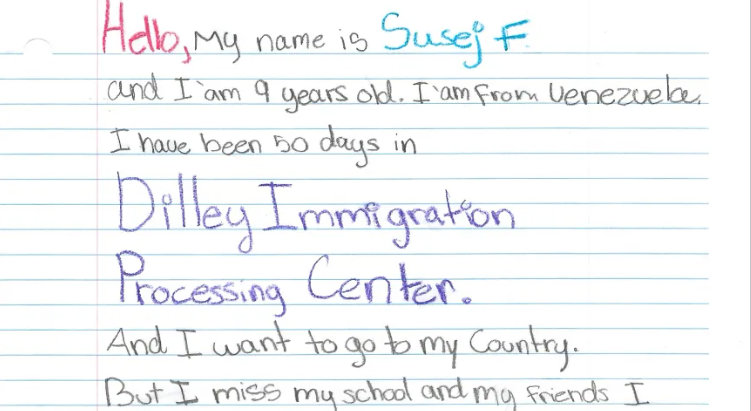
According to letters from children living in an ICE detention facility, living conditions are inhumane and their mental health is suffering.

In Teens, Social Anxiety Often Looks Like Anger
A study finds that some teens’ aggressive behavior may be due to social anxiety, not straightforward reactivity.
Expert Calls for Harm Reduction, Not Punishment, to Resolve Our Overdose Crisis
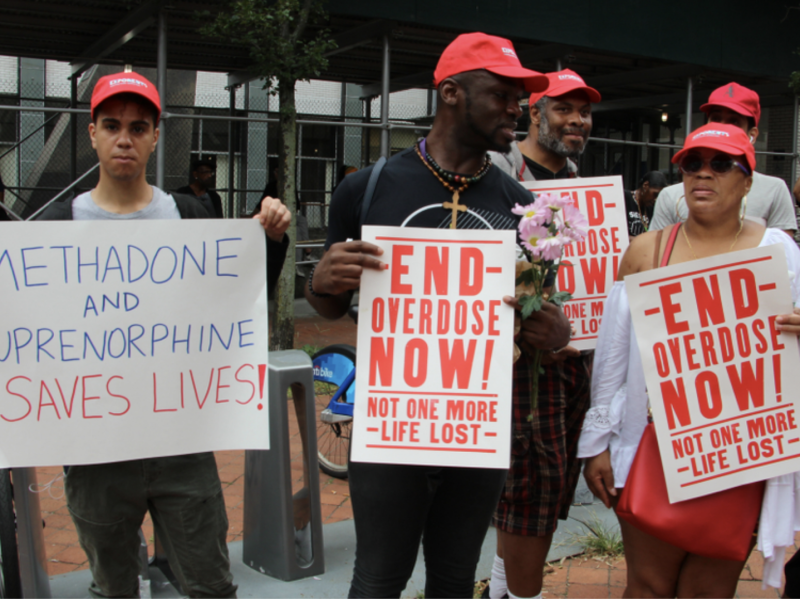
As the Trump administration pulls funding from harm reduction, an expert on the overdose crisis says it’s the best way to save lives.
