Doulas Covered by Medicaid in New York
Doulas help reduce maternal mortality rates and racial disparities in birth outcomes. Energy drinks are bad for children. And more.

December 18, 2024
By Courtney Wise

Greetings, MindSite News Readers! In today’s parenting newsletter, some great news for pregnant or soon-to-be birthing moms in New York: Doulas will be covered by Medicaid! Swedish researchers also discover that monitoring women’s mental health during pregnancy is as critical as the check-ins that occur postpartum.
Also in this edition, lawmakers in the United Kingdom consider an all-out ban on the sale of energy drinks to children. How the birth of a child can affect a marriage, and in ways you don’t expect. Plus, a look back at an article on the ‘destructive parentification’ of our kids.
Doulas now covered by Medicaid in New York State
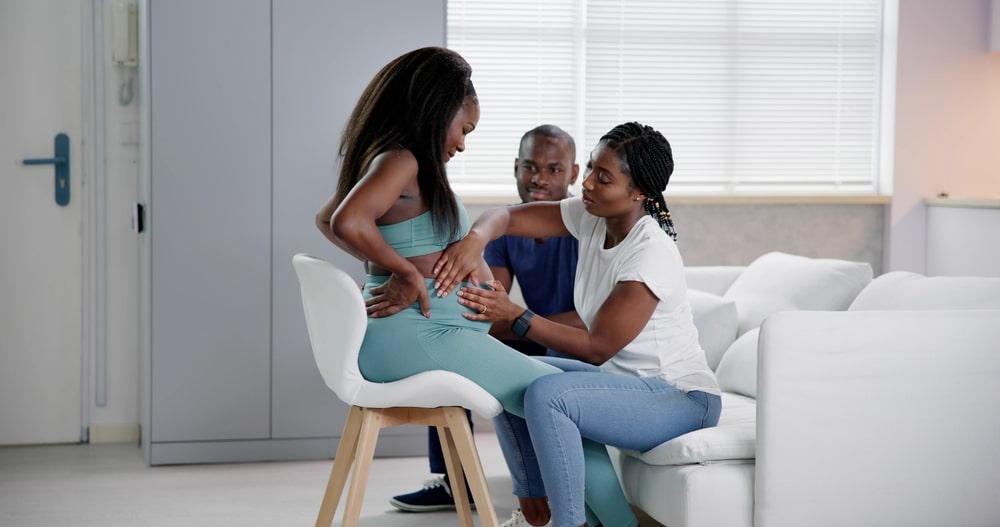
Kendra Berger wanted a third child but was terrified at the thought of another birth. The hospital delivery of her second child was a nightmare that lasted weeks for Berger and her baby. She pushed before feeling ready and the baby got stuck in the birthing canal. Then Berger hemorrhaged so badly, she needed a blood transfusion. Two weeks later came a terrible discovery: In the pediatrician’s office for her newborn’s checkup, the doctor discovered the baby’s clavicle had been broken during delivery. Thankfully, when Berger became pregnant, assistance from the New York State Doula Pilot Program ensured Berger’s third birthing experience was nothing like the second, as STAT reported in this piece.
Launched in 2018, the program works to reduce maternal mortality rates and racial disparities in maternal and infant health outcomes by providing access to doula services. Participants receive four doula visits during pregnancy, doula support in labor and delivery, and four visits after the birth. Since January 1 of this year, every New Yorker on Medicaid is eligible. Though the pilot hasn’t been without issues, administrators remain optimistic about the positive impact the program will have on mothers and babies.
Research shows that doulas improve birth outcomes for all women. “Doulas also go beyond things we think of traditionally with health, such as connecting their clients with any food, housing, and transportation needs they may have,” said Cassondra Marshall, a professor at the University of California Berkeley, who studies maternal health equity. “Community-based doulas have shared backgrounds and language and culture with the people they serve. They provide culturally and racially concordant care, which is really one of the hallmarks of this model.” However, the cost of their services is often prohibitive for women of color and women with low incomes in the United States – the very populations at greatest risk for birth-related complications, pregnancy-related mental health conditions, and negative interactions with medical staff during maternity care. (See our recent MindSite News story on Black doulas.)
Currently, eleven states and the District of Columbia reimburse for doula services through Medicaid, and eight more have plans to do so in the near future. The biggest concern around the success of long term implementation is the relatively low reimbursement rate doulas receive and the limited number of visits covered. Doulas and other birth advocates say both issues threaten the sustainability of such programs. During the pilot in New York, for instance, doulas enrolled as providers in the state Medicaid program received just $606 for eight visits plus labor and delivery. It’s a rate so low that critics worry doulas will opt out of participating in Medicaid. The Jericho Road Community Health Center in Erie County, New York, which provides a free culturally-relevant doula program for low-income moms of color, relies on extra funding beyond the Medicaid reimbursement to pay its doulas.
State officials say $606 is the amount that was available in 2018 when the program was launched. They also say they’ve heard the pleas of doulas and their clients, and in turn, plan to invest more money into the program this year. Pending federal approval, Medicaid reimbursement for doula care will increase to $1,350 per pregnancy in upstate New York and to $1,500 in New York City, according to the NY Department of Health. The extra investment can only help, studies show. A 2016 paper published in Birth found that doula-assisted deliveries among Medicaid patients would save $58.4 million and prevent 3,288 premature births each year.
United Kingdom considers ban on sale of energy drinks to children
If your children are a fan of energy drinks, you may want to consider revoking their access to these highly caffeinated, sugary beverages. A review of 57 studies, by a team of researchers in the United Kingdom linked the drinks to increased risks for anxiety, stress and even suicidal thoughts, the BBC reports. That’s in addition to the havoc they wreak on children’s bodies and teeth. Marketed as a quick and easy way to get a mental and physical boost, up to one-third of children in the UK drink them every week.
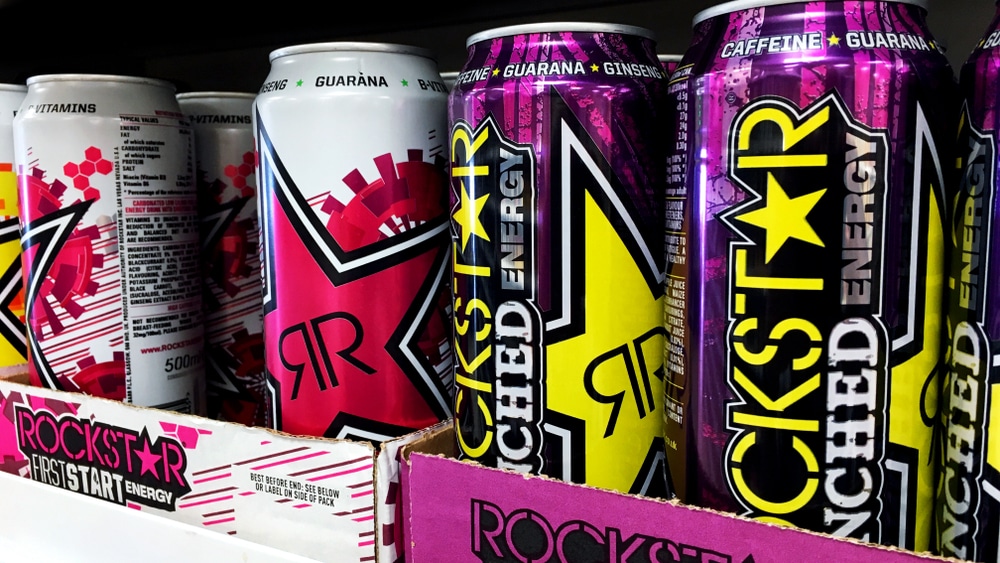
More than 1 million children from 21 countries were included in the review. The drinks, which are explicitly labeled as inappropriate for children and pregnant and nursing women, remain easily accessible at stores, researchers said. Regular consumption of the beverages is closely associated with poor sleep, worsened academic performance and an unhealthy diet. In addition, the review found that young people who have energy drinks often are more prone to violence, using recreational drugs and engaging in unprotected sex.
“The evidence is clear that energy drinks are harmful to the mental and physical health of children and young people, as well as their behavior and education,” said lead review author Amelia Lake, a professor of public health nutrition at Teesside University. “We need to take action now to protect them from these risks.” After learning the findings, a spokesperson for the UK’s Department of Health and Social Care said, “We consulted on a proposal to end the sale of energy drinks to children under 16 in England, and will set out our full response in due course. In the meantime, many larger retailers and supermarkets have voluntarily introduced a ban on the sale of energy drinks to children under 16.”
Perinatal depression can increase risk of suicide in mothers for years after birth, study says
A Swedish research team recently published the unnerving findings of two studies designed to learn the risk of suicide among pregnant mothers. Perinatal depression is understudied, undertreated and likely underdiagnosed, reports the New York Times, despite affecting an estimated 10 to 20 percent of mothers. The team analyzed the records of nearly 1 million women in Sweden’s national medical registries from 2001 to 2017, comparing 86,551 women diagnosed with depression during pregnancy with 865,510 women who were not. The groups were matched by age and year they gave birth. In both studies, the researchers found that depression beginning in pregnancy or shortly after birth increases the risk of suicide in mothers. In some, the risk lingered for as many as 18 years.
In one study, published last week in JAMA Network Open, researchers found that perinatal depression tripled mothers’ risk of suicidal behavior, defined as attempted or completed suicide. Risk was highest in the year immediately after birth and declined over time. But years later, the women diagnosed with perinatal depression remained twice at risk of suicidal behavior than women without the disorder. Findings of the other study, published last week in BMJ, were still more bleak: researchers found that women with perinatal depression were more than six times at risk of suicide than those without the disorder.
Considering such worrisome numbers in Sweden, a nation providing universal health care to a largely white, relatively affluent population, researchers concluded that monitoring pregnant women and their mental health is critical to mothers’ long-term health. “This highlights the pressing need for vigilant clinical monitoring and prompt intervention for this vulnerable population to prevent such devastating outcomes, regardless of pre-pregnancy history of psychiatric disorders,” they wrote.
In other news…
I’ve been married for 11 years. Besides year one, the toughest were the three years immediately after our daughter’s birth. We’d waited five years to have a child, and her arrival obliterated our life as we knew it. Add to that the stress of financial instability – given my virtually unpaid maternity leave and the short- term disability my husband was forced to take because of a broken leg, along with the pandemic that hit shortly thereafter – and I was sure we were headed for divorce. My experience isn’t that of writer Leslie Jamison, but this essay she wrote for the New Yorker is one of the most relatable I’ve read since becoming a parent. It’s titled The Birth of My Daughter; The Death of My Marriage, and though I’m still married, happily so, the marriage I had before 2018 is over and done. At the very least, I’m not the same person, and neither is the man I married.
This essay from Cindy Lamothe for The Atlantic predates MindSite News, but it popped up on my social media timeline as an “in case you missed it,” and I found it a worthy read. It’s all about the mental and emotional damage that occurs in children who essentially parent, rather than simply help, their siblings or parents. Researchers use the term ‘destructive parentification’ to describe the relationship in which a child becomes the caregiver to a sibling or parent. They also say it stunts a child’s development and leaves lasting mental and emotional scars.
How are you? Terrible, Thanks For Asking. Yes, Readers, I’m coming with another podcast recommendation. This time, it’s one I stepped away from but returned to given my recent grief over devastating losses. After all, grief, loss and how people get through it is what the show is all about. It even makes me laugh sometimes, too. The most recent episodes are about the fentanyl crisis that’s made the opioid crisis scarier than it already was. The podcasters empathize with the dead and their survivors in a way that earns a listen.
If you or someone you know is in crisis or experiencing suicidal thoughts, call or text 988 to reach the 988 Suicide & Crisis Lifeline and connect in English or Spanish. If you’re a veteran press 1. If you’re deaf or hard of hearing dial 711, then 988. Services are free and available 24/7.
Recent MindSite News Stories
What Martin Luther King, Jr. Knew But Never Said

The Rev. Dr. Martin Luther King Jr. was known for the soaring oratory he deployed as he led a movement for racial equity and social justice using the power of nonviolent protest. One thing he did not talk about was his own mental health. Continue reading…
As ‘Succession’ Heads Toward the Emmys, Our Writer Looks Back at a Master Class in Dysfunctional Family Dynamics

The popular HBO series, which ended in 2023, examined intergenerational trauma along with the worst kind of horrible bosses and conniving colleagues. Continue reading…
Building Hope in Philadelphia Neighborhoods Under Siege

Teachers and staff at YouthBuild Philly Charter School provide love, support and a safe haven for students in an area with high gun violence.
If you’re not subscribed to MindSite News Daily, click here to sign up.
Support our mission to report on the workings and failings of the
mental health system in America and create a sense of national urgency to transform it.
For more frequent updates, follow us on Facebook, Twitter and Instagram:

The name “MindSite News” is used with the express permission of Mindsight Institute, an educational organization offering online learning and in-person workshops in the field of mental health and wellbeing. MindSite News and Mindsight Institute are separate, unaffiliated entities that are aligned in making science accessible and promoting mental health globally.
Copyright © 2021 MindSite News, All rights reserved.
You are receiving this email because you signed up at our website. Thank you for reading MindSite News.
mindsitenews.org

The name “MindSite News” is used with the express permission of Mindsight Institute, an educational organization offering online learning and in-person workshops in the field of mental health and wellbeing. MindSite News and Mindsight Institute are separate, unaffiliated entities that are aligned in making science accessible and promoting mental health globally.


Author

Related Articles

The College Mental Health Crisis
Experts say more preventive care is needed to combat the growing mental health crisis affecting college students.
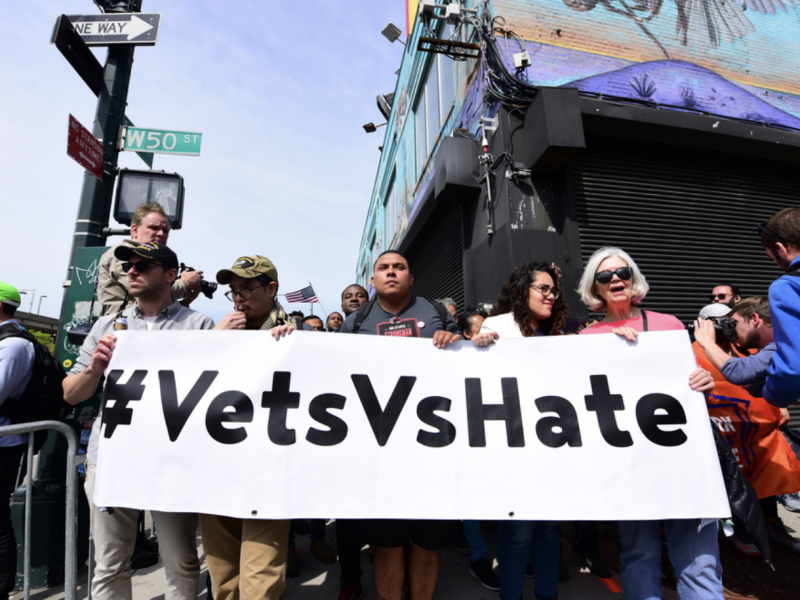
Trump Administration Breaks its Promises to Veterans with Mental Health Issues
Since Trump’s return to office, the strained staffing situation within the Department of Veterans Affairs is now “at a breaking point.”

College Employment Scams Undermine Students’ Mental Health
At UC Berkeley, students have lost thousands to employment scams. Victims said they now experience shame, fear, anxiety and depression.
