Does a Keto Diet Hold Promise for Some With Bipolar Illness?
Why a ketogenic diet may offer mental relief for some people. New findings on Alzheimer’s. Little mental health support available for Native Americans. And more.


January 30, 2024
By Courtney Wise

Greetings, MindSite News Readers. In today’s Daily: A new treatment for bipolar disorder involves a ketogenic diet. Indigenous communities face disproportionate rates of suicide. And scientists find evidence that Alzheimer’s can be medically transmitted to people (but through a human growth hormone procedure discontinued many decades ago, thankfully). And more.
Plus: the reason that one in five homeless women in California are unhoused.
A keto diet may hold promise for mental relief for bipolar patients
Iain Campbell had lived for years with hard-to-treat bipolar disorder. Around the time it became “increasingly difficult to live with,” he happened to begin a ketogenic diet. His intent was to manage the weight gain associated with his psychiatric medications, but he noticed an unexpected side effect: His mental health had improved. While riding to work one day, Campbell said he felt peace. “I hadn’t experienced that in a really long time, probably since I was a kid,” he told NPR. “I didn’t know what was going on at the time, but I thought this might be what it feels like to be normal.”
Wondering if the dietary change might be connected to his mental improvement, Campbell started learning about the ketogenic diet, characterized by its high fat and very low carb content. Eventually, he began tracking his ketone levels with an at-home blood test. “I realized it was actually the ketone level that was making this shift in my symptoms in a way that nothing else ever had,” he said. “It struck me as really significant, like life-changing.” He was so excited about the possibility, Campbell pursued a Ph.D. to research the hypothesis. As he studied, he soon learned that he wasn’t the only scientist who had considered the potential of a ketogenic diet to improve moderate to severe mental health disorders.
Harvard psychiatrist Chris Palmer recorded similar breakthroughs in two patients who were diagnosed with schizoaffective disorder, including one who was the son of wealthy tech entrepreneurs. After seeing “a dramatic change” in their son, Jan and David Baszucki became lobbyists for more research on how the diet improves mental illness. They’ve connected Campbell to a major donor to support his bipolar study and at least twelve other clinical trials are in the works. They’re all contributing to the growing field of “metabolic psychiatry,” said Stanford psychiatrist Shebani Sethi.
The term, conceived by Sethi, refers to the study of how treating metabolic health – high blood sugar, diabetes, obesity – could improve mental illness. Trained in obesity medicine and psychiatry, Sethi said she saw the ketogenic diet help a patient with treatment-resistant schizophrenia and a 2022 clinical trial showed that treating metabolic disorders improved mental health.
Patients with treatment-resistant bipolar depression and insulin resistance, but not Type 2 diabetes, were prescribed the diabetes drug metformin. By the end of the study, half of the participants no longer had insulin resistance — and saw dramatic improvements in their psychiatric symptoms, despite 25 years without relief. “I was kind of blown away,” said Cynthia Calkin, the psychiatrist who led the study. “It’s not that metformin is an antidepressant, it’s that it can reverse insulin resistance and that improves outcomes.”
New study suggests Alzheimer’s can be transmitted medically, but researchers affirm “the public has nothing to fear”
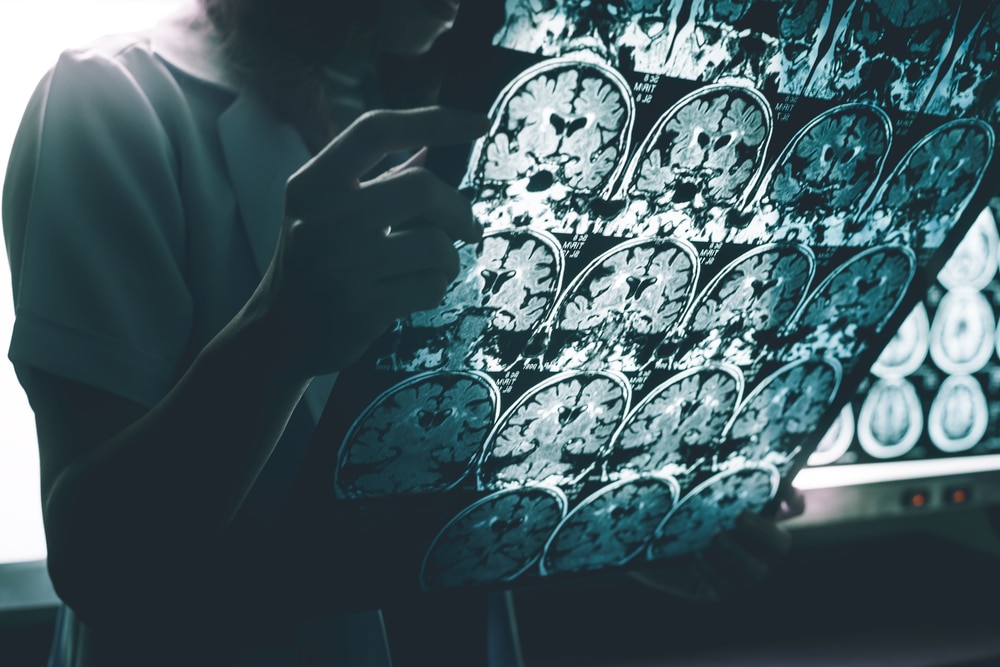
A new study published yesterday in Nature Medicine connects early-onset dementia to five adults who received a medical treatment involving human growth hormone (HGH) in childhood. Researchers affirm “the public has nothing to fear” since the procedure has been discontinued since the 1980s. But it provides the first evidence of ‘medically acquired’ Alzheimer’s disease in living people, CNN reports.
Abnormal buildup of amyloid beta in the brain is associated with Alzheimer’s. For the study, researchers analyzed the medical files of eight people in the United Kingdom who had growth hormone deficiency as children and were treated with HGH harvested from a deceased donor whose brain was contaminated with amyloid beta. They were all treated between 1959 and 1985, along with 1,848 others in the UK treated with HGH from the pituitary gland of a cadaver. Five of the patients were still living during the study and were in their 50s. The remaining patients had died at ages 47, 54, and 57.
Researchers found that all five living patients had symptoms consistent with early-onset dementia that began at 48, 49, and 55. Three of the five had also been diagnosed with Alzheimer’s before the study. This suggests that long-term, repeated exposure to treatment from cadaver-acquired HGH contaminated with amyloid beta pathology and prions associated with Creutzfeldt-Jakob disease could transmit Alzheimer’s disease. (Prions are proteins that can help transmit neurodegenerative diseases.)
Psychiatrist James Galvin, director of the Comprehensive Center for Brain Health at the University of Miami Health System and unaffiliated with the study, said this is the first time he has heard of Alzheimer’s disease transmission in humans. “The cases were all very young onset, which would make one suspicious that there are extraneous factors involved,” Galvin wrote in an email. “Typically, early onset is linked to genetic mutations, but as this was not found, the most likely common attributable cause would be the cadaveric growth hormone treatment. Additionally, other proteins involved in disease, such as alpha-synuclein in Parkinson’s disease and Lewy body dementia, share some of these properties but do not appear to be transmissible. The science of amyloid and tau proteins in Alzheimer’s disease may need to be revisited.”
Despite high suicide rates, little mental health support available for Native Americans
Last year, 15-year-old Ben Morningstar of Montana lost a cousin and two classmates to suicide. Overwhelmed by grief, he attempted suicide himself. His mother Amanda sought help for him, but found it scarce. Though Ben spent more than one week in an inpatient mental health unit, she told KFF News that the treatment and resources he needed at home were hard to find.
Though Blackfoot Indian Reservation where the Morningstar’s live is small, with 600 residents, mental health care is smaller still. Systemic and structural inequities, including those in the federally-operated but underfunded Indian Health Service, impede suicide prevention in Indigenous communities.
“I worried who was going to keep my son safe. Who could he call or reach out to? There are really no resources in Heart Butte,” said Amanda MorningStar. Driving her point home, she mentioned that Ben’s IHS-covered therapy was recently reduced from two to one 15 minute virtual therapy session from IHS per month.
Such lack of treatment is a matter of life or death. Suicide takes more Non-Hispanic Indigenous lives in the United States than any other racial or ethnic group, according to the Centers for Disease Control and Prevention. Suicide rates have also risen in other ethnic groups, but to a lesser degree. In Montana, the suicide rate among Native American youth is more than five times the statewide rate for the same age group, and the state ranked 47th among all states for suicide deaths in 2020.
“Given the crisis of suicide in Native American populations, we need more funding and continued sustained funding for research in this area,” said Stephen O’Connor, a suicide prevention researcher at the National Institute of Mental Health (NIMH). Getting grants for such research from the NIMH is difficult, he added, especially for smaller tribes. Still, federal officials say that they are negotiating research partnerships with tribal nations and have launched new grants and programs that are culturally informed and evidence-based to reduce suicide in Indigenous communities.
In other news…
One in five unhoused women in California becomes homeless after fleeing intimate partner violence at home, according to an analysis of the California Statewide Study of People Experiencing Homelessness. The infrastructure to support domestic violence survivors is overwhelmed, under-resourced, and disorganized, said Debbie Chang, president and chief executive of the Blue Shield of California Foundation, which helped fund the study. “Sometimes what happens is a survivor will try to access the homelessness system, the intake worker will say, ‘You have domestic violence. You have to go to a domestic violence shelter.’ Or they don’t accept children. The survivor is fleeing with children,” she added, speaking to the Los Angeles Times. Said a 43-year-old woman in the report: “In my opinion, probably 90% of the people that are in abusive relationships would get out if they had an out to go to, if they weren’t going to lose their kids, their home, their financial ability to function day to day.”
Mental health providers debate how to address religious trauma in psychiatry’s bible, the DSM. An NBC News report spotlighting the lifelong trauma impacting millions of LGBTQ+ Americans concludes with a look at the efforts of psychiatrists to agree on a characterization for religious trauma — in order to access treatment for people whom religion has harmed. Some, like Duke’s Harold G. Koenig, believe that adding a classification of “moral injury” to include religious trauma will trigger research and improved treatment for people whose lives have been seriously impacted. “Having it as a Z code will validate and stimulate funding support, and then there’ll be more money for research, which will help us learn more about how we can treat folks experiencing moral injuries like religious trauma,” Koenig said.
Jack Drescher of Columbia University disagrees. “We don’t need diagnoses to understand what’s going on. … Medicalizing social issues is how homosexuality was originally labeled a mental disorder,” he said, noting that homosexuality was coded as a disorder in the DSM until 1973. “So the idea that now we’re going to turn anti-LGBTQ ideas into psychiatric diagnoses doesn’t sit well with me.”
Money worries got you stressed? The Washington Post drafted a handful of tips to bring you some mental relief in the midst of financial trouble.
If you or someone you know is in crisis or experiencing suicidal thoughts, call or text 988 to reach the 988 Suicide & Crisis Lifeline and connect in English or Spanish. If you’re a veteran press 1. If you’re deaf or hard of hearing dial 711, then 988. Services are free and available 24/7.
Recent MindSite News Stories
The Night Parade: A genre-bending memoir that helps reshape the cultural narrative on bipolar illness and grief
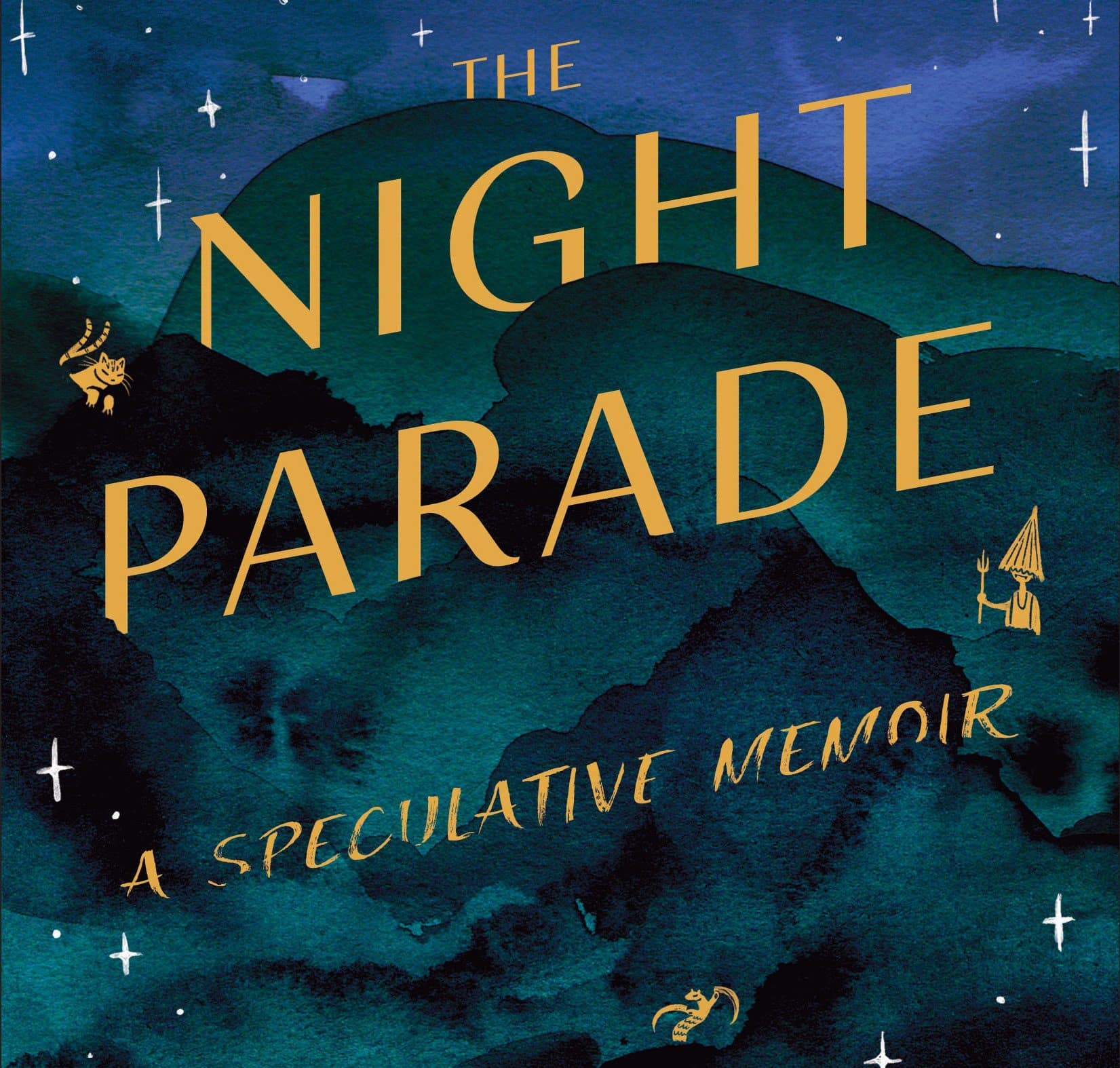
Jami Nakamura Lin has written a rich, exquisitely illustrated memoir that expands the cultural narrative on mental illness and grief. Continue reading…
A Former Hotline Counselor ‘Hands the Mic’ to Call-takers to Amplify Their Voices

The author of a survey of crisis hotline counselors talks about his experiences and why he wanted to tap into the wisdom of the people who answer calls to 988.
988-Hotline Counselors Air Concerns About Lack of Training, Rushed Calls

A newly released report, based on responses from 47 crisis counselors, explored variations in their training and work experiences. The first-of-its-kind survey raised raised the voices of 988’s workforce and surfaced some interesting snapshots.
If you’re not subscribed to MindSite News Daily, click here to sign up.
Support our mission to report on the workings and failings of the
mental health system in America and create a sense of national urgency to transform it.
For more frequent updates, follow us on Facebook, Twitter and Instagram:

The name “MindSite News” is used with the express permission of Mindsight Institute, an educational organization offering online learning and in-person workshops in the field of mental health and wellbeing. MindSite News and Mindsight Institute are separate, unaffiliated entities that are aligned in making science accessible and promoting mental health globally.
Copyright © 2021 MindSite News, All rights reserved.
You are receiving this email because you signed up at our website. Thank you for reading MindSite News.
mindsitenews.org

The name “MindSite News” is used with the express permission of Mindsight Institute, an educational organization offering online learning and in-person workshops in the field of mental health and wellbeing. MindSite News and Mindsight Institute are separate, unaffiliated entities that are aligned in making science accessible and promoting mental health globally.


Author

Related Articles

The College Mental Health Crisis
Experts say more preventive care is needed to combat the growing mental health crisis affecting college students.

Trump Administration Breaks its Promises to Veterans with Mental Health Issues
Since Trump’s return to office, the strained staffing situation within the Department of Veterans Affairs is now “at a breaking point.”

College Employment Scams Undermine Students’ Mental Health
At UC Berkeley, students have lost thousands to employment scams. Victims said they now experience shame, fear, anxiety and depression.
