
A Resource Guide for Black Mental Health
A resource guide for Black mental health was timed for Black History Month, but it’s relevant all year round. And some therapists are moving their work outside to take advantage of the salubrious effects of nature.

Monday, February 12, 2024
By Don Sapatkin

Good Monday morning! A resource guide for Black mental health was timed for Black History Month, but it’s relevant all year round, as shown by two new studies. Also in today’s Daily: Some therapists are moving their work outside to take advantage of the salubrious effects of nature.
Plus, residential treatment centers specializing in eating disorders are facing threats to their survival. And mental health care in Sierra Leone, almost nonexistent, is getting better, bit by tiny bit.
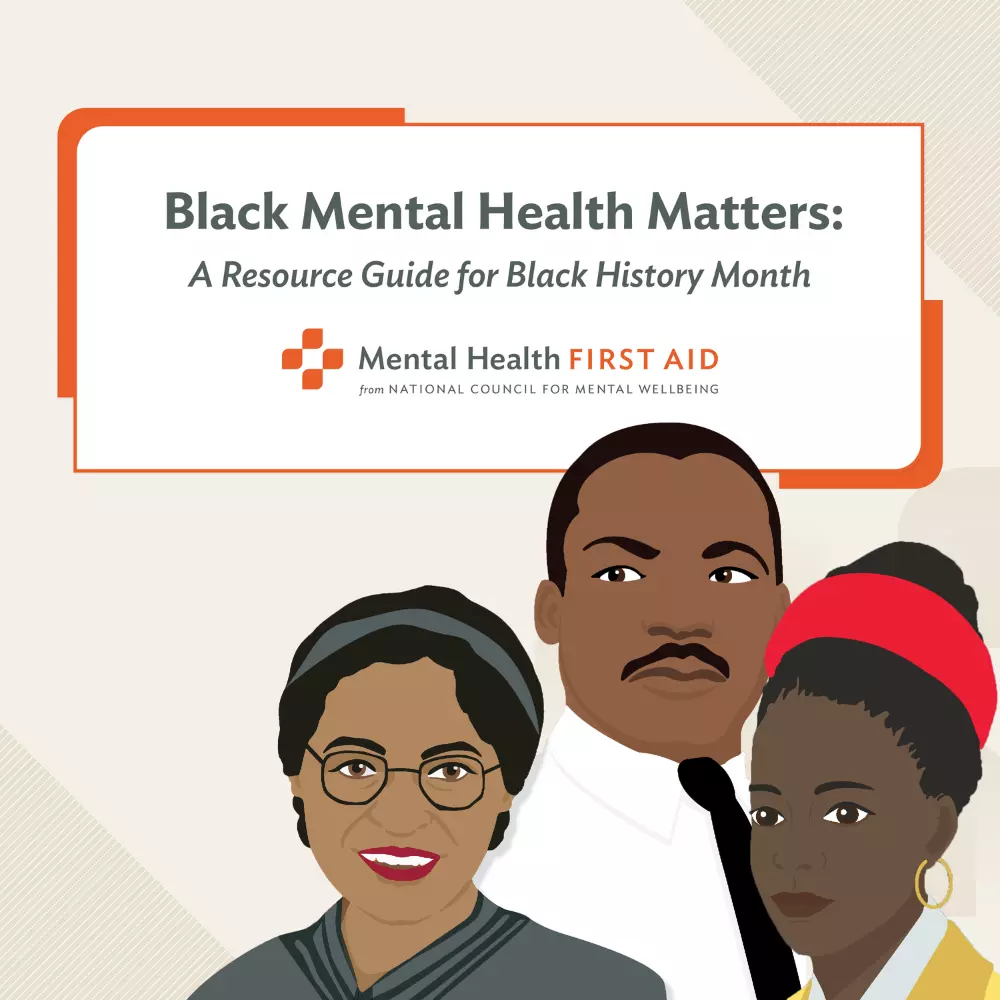
Black mental health matters: A resource guide for Black History Month
“Black History Month is typically a time of reflection. A time to acknowledge the challenges and celebrate the triumphs. Yet, our current circumstance is anything but typical. Our reflection should not applaud the resilience and strength of those who have overcome adversity without also acknowledging the psychological impact of their struggles on their lives, families and communities – both then and now. Especially in the workplace.”
So writes Tramaine EL-Amin, vice president for Mental Health First Aid at the National Council for Mental Wellbeing, in an introduction to a resource guide to social media and internet sites containing useful information “to help you support your peers, friends, and communities and be an effective Mental Health First Aider, honoring individuals’ diversity.” The guide offers a wide array of resources available to Black communities. Some recent research shows why the information in the guide is so important.
Losing sleep for good reason. Black people are disproportionately shot and killed by police officers. Researchers wanted to know how that affected their sleep. Looking at large national health surveys that include questions on sleep, they found that in the three to six months following police killingsof unarmed Blacks, the sleep duration of Black people – already worse than whites – worsened further. Black people literally lost sleep. The findings “underscore the role of structural racism in shaping racial disparities in sleep health outcomes,” they concluded in a study published by JAMA Internal Medicine.
The psychic impact of gun violence. Black people are also more likely to killed, shot or exposed to gun violence. Another study looked at the impact of that experience on their likelihood of having suicidal thoughts or behaviors. Being threatened with a gun or knowing someone who was intentionally shot were each associated with nearly 50% higher odds of suicidal ideation and more than triple the odds of attempting suicide during their lifetime, according to findings published in JAMA Network Open. Being shot intentionally was linked to nearly quadruple the odds of ever planning a suicide.
Psychotherapy without walls
A growing number of therapists are moving their sessions outside, doing hiking therapy or jogging therapy, or simply sitting-in-nature therapy, the New York Times reports, a trend whose benefits are supported by research. Combining traditional talk therapy with movement and nature can help patients feel more open, express their feelings and find new perspectives, practitioners tell the Times. Outdoor therapy, which has been around for a while but got a boost during the pandemic, falls into the category of ecotherapy – a broad and nebulous term that includes activities ranging from equine therapy to wilderness and adventure therapy outings.
Chase Brockett, a Portland, Ore. resident, did hiking therapy for about a year and a half, going out in all kinds of weather, including rain, with his therapist, Aimee Frazier. “You have to be uncomfortable and just accept that’s what’s happening,” he said, itself a useful life lesson. “I think a lot of anxiety comes from A) viewing anxiety as a bad thing and B) trying to escape it at all times,” he said.
Some practitioners notice blending therapy with nature can also improve their own sense of well-being and avoid burnout. Frazier noticed some years ago that she “began to feel like a wilting office plant that sat in the dark corner” when she completed an internship in a windowless office. “I longed to be out in the sun and the rain, surrounded by the calming presence of nature.”
Some traditional psychotherapists are skeptical of the lack of parameters and predictability that being out in nature can bring. But it’s becoming more common and ecotherapy is even being taught in schools, including Lewis and Clark College in Oregon and Prescott College in Arizona.
Residential eating disorder treatment centers are closing at a time of rising need
A series of challenges are shaking up the already shaky field of eating disorder treatment, with residential treatment facilities “becoming somewhat of an endangered species,” Behavioral Health Business reports. Optum-owned Refresh Mental Health, one of the biggest behavioral health companies in the U.S., is shutting all of its eating disorder treatment entities – at least 16 locations across the country. (Optum is part of United Health Group.) Two other major players, Odyssey Behavioral Health and Discovery Behavioral Health – both backed by private equity – are scaling back their eating disorder treatment locations.
This downsizing comes at a time when demand for eating disorder treatment has exploded: Clinical visits for eating disorders increased 41% increased 41% from 2019 to 2022, according to a report from Trilliant Health, whose national claims database excludes private-pay. Visits spiked 90% for people under 18, nearly quadruple the increase for depressive disorders.
What’s contributing to this supply-demand mismatch? Since the pandemic, patients and insurers have increasingly favored virtual care models, shrinking the pool of patients. Insurer reimbursement rates have remained flat for years. Most damaging of late has been a series of corporate-directed closures and downsizing. The small number of residential eating disorder programs means patients need to travel long distances to get care, leading to fights between payers and providers over rates, as well as levels and duration of care. (Private equity firms have increasingly bought up treatment centers, which in many cases then stopped accepting Medicaid.)
Some providers, hoping to address the unmet need, have opened residential treatment centers, only to find that converting demand into a profitable business is extremely difficult. The autism therapy industry faces a similar challenge. While digital care companies say their services better fit people’s lives and provide “better outcomes for less money” compared with residential models, industry operators said there will continue to be a need and demand for residential care.
In other news…
Young Americans are bringing their mental health struggles into the political sphere, NPR reports.
Shortly after he entered Maryland’s House of Delegates last year Joe Vogel introduced his first bill. It proposed providing up to $30,000 in student debt relief for mental health professionals who worked in the state’s public schools.
The policy won bipartisan support and was signed into law. It was inspired by young people he met while campaigning. “They wanted to elect someone who was going to make student mental health a priority,” said Vogel, 27, who is now running for an open U.S. House seat. If elected, he would be the second member of Gen Z in Congress.
Sierra Leone’s tiny mental health workforce has nearly tripled in the past three years, as the government has worked with Partners in Health, a global NGO, to transform the mental health system of a country with only one psychiatrist for every one million people. It’s a critical effort in a place with deep poverty and a recent history of severe trauma, including a bloody, decade-long civil war, a terrifying outbreak of Ebola virus and a deadly mudslide due to recurrent floods. Stigma towards mental illness also remains a major issue and the outdated Lunacy Act of 1902 has remained in force, according to a story from the Pulitzer Center.
Chronically underfunded Sierra Leone Psychiatric Hospital – formerly known as “Kissy Lunatic Asylum,” – is the country’s only inpatient facility, and it is now the home to the country’s first psychiatric residency. The seven young physicians in the residency’s first class, the story says, “represent an important milestone in the country’s efforts to transform mental health care, but they stand on the precarious edge of the arc of history and face a tall order ahead.”
If you or someone you know is in crisis or experiencing suicidal thoughts, call or text 988 to reach the 988 Suicide & Crisis Lifeline and connect in English or Spanish. If you’re a veteran press 1. If you’re deaf or hard of hearing dial 711, then 988. Services are free and available 24/7.
Recent MindSite News Stories
Help! I Don’t Like My Child

A divorced father can’t figure out why he no longer enjoys his teen daughter’s company. Find out what Dr. Greenberg advises.
The Night Parade: A genre-bending memoir that helps reshape the cultural narrative on bipolar illness and grief
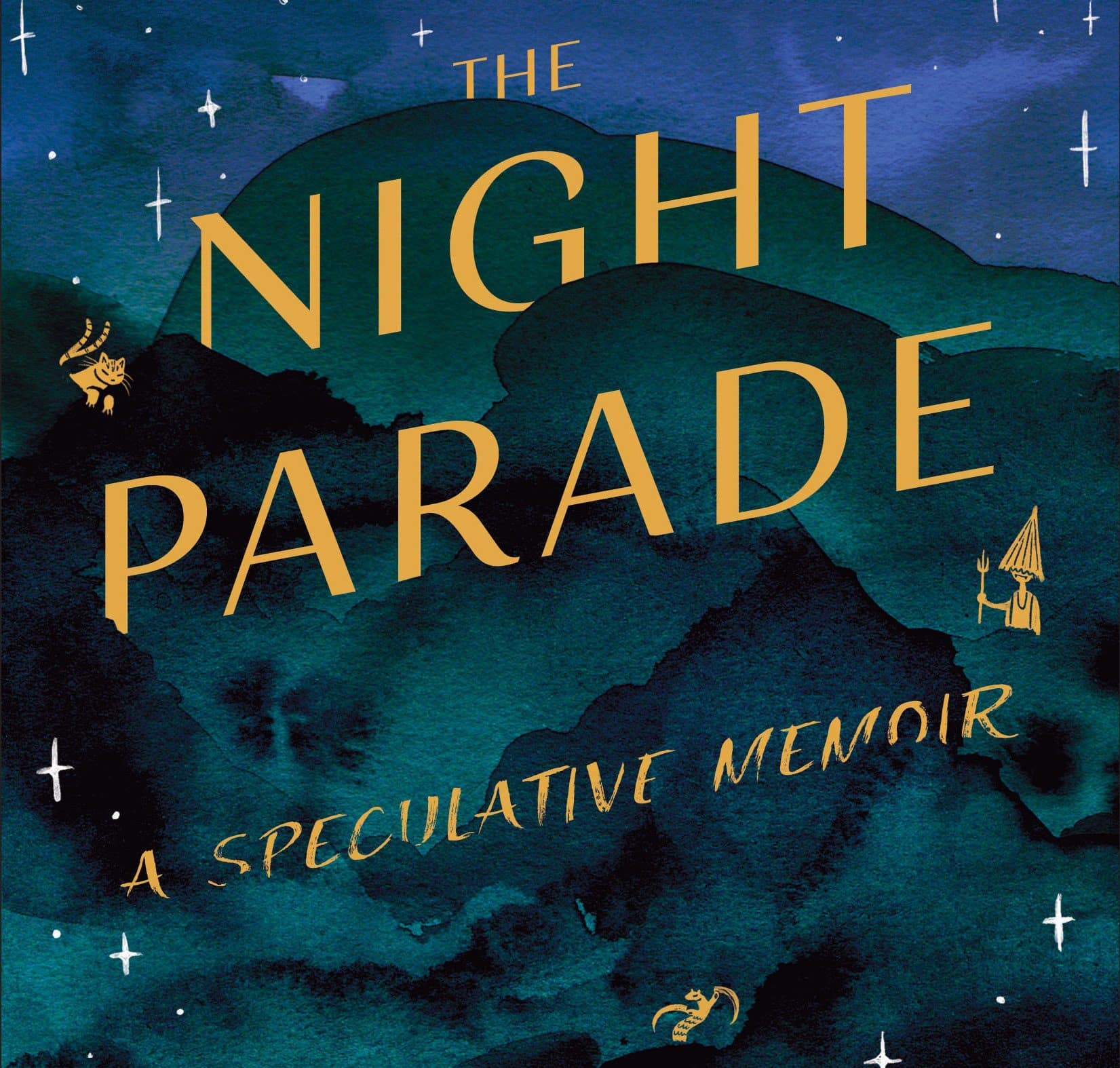
Jami Nakamura Lin has written a rich, exquisitely illustrated memoir that expands the cultural narrative on mental illness and grief.
A Former Hotline Counselor ‘Hands the Mic’ to Call-takers to Amplify Their Voices

The author of a survey of crisis hotline counselors talks about his experiences and why he wanted to tap into the wisdom of the people who answer calls to 988.
If you’re not subscribed to MindSite News Daily, click here to sign up.
Support our mission to report on the workings and failings of the
mental health system in America and create a sense of national urgency to transform it.
For more frequent updates, follow us on Facebook, Twitter and Instagram:

The name “MindSite News” is used with the express permission of Mindsight Institute, an educational organization offering online learning and in-person workshops in the field of mental health and wellbeing. MindSite News and Mindsight Institute are separate, unaffiliated entities that are aligned in making science accessible and promoting mental health globally.
Copyright © 2021 MindSite News, All rights reserved.
You are receiving this email because you signed up at our website. Thank you for reading MindSite News.
mindsitenews.org

The name “MindSite News” is used with the express permission of Mindsight Institute, an educational organization offering online learning and in-person workshops in the field of mental health and wellbeing. MindSite News and Mindsight Institute are separate, unaffiliated entities that are aligned in making science accessible and promoting mental health globally.


Author

Related Articles

College Sports Has an Emotional Abuse Problem
Two sisters were recruited from Croatia to play college basketball in the US. They say their coach derided and insulted them – and that there were few safeguards to protect them.

Autism and Alzheimer’s May Be Linked, Study Suggests
New discoveries are pushing researchers to consider that autism and Alzheimer’s may offer insight into the other.
He Almost Killed His Father. Now He Helps Others At Risk.
In today’s newsletter, we explore how one man healed after a dangerous psychotic break that nearly led him to murder.
