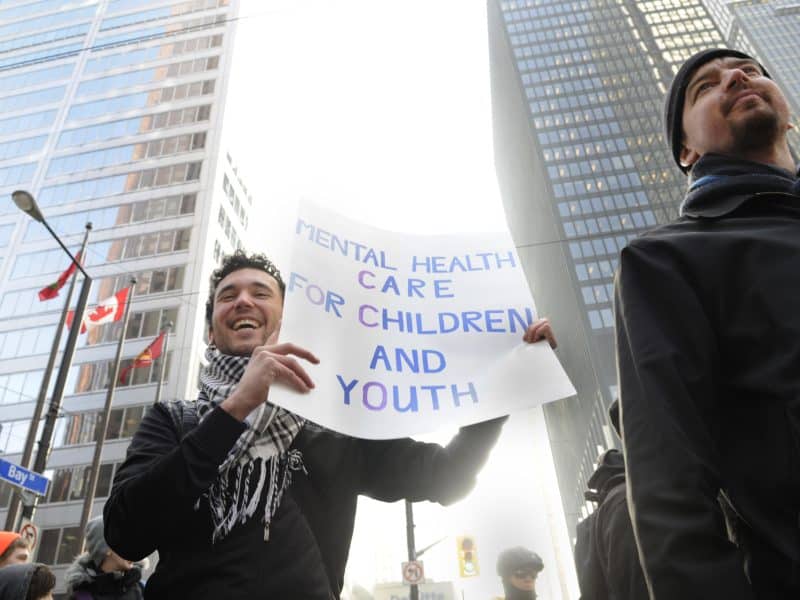
Young Voters Care About Mental Health
Millennials and Gen Z voters say mental health should be a political priority. And researchers test a program to connect depressed older adults with trained peers.

Wednesday February 14, 2024
By Courtney Wise

Greetings, MindSite News readers. It’s Valentine’s Day, the 24 hours our society deems the day to celebrate love. Despite being married, I’ve celebrated Valentine’s Day just once in adulthood. Six years ago, my daughter’s birth on Feb. 15 overtook any excitement I might have mustered for the day. But I was delighted to learn about Ayo Handy-Kendi’s “Black Love Day” in yesterday’s New York Times.
Though not (yet) widely recognized, the almost 30-year-old holiday is celebrated Feb. 13 and governed by five tenets: love for the creator, for self, for the Black family, for the Black community and for Black people. The day centers Black folks, but anyone can participate, including white people, “showing love through action,” Handy-Kendi said. They can “inspect their own prejudices and begin to make an effort to have real quality conversations with people that didn’t look like them.” What a great way to commemorate the halfway point of Black History Month.
Also in today’s daily: Millennials and Gen Z voters say mental health should be a political priority. And researchers test a program to connect depressed older adults with trained peers.
Millennials and Gen Z want political leaders who prioritize mental health
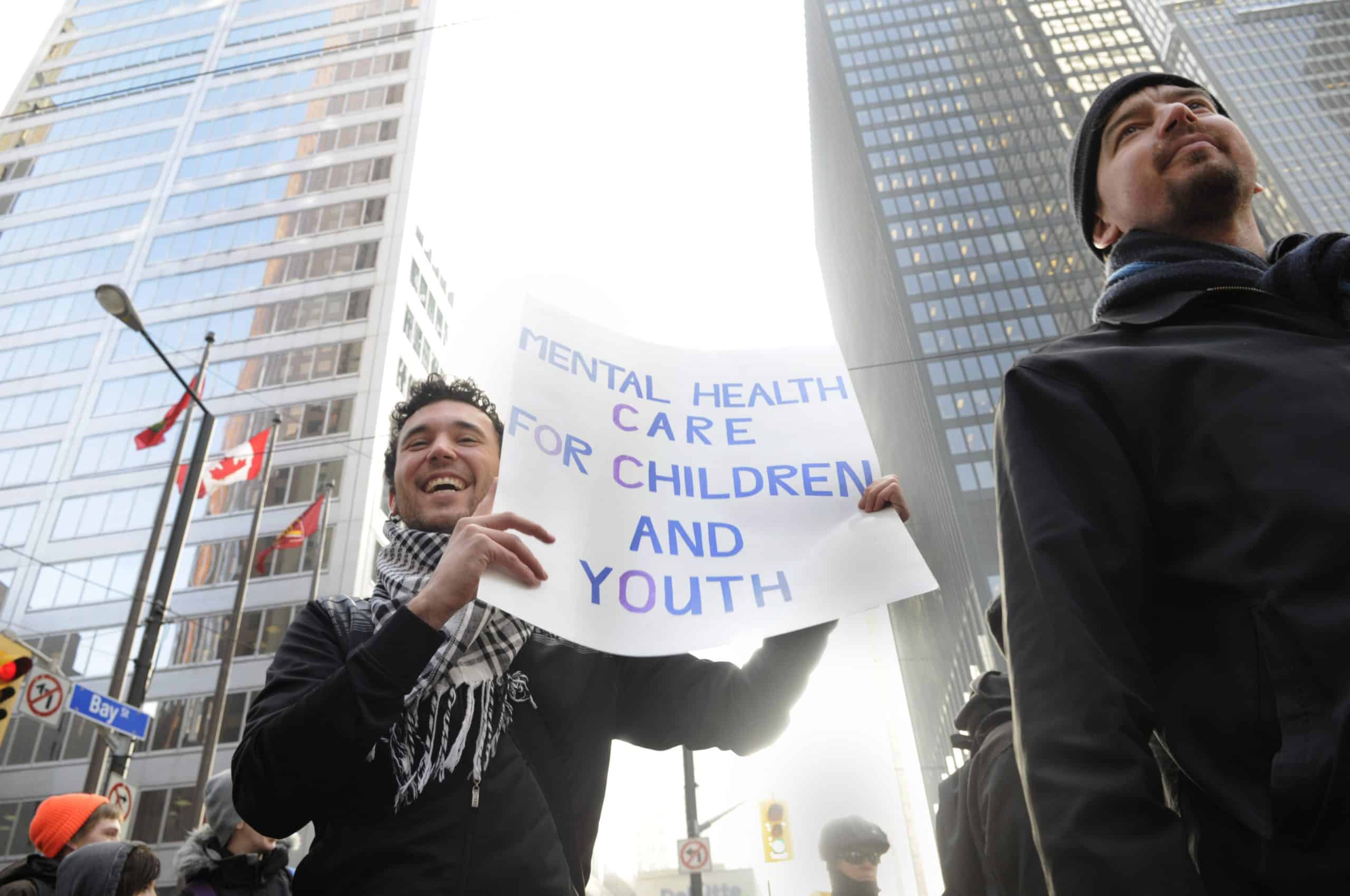
We’re months away from another presidential election and Millennials and Gen Z’ers are poised to make an impact. The two groups comprise nearly half of potential voters for the 2024 ballot, and by 2028 they’ll overtake Boomers as the largest group of potential voters by age. For them, sound mental health is a priority – and they expect their elected officials to prioritize mental health too. “There’s almost no policy issue that doesn’t have mental health overlap,” Hannah Wesolowski, chief advocacy officer at the National Alliance on Mental Illness (NAMI) told NPR, “whether you’re talking about immigration, education, health care, reproductive rights, veterans. Across the board, all of these issues have mental health repercussions and a mental health impact. So if a policymaker is not focusing on it, they’re missing a big part of the story here and a big opportunity for solutions.”
The Biden Administration has made mental health a significant part of its domestic agenda, and gotten some bipartisan support. Biden increased funding for the 988 Suicide & Crisis Lifeline, pushed billions in increased mental health funding through Congress and toughened rules on health insurers. Republicans have also spoken of the need to fund mental health and address issues like substance use, homelessness, gun control and youth mental health. The conflicts arise when these mental health issues move into social realms.
Donald Trump’s campaign has outlined plans to address drug addiction through “faith-based counseling, treatment, and recovery programs.” And Wesolowski points to the partisan divide over gender-affirming care for trans and nonbinary youth. “That to me is one of the areas where the political rhetoric can be most damaging,” she said. “We know rates of suicide and suicidal ideation in transgender, nonbinary youth are extraordinarily high. And when you hear politicians constantly saying there’s something wrong with you, you’re not ‘normal,’ that’s really problematic.”
Peer support for depressed older adults is getting a test
Do More, Feel Better. The name of the program called out to Russ Welti like an imperative. The 63-year-old told the Seattle Times that he’s struggled with depression since adolescence and was trying to overcome another slump.
After ignoring the mailed invitation for six months, Welti decided to join a research study called “Do More, Feel Better” at the University of Washington and other sites. Two groups would be studied over 9 weeks. One would receive classic psychotherapy with a counselor; the other would speak with a trained coach by Zoom or phone. The catch: The coaches would be unlicensed peers who completed a training program to help other older adults manage depression. The goal: to discover whether trained peers can be as effective helping people as licensed professionals.
The program, funded by the National Institute of Mental Health, is intended to make services more available at a time of mental health crisis when clinicians are in short supply. The program is inspired by “task sharing” initiatives in low and middle-income countries where ordinary people are trained to perform work typically reserved for professionals. Though older adults are less frequently diagnosed with mental health disorders, research shows they also tend to minimize their stress levels. Do More, Feel Better is designed to reach older adults who are struggling, but fail to ask for help because their condition isn’t “bad enough.”
The coaching strategy uses a concept called behavioral activation to support people who are withdrawing from other people, said Patrick Raue, the clinical psychologist leading the research. “They isolate themselves. They’re not as physically active or involved in their recreation and hobbies,” Raue told the Times. “We counteract that vicious cycle by helping [them] get in touch with things that are important, that are rewarding or enjoyable and give [them] a sense of accomplishment.”
To his surprise, Welti has had a positive experience thus far. “I wasn’t expecting the level of energy and focus that [my coach] applied,” he said. “She was on my ass! She was really attentive, and she heard every word.”
In other news…
Abortion: it’s also a mental health issue: As advocates across the nation push for state ballot measures to protect abortion rights, an AP story looked at a related issue: the debate over mental health exceptions in state abortion bans. Since the Supreme Court overturned Roe v. Wade, 21 states have passed laws banning or restricting abortion rights. Ten of them contain exceptions to protect the “life and health” of the mother, but exclude allowances for mental health. That’s a big concern to women like Kaniya Harris. The college sophomore was at high risk of an ectopic pregnancy, and had regular panic attacks as she worried about her ability to terminate her pregnancy.
Medical professionals are concerned that women unable to obtain an abortion may take their own lives. From 2017 to 2019, 23 percent of pregnancy-related deaths were linked to mental health conditions, including suicide and drug overdoses, according to the CDC. “I am extremely concerned by the exclusion of mental health exceptions in these ballot measures,” said Paul Appelbaum, former president of the American Psychiatric Association. “It’s absolutely cruel and will lead to the suffering deaths of pregnant women in these states.”
Biogen’s controversial Alzheimer’s medicine is off to a slow sales start. Only about 2,000 people across the country are using the drug, Leqembi, which was approved by the FDA last July and has an annual cost of $26,500. Drug makers told the Boston Globe they expected a slow uptake. Before taking it, potential patients have to complete a brain scan or spinal tap to confirm they have a build-up of the beta amyloid protein associated with Alzheimer’s. Experts say the drug modestly slows cognitive decline in some people with early-stage disease, while also causing brain swelling and tiny hemorrhages in some.
If you or someone you know is in crisis or experiencing suicidal thoughts, call or text 988 to reach the 988 Suicide & Crisis Lifeline and connect in English or Spanish. If you’re a veteran press 1. If you’re deaf or hard of hearing dial 711, then 988. Services are free and available 24/7.
Recent MindSite News Stories
A San Francisco Program Helps Older People Manage Their Hoarding – and Stay Housed

Every year, 20 or more elderly San Francisco renters are threatened with eviction because of their hoarding disorder. A unique peer-support program helps them make changes – and keep their apartments.
Help! I Don’t Like My Child

A divorced father can’t figure out why he no longer enjoys his teen daughter’s company. Find out what Dr. Greenberg advises.
The Night Parade: A genre-bending memoir that reshapes the narrative on bipolar illness and grief
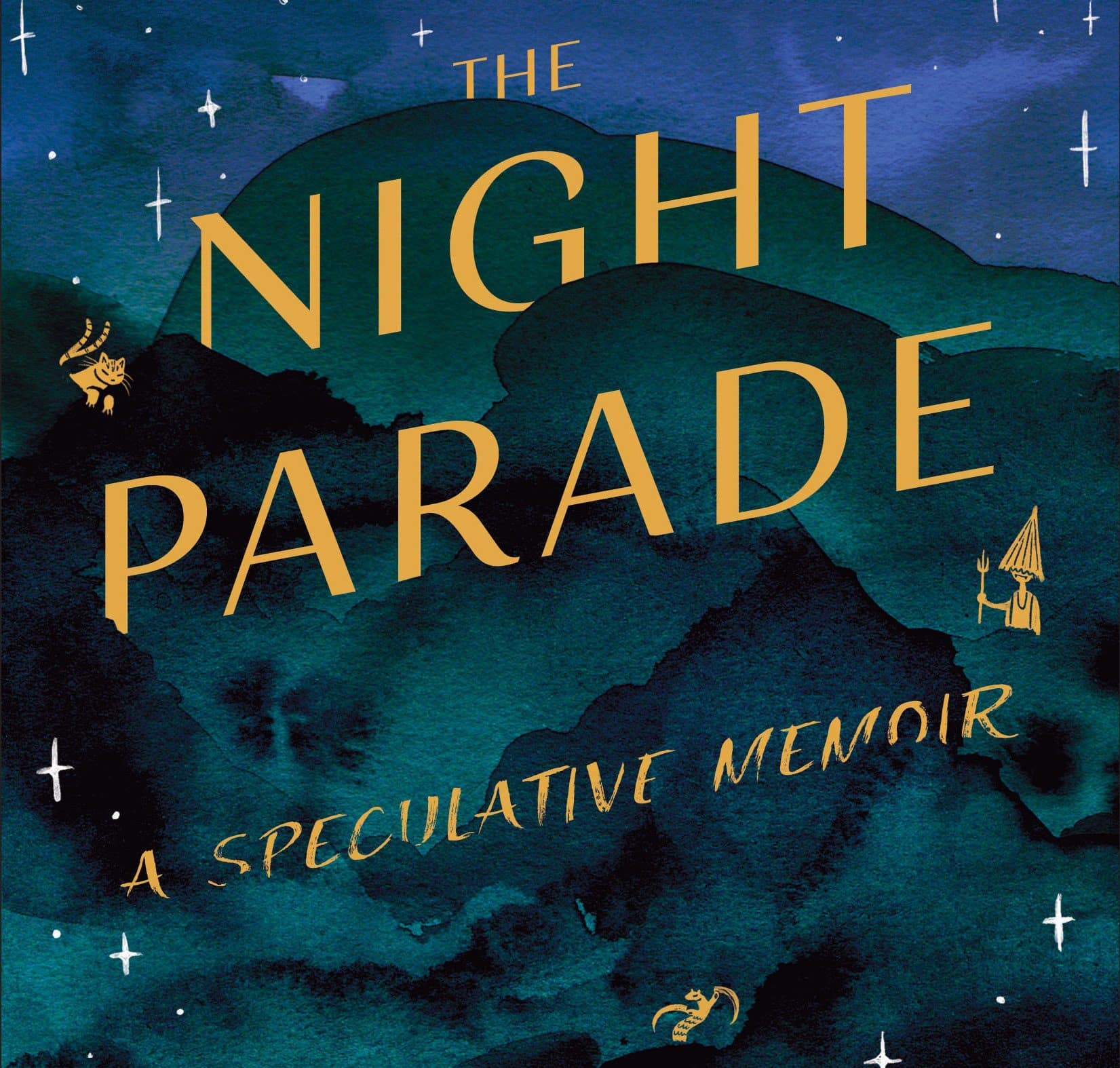
Jami Nakamura Lin has written a rich, exquisitely illustrated memoir that expands the cultural narrative on mental illness and grief.
If you’re not subscribed to MindSite News Daily, click here to sign up.
Support our mission to report on the workings and failings of the
mental health system in America and create a sense of national urgency to transform it.
For more frequent updates, follow us on Facebook, Twitter and Instagram:

The name “MindSite News” is used with the express permission of Mindsight Institute, an educational organization offering online learning and in-person workshops in the field of mental health and wellbeing. MindSite News and Mindsight Institute are separate, unaffiliated entities that are aligned in making science accessible and promoting mental health globally.
Copyright © 2021 MindSite News, All rights reserved.
You are receiving this email because you signed up at our website. Thank you for reading MindSite News.
mindsitenews.org

The name “MindSite News” is used with the express permission of Mindsight Institute, an educational organization offering online learning and in-person workshops in the field of mental health and wellbeing. MindSite News and Mindsight Institute are separate, unaffiliated entities that are aligned in making science accessible and promoting mental health globally.


Author

Related Articles
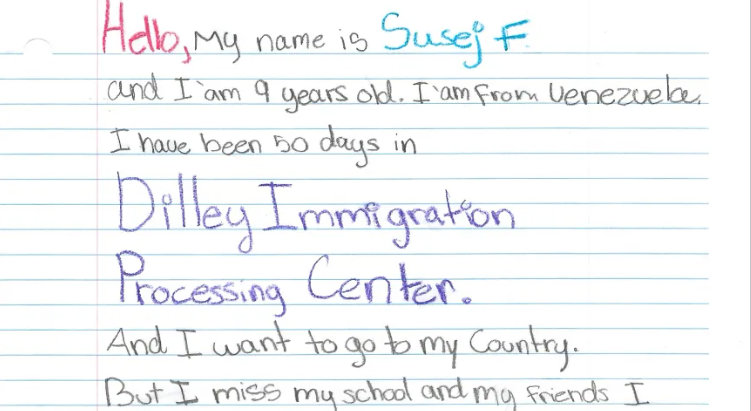
Health Organizations Condemn Traumatic ICE Raids, Family Separation
According to letters from children living in an ICE detention facility, living conditions are inhumane and their mental health is suffering.

In Teens, Social Anxiety Often Looks Like Anger
A study finds that some teens’ aggressive behavior may be due to social anxiety, not straightforward reactivity.
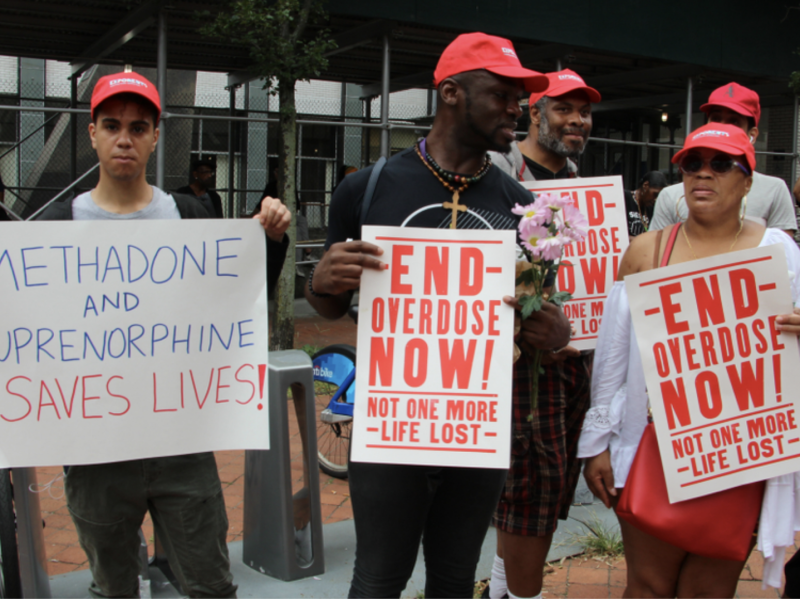
Expert Calls for Harm Reduction, Not Punishment, to Resolve Our Overdose Crisis
As the Trump administration pulls funding from harm reduction, an expert on the overdose crisis says it’s the best way to save lives.
