
Recognizing Eating Disorders in Boys
A boy’s relentless obsession with working out and looking muscular may hide an eating disorder as well as a distorted body image. How to help your gifted child who is failing school. And more.


February 16, 2024
By Courtney Wise

Greetings, MindSite News Readers! We’re a day late due to an unexpected power outage as we were working on the issue. This week brought Valentine’s Day and with it came a barrage of media about all the ways to stay happy in love. NPR’s Life Kit has one more piece of advice to add to the pile: Go to bed angry sometimes. According to relationship experts Julie Schwartz Gottman and John Gottman, taking a break to reset after an intense disagreement is important.
Why? It can improve each partner’s ability to communicate and listen about the issue at hand. “Conflict really has a purpose,” says John Gottman, “and the purpose is mutual understanding.”
Also in this issue: Signs of eating disorders in boys, why your gifted kid might sometimes fail in school (and what to do about it), and interest in testosterone as a treatment option for menopause. Plus, DeMar DeRozan of the Chicago Bulls interviews fellow athletes and others about mental health in a new online series called Dinners with DeMar.
What parents need to know about boys and eating disorders
What comes to mind when you hear the term “eating disorder?” For me, it’s the image of actress Tracey Gold in the 1994 made-for-TV film For the Love of Nancy. At ten years old, I was a frequent viewer of Growing Pains and wanted to understand anorexia, the mysterious illness that promotion about the movie emphasized. After watching it, I learned that anorexia is an illness of the body and mind – and the very mental illness Gold was struggling to manage herself. I was also left believing that the condition only affects women and girls. Since then, medical science has learned that eating disorders aren’t actually gender specific. A pair of experts told the New York Times that boys have them, too – though their motivations for disordered eating tend to be different.
Rather than seek to lose weight as girls tend to do, boys are often driven to gain muscle. In fact, “one-third of teenage boys across the United States report they’re trying to bulk up and get more muscular,” the Times reports – something that in a minority of them may cross the line into an eating disorder, as well as an unhealthy obsession with working out.
There is even a term for the obsession: muscle dysmorphia, marked by a negative body image and a compulsive desire to have a muscular physique. Boys who have it are preoccupied by the notion their body is “too small” or “not muscular enough,” even if onlookers would see them as buff. Those with reverse anorexia, as it is sometimes called, tend to spend so much time at the gym that they appear very muscular and fit – an illusion of health, as it turns out. According to Sarah Smith, a child and adolescent psychiatrist at the University of Toronto who specializes in eating disorders, the behaviors exhibited by boys with disordered eating or muscle dysmorphia often resemble those seen in girls with eating disorders. This includes restrictive eating, vomiting, and/or an obsession with exercise that interferes with a social life, which in turn can lead to serious physical and mental health complications.
“I think it’s underrecognized that starvation can happen among people who exercise too much without getting enough nutrition,” pediatrician Jason Nagata of the University California, San Francisco told the Times.
While biology and genetics can contribute to a propensity for eating disorders, Nagata said that social and environmental factors are also key. Adolescents absorb notions about body ideals from the relentless barrage of dazzling images online, where photos of youth are usually curated and highly edited; small wonder they feel an enormous pressure to meet those ideals. Moreover, adolescents with eating disorders don’t often recognize how much danger they’re in. Since teens tend to be impulsive and have difficulty assessing risk, Smith said if parents or guardians see signs of disordered eating, it’s critical to get help right away. The earlier a patient receives evidence-based treatment, the better their chances of recovery.
Your kid is “gifted” yet failing school. What’s up with that?
Before anything can be figured out, be sure to calm yourself and prepare to seek answers with an empathetic heart, psychologist Ellen Braaten told Fatherly. “It’s important to identify the specific roadblock that’s hanging them up…but your child likely won’t be able to articulate what’s keeping them from starting a task if you ask that question in an open-ended fashion,” Braaten said. “So you need to ask questions like, Do you have everything you need? Do you know what you’re doing? Can you describe the project to me or tell me what questions you need to answer on this worksheet?” As you get answers, be prepared to assist them if they identify a need.
Note also that gifted children may struggle with perfectionism and feeling easily overwhelmed if they make mistakes. They’re used to things being a breeze, so when challenges arise, they may feel inclined to quit. That’s where persistence and consistency come in. They’re key to building the stamina to do hard things. Everything doesn’t come easily; gifted children must be taught that perfection is an unreasonable goal for anyone. And as failure does sometimes arrive, your child may need your support to help them finish their tasks anyhow. Beware of micromanagement whenever you do step in, though. Parents of gifted children tend to be micromanagers, Braaten said.
Should testosterone have more of a role in the treatment for menopause? Experts weigh in.
In the public’s eyes, testosterone is the male hormone and estrogen is the female – “even though there is more testosterone than estrogen in a premenopausal woman’s body,” STAT News observes. Urologist and menopause specialist Kelly Casperson tells STAT, however, that “testosterone is for all bodies.” She often prescribes the hormone to postmenopausal patients seeking relief from the changes that come as testosterone levels naturally decrease the closer they get to menopause. As the hormone reaches especially low levels, patients experience hot flashes, loss of bone density, lower energy, depression, and insomnia.
The Food and Drug Administration has not yet approved a testosterone product for women and there’s little research on its benefits for menopausal women. According to some research, women who take testosterone during menopause recover energy, report lower levels of depression, and even increase muscle mass. “Testosterone receptors, like estrogen receptors, are all over our bodies. We have good data showing how supportive testosterone is for bone health, mental mood, wound healing, depression, [and] cardiovascular health,” Casperson said.
But other doctors argue that though testosterone has helped some women, it’s a small minority compared to the many who encounter issues triggered by low estrogen levels in menopause. “We lose testosterone slowly over time as we age, but it does not change appreciably at menopause,” said Stephanie Faubion, medical director for The Menopause Society. “There’s no reason we need to consider it as a menopause treatment.” She adds that it’s not even the universal solution to low sex drive, “which is related to a lot of other things” besides testosterone levels. Moreover, studies indicate estrogen therapy is a better first- line treatment for difficult menopause symptoms.
In other news…
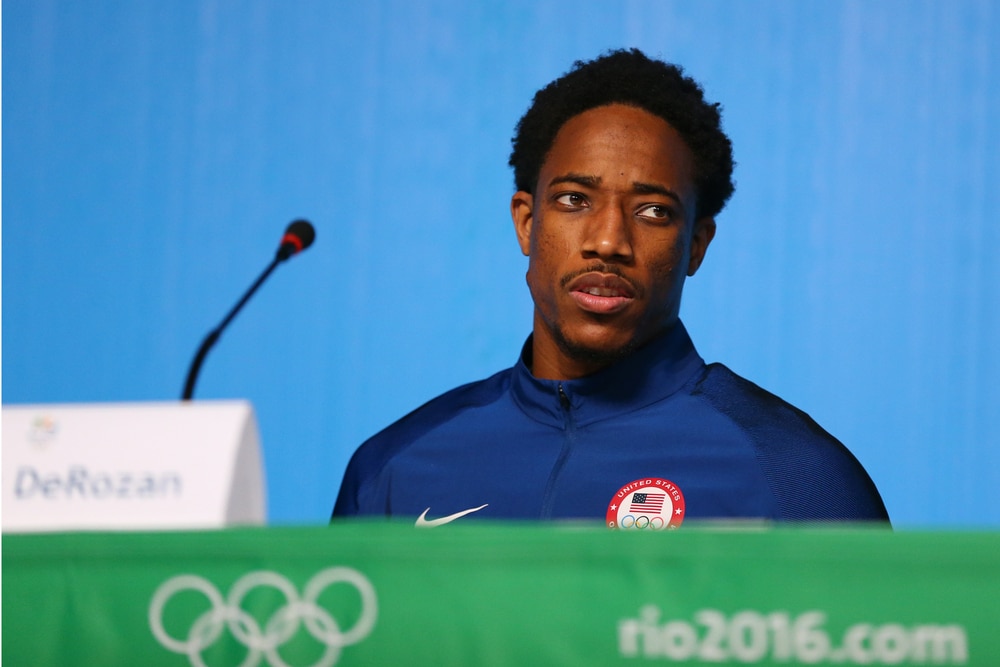
DeMar DeRozan is a forward on the NBA’s Chicago Bulls and the creator of a new digital series, Dinners with DeMar, in which he interviews fellow professional athletes and other celebrities about mental health. The discussions are needed to raise awareness and reduce the stigma of mental illness. USA Today’s Mike Freeman calls it a large and necessary undertaking. “To say this series is groundbreaking would be an understatement. It’s the kind of discussion that can literally save lives,” Freeman wrote. “That’s generally what happens when mental health conversations leave the shadows and the stigma about them are removed.”
A study published earlier this week in Nature Mental Health links the distrust acquired as a result of childhood bullying to mental health challenges in teens, News Medical Life Sciences reports. The study, from researchers at UCLA and the University of Glasgow, included 10,000 youth in the UK who participated in the 20-year Millennium Cohort Study. Researchers believe it’s the first study to confirm how bullying leads to distrust and, in turn, mental health problems in late adolescence.
If you or someone you know is in crisis or experiencing suicidal thoughts, call or text 988 to reach the 988 Suicide & Crisis Lifeline and connect in English or Spanish. If you’re a veteran press 1. If you’re deaf or hard of hearing dial 711, then 988. Services are free and available 24/7.
Recent MindSite News Stories
A San Francisco Program Helps Older People Manage Their Hoarding Behavior – and Stay Housed

Every year, 20 or more elderly San Francisco renters are threatened with eviction because of their hoarding disorder. A unique peer-support program helps them make changes – and keep their apartments. Continue reading…
Help! I Don’t Like My Child

A divorced father can’t figure out why he no longer enjoys his teen daughter’s company. Find out what Dr. Greenberg advises. Continue reading…
The Night Parade: A genre-bending memoir that helps reshape the cultural narrative on bipolar illness and grief
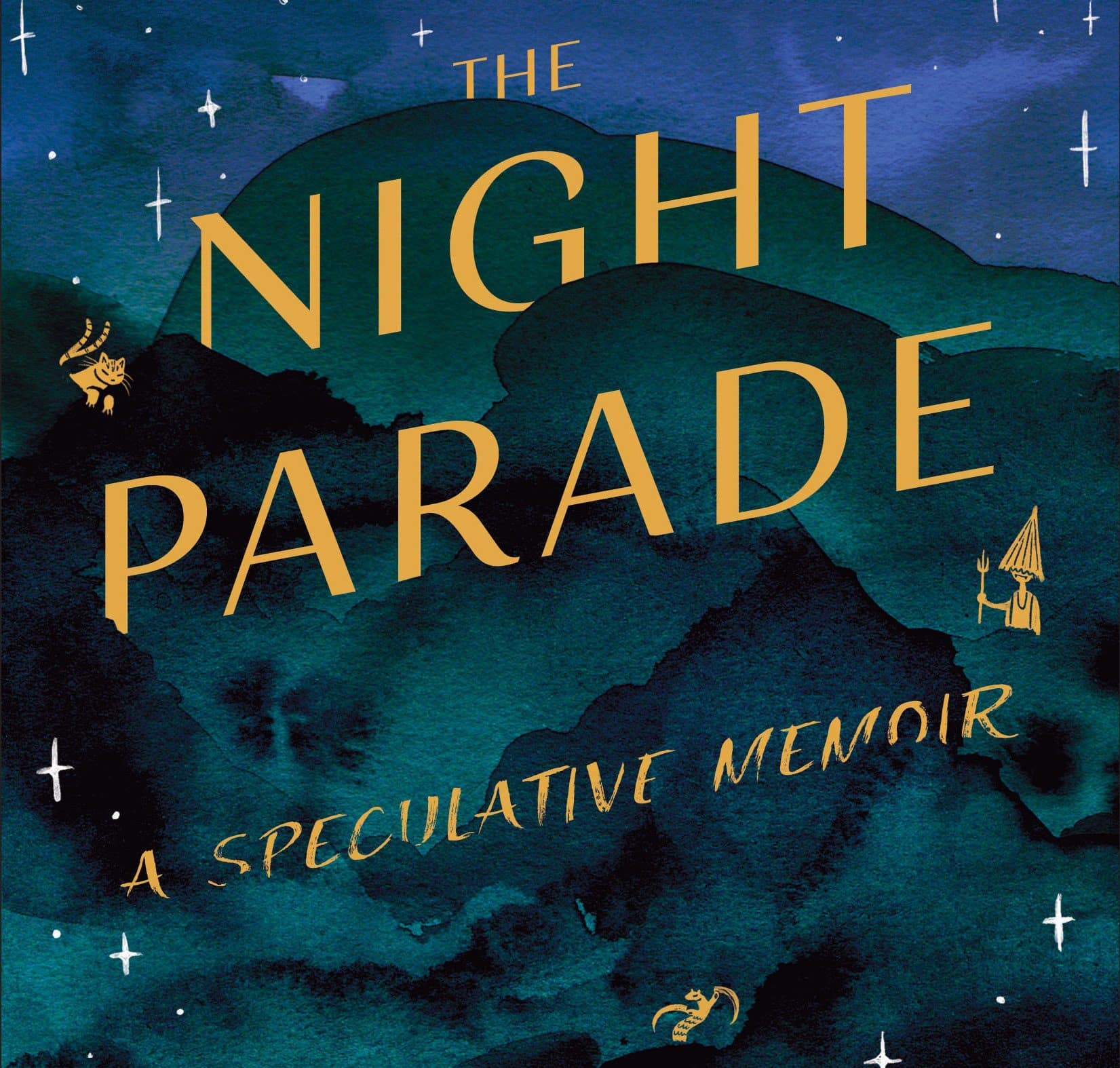
Jami Nakamura Lin has written a rich, exquisitely illustrated memoir that expands the cultural narrative on mental illness and grief. Continue reading…
If you’re not subscribed to MindSite News Daily, click here to sign up.
Support our mission to report on the workings and failings of the
mental health system in America and create a sense of national urgency to transform it.
For more frequent updates, follow us on Facebook, Twitter and Instagram:

The name “MindSite News” is used with the express permission of Mindsight Institute, an educational organization offering online learning and in-person workshops in the field of mental health and wellbeing. MindSite News and Mindsight Institute are separate, unaffiliated entities that are aligned in making science accessible and promoting mental health globally.
Copyright © 2021 MindSite News, All rights reserved.
You are receiving this email because you signed up at our website. Thank you for reading MindSite News.
mindsitenews.org

The name “MindSite News” is used with the express permission of Mindsight Institute, an educational organization offering online learning and in-person workshops in the field of mental health and wellbeing. MindSite News and Mindsight Institute are separate, unaffiliated entities that are aligned in making science accessible and promoting mental health globally.


Author

Related Articles

Family of 6 in ICE Detention for 9 Months ‘Dying on the Inside’
After nine months in Dilley Immigration Processing Center, “we forgot what it feels like to be free,” a recent high school graduate wrote.
Generation Cancer: Millennials Struggle With Death at an Early Age
More young adults are being diagnosed with cancer. Even for those who survive, the experience can be destabilizing and isolating.

Millennials Weigh Having Children On Their Own Terms
Not having children is also a valid path, and one that everyone should consider, Merle Bombardieri argues in her 1981 book.
