
Sleep: an underappreciated mental health fix
Chronic insomnia can exacerbate mental health conditions, but sleep researchers have strategies that help. And a troubled former football player with a history of psychosis dies tragically – while in LA County’s custody.


Tuesday, February 20, 2024
By Courtney Wise

Greetings, MindSite News Readers. In today’s Daily, chronic insomnia can exacerbate mental health conditions, but sleep researchers have strategies that offer help and hope. A pair of physicians discuss the relationship between weight loss drugs and mental health. A troubled former football player dies tragically – while in LA County’s custody. And, to defeat loneliness, try reaching out to some old friends.
Confronting the hazards of sleep deprivation – and what to do about it
My 40-year-old cousin has been in business for himself the past 15 years. Renowned for successfully managing real estate deals that others figure are too much trouble, he and his business partner have built a thriving company together, now employing almost 20 people across two offices in Detroit and a nearby suburb.
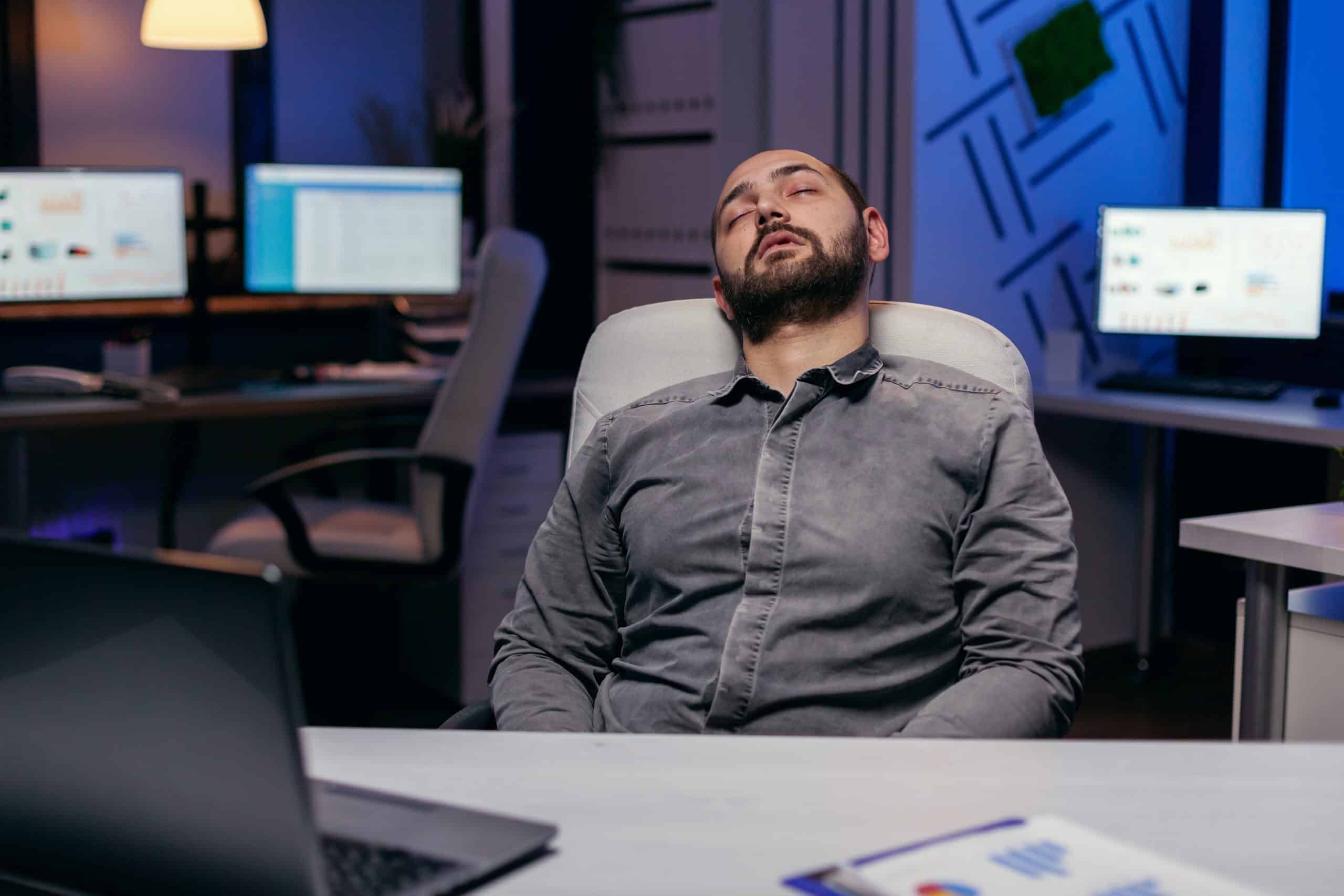
To my mind, it’s time for both of them to delegate more responsibility to their capable team and enjoy the fruits of their labor. But as workaholics, they’ve embraced the rockers’ mantra, “I’ll sleep when I’m dead.” I don’t think they really get the connection between the two. There’s mounting evidence that sleep deprivation weakens the immune system, making people more vulnerable to physical illness. And as the New York Times reported, it also can wreak havoc on mental health.
The Times points to an analysis of 19 studies that found poor sleep makes it difficult to think clearly or perform certain tasks that depend on solid motor functioning. More than anything though, sleep deprivation contributes to mood conditions like anxiety and depression. In fact, half of respondents to a 2022 survey conducted by the National Sleep Foundation who slept less than 7 hours per night reported having depressive symptoms. That’s because poor sleep changes how people experience stress and negative emotions, said sleep researcher Aric Prather. “And for some, this can have a feed-forward effect — feeling bad, ruminating, feeling stressed can bleed into our nights,” he added.
So what can adults do to get the 7 to 9 hours of sleep per night experts recommend? Some suggestions seem pretty simple and not directly connected to sleep. For instance, Prather says keeping your bedroom free of clutter and lowering the temperature in the room can help. The clear space encourages calm while the cooler air nudges your body’s core temperature to drop – as it does naturally while asleep. Set the mood for resting too, by putting smartphones and tablets away an hour or two before bed.
In some cases, insomnia is a side effect of medications intended to treat mood disorders. If you notice that’s your challenge, go to your doctor and let them know. They can adjust your dose or even switch medications, said Ramaswamy Viswanathan, a psychiatrist and the incoming president of the American Psychiatric Association. And if you’re bookish like me, titles like Say Goodnight to Insomnia by Gregg D. Jacobs may help. It teaches readers to reframe their thoughts and ruminations about sleep, using cognitive behavioral techniques for insomnia (CBTI). They helped Emily, a marketing exec suffering from insomnia. She’d begun suffering from worsened anxiety, including panic attacks. Journaling her thoughts helped to shift them. For example: “What if I’m never able to fall asleep again?” became “Your body is made to sleep. If you don’t get enough rest one night, you will eventually.” She still uses the strategies today, nearly 20 years after she first learned them.
Weight loss drugs and mental health – a psychiatrist and endocrinologist examine the relationship
Mental illness and obesity often go hand-in-hand, say physicians Jody Dushay and Karen S. Greenberg. Dushay, an endocrinologist and Greenberg, a psychiatrist, even coordinate care for their shared patients by checking in with each
other (both work at a Harvard teaching hospital in Boston) to ensure that medications each prescribes won’t affect drugs that a patient is already using.
As weight-loss drugs in the GLP-1 family – including semaglutide (Wegovy and Ozempic), liraglutide (Saxenda and Victoza), dulaglutide (Trulicity), and a newer molecule, tirzepatide (Zepbound and Mounjaro) – explode in popularity, the need for such coordination has increased. In an op-ed for STATNews, Dushav and Greenberg write that patients come to each of them with questions, including “Will Wegovy make my depression worse?” and “Can I take Wegovy now that I’ve gained 50 pounds on the antipsychotic?”
On the first question, the drugs come with warnings about a possible risk of increased suicidal thoughts and actions, but the FDA and a group of Canadian researchers have concluded in preliminary reviews that, so far, there’s no evidence of a causal link. Another large, recent study found that the drugs were associated with a decrease in suicidal thinking.
The second question is more complicated. Drugs that treat mental illness – notably antipsychotics – lead to weight gain, and weight gain itself exacerbates mood disorders like anxiety and depression. Some people also overeat to self-medicate mental illness, thereby gaining more weight. Weight loss drugs can positively affect mental health – when they work. People experience less social isolation and increased self-esteem after dropping excess body weight. Emerging evidence even suggests that GLP-1s may reduce depression and substance use disorders and may even improve cognitive function.
Dushay and Greenburg say that clinicians increasingly see GLP-1s as “the only really effective medications for obesity in patients with mental health disorders.” That doesn’t mean, however, that patients taking weight-boosting drugs to treat their mental health conditions can simply switch to GLP-1s without risking a worsening of the mental illness, they add. As I said, it’s complicated. “The arrows connecting obesity and mental illness point in both directions,” Dusahay and Greenberg conclude. “It is easy to overlook these double arrows, but our patients, doubly stigmatized, need our combined areas of expertise to determine the best path forward.”
A mentally ill ex-NFL player died in custody. His grieving family wants to know why
Stanley Wilson, Jr. wasn’t just a football star like his namesake father. Both played professionally in the NFL and, unfortunately, both struggled with serious mental illness. Injury ended the younger Wilson’s professional career after three seasons with the Detroit Lions, while his father, Stanley Wilson, Sr. is perhaps most famous for missing Super Bowl XXIII because of his drug addiction. The elder Wilson finally overcame that addiction and now enjoys a stable home life, but his son will never get the opportunity, the Los Angeles Times reports.
After committing a series of home invasions while naked and in the midst of psychotic breaks, Stanley, Jr. was arrested and taken to LA County’s notorious Twin Towers jail. He was held for five months, then transported on Feb. 2, 2023 from the jail to a state hospital. He died 37 minutes after arriving. His family wants to know why. Two autopsies, one from the county Medical Examiner and another ordered by the family, conclude he died of a pulmonary thromboembolism – the sudden blockage of blood vessels that send blood to the lungs. But what caused the blood clot? Was it the result of an unexpected medical emergency or triggered by excessive force and restraint used against him? The sheriff’s department and the hospital each claim the other was responsible for Wilson at the time of his death. His frustrated parents have filed a $45 million wrongful death suit.
The elder Wilson went through a lot and eventually was able to come to grips with his mental illness and addiction and . He laments that his son never got the same chance. “When I was younger, there were times when I wasn’t receptive to even accepting the fact that I had mental illness,” he said. “Stanley had his moments where he was trying to get help, but he would crawl back into his cavern of darkness. I’m just sad he wasn’t given the chance to come out of that cavern. That was taken from him.”
Feeling lonely? Try reconnecting to friends you already know
Want to maximize your feel-good quotient this year? Enhance your interpersonal relationships, says therapist Emma Nadler, in a column for the Washington Post. It’s advice based partly on the Harvard Study of Adult Development, a study ongoing since 1938 to learn what helps people to live healthier lives filled with meaning, connection, and purpose. Over 85 years, the study has found that those who live the longest and remain the healthiest have strong positive relationships with others. Strong relationships weren’t only deterrents to loneliness, but also heart disease, diabetes, arthritis, and cognitive decline. But how does one build close friendships as an adult? Aren’t people paired up in their closest friendships already?
One way is to reconnect with an old friend, Nadler says. Research shows that people who haven’t heard from you in a long time enjoy getting a text, email, or phone call to see how they’re doing. To really blow them away, send a handwritten letter or record and send a voice memo. It’s a way to reconnect with a strong personal touch, without the added pressure of a real-time phone call.
Once reconnected, invite people to spend time with you. Commit yourself by suggesting a specific time or even an event to attend. Therapist Esther Perel suggests buying two tickets to concerts or museum tours you want to attend so that you can invite someone. You could also take walks or bike rides or work out togther. Then, be fully present: If you’re dining together, put your phone away to fully embrace your time together. And most of all, if the experience is positive, don’t let it be the last time you connect. Fight through what feels like “first date jitters” and make regular time on the calendar to get back in touch. Regular meetups reduce the stress of future planning and leave more time to focus on the joy of the relationship.
In other news…
For astronauts, social isolation is the norm. A typical space mission for NASA astronauts is six months long. But if NASA has its way, the coming decade will see the first missions to Mars – and several people will leave Mother Earth for three years to become the first humans to walk on the Martian surface. One of the biggest psychological challenges will be having no contact with people back home. A new documentary, Space: The Longest Goodbye, looks at how astronauts Kayla Barron, Matthias Maurer, Cady Coleman and others are preparing, with the help of NASA psychologist Al Holland, to handle “extreme isolation that could gravely affect their three-year journey.” Click here for a look at the trailer.
Practice saying no. It’s good for your mental health. People pleasers tend to feel bad about declining invitations or requests for help – often to their own detriment. But in this CBS Mental Health Minute, a Chicago psychiatrist breaks down the benefits of saying no alongside tips on how to start doing it.
If you or someone you know is in crisis or experiencing suicidal thoughts, call or text 988 to reach the 988 Suicide & Crisis Lifeline and connect in English or Spanish. If you’re a veteran press 1. If you’re deaf or hard of hearing dial 711, then 988. Services are free and available 24/7.
Recent MindSite News Stories
A San Francisco Program Helps Elders Manage Their Hoarding Behavior – and Stay Housed

Every year, 20 or more elderly San Francisco renters are threatened with eviction because of their hoarding disorder. A unique peer-support program helps them make changes – and keep their apartments.
The Night Parade: A genre-bending memoir that helps reshape the cultural narrative on bipolar illness and grief
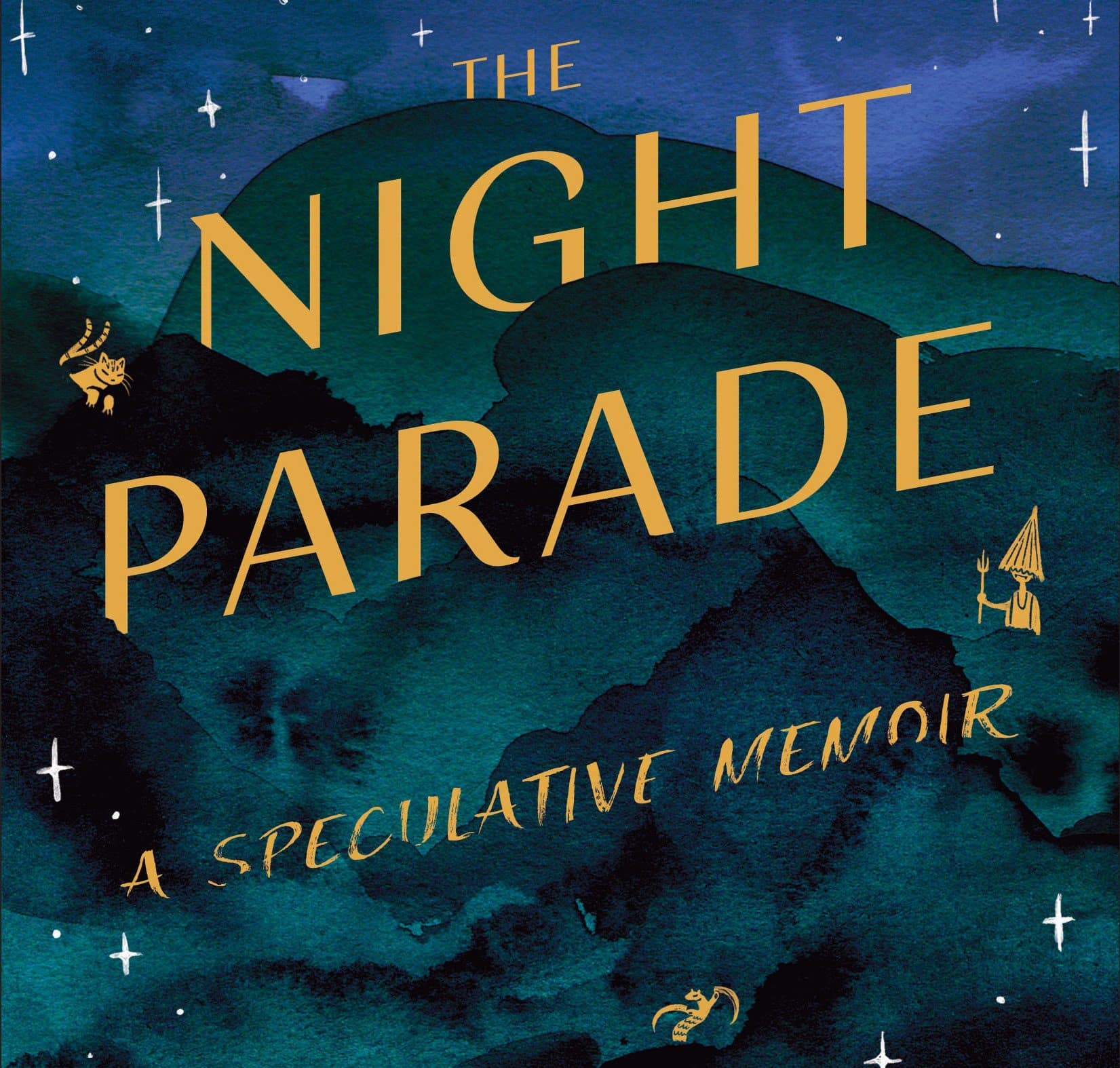
Jami Nakamura Lin has written a rich, exquisitely illustrated memoir that expands the cultural narrative on mental illness and grief.
If you’re not subscribed to MindSite News Daily, click here to sign up.
Support our mission to report on the workings and failings of the
mental health system in America and create a sense of national urgency to transform it.
For more frequent updates, follow us on Facebook, Twitter and Instagram:

The name “MindSite News” is used with the express permission of Mindsight Institute, an educational organization offering online learning and in-person workshops in the field of mental health and wellbeing. MindSite News and Mindsight Institute are separate, unaffiliated entities that are aligned in making science accessible and promoting mental health globally.
Copyright © 2021 MindSite News, All rights reserved.
You are receiving this email because you signed up at our website. Thank you for reading MindSite News.
mindsitenews.org

The name “MindSite News” is used with the express permission of Mindsight Institute, an educational organization offering online learning and in-person workshops in the field of mental health and wellbeing. MindSite News and Mindsight Institute are separate, unaffiliated entities that are aligned in making science accessible and promoting mental health globally.


Author

Related Articles

College Sports Has an Emotional Abuse Problem
Two sisters were recruited from Croatia to play college basketball in the US. They say their coach derided and insulted them – and that there were few safeguards to protect them.

Autism and Alzheimer’s May Be Linked, Study Suggests
New discoveries are pushing researchers to consider that autism and Alzheimer’s may offer insight into the other.

He Almost Killed His Father. Now He Helps Others At Risk.
In today’s newsletter, we explore how one man healed after a dangerous psychotic break that nearly led him to murder.
