
Women Say Being ‘Dismissed’ By Providers Is Not In Their Head
Your troubling symptoms often have a physical cause. In other news, there are more female psychopaths than previously thought, air pollution may contribute to Alzheimer’s,
and more.


February 27, 2024
By Courtney Wise

Greetings, MindSite News Readers. Ever felt gaslit by your physician? It’s an experience many women throughout history have experienced, with doctors claiming their worrisome physical symptoms were due to anxiety, rather than “real” medical issues. Well, Dr. Elizabeth Comen has written a book about it and what folks can do to advocate for themselves.
Plus, new research suggests that female psychopaths are more prevalent than previously thought. A recent study adds to research on the connection between air pollution and Alzheimer’s disease. A California librarian resigns to take care of his mental health, but he’s headed to congress to lobby for library funding. And pop culture icon Wendy Williams sheds some light on aphasia, or brain damage that causes difficulty talking or understanding other people when they talk.
The dismissal women feel at the doctor’s office isn’t “all in (their) head”
It was the patient who apologized on her deathbed that did it, breast cancer specialist Elizabeth Comen told the New York Times. “‘I’m so sorry for sweating on you,’” the woman said as Comen leaned in to say goodbye. “Women apologize for being sick or seeking care or advocating for themselves,” Comen explained: “‘I’m so sorry, but I’m in pain. I’m so sorry, this looks disgusting.’” After reflecting upon 20 years of treating women patients anxious about “bothering” doctors with their ailments, Comen decided to write a book about it. All in Her Head: The Truth and Lies Early Medicine Taught Us About Women’s Bodies and Why It Matters Today, journeys through history to discover that the apologies women offer for their illnesses today are rooted in centuries of dismissal by the medical establishment.
For instance, had Dr. William Osler, one of the founding fathers of modern medicine, been responsible for treating my mother for the shortness of breath and palpitations that indicated her heart attack in 2015, she’d likely be dead. According to him, these symptoms doctors recognize as signs of heart trouble today, would be “pseudo angina,” or false angina, “a collection of neurosis-induced symptoms masquerading as genuine disease” in women, Comen notes in her book. Present-day gender disparities are clear when common heart attack symptoms among women, including jaw and back pain, remain classified as “atypical” for their lack of frequency in men. “The anxious female, the hysterical female, has been a ghost looming and woven through all of medical history,” said Comen. “It’s a default diagnosis.” (Interested readers should check out Witches, Midwives, and Nurses: A History of Women Healers, Complaints and Disorders: The Sexual Politics of Sickness and For Her Own Good, all by Deirdre English and the late Barbara Ehrenreich, for more.)
Besides evidence to support her assertion that “a deeply misogynistic medical system is the disease ” resulting in shame and frustration in women patients during doctor’s visits, Comen provides practical ways for patients to advocate for thorough treatment in her book. The first tip: Know your body and trust that you are the expert on what experience you’re having with it. When you visit the doctor, tell the doctor your true concerns about your body – rather than what you think the doctor wants to hear or can manage. In addition, Comen encourages patients who feel unheard to bring a trusted friend or family member to medical appointments. This person must be willing to listen and speak up on your behalf, if necessary. And finally, if you just don’t like or trust your doctor, get a new one.
Female psychopaths more common than previously thought: Expert
Clive Boddy is a researcher and an expert on workplace bullying whose research focuses on corporate psychopaths. Interestingly, he says that female psychopaths in the workplace and elsewhere are likely far more common than once believed. (My boss says that is not a huge surprise to her.) Estimates claim a 10:1 ratio of male to female psychopaths, but Boddy’s new research, using only the first part of the Levenson self-report psychopathy scale, which helps to identify psychopaths, suggests a ratio close to 2:1. “The behavior of female psychopaths seems to be subtle enough and less obvious than male psychopaths and therefore they’re not recognized as much,” Boddy told The Guardian. Moreover, there haven’t been many studies on female psychopathy.
Psychopaths “lack empathy and guilt, exhibit antisocial behaviour, lie frequently and can be ruthless, narcissistic and manipulative,” the Guardian notes. Rather than express violence overtly like male psychopaths, female psychopaths are more likely to be violent emotionally and verbally — for instance, they might spread rumors and lies throughout a workplace for personal advantage. And working for either female or male psychopaths can be crushing. “[Employees] see the greed, untruthfulness and ruthlessness of those at the top, and this undermines democracy and the rule of law,” he said. Boddy’s work focused on the first part of the Levenson assessment because it measures how emotionally detached, selfish, uncaring and manipulative a person is rather than the second part, which measures one’s violence and antisocial behavior.
It’s important to identify psychopathy in women and men, said Boddy, not least in the workplace where subtle violence could not only harm employees, but damage a corporation’s reputation and bottom line. Boddy wants screening to be applied to job applicants for employee and stakeholder protection. “Especially the higher up you go in terms of seniority – therefore you have more power and control – the more those sorts of screening tests and psychometric tests are needed,” he said.
Air pollution may contribute to the development of Alzheimer’s, study suggests

Particulate matter, or those tiny pieces of dust, dirt and soot found in the air, may contribute to the development of Alzheimer’s disease, according to a study published last week in Neurology. For the study, researchers dissected the brains of 224 Metro Atlanta residents who donated their brains to science before their deaths. They found that people exposed to higher concentrations of fine particulate matter air pollution are more likely to have signs of Alzheimer’s. “This suggests that environmental factors like air pollution could be a contributing factor to Alzheimer’s disease, especially in patients in which the disease cannot be explained by genetics,” lead researcher Anke Huels told the Boston Globe.
Most of the brain donors were college-educated white men, and more than half of the donor brains had the APOE gene, the strongest known genetic risk factor for Alzheimer’s disease. However, researchers found a stronger connection between traffic-related air pollution and signs of Alzheimer’s disease in donors without genetic predisposition. These donors were more often from lower-income neighborhoods housing people of color because, as the article notes, major highways are intentionally built in their communities. “To really reduce air pollution exposures, we need political decisions and changes,” said Huels. “There really isn’t a safe or healthy level of air pollution in general or traffic-related air pollution.”
In other news…
Farewell (for now), Librarian Mychal: Solano Public Library sensation Mychal Threets has resigned from his position, effective Friday, March 1st, KRON 4 News reports. Threets is popular online for his many uplifting, positive videos that also provide helpful tips on how to get the most out of your local library. Before his resignation, Threets shared that he struggles with several mental health conditions, including “anxiety, PTSD, depression, panic disorder and nightmare disorder.” Both posts have since been flooded with encouraging comments and support for his well-being. Threets also added that, though he’s leaving the library for now, he’s soon headed to Congress to advocate for library funding throughout the country. “Funding libraries is funding the community. [It] funds togetherness, unity and makes us better people,” he said.
Pop culture icon Wendy Williams has been diagnosed with aphasia and frontotemporal dementia. What does that mean? The diseases, which also forced actor Bruce Willis into retirement, are disorders of the brain. Frontotemporal dementia, or FTD, is a rare condition in the same category of neurodegenerative diseases as Alzheimer’s and Parkinson’s. It largely affects adults between the ages of 40 and 60. Aphasia is a disorder that makes understanding and producing language difficult. It occurs following damage to the brain tissue responsible for language, most commonly caused by stroke. Unlike dementia, aphasia does not affect cognitive function. To provide further clarity, the Washington Post interviewed medical experts about how the conditions present and progress.
Richard Evans Schultes became fascinated by the legend of teonanácatl as a student at Harvard in the 1930s. He’d only read about the mushrooms in centuries old manuscripts from naturalist researchers and wondered if he could verify if they really existed. Eventually, he made the trek to Mexico, where he was able to see and consume the psychedelic mushrooms himself, later confirmed to be powered by psilocybin. In this exhaustive profile of the scientist for The Globe Magazine, writer Adam Piore also lays out support for continued research on “magic mushrooms” to discover new treatments for hard-to-treat mental illness and neurodegenerative diseases such as Alzheimer’s, Parkinson’s, and ALS.
If you or someone you know is in crisis or experiencing suicidal thoughts, call or text 988 to reach the 988 Suicide & Crisis Lifeline and connect in English or Spanish. If you’re a veteran press 1. If you’re deaf or hard of hearing dial 711, then 988. Services are free and available 24/7.
Recent MindSite News Stories
How psychedelic drug therapy became a rare bipartisan issue in California
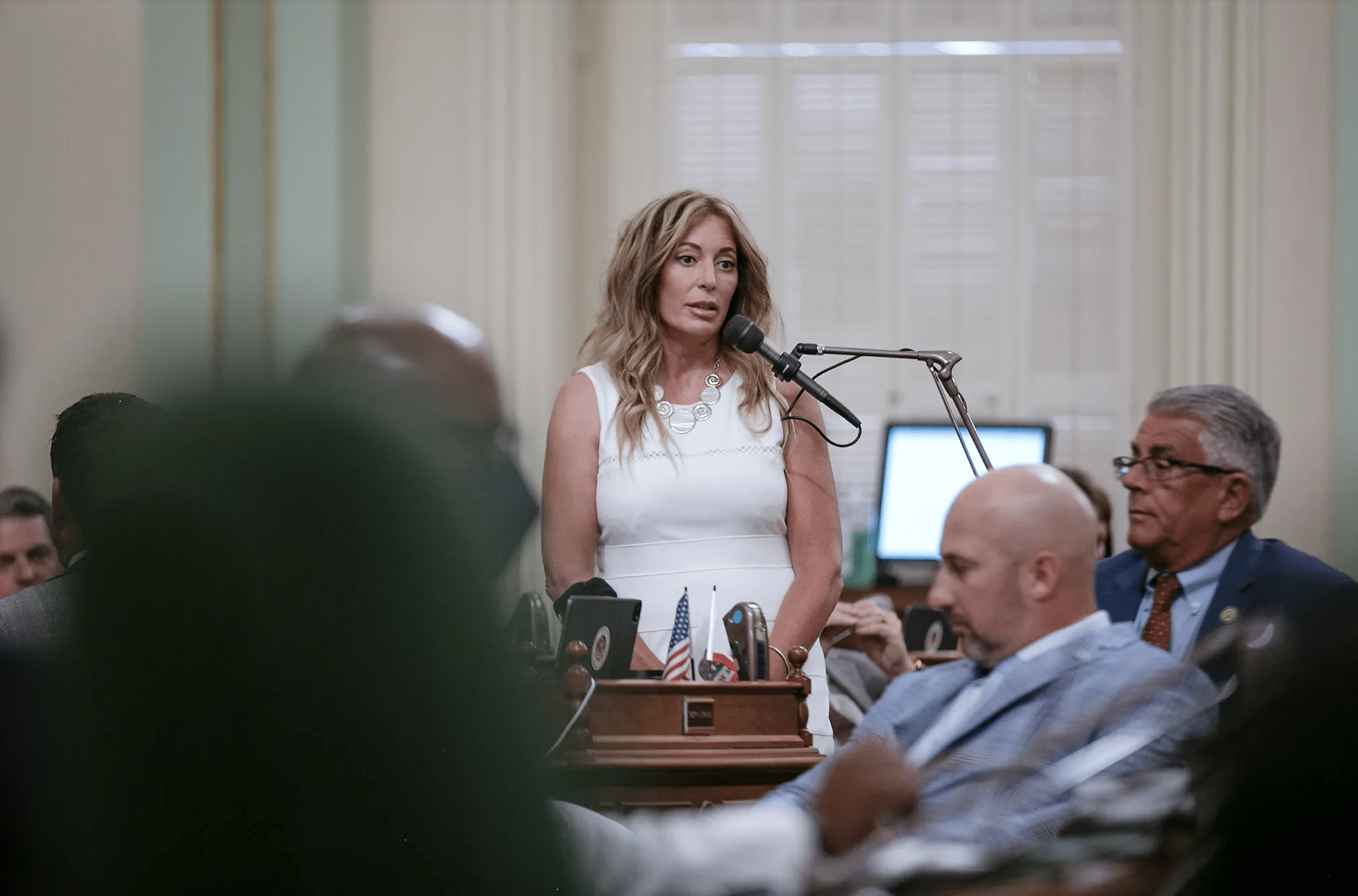
Republican Marie Waldron and Democrat Scott Wiener may seem to have little in common. But they have formed an unlikely partnership on an unusual issue: legalizing psychedelic drugs to treat mental illness. Continue reading…
California Voters Will Decide on Newsom’s Mental Health Overhaul. How Did We Get Here?
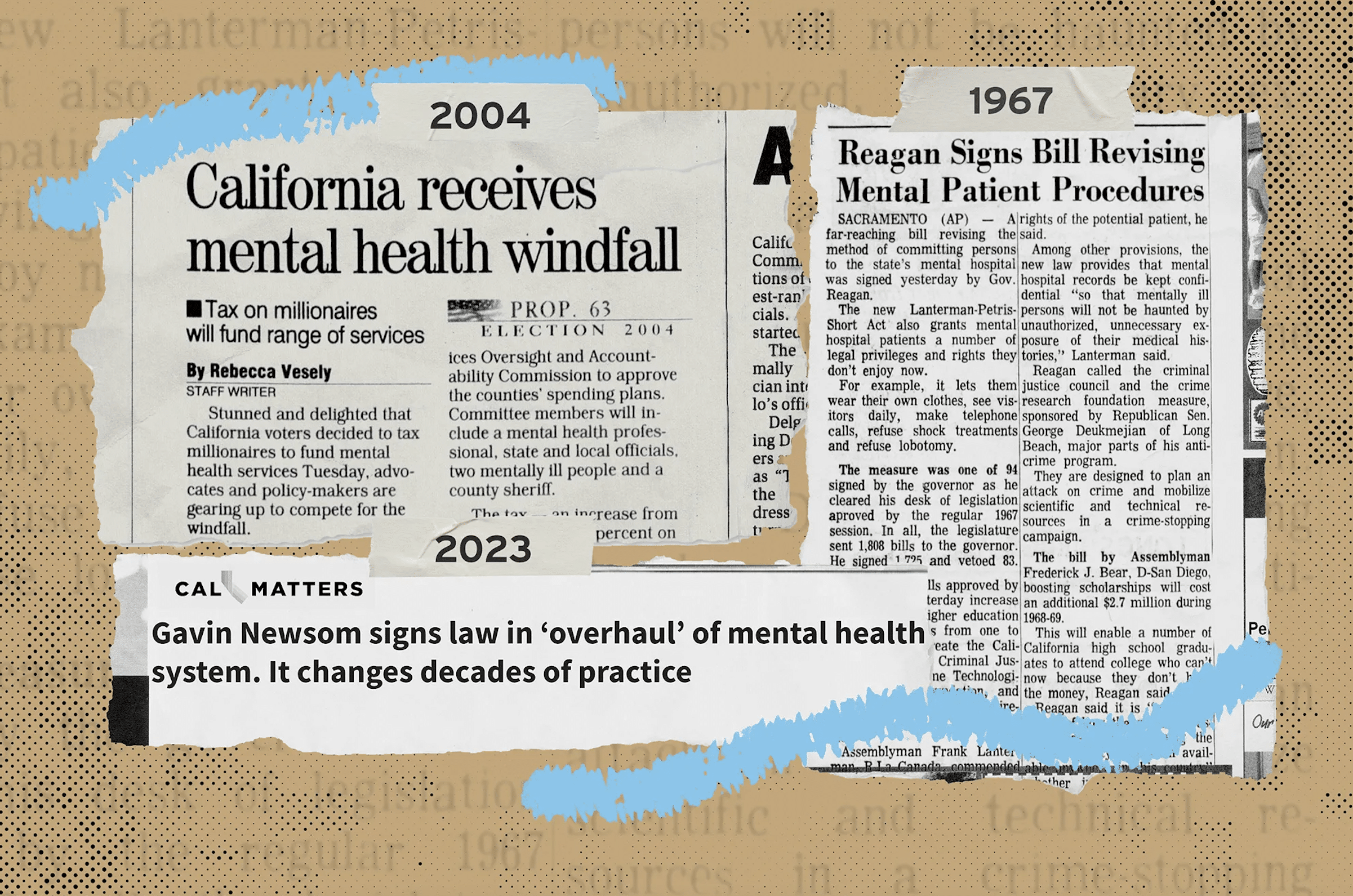
Proposition 1, a March ballot measure in California, is the latest state proposal that aims to make major changes in mental health policy. Here’s a look at some of the others over the past 75 years. Continue reading…
An Initiative Promised 20,000 Homes for Mentally Ill Californians. It Delivered Far Less

Proposition 1, a March ballot measure in California, promises to build 4,350 supportive housing units for homeless people with chronic mental illness. Can it succeed where previous measures fell short? Continue reading…
If you’re not subscribed to MindSite News Daily, click here to sign up.
Support our mission to report on the workings and failings of the
mental health system in America and create a sense of national urgency to transform it.
For more frequent updates, follow us on Facebook, Twitter and Instagram:

The name “MindSite News” is used with the express permission of Mindsight Institute, an educational organization offering online learning and in-person workshops in the field of mental health and wellbeing. MindSite News and Mindsight Institute are separate, unaffiliated entities that are aligned in making science accessible and promoting mental health globally.
Copyright © 2021 MindSite News, All rights reserved.
You are receiving this email because you signed up at our website. Thank you for reading MindSite News.
mindsitenews.org

The name “MindSite News” is used with the express permission of Mindsight Institute, an educational organization offering online learning and in-person workshops in the field of mental health and wellbeing. MindSite News and Mindsight Institute are separate, unaffiliated entities that are aligned in making science accessible and promoting mental health globally.


Author

Related Articles

College Employment Scams Undermine Students’ Mental Health
At UC Berkeley, students have lost thousands to employment scams. Victims said they now experience shame, fear, anxiety and depression.

Family of 6 in ICE Detention for 9 Months ‘Dying on the Inside’
After nine months in Dilley Immigration Processing Center, “we forgot what it feels like to be free,” a recent high school graduate wrote.

Generation Cancer: Millennials Struggle With Death at an Early Age
More young adults are being diagnosed with cancer. Even for those who survive, the experience can be destabilizing and isolating.
