
Rwandans’ Unfathomable Power to Forgive
Thirty years after genocide left up to 800,000 Tutsis dead in Rwanda, 64,000 Rwandans have completed 15 weeks of therapy and some have forgiven their attackers. In other news: helicopter college parents, a gun violence memorial in Philly, mental health reads, and more.


April 11, 2024
By Courtney Wise

Greetings, MindSite News Readers. In today’s Daily, thirty years after the horrifying genocide in Rwanda in which hundreds of thousands of lives were lost, we’re given an astounding glimpse into the power of forgiveness. A psychiatrist implores parents of undergraduates to embrace the major life transition of college with excitement, not worry. And, an 18-year-old Philly native helps honor the lives of residents lost to gun violence.
Plus, Rep. Jamaal Bowman (D-NY) has introduced a bill asking for money for traditionally Black colleges in order to give $10,000 to each school per student matriculating in a relevant mental health program And more.
How forgiveness is helping some Rwandans heal
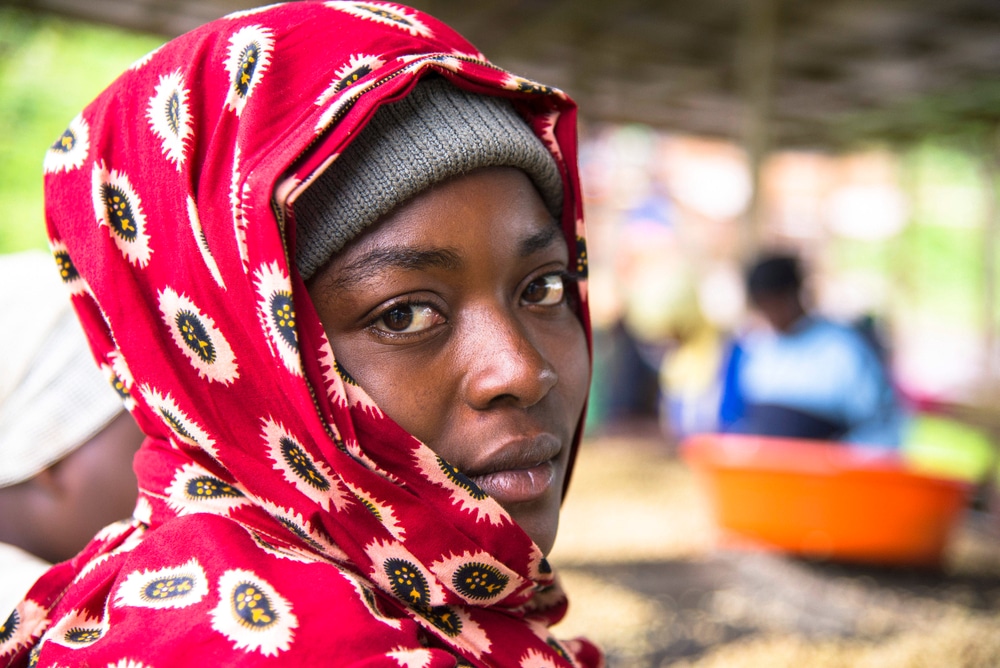
In a remarkable display of resilience and the capacity of the human spirit to heal, more than a dozen survivors of the 1994 Rwandan genocide have forgiven their attackers, and in some cases, befriended them, as seen in a photo essay by The Guardian. It’s almost inconceivable; estimates place 500,000 to 800,000 mostly Tutsi lives snatched away by Hutu extremists in a mere 100 days. But Vedaste Macumu, 70, says he is no longer consumed by anger for the man who killed his wife and all six of their children. “This man destroyed our house back then,” Macumu said, referring to Ildephonoe Mugwaneza, 50, seated next to him. Releasing the rage burning inside over Mugwaneza’s actions helps him just as much, Macumu shared. “He has expressed deep regret. It felt good to feel my scorching anger dissipate. For years, my head was on the verge of exploding.” Each of the perpetrators included in the essay expressed profound regret for their actions and hoped to be forgiven.
Conveying the horror of the events and the struggle for reconciliation is hard to do. As the essay notes, “It wasn’t strangers who killed or mutilated, but neighbors and acquaintances. Perpetrators and victims spoke the same language and shared the same Christian religion and culture.” It’s hard to heal when forgiveness has to be freely given and people feel such terrible pain in the present. Sometimes, just remembering such horror is a trauma all its own.
Still, the government of Rwanda has sought healing and reconciliation for 25 years now. It declares all citizens, Hutu and Tutsi alike, Rwandan. Unity is the goal. But a mere declaration isn’t enough for change. There has to be some tangible support to guide people through the work of forgiveness. In this case, 64,000 Rwandans completed 15 weeks of three-hour specialized therapy sessions. Inspired by an approach developed by Dutch sociotherapist Cora Dekker, the strategy is called Mvura Nkuvure, meaning, “I heal you, you heal me.”
Parents: Your college student is fine. It’s you who need help.

I’ve a handful of professor friends, most of whom teach undergraduates. Their worst students, they say, aren’t the students at all, but rather the students’ parents. Emails stream in with demands for updates on students’ grades. They request special exceptions for students who need none. And now, adds psychiatrist Mathilde Ross, in a guest column for the New York Times, some even call university counseling centers to report their students’ anxiety. She knows, having worked the past 16 years in Boston University Health Services.
It might be okay if their students were in a crisis, but it’s perfectly normal to feel anxious while living far away from home for the first time. It’s a major life transition, Ross explained. Most students adjust within a few weeks. But plenty of parents are struggling, she continued. “Today’s parents are suffering from anxiety about anxiety, which is actually much more serious than anxiety. It’s self-fulfilling and not easily soothed by logic or evidence, such as the knowledge that most everyone adjusts to college just fine…Anxiety about anxiety has gotten so bad that some parents actually worry if their student isn’t anxious,” she wrote.
Left unchecked, parental anxiety can cause harm to the student’s wellbeing and the relationship they share with their child. As such, Ross has some advice for the worried warriors: “Get a grip.” Expounding further, she encouraged parents on the receiving end of stressed calls from their young adults to simply listen. “It’s the entire basis of my profession,” she said. Reminding students of their own power to create college success is helpful too. Completing assigned readings, attending class, and getting a full night’s rest are great ways to alleviate college stress and develop self-reliance.
None of this is to say that parents should send their young ones off to college without any concern. Suicide is now the second most common cause of death among college-age youth, and experts recommend that parents sign these crucial forms to have access to their students’ health information. But Ross argues that the “current obsession with mental health awareness is disempowering parents from helping their adult children handle ordinary things.” Stress alone doesn’t indicate a serious matter. Sometimes, it’s a bump in the road that parents have to watch their children navigate on their own. For bonus parenting points with the child, throw in some tales of your own success in similar situations, Ross said. After all, it’s the beginning of their adult relationship with you. Let yourself enjoy it.
PhillyAngelsss began as a memorial for Philly citizens lost to gun violence. Things changed when the creator’s brother was shot and killed.
Three years ago, at age 15, Philadelphia native Kameenah Bronzell created the Instagram account PhillyAngelsss [sic] to memorialize Philadelphians lost to gun violence. Her intent was to create an online community for residents to mourn and remember every victim’s humanity. Local news media didn’t do that part so well, Bronzell said. Stories focused too much on how people died rather than how they lived. “I wanted people to know who they were as a person,” she told the Philadelphia Inquirer. Her posts feature photos and videos submitted by families and friends of the deceased, placing what will most be missed of their lives on display. Comments flood every post with love and memory. “I cry sometimes reading the comments, but it makes me kind of happy to know they have a safe place to talk, to come on a page and share how they feel,” Bronzell said. “They” were who she made the page for, until her own brother was shot to death last June.
Her older brother Kasif is the one she’s closest to, Bronzell said. Older by more than a decade, she turned to him to keep her secrets and give her advice. He’d gotten caught up in some long-standing neighborhood feuds a few years back, she said, but after surviving being shot at, he made some swift changes. In addition to caring for his elderly grandfather full-time, Kasif was committed to his faith and loved to garden, Bronzell said. His death felt like the last blow she could take.
She’d already struggled through pandemic high school and her mother’s death just weeks before Kasif was killed. He was her lifeline. “I was like, oh my God, I don’t want to do this anymore,” she said. “People don’t know who I am or what I’m going through.” And few did know who Bronzell was despite PhillyAngelsss’ large following. Bronzell hid her identity as its operator to leave space for others (and protect her own safety). Now, it’s a platform for shared grief. It’s also the only public place to honor Kasif. His killing wasn’t covered by the local news, but he lives on in PhillyAngelsss and his beloved sister.
In other news…
Your (or your teen’s) next favorite read: I picked this book up the last time I was in the library, solely because of its cover. Rushing out, I didn’t even realize it features stories about mental health. Thank goodness for serendipity is what I have to say about that. Thus far, Ab(solutely) Normal: Short Stories That Smash Mental Health Stereotypes lives up to the hype of reviews that call it a subversive, yet uplifting collection of fiction from a diverse collection of authors.
Earlier this week, Rep. Jamaal Bowman (D-NY) introduced a bill to provide grants to historically Black colleges and universities, tribal colleges and universities, and other minority-serving institutions to create, expand or improve graduate-level programs in mental health fields. The legislation was inspired by advisories from US Surgeon General Vivek Murthy that declared loneliness and youth mental health of great public concern.
Bowman’s bill, backed by the American Psychological Association, the American Federation of Teachers and others, would provide $10,000 to each school per student matriculating in a relevant mental health program. “There’s a mental health crisis in our country amongst our children, and we need all hands on deck and additional resources to respond,” Bowman told ABC News. “That crisis disproportionately impacts Black or Latino kids, and that’s why we need to invest in these institutions.”
If you or someone you know is in crisis or experiencing suicidal thoughts, call or text 988 to reach the 988 Suicide & Crisis Lifeline and connect in English or Spanish. If you’re a veteran press 1. If you’re deaf or hard of hearing dial 711, then 988. Services are free and available 24/7.
Recent MindSite News Stories
Hidden Deaths in San Francisco: Overdoses Among Mayan Immigrants Highlight Urgent Need for Culturally Competent Services
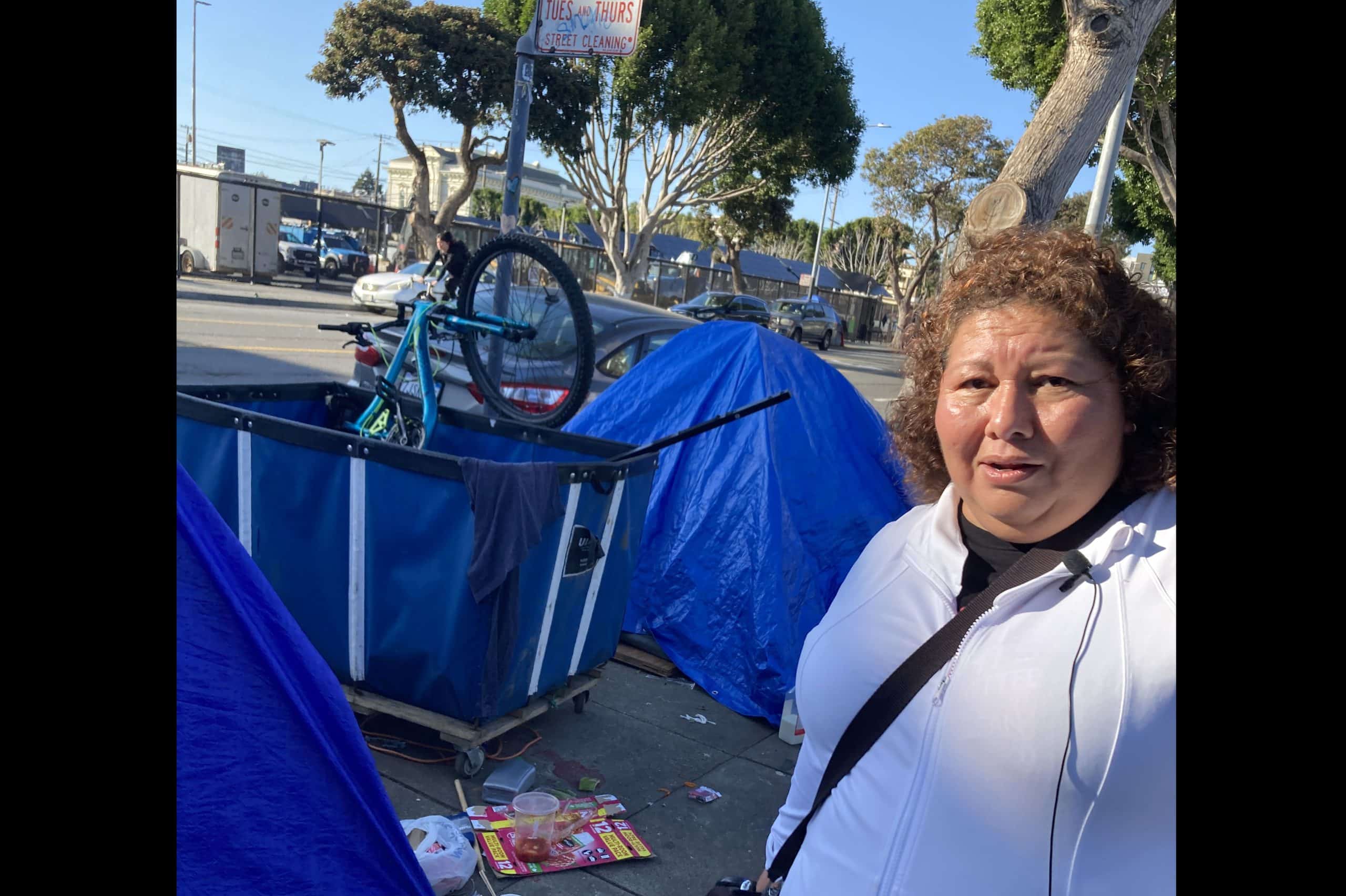
For generations, indigenous Mayans from Mexico’s Yucatan peninsula have been immigrating to San Francisco. Many speak indigenous Mayan languages, not Spanish, and officials stress the need for culturally competent services to help prevent the overdoses now occurring in the population. Continue reading…
Spending Packages Signed into Law Will Keep Federal Mental Health Funding at Historic Levels
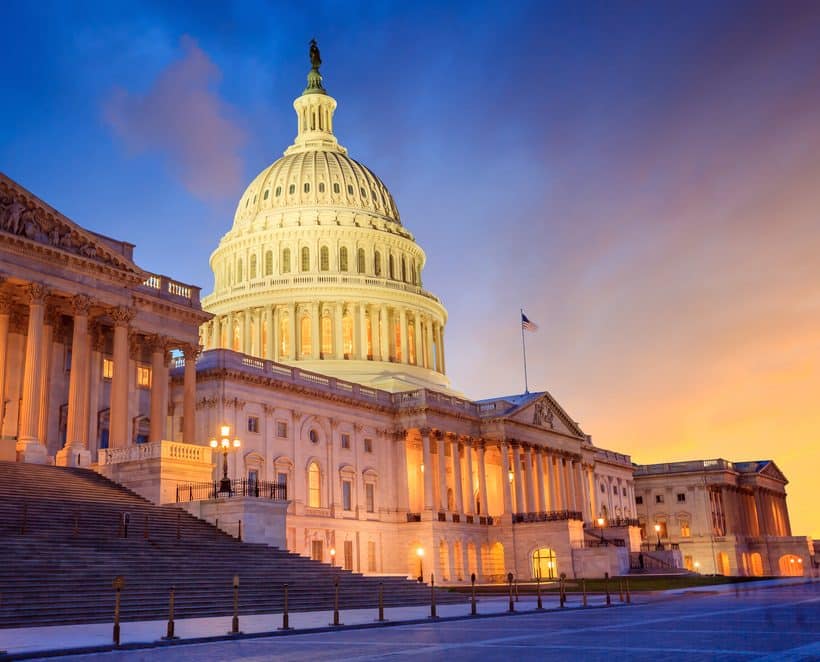
Last month, Congress escaped from gridlock to approve two spending bills that kept the government open while maintaining high levels of mental health funding. The Congressional action shows that mental health continues to command uniquely strong bipartisan support. Continue reading…
Michael Johnson Spent 3 Years in Solitary and Was About to Give Up on Life. Then He Got a Letter from his Daughter
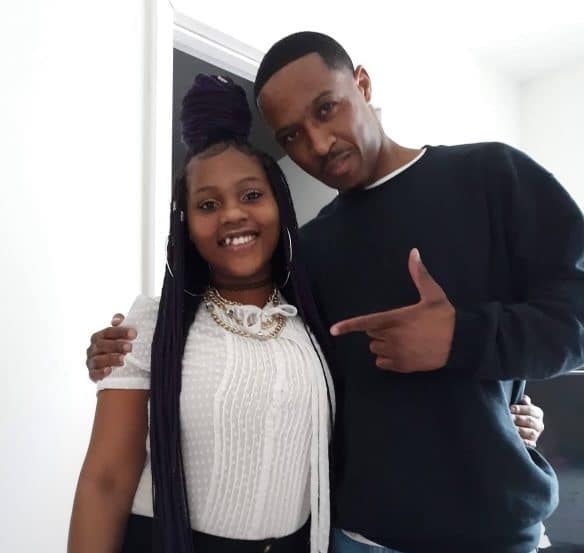
He took his case, arguing that extended solitary confinement was cruel and unusual, all the way to the Supreme Court – and lost. Today he’s out of prison working to rebuild his life. Continue reading…
If you’re not subscribed to MindSite News Daily, click here to sign up.
Support our mission to report on the workings and failings of the
mental health system in America and create a sense of national urgency to transform it.
For more frequent updates, follow us on Facebook, Twitter and Instagram:

The name “MindSite News” is used with the express permission of Mindsight Institute, an educational organization offering online learning and in-person workshops in the field of mental health and wellbeing. MindSite News and Mindsight Institute are separate, unaffiliated entities that are aligned in making science accessible and promoting mental health globally.
Copyright © 2021 MindSite News, All rights reserved.
You are receiving this email because you signed up at our website. Thank you for reading MindSite News.
mindsitenews.org

The name “MindSite News” is used with the express permission of Mindsight Institute, an educational organization offering online learning and in-person workshops in the field of mental health and wellbeing. MindSite News and Mindsight Institute are separate, unaffiliated entities that are aligned in making science accessible and promoting mental health globally.


Author

Related Articles

College Employment Scams Undermine Students’ Mental Health
At UC Berkeley, students have lost thousands to employment scams. Victims said they now experience shame, fear, anxiety and depression.
Family of 6 in ICE Detention for 9 Months ‘Dying on the Inside’
After nine months in Dilley Immigration Processing Center, “we forgot what it feels like to be free,” a recent high school graduate wrote.
Generation Cancer: Millennials Struggle With Death at an Early Age
More young adults are being diagnosed with cancer. Even for those who survive, the experience can be destabilizing and isolating.
