
Is Social Media Really Mental Health’s Public Enemy No. 1?
Social media gets a lot of blame for kids’ poor mental health – including in Jonathan Haidt’s new book. Does the evidence support the contention? And two big reasons it’s hard to find a therapist.


Monday April 15, 2024
By Don Sapatkin

Good Monday Morning! Forbes reports on “3 Offensive Mental Health-Related Terms That Shouldn’t Be Used In The Workplace” – two of which I’ve never heard (“Menty B” and “Grippy Sock Vacation”) but will agree are repugnant, and a third (“Junkie”) that most certainly is.
In today’s Daily: Don’t believe everything you hear (or read) about smartphones, social media and mental health. Two big reasons it’s hard to find a therapist: They’re overwhelmed by insurers’ paperwork and many just take private-pay. Stopping your antidepressant is best done v e r y s l o w l y. Empathy beats opioids for treating lower back pain. Why are men randomly punching women on the streets of New York? And more.
The case against Haidt: Are smartphones and social media THE cause of kids’ poor mental health?
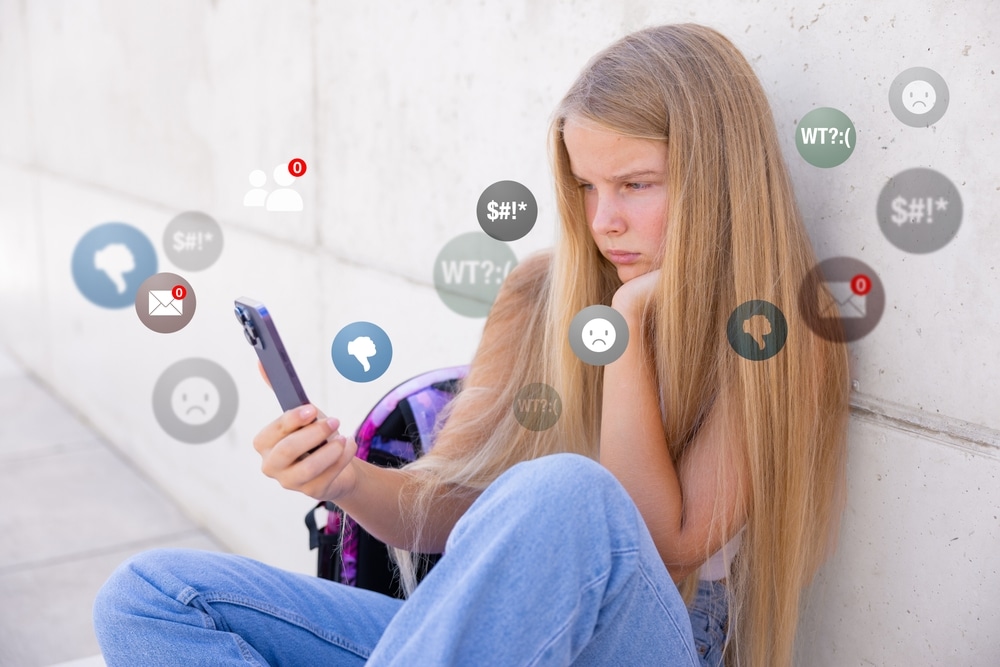
Jonathan Haidt’s new book, “The Anxious Generation: How the Great Rewiring of Childhood Is Causing an Epidemic of Mental Illness,” is all the rage, not to mention a No. 1 bestseller. Smartphones unleashed a “surge of suffering” that has engulfed teens throughout the West. We already knew that social media is addictive, and smartphones are like round-the-clock Instagram magnifying glasses. Haidt, a social psychologist, simply proved that it’s Youth Public Enemy No. 1. Except he didn’t, according to a balanced and comprehensive story in Vox that examines his evidence, piece by piece, and concludes that it doesn’t come close to proving anything. Note that there’s a lot of nuance and (very readable) detail in this case that cannot fit in a newsletter item, so the full story is worth reading.
First, Haidt’s case: Correlation: Young people’s mental health, especially among girls, has plummeted in wealthy countries over the last 14 years, which roughly coincides with the period that most households have owned a smartphone; lots of research has shown this in various ways. Causation: Studies have found that when young people are told to abstain from social media, their mental wellbeing improves, and vice-versa. Indirect support: Studies have found that when high-speed internet, which improves social media access, arrives in communities, their teens’ psychological wellbeing declines. Girls: They are more vulnerable to social media’s harms and have registered a larger increase in mental health problems since 2012 than boys – empirical evidence that Haidt ties to a theory of how smartphones and social media undermine teenagers’ mental health.
The case against Haidt’s case: What holds the theory of “The Anxious Generation” together is that it applies worldwide, or at least in all of the West. But dissenters say it is not, in fact, clear that teens’ mental health has taken a nose-dive worldwide: Suicide rates are the most reliable measure of mental health trends, and while they have risen sharply in the United States, teen suicide rates have declined just as sharply in many European countries over the same period. A worldwide change in diagnostic codes in 2015 led to spikes in mental health problems recorded by hospitals that had nothing to do with smartphones. Multiple international surveys of young people’s well-being and life satisfaction since 2012 have not detected a clear decline. Perhaps most significantly – and a reason that the theory focused on the West – Haidt’s own preferred international survey shows no rise in adolescent distress in Asia, the world’s most populous region, where children in many countries are prolific users of social media.
Haidt’s critics also say that he cherry-picked the studies showing correlations between rising adolescent screen time and declining mental health, and even the ones he used show a weak association that would account for just 15% of the variation in mental health among teens. The studies that he cites showing causation are plagued by problems in methodology, and a soon-to-be published review of a key one will show that there is no evidence for a causal effect of social media use on mental health. And the indirect support (what Haidt calls “natural experiments”) from studies in five communities around the world that showed a decline in teens’ mental health when broadband internet came to town are contradicted by a more recently published 19-year study in 202 countries.
The upshot: Vox reporter Eric Levitz, who points out that he is not a scientist, concludes that smartphones are bad – just not nearly as bad as Haidt argues in his book. “In my view, ‘It is not healthy for kids to spend five hours a day staring at social media feeds that invite negative social comparisons, reward pile-ons, and induce addiction by design’ strikes me as a pretty reasonable default assumption – not least because I probably spend about that much time staring at X (formerly Twitter) daily and surely suffer mentally as a result,” Levitz writes.
Two big reasons you can’t find a therapist: They face a massive paperwork burden, and many only take self-paying clients
The gap between demand for mental health services and supply of mental health clinicians is large and increasing, even among people with private insurance and especially among those with public insurance. A key reason is multiple disincentives for practitioners to join insurers’ networks: low reimbursement rates and no problem finding private-pay clients, the complexity of psychotherapeutic treatments, and insufficient workplace supports. Yet one major factor is often overlooked, Jane M. Zhu and Matthew Eisenberg argue in a reported commentary in JAMA Health Forum: “The hefty burden of administrative barriers facing mental health professionals.”
Zhu, a primary care physician and associate professor of medicine at Oregon Health & Science University who studies behavioral health services’ access and quality, and Eisenberg, a health economist at Johns Hopkins who directs the Bloomberg School of Public Health’s Center for Mental Health and Addiction Policy, make a strong case: In simple terms, no other health professionals face such complex billing issues with so little support. While other specialists face similar administrative burdens, most mental health clinicians work in solo or small practices and don’t have the support provided by large practices and health systems, especially given the huge number of denied claims and the subsequent task of resubmitting them. Complex coding and billing limitations that vary from one insurer to another, arcane rules and training requirements for clients with dual mental health and substance use disorders, months-long credentialing and contracting processes for new practitioners – the list of obstacles goes on and on.
They also offer multiple, comparatively quick solutions to ease these burdens including state and federal partnerships to minimize administrative repetitions and delays, standardized contracting requirements and simplified claims processes from the Centers for Medicare & Medicaid Services and efficiencies that private insurance companies could implement. One example: an Optum Behavioral Health program that allows mental health professionals to be added to the network within seven to 10 days in exchange for initial appointment openings within five days of joining.
An accompanying editorial by policy experts from Harvard and the University of Pittsburgh focuses on the inequities created by the cash-paying market for psychiatrists (nearly half of whom do not take insurance) and other mental health clinicians. In 2021, 52% of white adults with mental illness received at least some treatment, compared with 39% of Black, 36% of Hispanic, and 25% of Asian adults. Access to services in Medicaid, which has lower reimbursement rates, is particularly limited. Psychiatrists are more than twice as likely to accept new self-pay patients than they are to accept new Medicaid patients.
The authors offer several solutions that would make a dent in the problem. But pay is crucial. The most effective changes would require policymakers to create a level playing field – a big lift, as they note: “For ease of illustration – if mental and behavioral health care is 10% of total health care spending – doubling insured prices for mental and behavioral health care (without any volume response) means a 10% increase in total health care spending. That is a lot. Even then, the private-pay market might still win.”
How (not) to stop antidepressants
Talk with your doctor about feeling depressed and he or she is likely to suggest starting on antidepressants. Far less likely: a discussion about how to stop. Plus, when you do want to stop, few physicians focus much on the debilitating withdrawal symptoms, physical and psychological, that “are more prevalent and life-altering than is generally appreciated,” writes Meryl Davids Landau, a frequent MindSite News contributor, in a story for National Geographic. Her story cites a study of people with post-withdrawal symptoms – agitation, brain fog, heart palpitations, tinnitus, burning or electric sensations, and dozens of others – that found they impaired their ability to work, with 20% losing jobs and 25% saying their personal relationships were affected.
Doctors do advise weaning. The American Psychiatric Association recommends stopping the drugs after reducing the dosage over a period of at least several weeks. That’s far shorter than updated guidance in the U.K., which recommends that users who recently started reduce their dose by 50% every two to four weeks, stopping entirely only after weeks on a low dose.
Roughly 13% of Americans are currently taking antidepressants and many have been on them for years. People taking them for a year or more seem to have more prevalent and severe withdrawal problems, one study found, and their brains require longer adjustment periods, like the challenges long-term drinkers have reorienting their brain to the absence of alcohol.
With SSRIs, the most widely used type of antidepressant, stopping the final, lowest dose is the hardest, because 80% of their activity happens at the lowest doses. A new book, “The Maudsley Deprescribing Guidelines: Antidepressants, Benzodiazepines, Gabapentinoids and Z-Drugs,” recommends lowering your dosage by 5% to 10% at a time, then waiting a month for the next reduction. Helpful information can be found from online support groups like Surviving Antidepressants.
In other news…
Physicians who show empathy are far more effective in treating lower back pain, Stat reports, citing a JAMA Network Open study that extended previous findings of short-term benefits to 12 months. In fact, researchers found that treatment by a “very empathic” physician compared with a “slightly empathic” physician was associated with positive outcomes greater than those associated with opioids, lumbar spine surgery, and nonpharmacological treatments like cognitive behavioral therapy, yoga, exercise therapy, massage therapy, spinal manipulation, and acupuncture.
About 25% of people on Medicaid say they were disenrolled at some point during the unwinding of Medicaid that began a year ago, and 23% of those remain uninsured, according to a Kaiser Family Foundation survey covered by the Politico Pulse newsletter. The pandemic public health emergency, which required continuous coverage and forbid states from requiring people to prove their ongoing eligibility, ended in March 2023. Since then, more than 20 million people were disenrolled from Medicaid, a major source of mental health coverage, according to KFF. Nearly 5 million children lost coverage, according to Georgetown University’s Center for Children and Families.
Psychedelics could worsen mental health in people with a personality disorder, The Conversation reported, while also making clear that the research on which the story was based had multiple flaws. The study, in the Journal of Psychopharmacology, relied on data from people who used psychedelics for both recreational and therapeutic reasons, measuring participants’ mental well-being before and after. It found that 16% of all participants reported an overall negative response, but a significant portion of those negative experiences – 31% – were reported by people with a history of personality disorders. But the study’s reliance on self-reported data, the small number of participants (807) and high dropout rate (56%) could have skewed the results. Plus, there was no control group and the types and dosages of psychedelics varied.
“Sexism, Hate, Mental Illness: Why Are Men Randomly Punching Women?” was the hard-to-ignore headline on a New York Times column about unprovoked attacks posted on TikTok. They seemed questionable – especially when the accuser was an influencer with over a million followers, tousled blond hair, long nails and was laugh-crying on view in one of the most watched videos. But then the City Council’s Women’s Caucus issued a statement confirming that the reports were not a hoax but instead part of “an alarming trend in violence against women.” Fourteen women have reported getting punched out of nowhere by strangers since mid-March, police and city officials said, leading to two arrests. Street conversations about the attacks have centered on mental illness, but the offenses seem to have their roots in hatred of women, according to the Times.
If you or someone you know is in crisis or experiencing suicidal thoughts, call or text 988 to reach the 988 Suicide & Crisis Lifeline and connect in English or Spanish. If you’re a veteran press 1. If you’re deaf or hard of hearing dial 711, then 988. Services are free and available 24/7.
Recent MindSite News Stories
Only Two Percent of Psychiatrists are Black, Leading Some to Creative Solutions to Fill the Void

There aren’t enough Black psychiatrists to meet growing demand. Some are finding innovative ways to provide more culturally competent care. Continue reading…
Hidden Deaths in San Francisco: Overdoses Among Mayan Immigrants Highlight Urgent Need for Culturally Competent Services
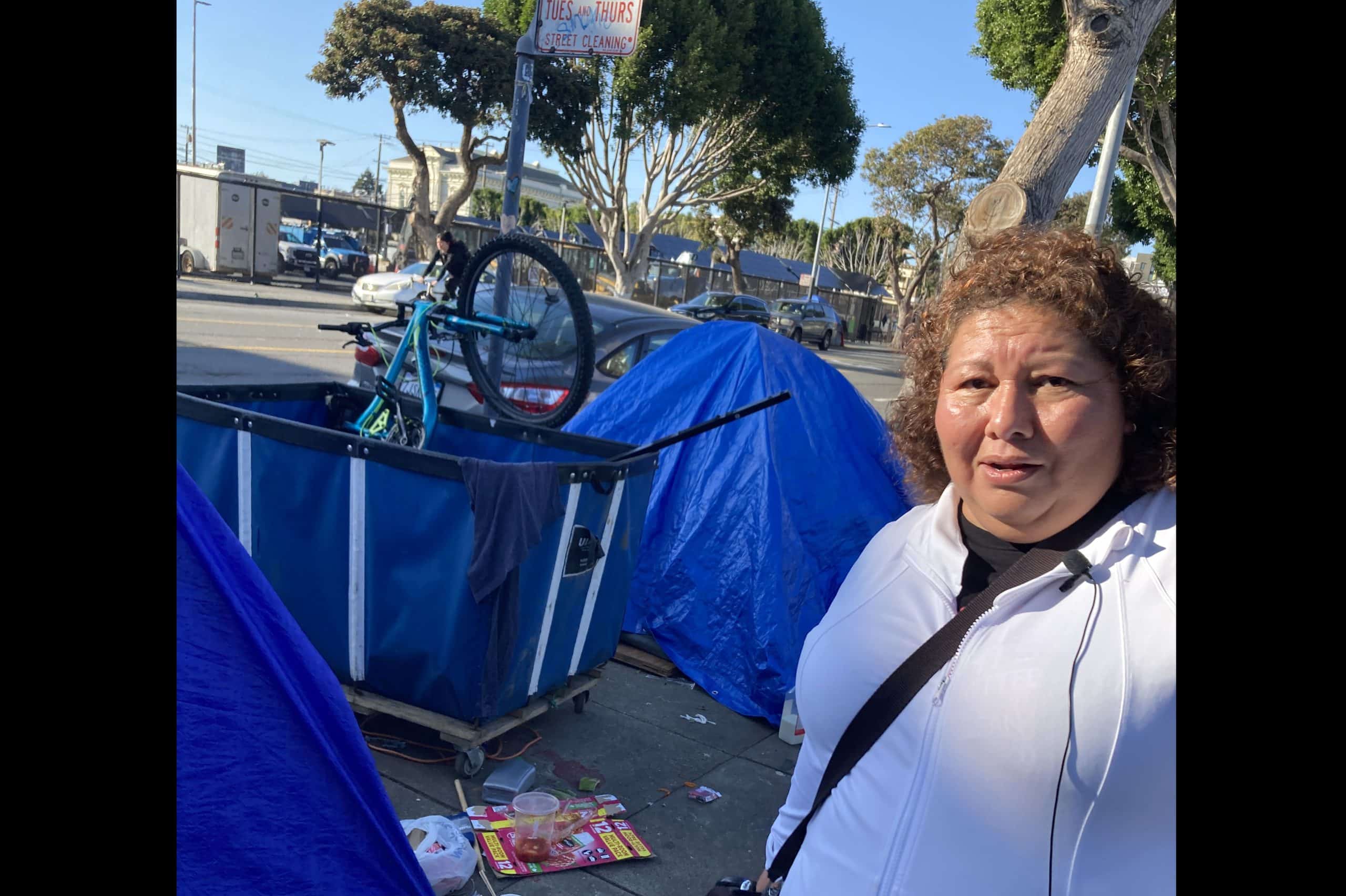
For generations, indigenous Mayans from Mexico’s Yucatan peninsula have been immigrating to San Francisco. Although there has never been an official count, estimates suggest that as many as 70,000 live in the area. Many speak indigenous Mayan languages, creating barriers to service and getting information. Continue reading…
Spending Packages Signed into Law Will Keep Federal Mental Health Funding at Historic Levels

Last month, Congress escaped from gridlock to approve two spending bills that kept the government open while maintaining high levels of mental health funding. The Congressional action shows that mental health continues to command uniquely strong bipartisan support. Continue reading…
If you’re not subscribed to MindSite News Daily, click here to sign up.
Support our mission to report on the workings and failings of the
mental health system in America and create a sense of national urgency to transform it.
For more frequent updates, follow us on Facebook, Twitter and Instagram:

The name “MindSite News” is used with the express permission of Mindsight Institute, an educational organization offering online learning and in-person workshops in the field of mental health and wellbeing. MindSite News and Mindsight Institute are separate, unaffiliated entities that are aligned in making science accessible and promoting mental health globally.
Copyright © 2021 MindSite News, All rights reserved.
You are receiving this email because you signed up at our website. Thank you for reading MindSite News.
mindsitenews.org

The name “MindSite News” is used with the express permission of Mindsight Institute, an educational organization offering online learning and in-person workshops in the field of mental health and wellbeing. MindSite News and Mindsight Institute are separate, unaffiliated entities that are aligned in making science accessible and promoting mental health globally.


Author

Related Articles

College Employment Scams Undermine Students’ Mental Health
At UC Berkeley, students have lost thousands to employment scams. Victims said they now experience shame, fear, anxiety and depression.
Family of 6 in ICE Detention for 9 Months ‘Dying on the Inside’
After nine months in Dilley Immigration Processing Center, “we forgot what it feels like to be free,” a recent high school graduate wrote.
Generation Cancer: Millennials Struggle With Death at an Early Age
More young adults are being diagnosed with cancer. Even for those who survive, the experience can be destabilizing and isolating.
