
A Police Killing Traumatizes a Chicago Neighborhood
Black residents of Chicago’s West Side are disproportionately stopped by police for alleged violations. Sometimes these stops turn deadly – as one did last month for Dexter Reed, who was killed in a hail of 96 bullets. The neighborhood was left in trauma.

Friday April 26, 2024
By Josh McGhee

Happy Friday MindSiters,
I’m back in Chicago, just in time for some spring heat – and to share with you this story, produced in partnership with WBEZ and the Investigative Project on Race and Equity, on the mental health of residents of Chicago’s West Side after the killing of a young man named Dexter Reed.
It’s been a busy two weeks, crisscrossing the country. First, the MindSite News team stopped in Philadelphia for the Sozosei Summit 2024 and heard from experts in the fight to decriminalize mental illness.Then it was on to the Logan Investigative Reporting Symposium at UC Berkeley, where we heard from whistle-blowers like Reality Winner and Pulitzer Prize winning-journalists including Wesley Lowery and Nikole Hannah Jones, author of the 1619 Project.
Now onto that collaboration about the aftermath of Dexter Reed’s killing. Ninety-six bullets were fired at him on a residential street after he was stopped by police for an alleged seatbelt violation in March. We begin this month’s newsletter with what we learned about “Driving while Black” in one of the most heavily policed blocks in all of Chicago.
We’ll also dive into a new Associated Press investigation into weapons and tactics billed as “less than lethal” – things like tasers, prone restraints, forced sedation and bean bag guns — which are often deployed by officers on people in the midst of a mental health crisis. Despite the names and claims, usage of these strategies can have fatal consequences.
Finally, we’re keeping our eyes on the reintroduction of two new bills to limit solitary confinement in federal detention centers and ICE facilities.
Let’s get into it…
Dexter Reed: Former basketball star stopped and killed by police, traumatizing a neighborhood

This month, Chicago once again became the center of attention for a violent shootout caught on camera as America watched plainclothes police officers fire over and over into a car, and then a man. An officer was shot in his wrist. Some of the officers reloaded. One did so twice. 41 seconds of horror – a soundtrack of bullets echoing through a neighborhood.
The incident was captured from several angles – surveillance footage from neighbors, body-worn cameras from five officers. Everyone seemed to have a point of view – except for Dexter Reed, who found a way to open his car door and get to his trunk through the hail of gunfire captured on his neighbor’s camera.
The Civilian Office of Police Accountability (COPA) released the videos in less than three weeks, demonstrating uncommon and rapid transparency. National outlets gobbled it up and streamed it out, warning viewers the video may be graphic.
According to X or Twitter, America was divided. Some asked why Reed didn’t just follow the conflicting directions yelled to him at gunpoint. Others pondered how a traffic stop for a seat belt violation could end so violently. A local reader wrote to the Chicago Sun-Times that Dexter Reed was no Laquan McDonald because Reed – according to officers – fired 11 shots at police, while McDonald was only brandishing a knife when he was shot by an officer 16 times in 2014. (That “according to officers” phrase is important considering that police initially reported that McDonald lunged at them with a knife, until pesky journalists fought for release of the video.)
Either way, the residents of West Ferdinand Street are traumatized, replaying the scene over and over again on their phones and in their heads.
For them, that chorus of bullets that ricocheted along the pavement and sidewalks of their neighborhood will continue to reverberate in their minds and nervous systems – sounds and images they couldn’t avoid and will never forget. Read our story – produced in collaboration with WBEZ and the Investigative Project on Race and Equity – by clicking here.
Police force that isn’t meant to be lethal – but is is

More than 1,000 people have died from tasers, injection of sedatives, physical holds, stun guns, punches to the body and other police tactics that are intended to be “less than lethal.”
That’s the finding of an investigation led by the Associated Press in collaboration with PBS Frontline and the Howard Center for Investigative Journalism programs at the University of Maryland and Arizona State University.
For years, police officials have presented these tactics as safer ways to control someone experiencing a mental health crisis, a seizure or a state of exteme agitation. But in hundreds of cases documented by the reporters, officers weren’t taught or didn’t follow the best safety practices.
Medical examiners or officials found that law enforcement had caused or contributed to about half of the deaths, the AP reported, while in other cases, there was no mention of the impact of police use of force and blame was placed instead on drugs or other health problems.
For their report, the AP created an interactive database of 1,036 deadly cases that occured in big cities, suburbs and rural America. The toll, however, fell disproportionately on Black Americans – who made up a third of those killed despite representing only 12% of the U.S. population.
The Frontline production, Documenting Police Use of Force, will air on PBS stations on Tuesday, April 30th at 10 p.m. ET.
The battle to end solitary confinement makes its way to the U.S. Senate
Nicole Davis spent a total of 117 days in solitary confinement — including an 87-day stint for making a three-way phone call with her hospitalized daughter — from a federal correctional institution in Danbury, Connecticut.
Earlier this month, the executive director of the Chicago-based Talk2Me Foundation, a nonprofit dedicated to breaking the generational cycle of incarceration and supporting children of incarcerated parents, detailed her struggle in solitary to members of the Senate Judiciary Committee.
“Solitary confinement is not a place to put human beings,” Davis told the senators. “We know even a short time in solitary causes substantial harm.”
The hearing came as Senate Democrats have reintroduced two pieces of legislation aiming to stem the use of solitary confinement in federal prisons and migrant detention centers, according to Courthouse News Service.
The first bill, the Solitary Confinement Reform Act, would require the Bureau of Prisons and contractors to limit isolation “to the briefest term and least restrictive conditions.” It also would mandate four hours of out cell time per day and ensure that those in confinement were allowed to interact with other inmates, clergy and mental health professionals.
The second bill would set similar limits on solitary confinement in detention centers run by U.S. Immigration and Customs Enforcement (ICE). It would also prohibit its usage for detainees under 25 years old, pregnant women and people with serious mental illness, according to Courthouse News.
Katherine Peeler, an assistant professor of pediatrics at Harvard Medical School, said she was particularly appalled by the practices in migrant detention centers, pointing to research which found ICE officers detained immigrants in solitary confinement 14,000 times between 2018 and 2023.
“No one should be in solitary confinement,” said Peeler, who’s also a medical expert for Physicians for Human Rights. “It helps no one, hurts everyone, and better alternatives exist.”
Read the full report here.
Until next month,
Josh McGhee
If you or someone you know is in crisis or experiencing suicidal thoughts, call or text 988 to reach the 988 Suicide & Crisis Lifeline and connect in English or Spanish. If you’re a veteran press 1. If you’re deaf or hard of hearing dial 711, then 988. Services are free and available 24/7.
Recent MindSite News Stories
Only Two Percent of Psychiatrists are Black, Leading Some to Creative Solutions to Fill the Void

There aren’t enough Black psychiatrists to meet growing demand. Some are finding innovative ways to provide more culturally competent care.
Hidden Deaths in San Francisco: Overdoses Among Mayan Immigrants Highlight Urgent Need for Culturally Competent Services
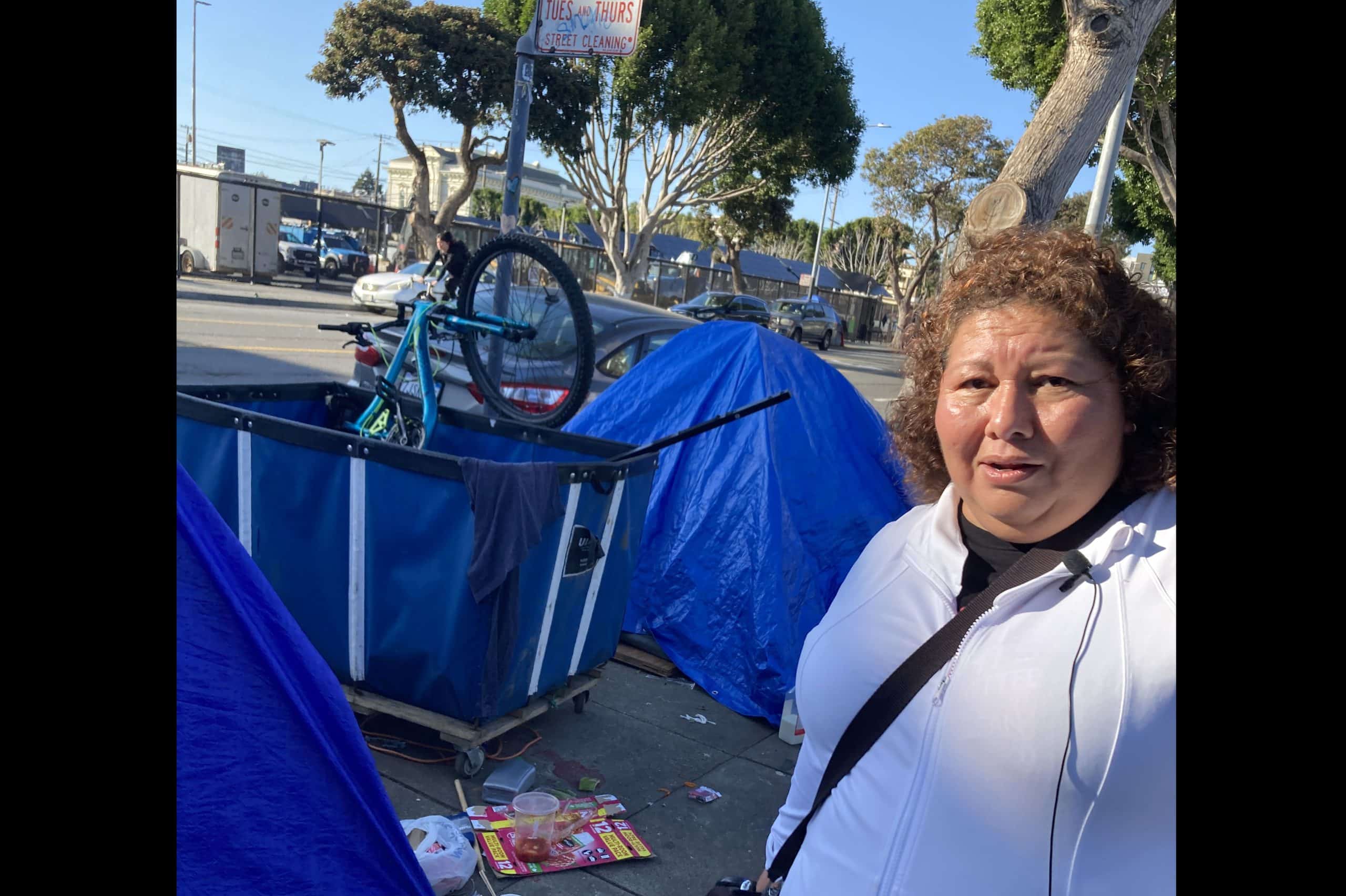
For generations, indigenous Mayans from Mexico’s Yucatan peninsula have been immigrating to San Francisco. Although there has never been an official count, estimates suggest that as many as 70,000 live in the area. Since many speak indigenous Mayan languages, not Spanish, they may be unaware of services or the dangers of fentanyl.
Spending Packages Signed into Law Will Keep Federal Mental Health Funding at Historic Levels

Last month, Congress escaped from gridlock to approve two spending bills that kept the government open while maintaining high levels of mental health funding. The Congressional action shows that mental health continues to command uniquely strong bipartisan support.
If you’re not subscribed to MindSite News Daily, click here to sign up.
Support our mission to report on the workings and failings of the
mental health system in America and create a sense of national urgency to transform it.
For more frequent updates, follow us on Facebook, Twitter and Instagram:

The name “MindSite News” is used with the express permission of Mindsight Institute, an educational organization offering online learning and in-person workshops in the field of mental health and wellbeing. MindSite News and Mindsight Institute are separate, unaffiliated entities that are aligned in making science accessible and promoting mental health globally.
Copyright © 2021 MindSite News, All rights reserved.
You are receiving this email because you signed up at our website. Thank you for reading MindSite News.
mindsitenews.org

The name “MindSite News” is used with the express permission of Mindsight Institute, an educational organization offering online learning and in-person workshops in the field of mental health and wellbeing. MindSite News and Mindsight Institute are separate, unaffiliated entities that are aligned in making science accessible and promoting mental health globally.


Author

Related Articles
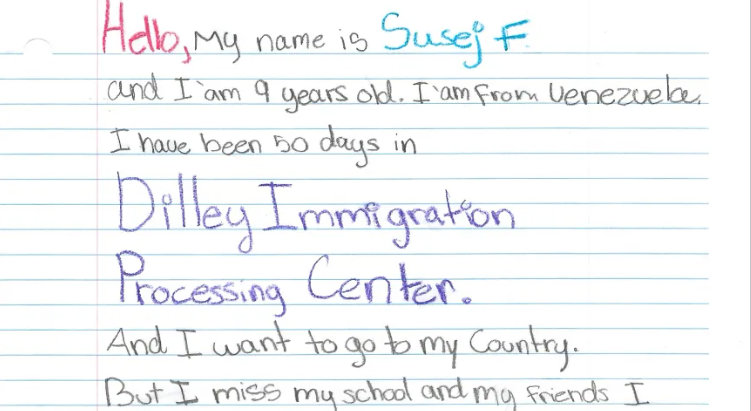
Health Organizations Condemn Traumatic ICE Raids, Family Separation
According to letters from children living in an ICE detention facility, living conditions are inhumane and their mental health is suffering.

In Teens, Social Anxiety Often Looks Like Anger
A study finds that some teens’ aggressive behavior may be due to social anxiety, not straightforward reactivity.
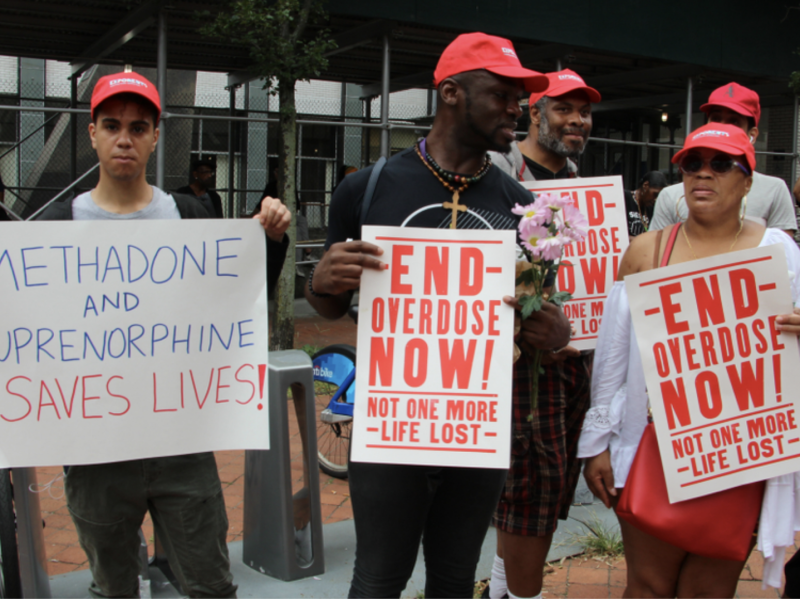
Expert Calls for Harm Reduction, Not Punishment, to Resolve Our Overdose Crisis
As the Trump administration pulls funding from harm reduction, an expert on the overdose crisis says it’s the best way to save lives.
