The Mystery of the ‘Super Ager’ Brain
‘Super agers’ have the memory of someone 20 to 30 years younger. Specialized centers hope to reduce fear and agitation in mental crisis care. And more.


April 30, 2024
By Courtney Wise

Greetings, MindSite News Readers! In today’s Daily, there’s more evidence that the brains of ‘super agers’ simply don’t decline at the same pace as those of other people. Crisis care centers and specialized psychiatric units have the potential to enhance the care experience patients receive during acute mental health crises. And in other news, a new initiative fully covers the cost of therapy for Milwaukee’s firefighters.
Plus, psychiatrist and author Damon Tweedy, author of Black Man in a White Coat and Facing the Unseen, calls for patient care practices that prioritize one’s physical and mental well-being equally.
Specialized centers hope to reduce patient fear, agitation in mental health crisis care

There are times when mental health requires emergency care — but traditional emergency rooms aren’t the best place for treatment. Chaotic by nature, they’re filled with loud, high-tech medical devices and characterized by long wait times, stiff restrictions, and little to no support in the mental health department. “It’s a great place to be if you’re having a heart attack or if you’re in sepsis,” said Scott Zeller, vice president of acute psychiatry at Vituity, in an interview with STAT News. “If you’re having a psychiatric emergency, it’s claustrophobic, it’s scary, there’s uniformed personnel running around, you can’t get anyone’s attention. It’s not a good place to be when you’re in that level of distress.” That’s why innovations like the Pima County Crisis Response Center in Tucson, Arizona exist. Centers like it are the third part of a potentially successful triad, alongside the 988 crisis hotline and mobile response street teams.
They’re busy like ERs, but in contrast to the noise, stark white walls, lack of privacy, and multiple restrictions of movement, patients at the crisis center in Tucson are greeted with warm colors, recliner chairs, and windows that invite sunlight into rooms while offering patients the opportunity to gaze at beautiful artwork. Funded with money from a voter-approved bond, the center welcomes patients in the grips of psychosis or other mental ills, 24 hours per day, seven days per week. In the ER next door, physicians stabilize patients’ bodies before sending them back for the mental health support they need to get well.
Such spaces are also shifting the patient care experience. “We change that environment from one of coercion and oppression to one of a therapeutic alliance,” Zeller said. Police officers are grateful too. Officer Joshua Godfrey explained that it once took him 7 hours – while already inside of the ER – to check in a suicidal patient. The crisis center, on the other hand, has a police check-in process that’s making it much less time consuming for Tucson officers to connect people to much-needed help.
Cutting wait times is for more than just convenience. Psychiatrist Margie Balfour, chief of quality and clinical innovation at Connections Health Solutions, said that too much waiting can worsen a patient’s distress and spark agitation, leading to violence against emergency room staff. Violence isn’t a rare occurrence; earlier this year, 91 percent of ER doctors who responded to an ACEP survey said they or a coworker were assaulted within the past 12 months. But even following hospital protocol may not provide safety for patients. With many instructions requiring staff to forcibly restrain or inject patients with a sedative, the standard for protection may actually cause them trauma.
A model called EMpath units, co-designed by Zeller, are something like an abbreviated crisis center. Short for Emergency Psychiatry Assessment, Treatment and Healing, the units work in tandem with emergency rooms. Behavioral health patients who enter an ER for help should be transferred as quickly as an expectant mother would be wheeled up to labor and delivery. In each mini-psych support room, patients can relax in recliners, walk around, play board games, have a snack, or even make personal phone calls. Such social interaction aids stabilization, the article states. By making every patient visible to staff from the central nurse’s station, the unit’s physical design reduces the need for a 1:1 patient to staff ratio. “We change that environment from one of coercion and oppression to one of a therapeutic alliance,” Zeller told STAT.
Research, to date, has shown EMpath units to be highly effective. A 2022 study showed that suicidal patients receiving treatment at a University of Iowa EmPATH unit, rather than a regular emergency room, were 60% more likely to participate in follow-up care in the month after discharge. And James Bryant, vice-president of emergency services in Centra Lynchburg General Hospital in Virginia, said the EmPATH unit is the first thing he’s seen really make a difference in 40 years – and quickly, too. In just six months, Bryant said the unit reduced mental health patients’ length of stay by 20%, referrals to the psychiatric inpatient unit by 20%, and the hospital’s sitter cost by at least 20%, equivalent to a savings of $1 million per year. “I truly believe that this will become a standard,” Bryant said.
Employees want mental health benefits, but stigma prevents their use
Eighty-one percent of workers want their employers to provide mental health benefits, and according to a 2022 report from the American Psychological Association, many employers have elected to do so. Besides business-wide initiatives, many companies now offer mental health days, counseling benefits, peer-to-peer support programs or mental health apps. The trouble is, people still aren’t using them, said a team of researchers in the Harvard Business Review.
That’s where Laura M. Giurge of the London School of Economics and a team of researchers enter in. Seeking to uncover the reasons why employees infrequently use their mental health benefits, they conducted a randomized control trial of 2,400 employees at Novartis, a Switzerland-based multinational drug corporation. Having trained 1,000 employees on mental health first aid, they randomly assigned people to one of six framings (approaches) of the peer support program and quickly learned that employees who heard framing stories about coworkers using the benefit were more likely to use it too. People most responded to stories of coworkers’ specific struggles, and were more likely to use their own mental health benefits after hearing of someone else’s success.
“Our findings suggest that one way to encourage employees to make use of existing mental health resources is by creating a support culture in which sharing about each other’s mental health challenges at work — no matter how small or large they are — is celebrated rather than judged,” they wrote. In other words, employers should make space for employees to bring their whole selves to work so that they might utilize mental health services, should the need arise. The researchers suggest further study to learn the best ways to adapt support mechanisms to better serve employees in the future.
What accounts for the remarkable brains of ‘super agers’?

For the past week or so, I’ve been working on a commemorative magazine project to celebrate the reopening of Michigan Central Station in Detroit. My job is to find people with vivid memories of the station that, until last year, stood as a massive piece of rot in the city’s skyline for decades. That means the people I’m looking for aren’t just older adults, they’re old. 80 years and greater, or as researchers may call them, super agers. Longevity alone isn’t enough to achieve “super ager” status, but rather, age plus a vibrant memory. Super agers boast the memory of someone 20 to 30 years younger, the New York Times reports.
There may be “some sort of lucky predisposition or some resistance mechanism in the brain that’s on the molecular level that we don’t understand yet,” said Tessa Harrison, an assistant project scientist at the University of California, Berkeley. A paper published just yesterday suggests Harrison is on the right track: Super agers do have super brains.
For the study, researchers analyzed data from 119 octogenarians. 64 of whom are super agers and the remaining 55 who have normal memory abilities for their age. They found that the super agers have more volume in areas of the brain critical to memory, most notably the hippocampus and entorhinal cortex. Their level of preserved connectivity was also greater between regions in the front of the brain that are involved in cognition. Both groups showed minimal signs of Alzheimer’s disease.
“By having two groups that have low levels of Alzheimer’s markers, but striking cognitive differences and striking differences in their brain, then we’re really speaking to a resistance to age-related decline,” said Bryan Strange, a professor of clinical neuroscience at the Polytechnic University of Madrid, who led the study. The exact number of super agers among is unknown, added neuroscientist Emily Rogalski, who believes they’re relatively rare. “Far less than 10 percent” of the people she sees officially meet the criteria, Rogalski said.
In other news…
Nine years ago, psychiatrist Damon Tweedy became a New York Times bestselling author when his memoir, Black Man in a White Coat hit stores. Now, he’s back with Facing the Unseen: The Struggle to Center Mental Health in Medicine. In the book, which was published earlier this month and has received favorable reviews, Tweedy discusses his experiences caring for patients battling both physical and mental illnesses. In this 58 minute video, he speaks with Duke Psychiatry about the book and his vision of a health care system in which healing patients’ mind and body is the focus.
Mental health conditions on the rise in older adults: Focusing on the pandemic years of 2019 to 2023, an analysis by FAIR Health found that mental health diagnoses leapt 40 percent across the nation, with the highest increase among adults 65 and older. Nearly 46 billion insurance claims were analyzed for the study, Axios reports. Researchers note that the increase may be attributed to an increase in people seeking help due to the stress of the pandemic or to a decreased stigma around mental health.
Ignite the Spirit-Milwaukee is fully covering the cost of therapy for first responders in the Milwaukee Fire Department. The program comes shortly after the National Fire Protection Association acknowledged the mental health challenges associated with being a firefighter, such as PTSD, depression and anxiety, CBS 58 reports. The nature of the job is extraordinarily demanding and mentally jarring, but Milwaukee Fire Chief Aaron Lipsk is optimistic that the partnership with Ignite the Spirit will help firefighters “learn how to breathe again, learn how to smile again, and learn how to really, really enjoy life again.” He added that the initiative will also “benefit everybody outside these walls who call us. Because they’re going to get better service, more creative service, innovative service.”
If you or someone you know is in crisis or experiencing suicidal thoughts, call or text 988 to reach the 988 Suicide & Crisis Lifeline and connect in English or Spanish. If you’re a veteran press 1. If you’re deaf or hard of hearing dial 711, then 988. Services are free and available 24/7.
Recent MindSite News Stories
A West Side Story: How to Traumatize a Community

For residents of Police Beat 1122 on Chicago’s West Side – and for all who watched on TV or social media – the killing of Dexter Reed last month after he was stopped for an alleged seatbelt violation was deeply traumatizing. Continue reading…
Only Two Percent of Psychiatrists are Black, Leading Some to Creative Solutions to Fill the Void

There aren’t enough Black psychiatrists to meet growing demand. Some are finding innovative ways to provide more culturally competent care. Continue reading…
Hidden Deaths in San Francisco: Overdoses Among Mayan Immigrants Highlight Urgent Need for Culturally Competent Services
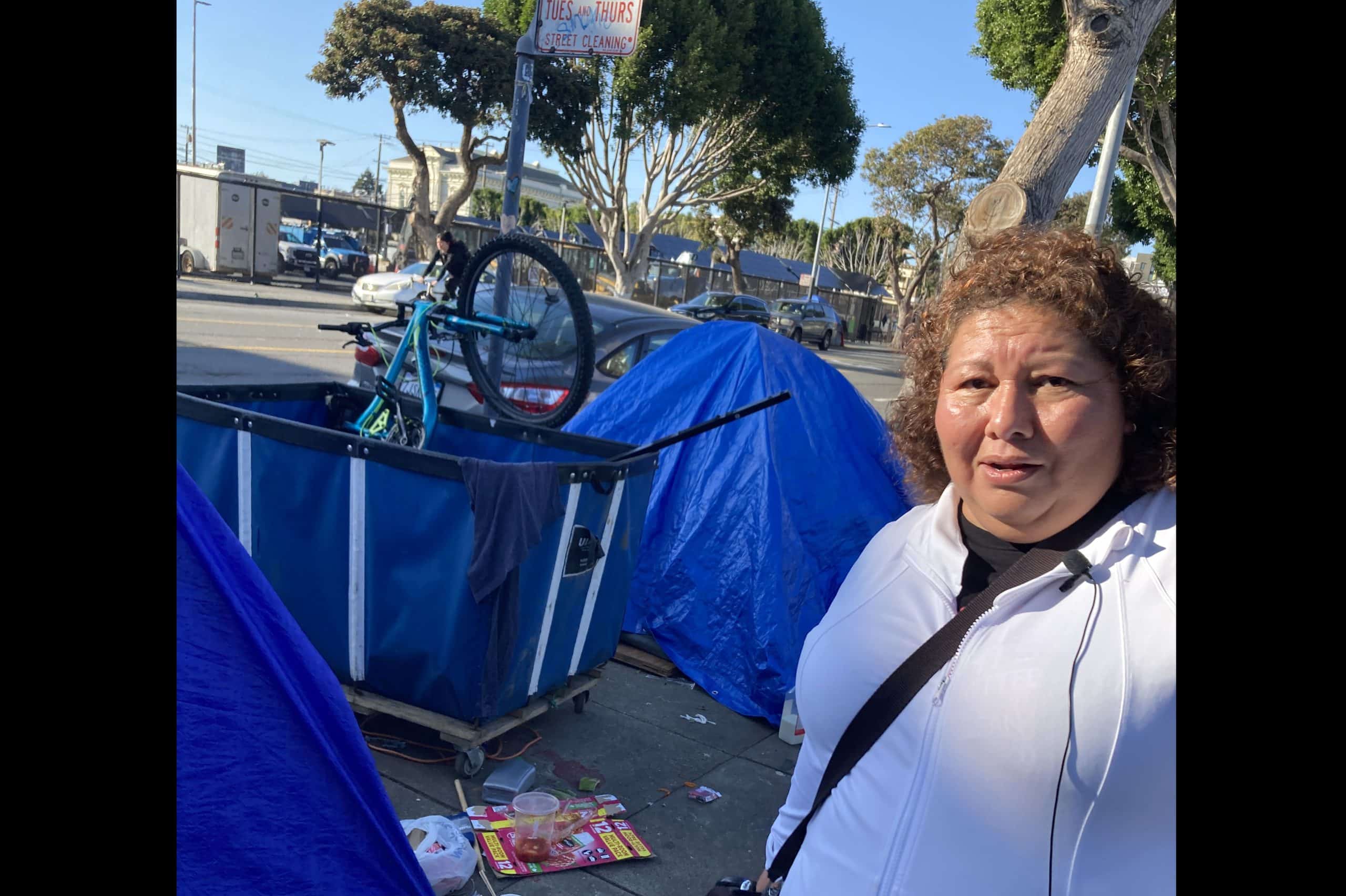
For generations, indigenous Mayans from Mexico’s Yucatan peninsula have been immigrating to San Francisco. Although there has never been an official count, estimates suggest that as many as 70,000 live in the area — and some are dying from fentanyl overdoses.
If you’re not subscribed to MindSite News Daily, click here to sign up.
Support our mission to report on the workings and failings of the
mental health system in America and create a sense of national urgency to transform it.
For more frequent updates, follow us on Facebook, Twitter and Instagram:

The name “MindSite News” is used with the express permission of Mindsight Institute, an educational organization offering online learning and in-person workshops in the field of mental health and wellbeing. MindSite News and Mindsight Institute are separate, unaffiliated entities that are aligned in making science accessible and promoting mental health globally.
Copyright © 2021 MindSite News, All rights reserved.
You are receiving this email because you signed up at our website. Thank you for reading MindSite News.
mindsitenews.org

The name “MindSite News” is used with the express permission of Mindsight Institute, an educational organization offering online learning and in-person workshops in the field of mental health and wellbeing. MindSite News and Mindsight Institute are separate, unaffiliated entities that are aligned in making science accessible and promoting mental health globally.


Author

Related Articles
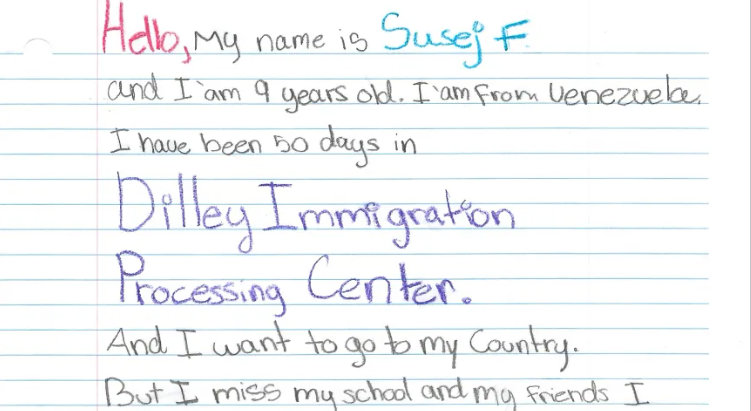
Health Organizations Condemn Traumatic ICE Raids, Family Separation
According to letters from children living in an ICE detention facility, living conditions are inhumane and their mental health is suffering.

In Teens, Social Anxiety Often Looks Like Anger
A study finds that some teens’ aggressive behavior may be due to social anxiety, not straightforward reactivity.
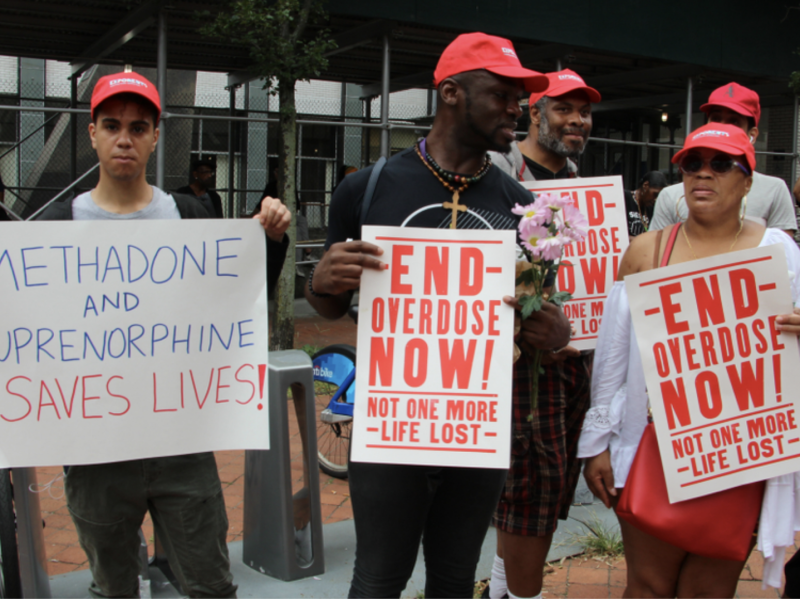
Expert Calls for Harm Reduction, Not Punishment, to Resolve Our Overdose Crisis
As the Trump administration pulls funding from harm reduction, an expert on the overdose crisis says it’s the best way to save lives.
