For Mental Health Awareness Month, a batch of new surveys
In time for Mental Health Awareness Month, lots of new surveys are out. The findings aren’t encouraging. Plus, why depression can make it hard to bathe.

Monday May 6, 2024
By Don Sapatkin

Good Monday morning! Today’s Daily begins with the most interesting story of the week: why depression can make it hard to bathe. Lots of new surveys on mental health are out, and the findings aren’t encouraging. Soldiers say the Army has been slow to recognize that blasts from firing mortars may be causing brain damage.
Plus: Positive versions of adverse childhood experiences can mitigate the latter’s harms. Private equity has bought a lot of mental health and addiction treatment facilities. “I’m not dangerous. I’m not crazy. And I’m not delusional,” a college student says on a deeply personal podcast about his schizoaffective disorder.
‘Why is it so hard to shower when I’m I depressed?’
The question posed by this headline is so simple and personal that most people wouldn’t think to ask it. But it’s real, and the New York Times’s “Ask Well” column has answers:
For people with depression, pretty much everything, from cooking to socializing, can feel like you’re trudging through the mud, said Lindsay Standeven, a psychiatrist at Johns Hopkins. Grooming and hygiene can be especially hard. But because uncleanliness gets linked with laziness and even immorality, depressed people might be afraid to discuss symptoms with their doctor.
That shame, combined with the low self-esteem people may feel when they don’t bathe, can further worsen symptoms of depression, she told the Times.
Everything involved with keeping clean requires energy, but depression causes fatigue that saps it. The illness can also undermine your ability to solve problems, make decisions and set goals. “If you break it down, there’s actually so many steps that are involved with showering,” said Patrick Bigaouette, a psychiatrist at the Mayo Clinic: undressing; turning on the water; lathering; applying shampoo; shaving; rinsing; toweling off and choosing what to wear. Feeling worthless or hopeless can add another hurdle, which not showering reinforces, creating a feedback loop that deepens the underlying symptoms that prevented bathing to begin with. (Conversely, some people may shower too much out of worry that if they seem dirty, others will notice they’re depressed.)
Bigaouette and Standeven have suggestions: Remember that your feelings are reasonable, akin to someone who just had surgery struggling to walk long distances. Set smaller goals like showering once a week instead of daily or standing under the water for a few minutes rather than the full treatment. Try dividing the process into pieces: first tell yourself to turn on the water, then put one foot in the shower, etc. Or make the shower more enjoyable, say, by treating yourself to exotic soap. Recall when showering felt easier and try to mimic that experience. Set a reward for meeting your goal. Make it easier by using a shower seat or taking a bath. Ask a friend or family member to help, for example, by putting out your clothes or just sitting in the bathroom with you; knowing you are cared for can help fight the negative voice in your head. Simply making the effort can reinforce the idea that you can accomplish something.
Just in time for Mental Health Awareness Month: Lots of (mostly distressing) surveys
Mental Health Awareness Month is here, and multiple organizations have released new surveys about the state of mental health in America today. Here’s a sampling:
Mental health vs. physical health: 75% of respondents to an early February survey by West Health and Gallup believe that mental health issues are identified and treated worse than physical health issues in the U.S., with people 65 and over saying so at even higher rates. Asked to grade the American health care system on its ability to addresses mental health issues, 84% give it a C or lower. Affordability (52%) and difficulty finding a provider (42%) are the top two barriers to obtaining treatment for a mental or emotional health condition, with higher percentages of younger adults and people with mental health conditions reporting both. And 70% of adults say that society stigmatizes people with mental health problems.
Workers’ mental well-being: 35% of full-time employees 18 and older say that stress about their mental health harms their ability to do their work, according to a Harris Poll conducted for Mind Share Partners in mid-April. Other findings:
•48% are anxious about their job security
•79% said their work experience would be better if their employer said they care about their mental well-being
•86% say autonomy and flexibility would make their work experience better
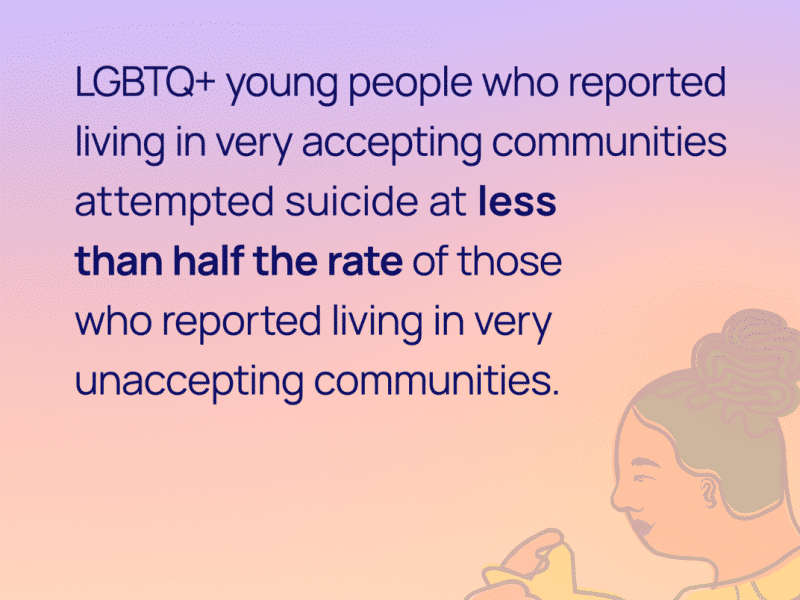
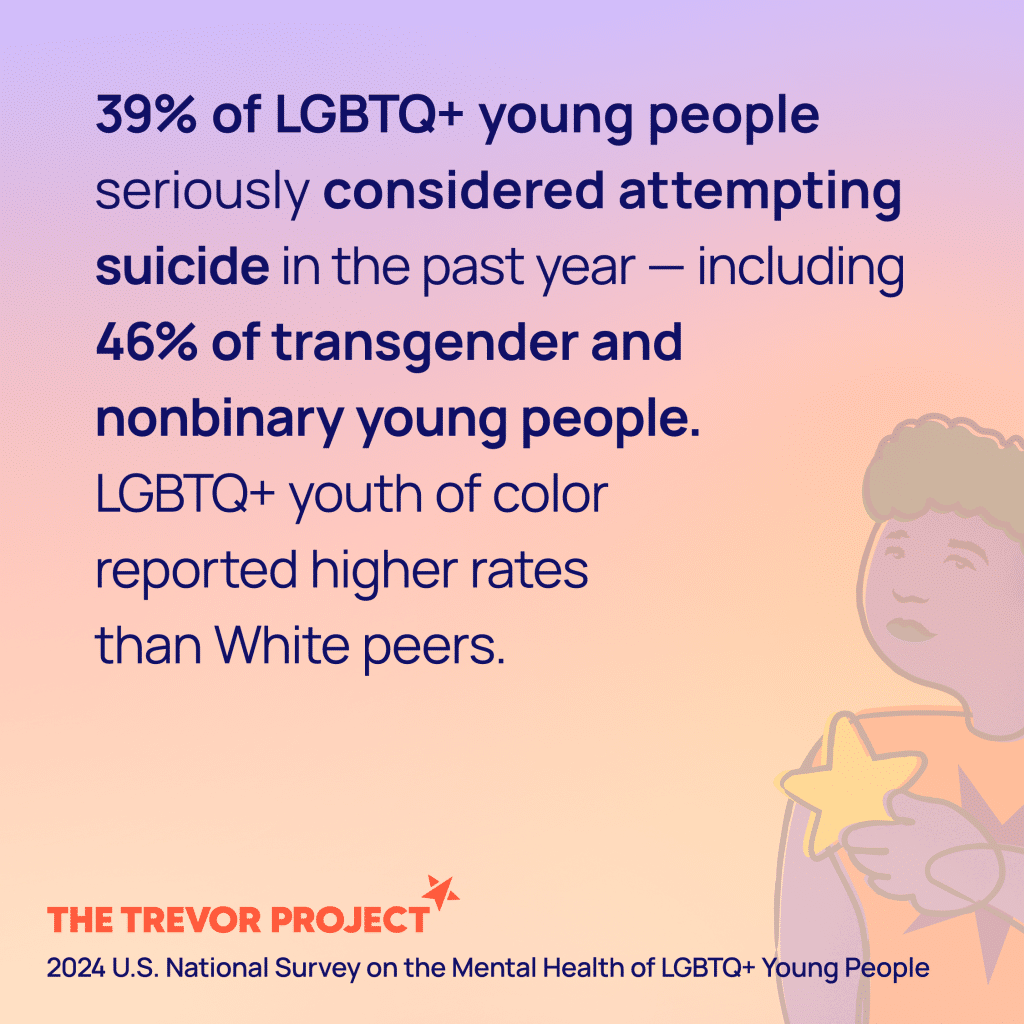
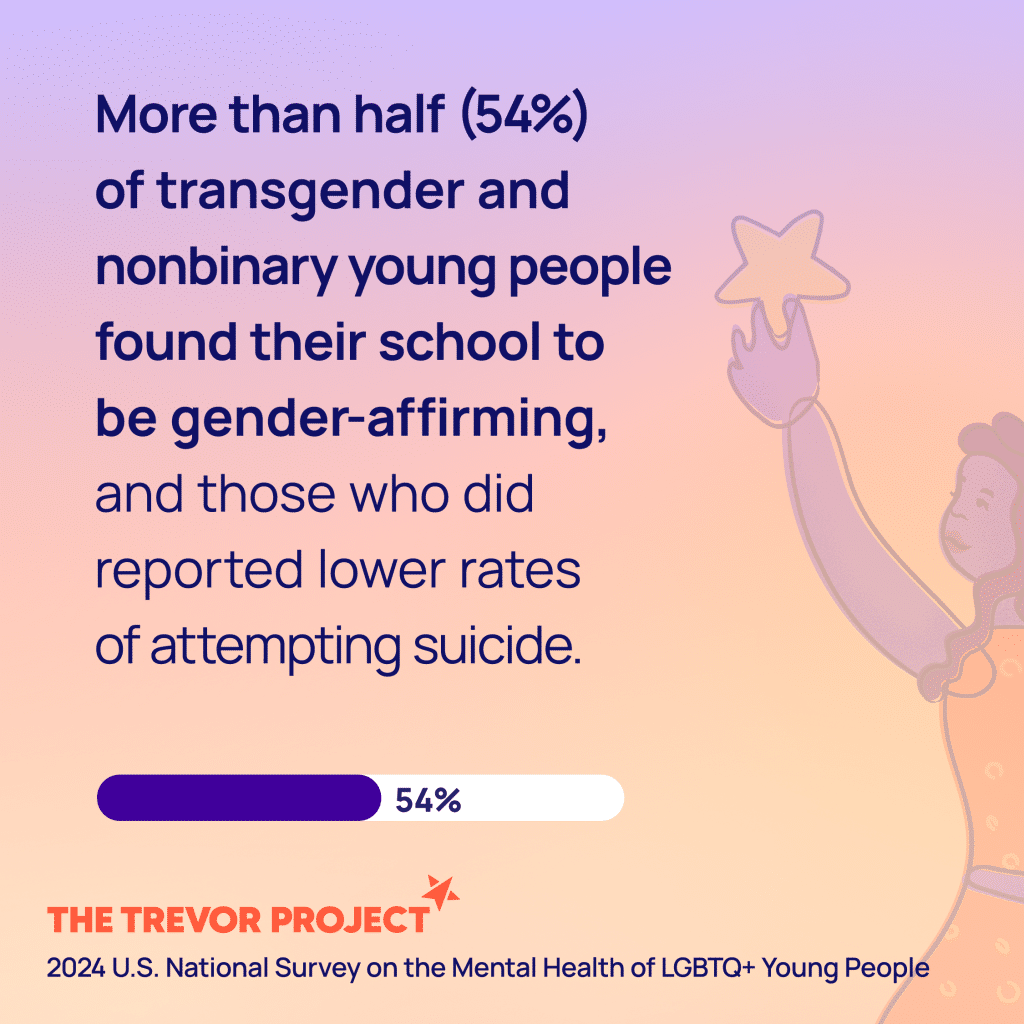
LGBTQ+ young people: Here are some findings from a Trevor Project survey:



More reporting on the impact that firing heavy mortars may be having on soldiers’ brains
The New York Times and reporter Dave Philipps are back with another story on brain damage apparently suffered by soldiers firing heavy mortar rounds. (See our earlier coverage here and here.) Soldiers interviewed by Philipps never saw combat and fired mortars only in training. But they complained of a range of symptoms: They struggle to read or do basic math, have headaches, insomnia, confusion, bad balance, racing hearts, paranoia, depression and random eruptions of rage or tears. The symptoms match those of traumatic brain injury.
The Pentagon has assured Congress it is giving new attention to blast exposure, but soldiers say they’ve seen little change. The military says blast waves from 120-millimeter mortars are not powerful enough to cause brain injuries and that possible danger comes only in a handful of unusual circumstances, like firing an abnormally large number of artillery shells. Traumatic brain injury is difficult to diagnose; in most cases damage can only be seen after death.
The Army has been trying for decades to make weapons safer, a spokesman told the Times, and is “committed to understanding how brain health is affected, and to implementing evidence-based risk mitigation and treatment.” He also said there are no plans to phase out the 120-millimeter mortar. The Army apparently is trying to develop a cone on the muzzles of mortars to deflect blast pressure away from soldiers’ heads. Four months ago, the Army issued a safety warning that greatly limits the number of rounds soldiers fire in training. Its stated purpose: to protect troops’ hearing.
In other news…
The flip side of adverse childhood experiences? Positive childhood experiences. ACEs are things like neglect, abuse and poverty that add up and do harm to a person’s health and mental health into adulthood. PCEs are things like safe, stable and nurturing relationships and environments. They promote healthy child development and adult mental health, and buffer against the negative impacts of ACEs. And they may be more common: More than half of adults in four states studied reported six to seven PCEs while 12% reported two or fewer. PCEs were lower among lesbian, gay, and bisexual adults and higher among respondents with higher income and education, according to a study published in CDC’s Morbidity and Mortality Weekly Report. It was based on 25,000 respondents – the largest such study to date.
Private equity firms bought 642 mental health and 1,152 addiction treatment facilities from 2012 to 2023, according to a research letter in JAMA Psychiatry. It is one of the few estimates based on empirical data of a trend that has caused concern among advocates worried that prices could rise and quality decline. Altogether, private equity owned 6% of the 10,324 mental health facilities and 7% of the 16,174 substance-use disorder treatment facilities nationwide. The numbers represent all facilities offering outpatient and residential behavioral health treatment services, but not inpatient psychiatric hospitals and clinical organizations focused exclusively on eating disorders and autism. Market penetration of PE firms varied widely from state to state, from 27% of mental health facilities in Colorado and 22% of addiction treatment facilities in Virginia, down to none of each in several states.
“I’m not dangerous. I’m not crazy. And I’m not delusional. I’m just one more guy, with a mental health condition, living with it.” So says Michael Vargas Arango on his podcast, “The Monsters We Create.” Arango, a 22-year-old international student at Miami Dade College in Florida, was diagnosed as a teenager with schizoaffective disorder. He wants everyone to know it’s not something to be afraid of. He convinced NPR, whose judges awarded him the grand prize (and a $5,000 scholarship) in the NPR College Podcast Challenge, choosing his emotional and deeply personal six-minute entry over 500 others.
If you or someone you know is in crisis or experiencing suicidal thoughts, call or text 988 to reach the 988 Suicide & Crisis Lifeline and connect in English or Spanish. If you’re a veteran press 1. If you’re deaf or hard of hearing dial 711, then 988. Services are free and available 24/7.
Recent MindSite News Stories
As 988’s Second Birthday Approaches, All Eyes on Workforce and Training of Crisis Counselors

At a national conference on the U.S. mental health crisis response system now taking place in Chicago, crisis counselors, administrators and federal officials are discussing ways to improve the system amid worries over funding and training.
The ‘Invisible’: More Women Veterans Are Dying of Suicide and VA Still Lacks Resources
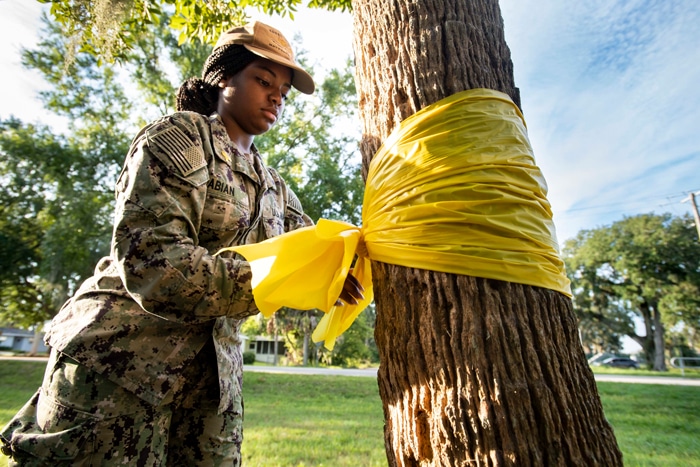
The rate of women veterans dying by suicide nearly doubled from 2001 to 2021, according to a report from the Dept. of Veterans Affairs released in December. Now a new report from Disabled American Veterans offers more evidence.
A West Side Story: How to Traumatize a Community

For residents of Police Beat 1122 on Chicago’s West Side – and for all who watched on TV or social media – the killing of Dexter Reed last month after he was stopped for an alleged seatbelt violation was a vivid reminder: Such violence could happen to them at any time.
If you’re not subscribed to MindSite News Daily, click here to sign up.
Support our mission to report on the workings and failings of the
mental health system in America and create a sense of national urgency to transform it.
For more frequent updates, follow us on Facebook, Twitter and Instagram:

The name “MindSite News” is used with the express permission of Mindsight Institute, an educational organization offering online learning and in-person workshops in the field of mental health and wellbeing. MindSite News and Mindsight Institute are separate, unaffiliated entities that are aligned in making science accessible and promoting mental health globally.
Copyright © 2021 MindSite News, All rights reserved.
You are receiving this email because you signed up at our website. Thank you for reading MindSite News.
mindsitenews.org

The name “MindSite News” is used with the express permission of Mindsight Institute, an educational organization offering online learning and in-person workshops in the field of mental health and wellbeing. MindSite News and Mindsight Institute are separate, unaffiliated entities that are aligned in making science accessible and promoting mental health globally.


Author

Related Articles
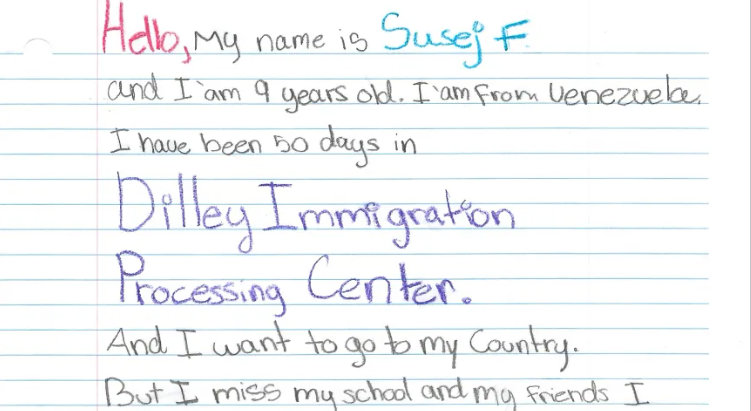
Health Organizations Condemn Traumatic ICE Raids, Family Separation
According to letters from children living in an ICE detention facility, living conditions are inhumane and their mental health is suffering.

In Teens, Social Anxiety Often Looks Like Anger
A study finds that some teens’ aggressive behavior may be due to social anxiety, not straightforward reactivity.
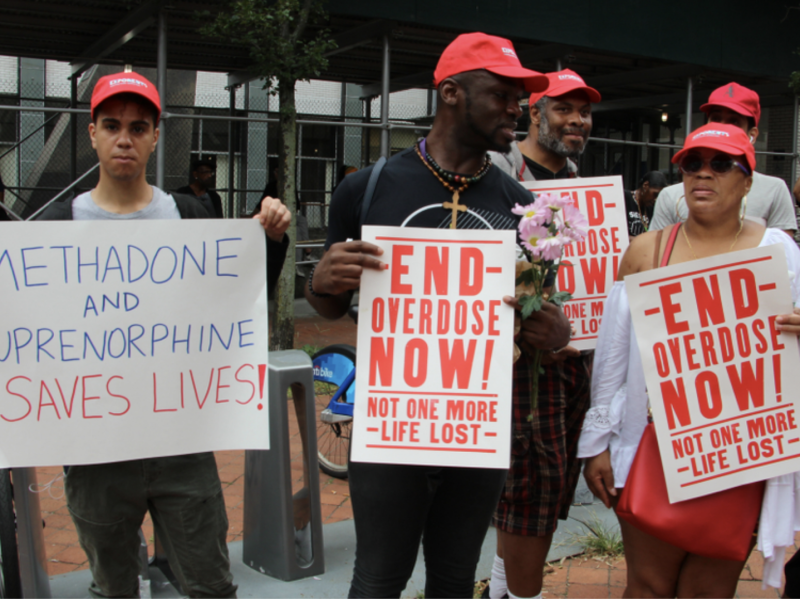
Expert Calls for Harm Reduction, Not Punishment, to Resolve Our Overdose Crisis
As the Trump administration pulls funding from harm reduction, an expert on the overdose crisis says it’s the best way to save lives.
