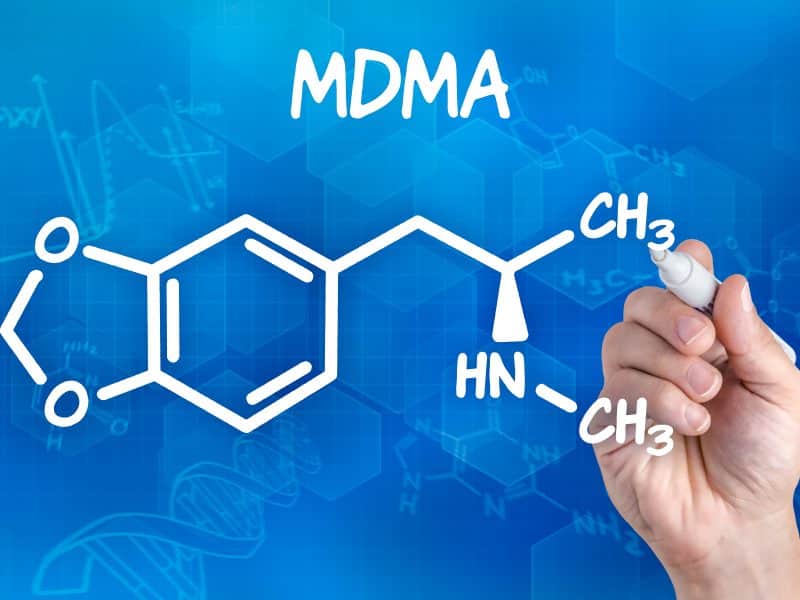
FDA Panel: Send MDMA Back to Drawing Board
An FDA advisory panel urged the agency to reject MDMA. Some therapists in Seattle have traded their proverbial couches and chairs for the outdoors.

Wednesday, June 5, 2024
By Courtney Wise

Greetings, MindSite News Readers, and happy Wednesday! Today’s Daily opens with some surprising news: An FDA advisory panel urged the agency to reject MDMA. Some therapists in Seattle have traded their proverbial couches and chairs for the outdoors. Also in this edition: A look at whether Miss USA is a toxic place to work. Mental health training for parole officers.
Plus, imagining recovering your mental health in the way you might recover from an addiction. Also, most of our team will be at the Association of Health Care Journalists national conference in New York City starting tomorrow, so we’ll give our weekly parenting newsletter the week off. See you next week!
FDA Advisory Panel Overwhelmingly Rejects MDMA-Assisted Therapy for PTSD
An advisory committee to the U.S. Food and Drug Administration voted overwhelmingly yesterday to urge the agency to reject MDMA-assisted therapy for treating post traumatic stress disorder, demonstrating the huge challenges of getting regulatory approval for a drug that differs so vastly from traditional medications.
The panel voted 9 to 2 that the company seeking to market the drug, Lykos Therapeutics, had failed to show the drug was effective and 10 to 1 that the benefits don’t outweigh the risks. The FDA is not bound to follow the recommendations of its advisors, although it generally does. A decision by the agency is expected in mid-August.
Perhaps the biggest concern among the panelists is inherent to the drug. In clinical trials, the very properties that may make MDMA and other psychedelics effective — the intense but hard-to-miss feelings and sensations that they bring to users – also make clear what they are not supposed to know: that they are taking the active drug and not a placebo.
This “functional unblinding” undermines the traditional practice of blinded, placebo-controlled trials. If you subconsciously believe that a drug is likely to make you better — and you know that you’re getting it – you may be more likely to get a psychological benefit and think your symptoms are improving.
Lykos submitted results from more than 200 patients who took MDMA plus psychotherapy and enjoyed substantial benefits. In the most recent trial, some 86% of those who took the drug had a measurable reduction in severity of their PTSD symptoms and 71% improved so much they no longer were considered to have PTSD.
But among people taking placebos, 69% also improved and nearly 48% got so much better that they no longer met PTSD criteria. Further complicating the assessment is the fact that people also received three sessions of counseling from psychotherapists, making it hard to separate the benefits of the drug from the benefits of the therapy.
In lead-off remarks, Tiffany Farchione, a child and adolescent psychiatrist who heads the agency’s division of psychiatry, told panel members there while there were significant challenges in evaluating MDMA, the improvements were “statistically significant” and lasted “at least several months.”
Concerns were also expressed about the potential for clinicians to abuse patients who are under the effects of MDMA, which is known to make people more loving and trusting. The agency outlined risk-mitigation strategies that include continued study of the effects as well as steps such as recommending that two clinicians are always present with patients who are under the effect of MDMA in order to prevent abuse.
Panelists seemed impressed by the potential of MDMA but believed that more and better research is needed to ensure that the drug doesn’t cause more problems than it solves. Only one member, Walter Dunn, a psychiatrist at the Veterans Administration Greater Los Angeles and assistant professor at UCLA, voted yes on both the safety and effectiveness measures. “We are in dire need of treatments for PTSD,” he said.
–Rob Waters
Walk-and-talk therapy growing in popularity in Seattle

Increasing research shows that spending time in nature can noticeably benefit mental health. It makes sense then, that growing numbers of therapists and counselors are making ecotherapy available, especially in the relative aftermath of the pandemic. As a general treatment, ecotherapy describes a broad category of nature-based wellness activities, including wilderness therapy and forest bathing.
As the venue grows in popularity, researchers are turning their attention to its impact. Thus far, studies show that outdoor sessions stimulate thinking, encourage the flow of conversation, and facilitate the connection between mind and body. Walk-and-talk therapy is just one form of ecotherapy taking Seattle, Washington by storm. “It’s a pretty big gift as therapists to be able to have our sessions outside, but it’s also great for people who don’t want to be inside to be able to have these alternatives available,” therapist Ari Bonagofski told the Seattle Times. “As more people become aware of ecotherapy and the different types of nature-based therapies available, I think it’s only going to continue to grow.”
As you might assume, there are additional risks associated with outdoor therapy that just don’t come up with traditional in-person sessions, namely privacy. Privacy is impossible to guarantee, therapists told the Times, and clients must understand that upfront. Some clients even have to sign additional consent confirming their understanding of the privacy risk. “There’s always the chance somebody might recognize me as a therapist or recognize the client as a friend,” explained therapist Sam McCann. “We talk about this beforehand and I say, if you’re talking about something hard, someone might see you cry. How do you feel about that?” Besides privacy, allergies and attire are factors to take under consideration. For instance, comfy walking shoes are a must.
Despite the risks, clients report great appreciation for outdoor sessions, according to a 2019 study from Atlanta-based counselor Denice Crowe Clark. In addition to reporting an elevated overall experience, clients she interviewed said that the outdoors made them feel so comfortable, they forgot they were in a therapy session. “They felt like more things came up for them when walking side by side,” Clark said in an interview. “It was less intimidating. Content and conversation just flowed more effortlessly.”
That level of comfort is ideal and nature helps to nurture it by neutralizing the sense of power differential, said Arie Greenleaf, a counseling professor at Nova Southeastern University in Florida. Rather than restrict clients to “the counselor’s lair,” an environment chosen, decorated, and controlled by the therapist, natural surroundings put both parties on even footing. “They’re more likely to open up in that way,” Greenleaf said.
The recovery journey for mental health challenges
Have you ever imagined recovering from your mental health troubles in the way you might recover from an addiction? It didn’t so plainly cross my mind until I read this guest column in the Caller Times by mental health advocate Heather Loeb.
For more than two decades, the creator of Unruly Neurons has lived with serious mental illness, including major depression, anxiety, an eating disorder and a personality disorder. But for the past five years, she’s also lived in good mental health. Following the many hospital stays she’s endured, and even electroconvulsive therapy treatments, Loeb figured if anything would finally work, it would be the care provided via in-patient treatment. Instead, she writes, relief came from adhering to a well-rounded mental health recovery program that has helped her to remain in good shape for her life.
“I’ve been in recovery for about five years, and I must tell you, it’s not easy,” Loeb says. “For me, this means taking my pills, going to therapy, practicing self-care, avoiding the unhealthy behaviors that contributed to my mental “breakdown,” eating healthy(-ish) and making sure I get enough sleep or don’t sleep too much. It doesn’t seem like much as I’m writing this… but…putting a name to my journey helped me understand that healing and recovery isn’t linear. Setbacks will occur and bad days will happen.”
In other news…
Fellow night owls, a recent study says we have to go to bed. After surveying nearly 75,000 adults, Stanford University researchers found that, regardless of your body’s natural inclination to go to sleep, it’s best to turn in earlier than later. Data showed that early birds and night owls alike had worse mental health when they stayed up late, surprising even the researchers themselves. They fully expected their findings to confirm previous studies their team had already conducted, lead study author Jamie Zeitzer told Stanford Medicine News.
“I thought, ‘Let’s try to disprove it, because this doesn’t make any sense,’” Zeitzer said. “We spent six months trying to disprove it, and we couldn’t. The worst-case scenario is definitely the late-night people staying up late,” he added. In fact, his team found that night owls who submitted to their chronotype and stayed up late were 20 to 40 percent more likely to have a mental health disorder than their would-be nocturnal friends who gave in to an earlier bedtime.
The Miss USA organization is facing allegations of a toxic work environment after Miss USA, Noelia Voigt, and Miss Teen USA, UmaSofia Srivastava both resigned their 2023 titles, citing mental health reasons. The controversy was further exacerbated when Miss Teen USA 2023 Runner Up Stephanie Skinner declined to take on the vacant role. Just two years after the suicide of Cheslie Kryst, who was crowned Miss USA 2019, the resignations have sparked a wider conversation about pageants and mental health. Researchers from the University of Massachusetts Amherst and Vanderbilt University found a link between consuming news content about pageants and a negative body image in women and adolescent girls, especially if their home state won, according to reporting from Reckon News.
With more than one quarter of the probation and parole population mentally ill, probation and parole officers spend a great deal of time supervising people who need steady behavioral health support in order to maintain their freedom, North Carolina Health News reports. Since 2013, North Carolina’s Specialty Mental Health Probation program has offered mental health training to probation and parole officers—along with reduced caseloads—making slightly more time available to focus on clients with serious care needs.
“I do feel that it is helping individuals,” said Jason Szybka, a specialty mental health probation officer in Duplin County. “More so with the understanding that they do have special struggles going on that before had just been chalked up as someone ‘being crazy’ and just pushed into jail or just pushed over here or pushed over there. I’ve had folks on my caseload recently, who have never completed a probation period, who have never completed a post-release program successfully and who have now successfully completed one.”
If you or someone you know is in crisis or experiencing suicidal thoughts, call or text 988 to reach the 988 Suicide & Crisis Lifeline and connect in English or Spanish. If you’re a veteran press 1. If you’re deaf or hard of hearing dial 711, then 988. Services are free and available 24/7.
Recent MindSite News Stories
A Beloved Chicago Educator Was Shot to Death in the Midst of a Mental Health Crisis. Why Has No One Been Charged?
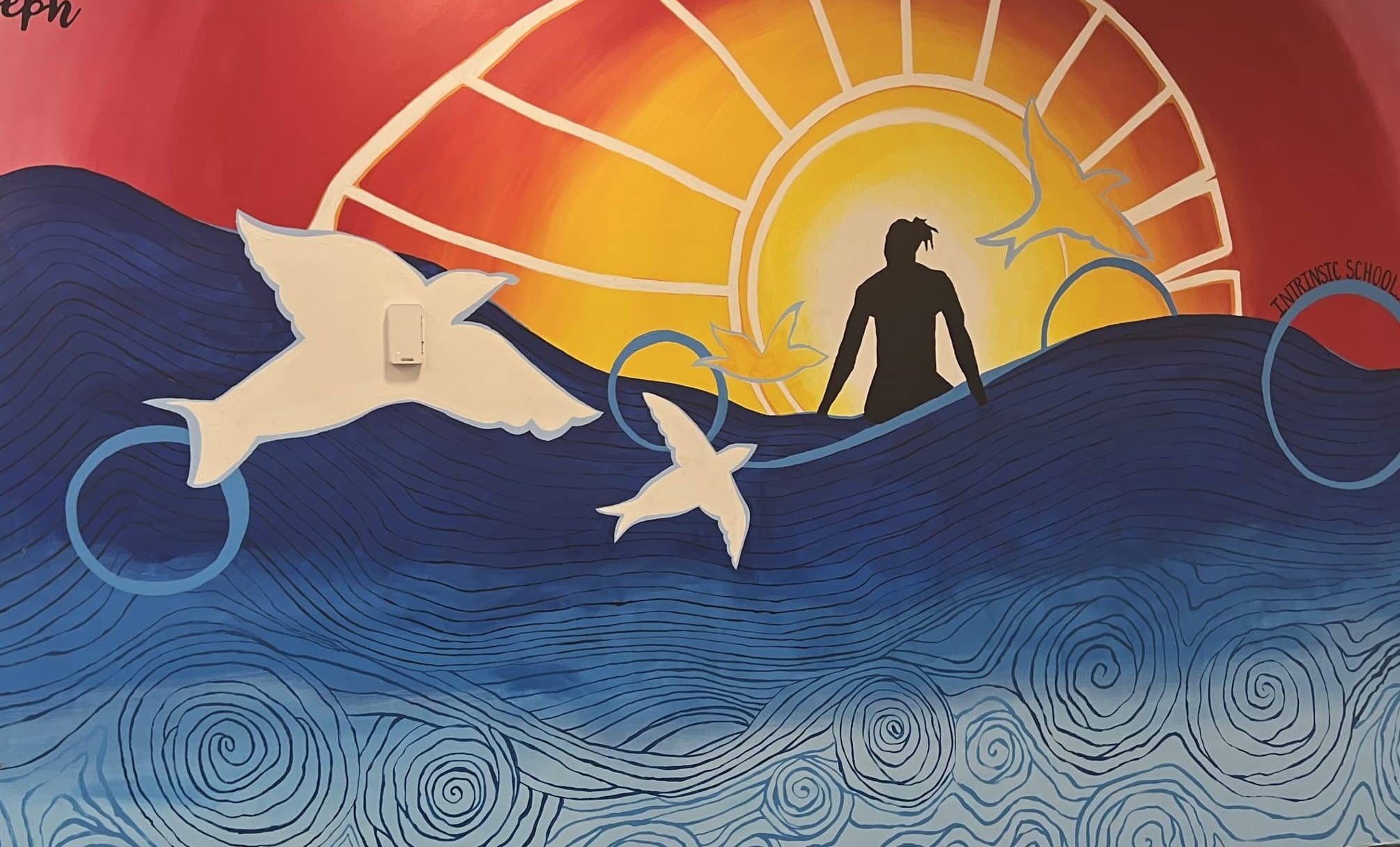
Something was going on with Abnerd Joseph, a young, Black assistant principal in Chicago. He was pacing the hallways of his downtown apartment building in his bathrobe, calling for help and acting strange. Some of his neighbors called 911. Another took matters into his own hands. Continue reading…
How Can We Combat the Rise in Suicides Among Black Youth? An Interview with Dr. Yolanda Lawson

Dr. Yolanda Lawson, president of the National Medical Association, talks with MindSite News about suicide prevention among Black youth. Continue reading…
MindSite News Reporters Win Two Awards

MindSite News, the nation’s only national news outlet reporting exclusively on mental health, is pleased to announce that two MindSite News reporters have won awards for excellence in journalism.
If you’re not subscribed to MindSite News Daily, click here to sign up.
Support our mission to report on the workings and failings of the
mental health system in America and create a sense of national urgency to transform it.
For more frequent updates, follow us on Facebook, Twitter and Instagram:

The name “MindSite News” is used with the express permission of Mindsight Institute, an educational organization offering online learning and in-person workshops in the field of mental health and wellbeing. MindSite News and Mindsight Institute are separate, unaffiliated entities that are aligned in making science accessible and promoting mental health globally.
Copyright © 2021 MindSite News, All rights reserved.
You are receiving this email because you signed up at our website. Thank you for reading MindSite News.
mindsitenews.org

Mental health can't wait.
America is in a mental health crisis — but too often, the media overlooks this urgent issue. MindSite News is different. We’re the only national newsroom dedicated exclusively to mental health journalism, exposing systemic failures and spotlighting lifesaving solutions. And as a nonprofit, we depend on reader support to stay independent and focused on the truth.

It takes less than one minute to make a difference. No amount is too small.
The name “MindSite News” is used with the express permission of Mindsight Institute, an educational organization offering online learning and in-person workshops in the field of mental health and wellbeing. MindSite News and Mindsight Institute are separate, unaffiliated entities that are aligned in making science accessible and promoting mental health globally.


Author
Related Articles
How to Help Your Neurodiverse Child Out of the Cocoon
Neurodiverse burnout can leave children stuck in a “cocoon.” Learn how scaffolded parenting helps them move back to the world.
Chatbots May Spark Delusions Even in People With No Mental Illness
Psychologists say AI chatbots have led people to experience delusions, warning that more of us are at risk than we might think.
Minneapolis Mourns Hero Nurse Killed By ICE, Condemns DHS Gaslighting
We look at another ICE killing of a US citizen in Minneapolis, and the federal government’s ensuing firehose of lies and propaganda.
