
Clergy, too, suffer from mental health challenges
A look at the emotional toll facing Detroit-area clergy and what Miami’s needle exchange program is doing differently. Plus, the adverse mental health effects of restricting reproductive freedom. And more.


Tuesday, June 11, 2024
By Taylor Barton

Happy Tuesday, MindSite News readers! Today’s newsletter comes to you from Taylor Barton. I’m MindSite News’ summer reporter based in Berkeley, Calif. I’ll be researching involuntary mental health care and learning from the team as an intern this season. Have tips, ideas or really cute dog photos? Send them my way at taylor_barton@berkeley.edu.
Today we look at the emotional toll facing Detroit-area clergy and what Miami’s needle exchange program is doing differently. Plus, some research into the adverse mental health effects of restricting reproductive freedom, and a reading list on queer mental health this Pride month. Let’s dive in.
Despite their faith, clergy experience mental health struggles in the workplace

For many clerics, the pandemic exacerbated struggles they already faced. Roland Stringfellow is a Black gay man who leads the LGBTQ+ friendly Metropolitan Community Church of Detroit in Ferndale, Mich.
He said he and his diverse parishioners encountered racial and political stressors long before COVID-19 and the killings of George Floyd, Breonna Taylor and others. One result, he said: Some of his fellow pastors are coping with drugs and alcohol.
“So many congregations have not recovered from that period of time,” Stringfellow said to USA Today. “How do you deal with those [social and political stressors] and care for a congregation? How can you be there when everyone is afraid – and you have those same emotions?”
Most faith leaders hold multiple tough roles, managing both the spiritual and business facets of their faith houses and working 40 to 60 hours per week or more, according to research from the Clergy Health Initiative, a project of Duke Divinity School. It’s a recipe for worsened mental health – at a time when only 32 % of Americans rate clergy as trustworthy.
“This has detrimental implications for clergy and the entire ecologies in which they are situated,” according to a blog by Israel Galindo, associate dean at Columbia Theological Seminary. “He or she is expected to be the administrator, teacher, preacher, counselor, staff supervisor, facilities manager and fundraiser all at once.” A 2023 survey of 1,700 clergy by The Hartford Institute for Religion Research found that nearly half said they’d thought about leaving their congregations, while more than half said they considered leaving the ministry altogether.
The thing is, securing mental health support seems untenable to some members of the clergy. Though clerics work long hours, leading a religious congregation doesn’t typically pay well, making the cost for therapy or other mental health treatments services out of reach. When money isn’t an issue, many still feel shame for needing help and lack social and congregational support.
Change will happen as clerics learn to ask for and accept help from others, says Adrian Crawford, lead pastor at Engage Church in Tallahassee, Florida. “Pastors want to be needed,” he said. “But people have to understand: They’re responsible to you, but they’re not responsible for you. The pastor is human, just like you.”
–Courtney Wise Randolph
What’s different about Miami’s needle exchange program
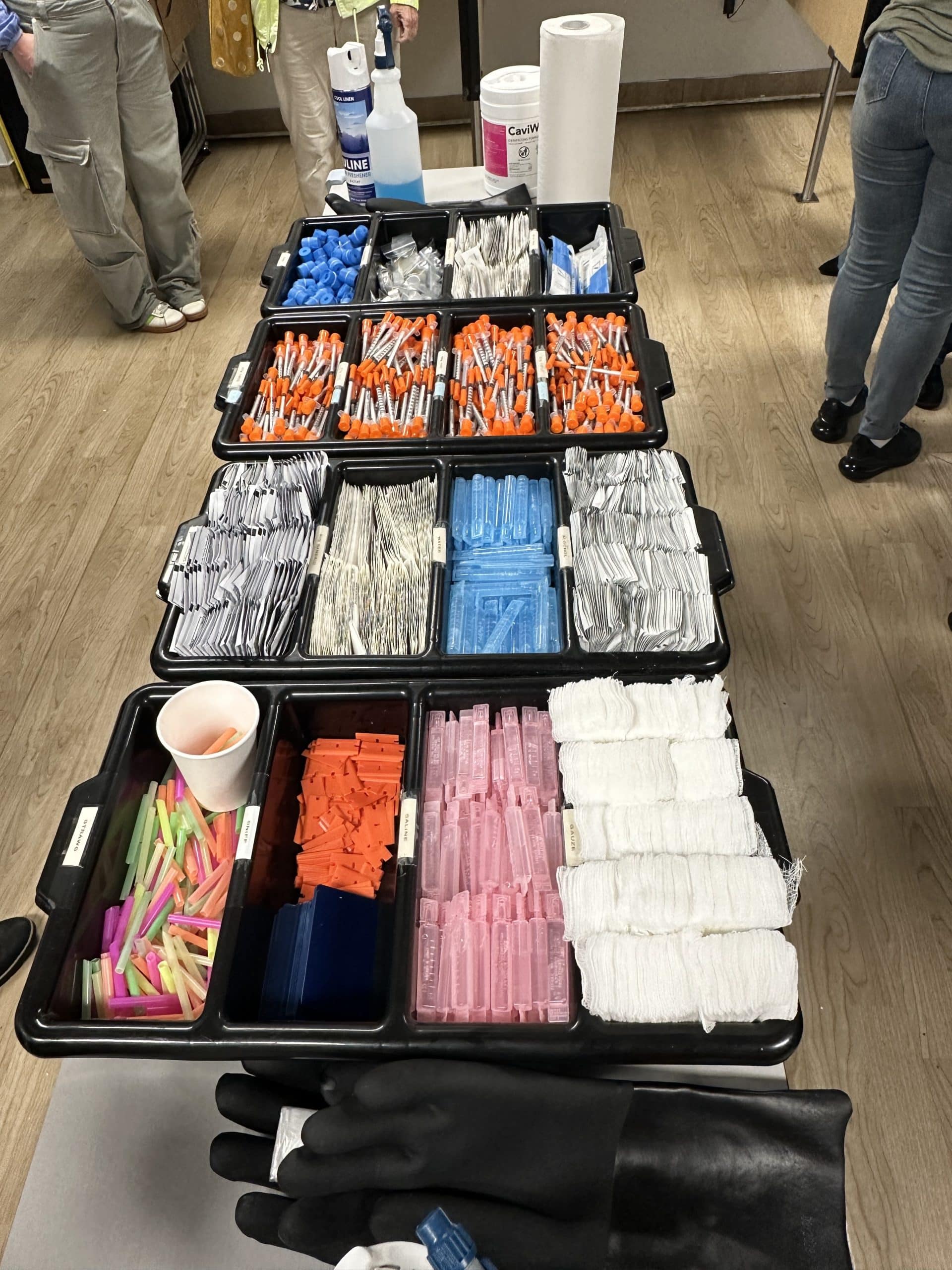
People are often skeptical of harm reduction approaches to substance use disorders, but a site in Miami has seen outstanding results. Florida officials suspect the IDEA Exchange, led by Dr. Hansel Tookes, is at least partly responsible for Miami’s declining overdose death rate since 2016, when the program opened.
The IDEA Exchange, named for the Infectious Disease Elimination Act that authorized it, was the state’s first legal needle exchange program and takes a non-punitive approach to treating addiction.
Rather than insisting on abstinence, it enables patients who inject drugs to get health care including clean syringes, overdose antidotes and options for medications like buprenorphine.
One of the biggest wins for the program? Getting support from both sides of the aisle. Tookes emphasized the benefits he knew would resonate the most with each political group. The approach helps reduce overdose and HIV-related deaths, which he said Democrats appreciated. Doing so lowers health care costs, bringing more Republicans on board.
“Miami’s story illustrates not only that this policy does not cause the rises in overdose and disorder for which it is often blamed, but also that it can bridge ideological divides and work in a red state,” writes Maia Szalavitz for The New York Times.
Needle exchange programs were originally part of an effort to reduce bloodborne virus transmission, but have been shown to offer other benefits. A study in Seattle found that needle exchange participants were more likely to report reducing their drug use, remaining in a recovery program or stop injecting altogether.
The Miami program kicked off in December 2016, just as fentanyl began flooding opioid markets. This timing was crucial. After a site visit in 2022, the state asked Tookes’ team to train others in harm reduction, creating eight needle exchange clinics throughout the state.
According to the CDC, Florida’s overdose fatalities fell 8.4% in 2023 – more than twice the national decline. In contrast, California’s overdose fatalities rose nearly 5% in that time, the CDC reports. Leaders in other states besieged by the fentanyl crisis (looking at you, Gov. Gavin Newsom) might take note.
In other news…
The Biden administration added 10 new states to a program supporting community mental health clinics. The Certified Community Behavioral Health Clinic (CCBHC) Medicaid Demonstration Program aims to help sustainably fund mental health and substance use services, according to a press release from the U.S. Department of Health and Human Services. CCBHCs must ensure access to a broad range of services, including 24/7 crisis services and routine outpatient care within 10 business days. Alabama, Illinois, Indiana, Iowa, Kansas, Maine, New Hampshire, New Mexico, Rhode Island and Vermont – welcome to the club.
Conservative attacks on birth control made headlines this week, mainly because of the blatant misinformation they contained. Republican lawmakers in Louisiana, Idaho and Missouri falsely claimed that birth control methods induced, or were the same as, abortion. While political double-speak can be confusing, it’s important to note that abortion is not linked to any mental health issues, according to research by the University of California, San Francisco. Restricting access to safe, legal abortion, however, is.
Ever felt overwhelmed reading options at the voting booth? You’re not alone. A Ballotpedia study of ballot measures last year found that most questions required a graduate school reading level to understand. For folks with mental disabilities, this can be more than scary – it’s a limit on their right to vote. Disability advocates are pushing back, winning the right to plain language on ballots in Maine, Mother Jones’ Julia Métraux reports. A similar bill is in progress on the California Assembly floor, and New York, North Dakota, Texas and Alabama already have accessibility rules in place as we prepare for this election year.
Happy Pride month! Now is a great time to celebrate and elevate the queer community’s wellbeing. Here are 10 books on LGBTQ mental health, courtesy of Christina Caron at The New York Times. And the book reviews by Them have never led me astray.
If you or someone you know is in crisis or experiencing suicidal thoughts, call or text 988 to reach the 988 Suicide & Crisis Lifeline and connect in English or Spanish. If you’re a veteran press 1. If you’re deaf or hard of hearing dial 711, then 988. Services are free and available 24/7.
Recent MindSite News Stories
Over 3 Years, 43 People Died in Riverside County Jail. Christopher Zumwalt, Violently Pulled from a Cell While Having a Psychotic Crisis, Was One

Ten correctional officers used pepper spray, stun shields, multiple Taser shocks and a Stinger 15 grenade to remove a single, naked man from his cell.
A Beloved Chicago Educator Was Shot to Death in the Midst of a Mental Health Crisis. Why Has No One Been Charged?

Something was going on with Abnerd Joseph, a young, Black assistant principal in Chicago. He was pacing the hallways of his downtown apartment building in his bathrobe and acting strange. Some of his neighbors called 911. Another took matters into his own hands.
How Can We Combat Suicides Among Black Youth? An Interview with Dr. Yolanda Lawson

Dr. Yolanda Lawson, president of the National Medical Association, talks with MindSite News about suicide prevention among Black youth.
If you’re not subscribed to MindSite News Daily, click here to sign up.
Support our mission to report on the workings and failings of the
mental health system in America and create a sense of national urgency to transform it.
For more frequent updates, follow us on Facebook, Twitter and Instagram:

The name “MindSite News” is used with the express permission of Mindsight Institute, an educational organization offering online learning and in-person workshops in the field of mental health and wellbeing. MindSite News and Mindsight Institute are separate, unaffiliated entities that are aligned in making science accessible and promoting mental health globally.
Copyright © 2021 MindSite News, All rights reserved.
You are receiving this email because you signed up at our website. Thank you for reading MindSite News.
mindsitenews.org

The name “MindSite News” is used with the express permission of Mindsight Institute, an educational organization offering online learning and in-person workshops in the field of mental health and wellbeing. MindSite News and Mindsight Institute are separate, unaffiliated entities that are aligned in making science accessible and promoting mental health globally.


Author

Related Articles
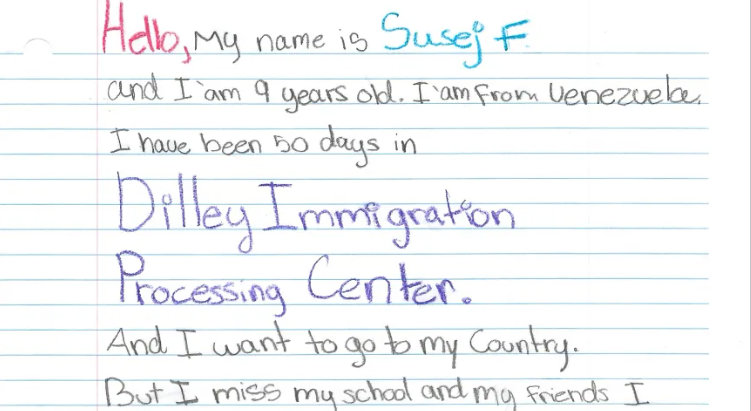
Health Organizations Condemn Traumatic ICE Raids, Family Separation
According to letters from children living in an ICE detention facility, living conditions are inhumane and their mental health is suffering.

In Teens, Social Anxiety Often Looks Like Anger
A study finds that some teens’ aggressive behavior may be due to social anxiety, not straightforward reactivity.
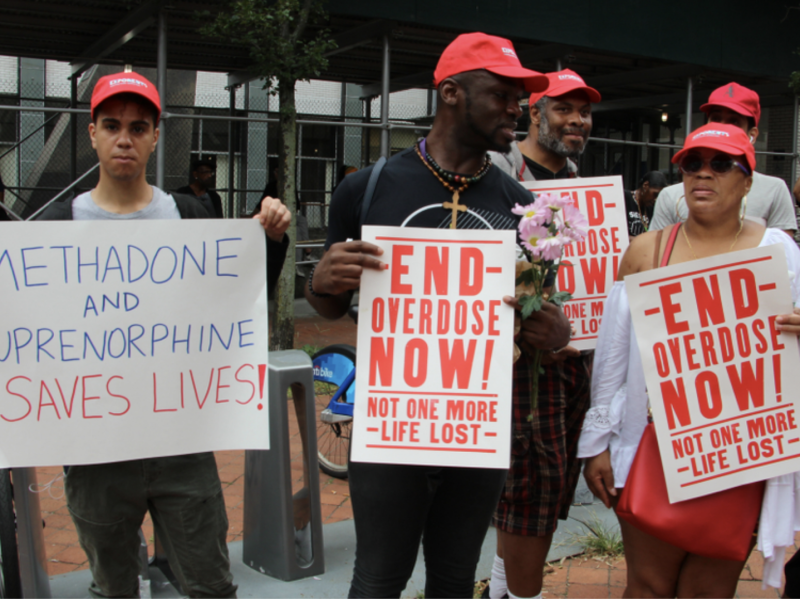
Expert Calls for Harm Reduction, Not Punishment, to Resolve Our Overdose Crisis
As the Trump administration pulls funding from harm reduction, an expert on the overdose crisis says it’s the best way to save lives.
