
From Hunter Biden to this Delaware Family: How Addiction Can Unmoor Us
People with substance use disorder can build their lives back together, but the whole family often needs counseling to let go of grief and rage.. Hot weather can also cause season affective disorder. And more.


June 18, 2024
By Courtney Wise

Greetings, MindSite News Readers! In today’s Daily, one Delaware family sees their own painful addiction story in that of the Bidens, experts offer tips on successfully managing seasonal affective disorder in the summertime, and therapists consider how to connect with farmers as the community faces a high rate of suicide. Plus, one writer gets insight into why it’s so hard to form new habits.
From Hunter Biden to our own families, addiction traps substance users and those who love them

“In Delaware, it seems everyone knows everyone…So the trial of President Biden’s son Hunter on charges of lying about his addiction to purchase a gun felt to some of the state’s residents like a reality show cast with their neighbors and friends,” according to the New York Times’s story “The Rage, Secrecy and Pain of a Family Torn Apart by Addiction.”
When Kim Jones was released from federal prison in 2014, after serving two years for identity theft, possession of stolen property, and forgery, she really “imagined that coming home would be like a utopia.” Clear of the crack and heroin addiction that inspired her criminal acts, she thought it was her chance, she told the Times, to return to her two children and be their mom.
Instead as she transitioned to home life, she learned that “she was a stranger and everyone was furious.” Her parents, Roberta and Curt, were in effect, her children’s parents too, having raised them while she was gone – and even before – when drug addiction had her in its grip. They’d let go of their dreams for their lives years earlier, opting instead to redirect funds originally intended for their fantasy of RV living to cover what they assumed would be Kim’s burial expenses.
“There’s no such thing as an old addict,” Curt, a retired Delaware state trooper explained. Roberta, who worked decades as a nurse, retired early to care for Kim’s children while she was in prison. Amid the whirlwind, the family saw themselves reflected in that of perhaps the most famous Delaware family, the Bidens. It’s such a small state, said Curt. As a trooper was present at the scene of the accident that killer Biden’s first wife and her baby daughter and injured Hunter and his brother Beau. “It’s two degrees of separation.” Hunter Biden was recently convicted of three felonies for lying about his previous drug addiction on an application to own a gun.
Sober for 12 years now, Kim talks of how “moving on” doesn’t always seem possible. Still, she heeded her recovery counselor’s advice to let everyone be angry and “say what they want to say.” She and her daughter also helped mend their relationship in therapy. The family is doing the best they can, thriving in a lot of ways. Today, Kim is a director at a Delaware nonprofit that runs sober living homes and lives with her father, daughter, new husband, three dogs and four cats. Her mother died three years ago and her dad is soon to be remarried. Kim’s daughter is headed to community college, and her son, also in school, is sober and doing well after abusing alcohol during his freshman year. But there’s no escaping the pain of the years she lost or the guilt that haunts her.
“It’s what keeps me up at night,” Kim said. “Because I don’t have a way to make amends other than through my presence. I think a lot about robbing my parents of their retirement and the plans that they had with each other and the things that they wanted to do. And my kids of the childhood they deserved.”
To her father, the addiction Hunter Biden finally overcame reminds him of his family’s years of turmoil – and those of the 49 million Americans who have at least one substance-use disorder. “We all have the same problems,” Curt said.
Seasonal affective disorder can strike in the summertime, too
Yesterday afternoon, I ran across this controversial take on Facebook: “29 degrees is better than 99 degrees. I said what I said.” It’s about as blasphemous a take as you can get in Detroit from a Detroiter, ranked next to Motown fans who still don’t see it for Diana Ross at 80 years old. They do exist. While I’m not one of them, relishing my Mama’s Beyonce as much as my generation’s own, I get their point. At least Ms. Ross’ haters can flip the station on the TV or radio. Climate change rising temperatures, on the other hand, are inescapable, causing great mental distress.
Summer seasonal affective disorder is a form of depression, much like the better known winter SAD, except that it strikes in heat. High school science teacher Greg Flick has been managing the condition for 50 years, he told The Hill, but recently his symptoms have grown worse. “I’ve become less tolerant of the heat, and I think that’s both a function of my physiology and I think it’s also a function of climate change,” he said. Higher temps are also causing airborne pollen to be released earlier in spring, causing worsened moods among people with seasonal allergies.
Unlike winter SAD, which is brought on by reduced exposure to sunlight, summer SAD is triggered by heat and humidity, said Kelly Rohan, a psychology professor at the University of Vermont. The symptoms people exhibit also differ. Those with winter SAD are more sluggish and lethargic, whereas summer SAD prompts agitation and irritability. The combination has dangerous consequences, said Norman Rosenthal, a psychiatrist who was part of the team that first identified seasonal affective disorder 40 years ago.“ It’s potentially a very severe syndrome if it’s bad … if you’re agitated, you’re more likely to do impulsive things,” he said, like act on the suicidal thoughts.”
While researchers continue to work on discovering why SAD can strike some so fiercely, they have generated some strategies to reduce the impact of the disorder, even in summertime. Rosenthal encourages long cold baths or showers and to stay indoors where there is air conditioning as long as possible. Flick uses blackout drapes and a sleep mask to combat the insomnia triggered by the extended summer light, and he declines social invitations that require him to be outside in the sun. But best of all, (to me), he allows himself five toddler-level tantrums per summer. “I mean stomping my feet, really crabbing five times,” he said. “I use these very carefully because I don’t want to use them up … I think it’s actually mindfulness at its core.” If even that fails to help, it’s time to see a professional, Rosenthal said.
What therapists need to know to better support farmers, a community at risk for suicide
Farmers are catching the attention of mental health advocates across the nation – and it’s got nothing to do with the beauty of their crops. Instead, they’re urgently concerned about the high rate of suicide within the farming community and what they can do to lower it. Rural living and gun access alone isn’t enough to cause the crisis, experts told KFF Health News. There’s a lot of pressure farmers deal with that most people don’t understand or realize, said David Brown, a marriage and family therapist who works with Iowa State University to train his peers on how best to support farmers’ mental health.
Most farmers are born into the profession, handed the expectation of holding land to maintain a legacy and livelihood for the generation to come before they can even walk. Raising the stakes, the outcomes of farm life are often out of their control. “Will the weather be favorable? Will world events cause prices to soar or crash? Will political conflicts spark changes in federal agricultural support programs? Will I suffer an injury or illness that makes me unable to perform critical chores?” are all questions they deal with on a regular basis, Brown said. If anything goes wrong, it can ruin their whole world, said Tina Rucker, a therapist who attended one of Brown’s sessions.
It’s true – but the joy of farming cannot be underestimated, according to Jason Haglund, a farmer and drug and alcohol counselor who co-hosts a podcast about the need to improve mental health care. Though not “necessarily a good financial decision,” he said, farming brings a feeling of great pride in the heritage. Haglund raises corn and soybeans on his family’s 500-acre farm – land they’ve farmed on or near for roughly 140 years. He embraces his role as caretaker of the family legacy, he said.
The challenge comes when farmers’ values, including self-sufficiency and being able to solve their own problems, merge with financial stress, familial pressure and emotional pride. The resulting mental distress can be eased with support from a mental health professional, but few farmers trust that therapists understand their lives. Learning what’s realistic for a farmer before advising one on how to manage depression or anxiety is key, he said.
For instance, suggesting a vacation would rarely work because farmers can rarely be away from the farm for too long. Being flexible and patient when schedules change or cancellations happen last minute is critical, too; sometimes unexpectedly perfect weather requires planting or an animal gets sick and needs attention.
In other news…
It’s really, really hard to change how you are who you are: If forming new habits were as simple as verbally declaring cool things every January 1st, would you even be reading this newsletter right now? Anyway, in case you missed it like I did, writer Amanda Mull has some words on why it’s so doggone hard to change in The Atlantic.
Recent study finds that a high-fat diet might make you anxious: Stress-eating junk food won’t just expand your waistline. It can also “impact your brain in a way that can promote anxiety,” said Christopher Lowry, lead researcher on a study investigating the gut-brain connection out of the University of Colorado-Boulder. Though the May 2024 study only examined changes in rats, researchers found that the high-fat diet triggered genes within them associated with a certain subset of serotonin that prompts anxiety responses in animals. One of the same genes in humans, tph2, or tryptophan hydroxylase, is associated with mood disorders and suicidality in humans, he said.
If you or someone you know is in crisis or experiencing suicidal thoughts, call or text 988 to reach the 988 Suicide & Crisis Lifeline and connect in English or Spanish. If you’re a veteran press 1. If you’re deaf or hard of hearing dial 711, then 988. Services are free and available 24/7.
Recent MindSite News Stories
A County Jail Near a Colorado Resort Town Uses Suicide Smocks and ‘WRAPs’ to Restrain Agitated Prisoners
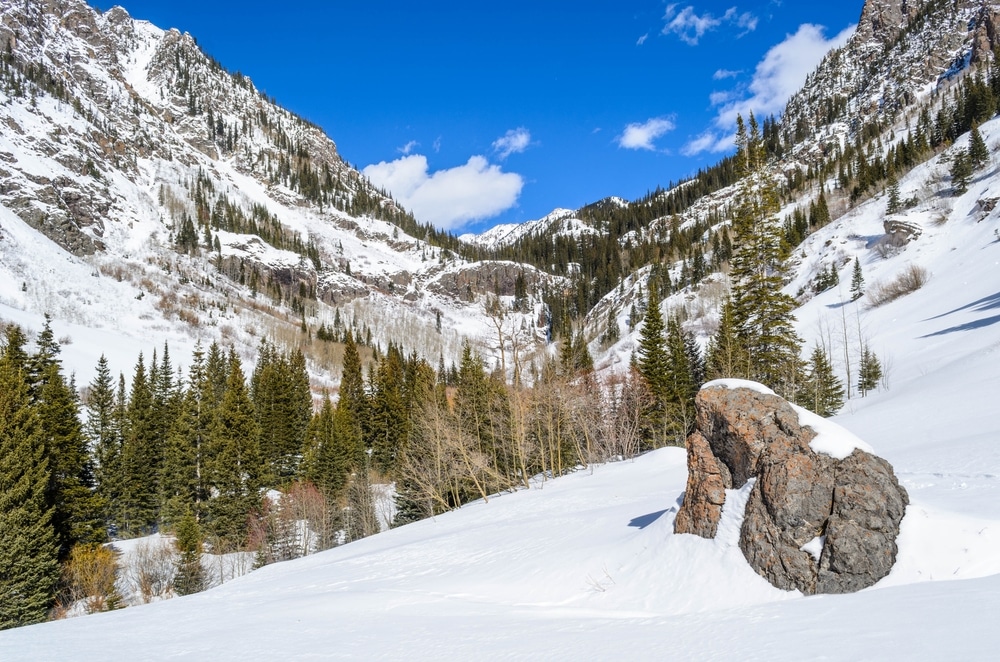
Restraints are often used by law enforcement on people in a mental health crisis, but advocates say there are better approaches. Continue reading…
Over 3 Years, 43 People Died in Riverside County Jail. Christopher Zumwalt, Violently Pulled from a Cell While Having a Psychotic Crisis, Was One

Ten correctional officers used pepper spray, stun shields, multiple Taser shocks and a Stinger 15 grenade to remove a single, naked man in crisis from his cell. He died minutes afterward. Continue reading…
A Beloved Chicago Educator Was Shot to Death in the Midst of a Mental Health Crisis. Why Has No One Been Charged?
Something was going on with Abnerd Joseph, a young, Black assistant principal in Chicago. He was pacing the hallways of his downtown apartment building in his bathrobe, acting strange and calling for help. Some of his neighbors called 911. Another took matters into his own hands. Continue reading…
If you’re not subscribed to MindSite News Daily, click here to sign up.
Support our mission to report on the workings and failings of the
mental health system in America and create a sense of national urgency to transform it.
For more frequent updates, follow us on Facebook, Twitter and Instagram:

The name “MindSite News” is used with the express permission of Mindsight Institute, an educational organization offering online learning and in-person workshops in the field of mental health and wellbeing. MindSite News and Mindsight Institute are separate, unaffiliated entities that are aligned in making science accessible and promoting mental health globally.
Copyright © 2021 MindSite News, All rights reserved.
You are receiving this email because you signed up at our website. Thank you for reading MindSite News.
mindsitenews.org

The name “MindSite News” is used with the express permission of Mindsight Institute, an educational organization offering online learning and in-person workshops in the field of mental health and wellbeing. MindSite News and Mindsight Institute are separate, unaffiliated entities that are aligned in making science accessible and promoting mental health globally.


Author

Related Articles
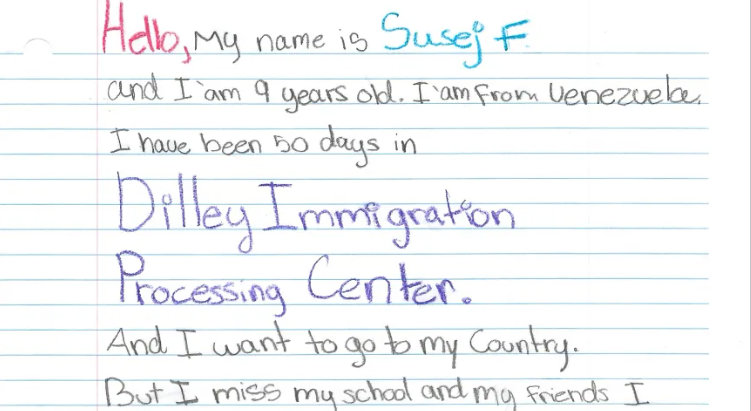
Health Organizations Condemn Traumatic ICE Raids, Family Separation
According to letters from children living in an ICE detention facility, living conditions are inhumane and their mental health is suffering.
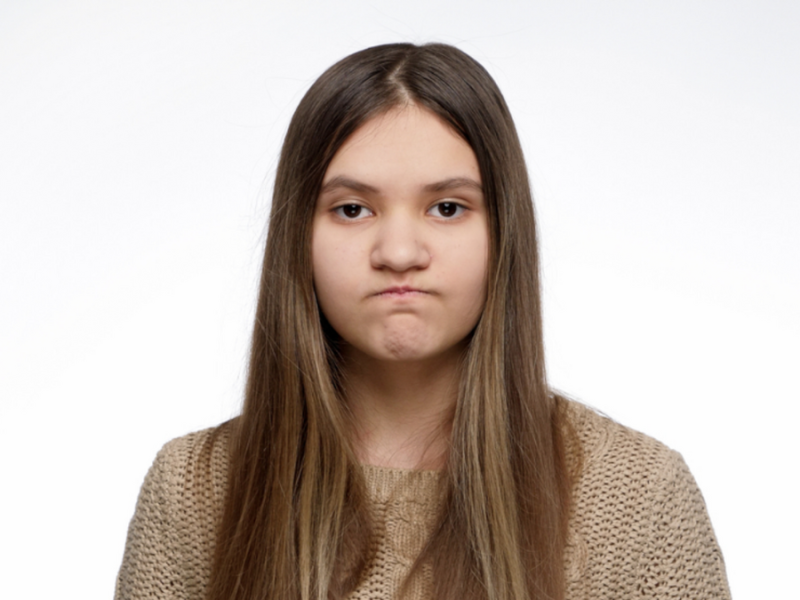
In Teens, Social Anxiety Often Looks Like Anger
A study finds that some teens’ aggressive behavior may be due to social anxiety, not straightforward reactivity.
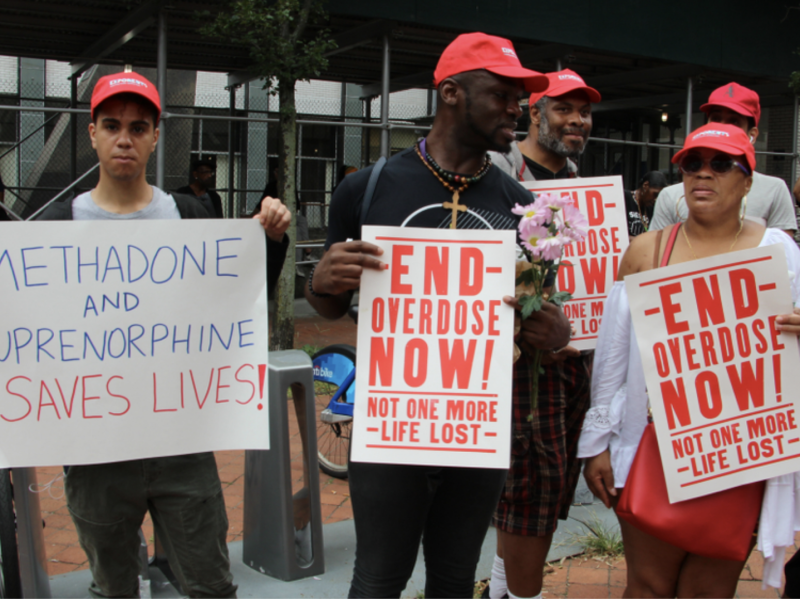
Expert Calls for Harm Reduction, Not Punishment, to Resolve Our Overdose Crisis
As the Trump administration pulls funding from harm reduction, an expert on the overdose crisis says it’s the best way to save lives.
