Juneteenth reflections (and worries)
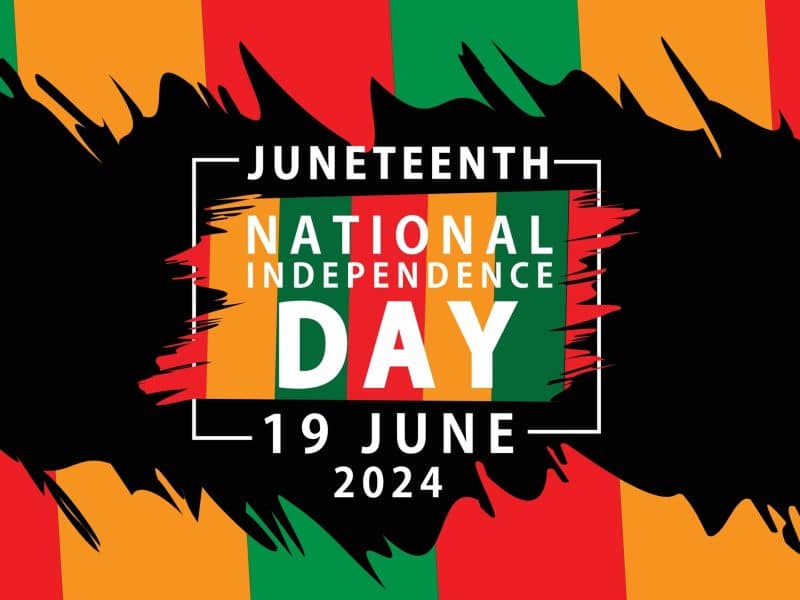
Juneteenth is now a federal holiday, and a healing one at that. Still, I’m more concerned about the future than ever. I can’t help but feel that the successors of those enslavers are trying once again to snatch back our freedom.

Wednesday, June 19, 2024
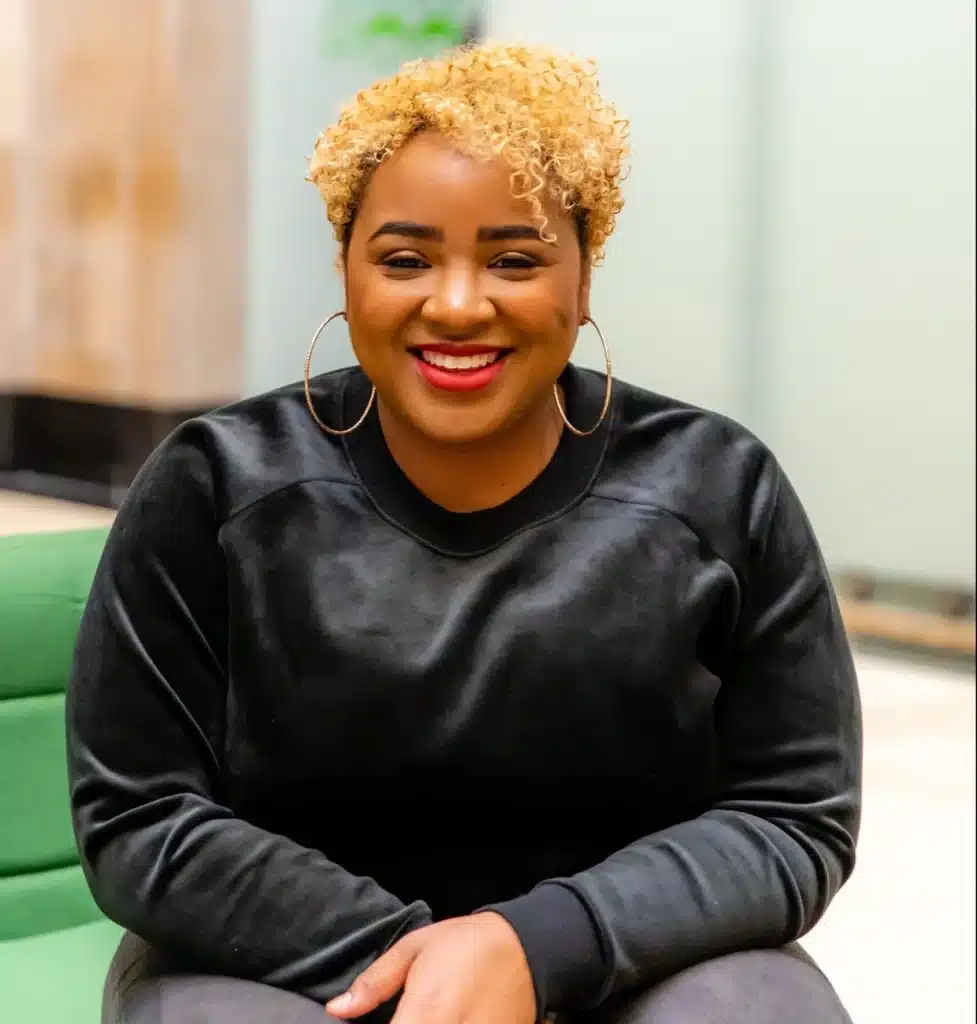
By Courtney Wise
Greetings, MindSite News Readers and Happy Juneteenth! Two years ago, Shannon Shelton Miller wrote this essay about the first time she celebrated Juneteenth in her southwest Ohio town. It was a healing experience for her, she wrote, one in which she was able to release some racial trauma. I’m sharing it today for two reasons.
Like Shannon, as a lifelong midwesterner, I’d heard about Juneteenth from others, but never celebrated it before 2020. National acknowledgement of the occasion and the truth of its significance felt like a step in the right direction. There’s no true end of enslavement in this nation until June 19, 1865 and every American should know.
Secondly, I wonder how she’s feeling now. Though Juneteenth is now a federal holiday, I’m more concerned about the future than ever. As I reflect on the freedom that was hidden from those Texan brethren of mine, I can’t help but feel that the successors of those enslavers are trying once again to snatch back our freedom. I’ll be celebrating today, as I cautiously look ahead.
In today’s Daily, research shows that stress, depression, and anxiety have a big – and often ignored –impact on women’s heart health. Permission granted to indulge our guilty pleasures – for the survival of the species. A new independent living community opens for Broward County residents with serious and persistent mental illness. Plus, a healthcare executive makes the case for how the healthcare system can treat hypochondriacs – like himself – without dismissing their mental illness or bleeding the health system of vital resources. And more.
Mental health woes take a unique toll on women’s heart health
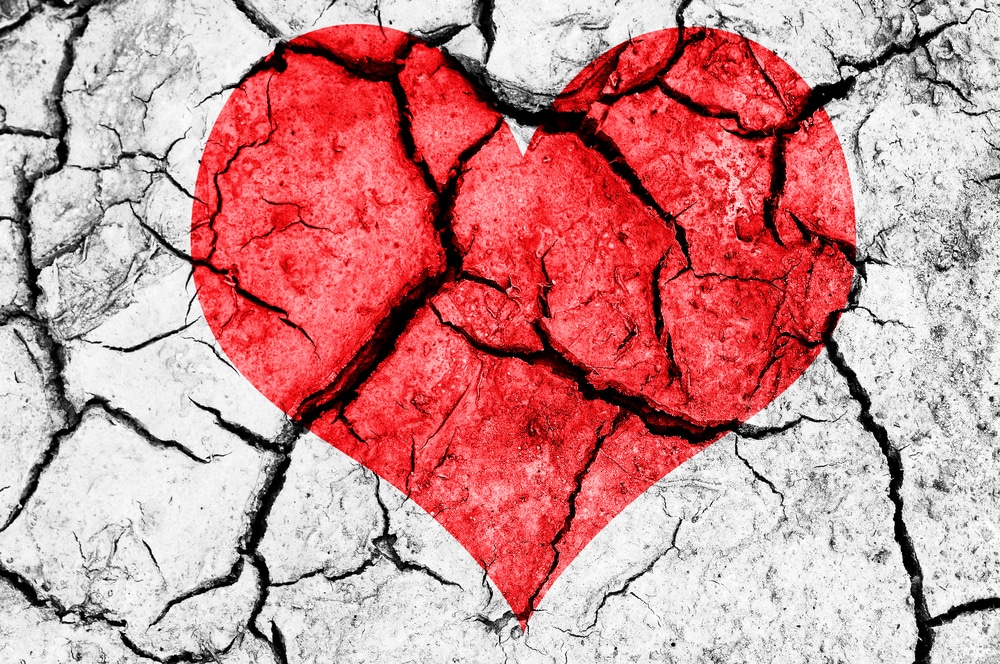
Dianne Travis-Teague drove herself to the emergency room for what might have been the last time. After weeks of being told her chest pain was anxiety or indigestion, she told the Washington Post, doctors finally discovered she was having a heart attack and performed life-saving surgery to unblock her arteries.
That enrages me. For years, my own mother’s doctor told her the chest pain she experienced was all in her head – just stress. Had my stepfather not forced her to visit the emergency room one night in 2015, I’d be acknowledging the ninth anniversary of her death.
Travis-Teague trudged through the months after heart surgery, like my mother did. “I was feeling worse off after the stent than before,” she said. “I suffered, sometimes silently. My family suffered as well.” Not until she was paired with a female cardiologist who specializes in women’s heart disease did things change for the better. Dr. C. Noel Bairey Merz sought insight into Travis-Teague’s life, then prescribed medication and lifestyle changes that had a swift and positive impact. “It was like all of a sudden, somebody could hear me,” Travis-Teague said. “Now I know the importance of work-life balance.”
Her experience is becoming more common as research uncovers the link between mental health and heart health in women. This year, the American College of Cardiology presented findings that show depression and anxiety in young and middle-aged women is a risk factor for poor heart health later in life. Researchers analyzed the records of 71,000 people who had provided blood samples to the Massachusetts General Brigham Biobank. Those with a history of anxiety or depression before the study were about 55% more likely to develop high blood pressure, high cholesterol or diabetes than those without. And women under 50 with anxiety or depression were almost twice as likely to develop these risk factors.
Bottom line: If stress comes up in the exam room, women’s physical symptoms are often dismissed – and this research shows how dangerous that is. “Once a young woman has depression or anxiety, her absolute risk is comparable to a young male,” Giovanni Civieri, a cardiologist at Mass. General, said in a press release. “This study suggests that if a younger woman has depression or anxiety, we should start screening for cardiovascular risk factors.”
Doctors aren’t sure why anxiety and depression boost women’s heart risk, but some posit a link to women’s smaller blood vessels. Whereas men tend to accumulate plaque in large arteries that bring blood to the heart, women often have diffuse, small blockages throughout their blood vessels. That’s dangerous, said cardiologist Evelina Grayver, because they’re tough to detect and treat. Stress in women also shakes up lipid balance, increases platelet aggregation, disrupts glucose regulation, and fuels inflammation, experts say.
Need permission to submit to your guilty pleasure? Here it is!
I haven’t yet listened to the episode of the Short Wave podcast that this NPR article is derived from, but I know I’ll be delighted when I do. I’m anticipating 13 minutes of strong science-backed permission to indulge my guilty pleasures – sans guilt!
Experiencing pleasure is essential to our survival, said neuroscientist Morten Kringelbach. “We need to be able not just to survive for ourselves, but also survive as a species,” he says. “Which means that the fundamental pleasures are the ones where we can have some food that gives us the energy to go on, but also sex that allows us to basically work as a species.”
Kringelbach’s colleague, Kent Berridge, says pleasure connects to more than our brain’s dopamine system. Pleasure transcends what we want and taps into what we like. It’s the difference between cooking up a meal to satisfy your hunger and licking your lips after you eat it, Berridge said. And honestly, isn’t the guilt part usually about upholding societal “isms” we claim we’d rather get rid of anyway?
“Nobody says opera is my ‘guilty pleasure’ because that is something that we think of as very well respected and important and associated with whiteness and upper class,” pleasure activist and gender studies professor Sami Schalk told NPR. “But often these other things that we refer to as guilty pleasures have these moral and social values to them that are often associated with marginalized people in our culture.” Depriving yourself of the joy you get from, say, The Twilight Saga wouldn’t only cause you to feel guilt and shame. It could also keep you from connecting with others and building community around something you enjoy.
Indulging pleasure is important, even the ones we label “guilty,” like binge watching reality TV. In the confines of our daily routines, submitting to simple joys can provide a renewed sense of personal power, said marketing professor Kelly Goldsmith. “Most of us, most of the time, we show up for work, we eat breakfast, we get our kids to school. It’s like holding down a spring,” she said. “And when you just get a chance to let go…It can actually feel pretty excellent.”
Florida clubhouse brings housing to its members, giving people with serious mental illness a place to call home
At 59, Marie Honoré-Rigaud is thrilled to be living on her own for the first time. Undiagnosed mental illness had kept her unemployed or unhoused most of her adult life. She told the Miami Herald that even though she was 24 when she had her first mental health episode, 16 years passed before she was diagnosed with schizoaffective disorder, PTSD and other conditions. Now she’s employed by Footprint to Success Clubhouse in Broward County, Florida, a nonprofit that helps adults with serious mental illness develop vital life skills. She’s also among the first 20 people to move into its Pembroke Pines apartments. “I’m adjusting. I’m learning. I still can’t believe this is mine,” Honoré-Rigaud said.
The community is now open with 100 units, 50 of which are supportive housing. Built and managed in partnership with Carrfour, a Miami-based nonprofit, the supportive housing units are offered at a range of between 25% to 60% of the area median income, with studios, one bedrooms and two bedrooms priced from $416 to $1,300 a month, the Herald said. The Pembroke Pines development is similar to another of Carrfour’s in Miami’s Northside Commons.
“The idea of folks that have severe persistent mental illness being able to come down to the clubhouse for the day and work in the clubhouse and then go upstairs to live was so successful that we really wanted to replicate that model,” said Stephanie Berman, Carrfour CEO. “There was a need for that type of housing community for that same population in Broward, and we thought that would be a great place to replicate the success that we saw in Miami.”
In other news…
In a fascinating read, Hal Rosenbluth, author, healthcare executive, and hypochondriac lays out an argument in STAT for what health care professionals can do to respect and treat people with his mental health condition – without straining the health care system and its resources.
Despite the effectiveness of medication treatment for opioid use disorder, it remains severely underused. Across the 20 states with the highest rates of opioid-related overdose deaths, just one-third of outpatient community mental health facilities offer medication treatment for opioid use disorders, according to a new RAND study.
Is BetterHelp … good? The Guardian looked at the push into Australia by BetterHelp, a virtual therapy service, and found dissatisfied patients, underpaid therapists and skeptical mental health researchers. Some therapists were paid as little as $30 an hour, the Guardian reported, while some clients – asked to pay in advance – found they couldn’t actually find appointment times that worked. One client found the 3 am group therapy session recommended for her unworkable and the weekly 30-minute virtual sessions too restrictive. Worse, the platform sent her daily prompts to journal in the app, but never forwarded what she wrote to her therapist, forcing her into “reliving a lot of stuff on a daily basis without getting a solution.” Andrew Campbell, a psychologist at the University of Sydney, said BetterHelp “has a reputation of doing, I would say, quantity over quality.” A BetterHelp representative told the Guardian “we are confident in the quality and safety of our offerings.”
It’s summertime, which means peak activity season for nymphal-stage deer ticks, the group most responsible for transmitting Lyme disease. For the most part, reports the Washington Post, people respond to and recover fully from the condition with antibiotic treatment. But as with long COVID, between 10 and 25 percent of people treated experience post-treatment Lyme disease” or PTLDS, which brings with it fatigue, brain fog or dizziness. Here’s what to know to get through it.
If you or someone you know is in crisis or experiencing suicidal thoughts, call or text 988 to reach the 988 Suicide & Crisis Lifeline and connect in English or Spanish. If you’re a veteran press 1. If you’re deaf or hard of hearing dial 711, then 988. Services are free and available 24/7.
Recent MindSite News Stories
Jail Near Resort Town Uses Suicide Smocks and ‘WRAPs’ to Restrain Agitated Prisoners

Restraints are often used by law enforcement on people in a mental health crisis, but advocates say there are better approaches.
Over 3 Years, 43 People Died in Riverside County Jail. Christopher Zumwalt, Violently Pulled from a Cell While Having a Psychotic Crisis, Was One

Ten correctional officers used pepper spray, stun shields, multiple Taser shocks and a Stinger 15 grenade to extract a single, naked man from his cell.
A Beloved Chicago Educator Was Shot to Death in the Midst of a Mental Health Crisis. Why Has No One Been Charged?
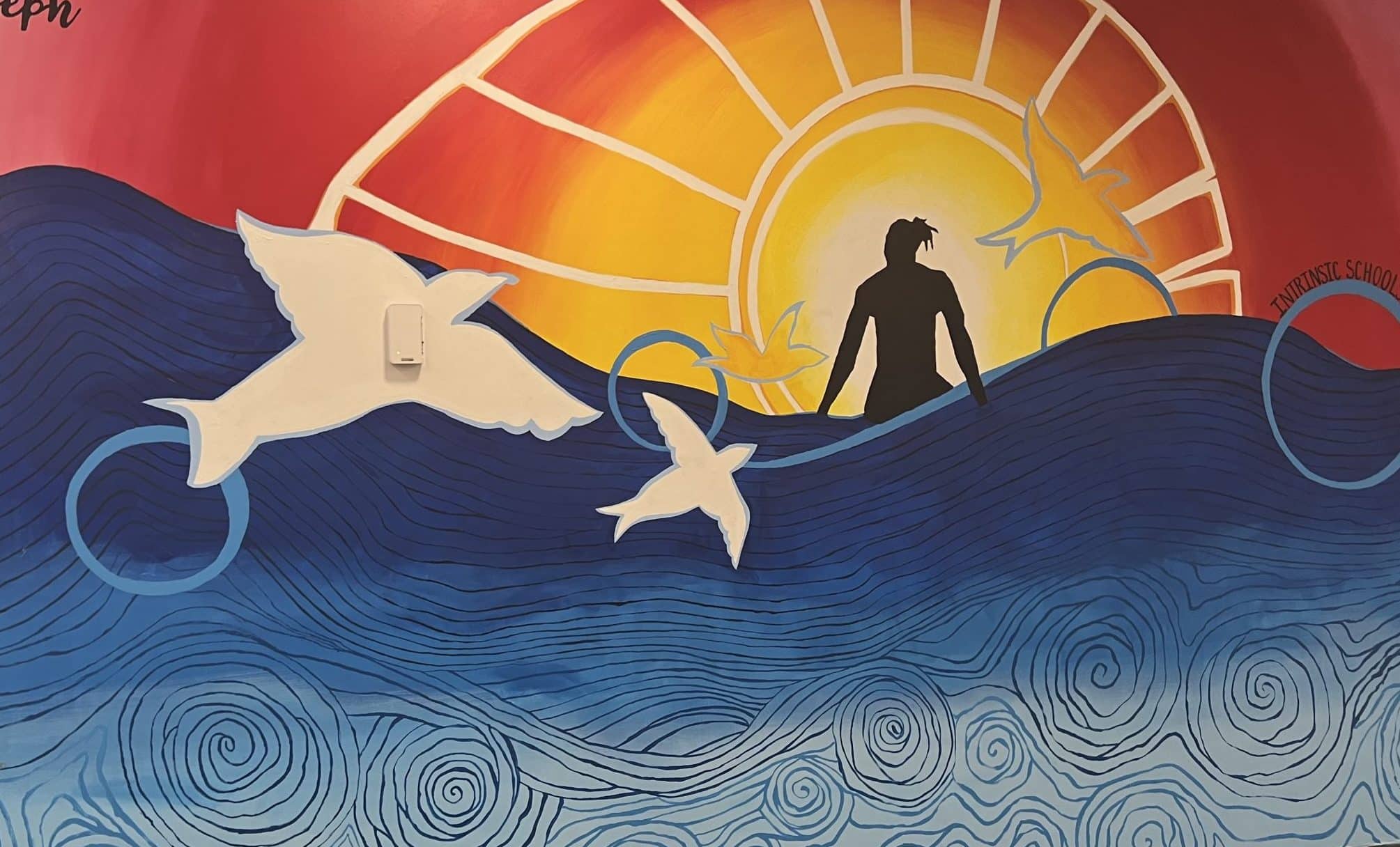
Something was going on with Abnerd Joseph, a young, Black assistant principal in Chicago. He was pacing the hallways of his downtown apartment building in his bathrobe and acting strange. Some of his neighbors called 911. Another took matters into his own hands.
If you’re not subscribed to MindSite News Daily, click here to sign up.
Support our mission to report on the workings and failings of the
mental health system in America and create a sense of national urgency to transform it.
For more frequent updates, follow us on Facebook, Twitter and Instagram:

The name “MindSite News” is used with the express permission of Mindsight Institute, an educational organization offering online learning and in-person workshops in the field of mental health and wellbeing. MindSite News and Mindsight Institute are separate, unaffiliated entities that are aligned in making science accessible and promoting mental health globally.
Copyright © 2021 MindSite News, All rights reserved.
You are receiving this email because you signed up at our website. Thank you for reading MindSite News.
mindsitenews.org
The name “MindSite News” is used with the express permission of Mindsight Institute, an educational organization offering online learning and in-person workshops in the field of mental health and wellbeing. MindSite News and Mindsight Institute are separate, unaffiliated entities that are aligned in making science accessible and promoting mental health globally.


Author

Related Articles
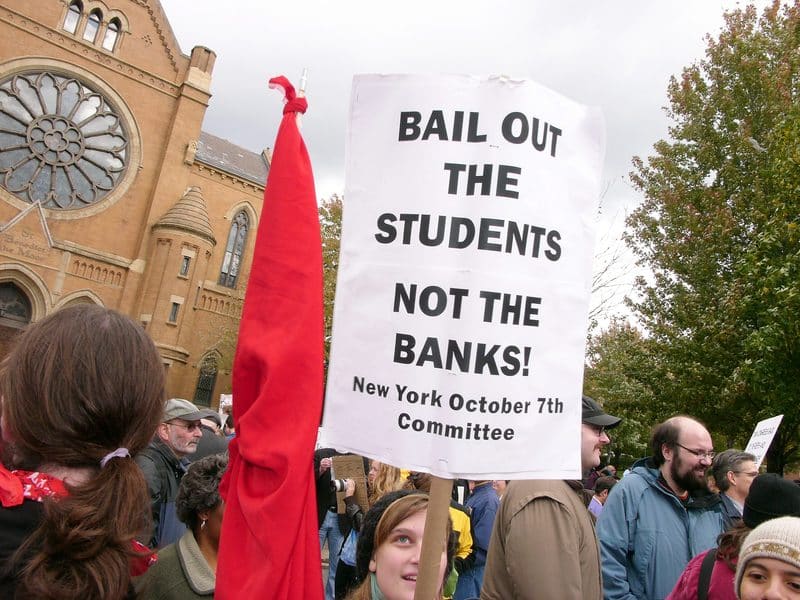
Trump’s Student Loan Changes Cause Anxiety and Panic
Borrowers face rising payments under the Trump administration’s student loan changes. Plus: teaching emotional literacy to teen girls, and why the new CDC youth mental health report is facing criticism.
Rumors of Kids Quitting College En Masse Are Exaggerated
This week: what the data says about Gen Z students quitting college, and why postpartum mental illness is more than depression.
Why Is Georgia Blocking Recovery Homes for Substance Abuse?
Georgia towns are using zoning loopholes to shut recovery homes down, even as addiction and mental illness surge statewide.