
Teaching Boys in Juvenile Detention About Respectful Relationships
In Orange County, Calif.. a health educator is gratified by the enthusiasm over his juvenile hall class on relationships and consent. Volunteering can improve teens’ self-image. Stay-at-home dads defy stigma. And more.
June 27, 2024
By Courtney Wise

Greetings, MindSite News Readers. In today’s Daily, how Planned Parenthood is helping young men in a California juvenile detention facility, and why volunteering may improve your teen’s mental health. Plus, one graduate of gifted and talented programs argues they ought to be done away with, stay-at-home dads tell us why love being with their kids, and more.
I’m also happy to announce that MindSite News has won 20+ awards for its reporting on mental health since its inception in late 2021, including four new awards this month. Read all about it here!
Teaching boys in juvenile detention about consent and respectful relationships
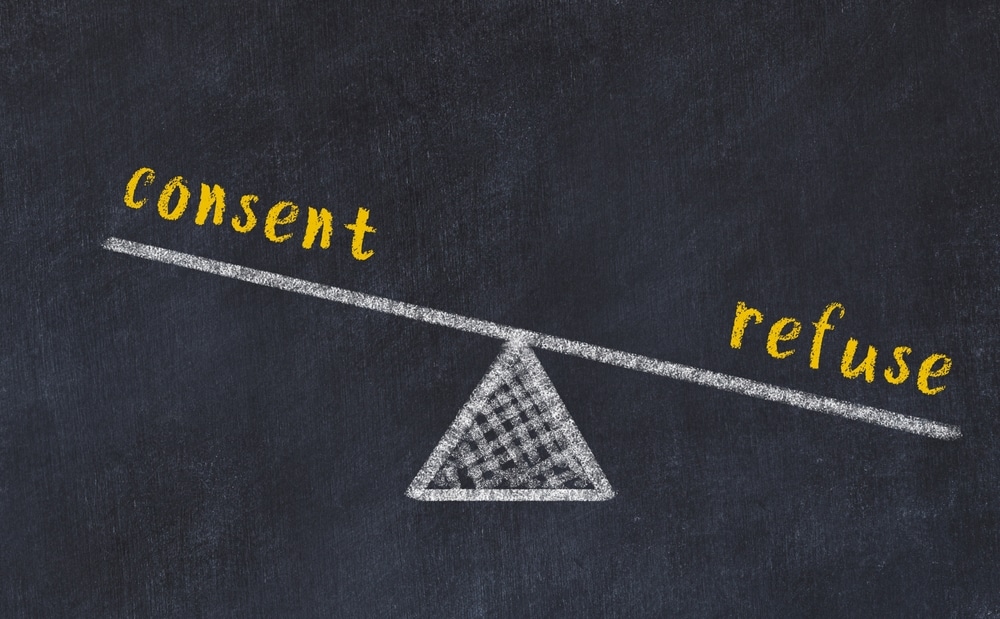
Stepping into the Orange County Juvenile Hall, Yes! Magazine follows Cristobal De La Cruz as he prepares to teach a group of 12 to 18 year old youth how to apply a condom. But something else must come first. He asks the boys to tell him what that is.
Get the girl or buy the condom, they say. Nope, De La Cruz says. The first step is always consent. “Consent is ongoing,” he adds. “If at any point a person doesn’t want to have sex, consent is not given and they will stop. That’s step number one.”
As a health educator with Planned Parenthood of Orange and San Bernardino Counties, De La Cruz leads workshops in the detention facility teaching youth about anatomy and pregnancy, birth control and sexually transmitted infections. The hallmarks of healthy relationships and diffusing toxic masculinity are a part of the curriculum, too.
Other workshops in the program cover gender and sexuality, sex trafficking, and “the man box,” or the ways in which society pressures boys and men to suppress emotions or behaviors not considered masculine. “Our presentation is less of a teacher telling students what to do [and] more of a conversation, with respect between each other,” another health educator Neil Reyes explains. “We’re breaking down ideas of masculinity, learning about reproductive health, and helping partners.” Their Planned Parenthood chapter expects to reach 300 incarcerated tweens, teens, and young men by the end of June.
Their long-term goal, to change the mindsets of people living in jail, is a tall order. It’s also tough to measure. “The participants are not in a place where empathy is rewarded,” Reyes says. “So it’s not clear how much the message of men being OK to cry or to show emotions is being put to use where they are.”
Their Planned Parenthood chapter runs workshops at Theo Lacey, an adult prison nearby, which is expected to show evidence of the program’s positive impact over time. The initiative there, called the Transitional-Age Youth, or TAY sector, houses young men aged 18 to 25 together, while providing classes in addiction recovery, mental health, obtaining employment, and preparing for re-entry. TAY participants will be interviewed for three years after release to learn if they adhere to the safe sexual health practices they’re being taught.
So far, Reyes knows something good is happening. A participant told him that, even though he wasn’t raised to discuss his emotions, he’ll be sure to allow his son to do so. “Now I know that this person got something from the workshops that he could show the next generation if he has his own son.”
Volunteer work can improve the way teens see themselves
Volunteering is beneficial to one’s physical and mental health, research shows. Such service is associated with mattering in the world, a notion that’s connected to psychological well-being. It’s not just the case for adults, either. Emerging research shows that children and teens who volunteer show better physical and mental health too, Scientific American reports.
Though not definitive, scientists find results from early experiments to be overwhelmingly positive and enough to encourage further study. One experiment found that 10th graders who volunteered in an elementary school for two months showed fewer signs of harmful inflammation and lower levels of obesity compared with students who didn’t volunteer. Another analysis conducted last year found that of the more than 50,000 youth who took the National Survey of Children’s Health, those who volunteered within the previous year were more likely to be in very good or excellent physical health, stayed calm when faced with challenges, were less likely to be anxious, as compared to youth who did not volunteer.
And though the findings could very well simply indicate that the children volunteering were already in great physical and mental health, said study leader Kevin Lanza, it’s worth further examination, particularly during this crisis of youth mental health.
Earlier this year, U.S. Surgeon General Vivek Murthy pointed to an epidemic of loneliness, but just three years ago, he declared that the number of young people reporting persistent feelings of sadness or hopelessness had leapt 40 percent over the past decade. Since the pandemic, the numbers of youth with depressive and anxiety symptoms have nearly doubled for numerous reasons, experts say, including pandemic grief, the tense and polarized political environment, climate anxiety, personal difficulties, and social media.
Being connected to others and feeling confident of the contribution one is making to their group is a crucial piece of social and emotional development for young people, says developmental psychologist Andrew Fuligni. “Part of the exploration of adolescence and young adulthood is figuring out where you can be needed and useful—arguably core aspects of our mental health.
In other news…
ICYMI, there’s a new story about stay-at-home dads who defy stigma and revel in being with their children at home. In 1990, Hector Jaeger put aside his small business and carpentry work to become a full-time stay-at-home father. It was pretty isolating and lonely, he and his wife said. But, they’ve no regrets. In fact, Jaeger is a stay-at-home grandfather these days. His oldest daughter runs the business he set aside roughly thirty years ago. It’s much easier to be a male primary caregiver today, he told the New York Times. “I almost feel like I’m cheating, because it’s so, so much fun. I do everything during the day. It’s just the joy,” he said, “without the work.”
It’s hard to get people to understand the mental and emotional disruption one may feel after an emergency cesarean section, especially when they are so routine and baby and mama recover well physically. But I felt it. Six years later, I still do. I’ve gotta let it go, but for now the sentiment reveals one more way in which I’m a work in progress. That said, artist Cat Willett gets it. Art therapy helped her heal from the disruption and she uses her skill here, in the Washington Post, to illustrate how she broke through the struggle.
Rethinking gifted and talented programs: In this guest column published by CalMatters, Thomas Stewart, who benefitted from attending a “gifted and talented” elementary school argues for the elimination of such programs. Aside from the adverse mental health issues research shows gifted students face, Stewart says the separation has detrimental psychological impact on all students: “Gifted students lack the opportunity to engage with more of their school community while standardized students are deprived of amazing educational opportunities. This social distinction endures throughout and after high school, leaving both groups feeling as though there is no place in which they can interact — as though they are inherently different.”
Find advice on sibling quarrels, co-sleeping quandaries, discipline (or lack of it) and more from Slate parenting advice columnist Rebecca Onion. If you’re like us, reading her column may make you feel grateful that your parenting issues are not as exhausting as the ones she confronts.
If you or someone you know is in crisis or experiencing suicidal thoughts, call or text 988 to reach the 988 Suicide & Crisis Lifeline and connect in English or Spanish. If you’re a veteran press 1. If you’re deaf or hard of hearing dial 711, then 988. Services are free and available 24/7.
Recent MindSite News Stories
When a Pet Dies

Friends and family may not understand the depth of the grief you and your kids feel over the loss of a beloved pet. Here are some ways to cope. Continue reading…
A County Jail Near a Colorado Resort Town Uses Suicide Smocks and ‘WRAPs’ to Restrain Agitated Prisoners

Restraints are often used by law enforcement on people in a mental health crisis, but advocates say there are better approaches. Continue reading…
Over 3 Years, 43 People Died in Riverside County Jail. Christopher Zumwalt, Violently Pulled from a Cell While Having a Psychotic Crisis, Was One

Correctional officers used pepper spray, stun shields, multiple Taser shocks and a Stinger 15 grenade to remove a single, naked man from his cell in Riverside County’s jail. Ten minutes later he stopped breathing.
If you’re not subscribed to MindSite News Daily, click here to sign up.
Support our mission to report on the workings and failings of the
mental health system in America and create a sense of national urgency to transform it.
For more frequent updates, follow us on Facebook, Twitter and Instagram:

The name “MindSite News” is used with the express permission of Mindsight Institute, an educational organization offering online learning and in-person workshops in the field of mental health and wellbeing. MindSite News and Mindsight Institute are separate, unaffiliated entities that are aligned in making science accessible and promoting mental health globally.
Copyright © 2021 MindSite News, All rights reserved.
You are receiving this email because you signed up at our website. Thank you for reading MindSite News.
mindsitenews.org

The name “MindSite News” is used with the express permission of Mindsight Institute, an educational organization offering online learning and in-person workshops in the field of mental health and wellbeing. MindSite News and Mindsight Institute are separate, unaffiliated entities that are aligned in making science accessible and promoting mental health globally.


Author

Related Articles
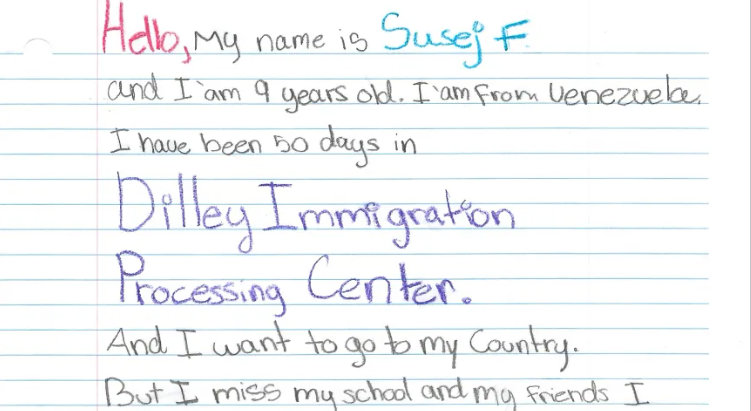
Health Organizations Condemn Traumatic ICE Raids, Family Separation
According to letters from children living in an ICE detention facility, living conditions are inhumane and their mental health is suffering.
In Teens, Social Anxiety Often Looks Like Anger
A study finds that some teens’ aggressive behavior may be due to social anxiety, not straightforward reactivity.
Expert Calls for Harm Reduction, Not Punishment, to Resolve Our Overdose Crisis
As the Trump administration pulls funding from harm reduction, an expert on the overdose crisis says it’s the best way to save lives.
