
The Overlooked Dangers of Tasers in Mental Health Response
The next installment of our Fateful Encounters series produced in partnership with the Investigative Program at Medill College of Journalism, looks at the fatal and non-fatal effects of using Tasers to respond to people in crisis

Friday, June 28, 2024
By Josh McGhee

Happy Friday MindSiters,
This month’s edition of Diagnosis: Injustice is coming straight from Salt Lake City, where MindSite News presented some of our work at the National Stop the Stigma Summit.
Today, we share with you the next installment of our Fateful Encounters series produced in partnership with the Investigative Program at Medill College of Journalism – a deep examination by Sela Breen into the fatal and non-fatal effects of using Tasers to respond to people in crisis. Let’s get into it…
Tasers Can Kill. When They Don’t, They Can Still Do Lasting Damage
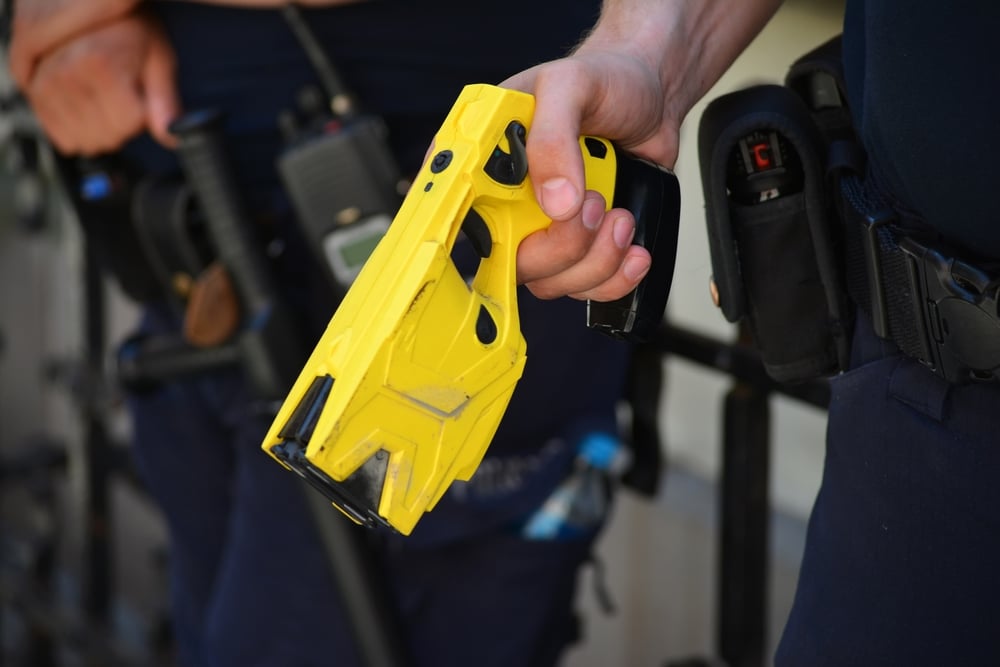
Atlanta police officers were well aware that Jarontez Garrett was experiencing a mental health crisis and acting erratically when they were dispatched by a crisis hotline requesting that officers provide assistance to the 20-year-old college basketball player at a Hyatt Hotel..
Over the last several days, he had come into contact with officers multiple times. In fact, this interaction would be the second of the day. As they waited for an ambulance that would not arrive for more than three hours, his mother asked the officers to “stand off.” But the presence of officers made Garrett nervous and he eventually attempted to run, but he was grabbed by an officer and tasered.
“It just felt like everybody was against me,” Garrett told MindSite News.
Across the country, Tasers are being deployed frequently against people suffering from mental health crises, according to a collaborative investigation by MindSite News and the Medill School of Journalism at Northwestern University. In Atlanta, Tasers were used at least 29 times from 2019 through 2022 in response to a 911 call about a person in a mental health crisis.
That force was disproportionately used against Black men.
While no comprehensive data set exists on the number of times Tasers are deployed against people in mental health crises, the collaborative investigation by MindSite News and the Medill School of Journalism at Northwestern University involving more than 100 cities nationwide was revealing. Sixteen cities provided use-of-force logs documenting 450 incidents in which Tasers were used on people following a mental health-related 911 call since January 2020.
A recent Associated Press investigation has also found that 538 people were killed by Tasers or stun guns in the 10-year period between 2012 and 2021. Taser manufacturer Axon Enterprise used to describe the device as “non-lethal” but now calls it “less lethal.” Another national dataset, compiled by the advocacy group Campaign Zero, discovered that nearly a quarter of people who died as a result of being tased by police were experiencing a mental health crisis.
And nationally, Tasers have been used on people with mental illness 28% more often than those without mental illness, according to a 2016 study in the Journal of the American Academy of Psychiatry and the Law.
Read the complete investigation into Taser use against people in crisis across the country.
Our investigation into the use of deadly force in response to 911 mental health crisis calls began with this story in Chicago, the first in our Fateful Encounters series. We’ve also explored deadly police responses in New Hampshire, Taser use by police in response to mental health crises in Puerto Rico, the use of suicide smocks and ‘WRAPs” to restrain prisoners in a jail near a Colorado resort town and the mental health woes of 911 call-takers.
It’s a sobering body of work.
Until next time,
Josh McGhee
If you or someone you know is in crisis or experiencing suicidal thoughts, call or text 988 to reach the 988 Suicide & Crisis Lifeline and connect in English or Spanish. If you’re a veteran press 1. If you’re deaf or hard of hearing dial 711, then 988. Services are free and available 24/7.
Recent MindSite News Stories
When a Pet Dies

Friends and family may not understand the depth of the grief you feel over the loss of a beloved pet. Here are some ways to cope.
A County Jail Near a Colorado Resort Town Uses Suicide Smocks and ‘WRAPs’ to Restrain Agitated Prisoners

Restraints are often used by law enforcement on people in a mental health crisis, but advocates say there are better approaches.
If you’re not subscribed to MindSite News Daily, click here to sign up.
Support our mission to report on the workings and failings of the
mental health system in America and create a sense of national urgency to transform it.
For more frequent updates, follow us on Facebook, Twitter and Instagram:

The name “MindSite News” is used with the express permission of Mindsight Institute, an educational organization offering online learning and in-person workshops in the field of mental health and wellbeing. MindSite News and Mindsight Institute are separate, unaffiliated entities that are aligned in making science accessible and promoting mental health globally.
Copyright © 2021 MindSite News, All rights reserved.
You are receiving this email because you signed up at our website. Thank you for reading MindSite News.
mindsitenews.org

The name “MindSite News” is used with the express permission of Mindsight Institute, an educational organization offering online learning and in-person workshops in the field of mental health and wellbeing. MindSite News and Mindsight Institute are separate, unaffiliated entities that are aligned in making science accessible and promoting mental health globally.


Author

Related Articles
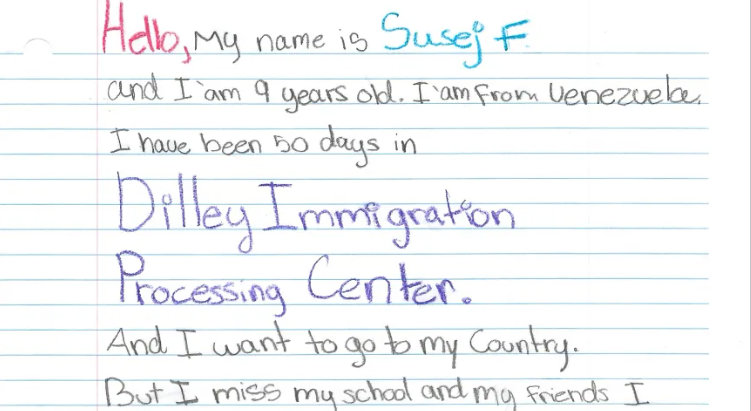
Health Organizations Condemn Traumatic ICE Raids, Family Separation
According to letters from children living in an ICE detention facility, living conditions are inhumane and their mental health is suffering.

In Teens, Social Anxiety Often Looks Like Anger
A study finds that some teens’ aggressive behavior may be due to social anxiety, not straightforward reactivity.
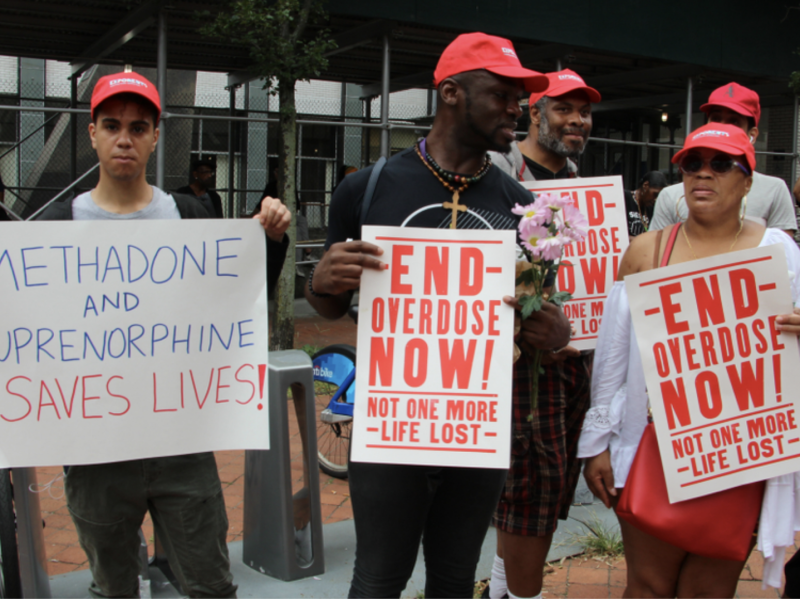
Expert Calls for Harm Reduction, Not Punishment, to Resolve Our Overdose Crisis
As the Trump administration pulls funding from harm reduction, an expert on the overdose crisis says it’s the best way to save lives.
