
Our World War II Dads, the Supreme Court and Our Mental Health
The Supreme Court’s ruling on presidential immunity seems certain to impact our mental health and have other catastrophic effects: What would our World War II fathers say?

July 2, 2024
By Courtney Wise

Greetings, MindSite News Readers! In today’s Daily, MindSite News co-editor Diana Hembree weighs in on the Supreme Court’s disastrous ruling on presidential immunity, its impact on our collective mental health – and what we can do about it.
Plus, how to deal after being ghosted; an engaging feature on the positive impact of “men’s work” through the nonprofit All Kings; and how to remedy stress-induced acne. Plus, the Cook County Sheriff’s Office is deploying mental health professionals alongside cops on mental health calls. The catch is, they’re not in-person, but on Zoom.
Our World War II dads, the Supreme Court and our mental health
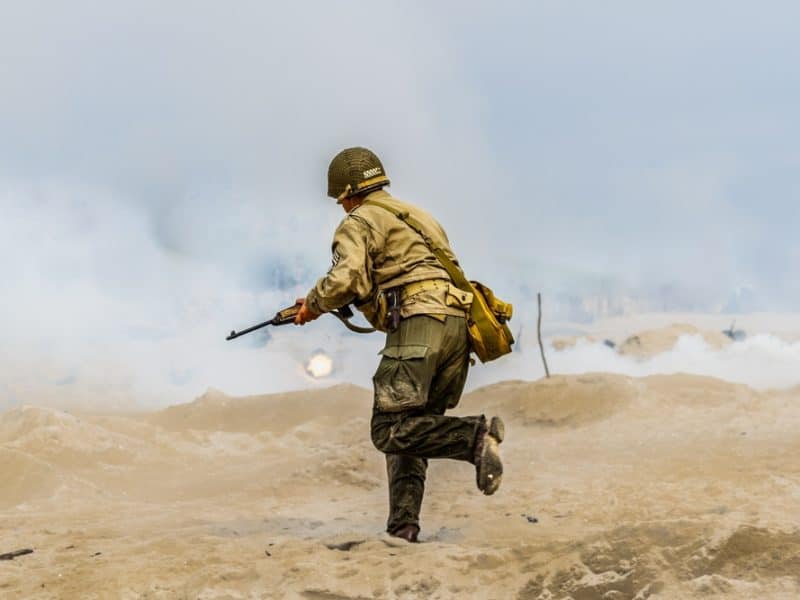
My father enlisted in the Army at age 16 to fight Nazi Germany in World War II. I remember him telling me that when he saw the beautiful and well-tended fields of Germany, he saw the people there were just from small farming families like his own, and he wondered how they could possibly have fallen prey to a madman like Hitler. Although my beloved father died many years ago, I have no doubt what he would say about the Supreme Court’s unconscionable ruling on presidential immunity from the law:
“Why, I can’t believe it: We’re laying the grounds to create our own power-mad dictator right here in our own country.”

Thinking about the Supreme Court, which years ago I trusted and held in high esteem, I feel paralyzed with fury and despair and unable to concentrate, as are many friends I’ve talked with. I think of my father on the ship to Europe, another poor farm boy from Georgia, alone and sick with fear in the midst of the sacrificial troops steaming toward Normandy.
I think of my great-uncle shot down over the Pacific, my great-aunt in Alabama feeling an explosion in her head on the day it happened; the moss-covered headstones of so many distant World War II cousin-soldiers in the country cemetery. I think of co-editor Rob Waters’ father, who also landed at Normandy, after enlisting in the fight against fascism in Europe, and was in combat up and down France and Czechoslovakia.
This is what six members of the present Supreme Court have offered them for their sacrifice: Unchecked criminal immunity for U.S. presidents so those presidents can evolve into a home-grown Hitler, if they so choose, with no constraints or consequences.
In her dissenting opinion, Justice Sonia Sotomayor said it best:
“Today’s decision to grant former Presidents criminal immunity…makes a mockery of the principle, foundational to our Constitution and system of Government, that no man is above the law… This majority’s project will have disastrous consequences for the Presidency and for our democracy.

“…The President of the United States is the most powerful person in the country, and possibly the world. When he uses his official powers in any way, under the majority’s reasoning, he now will be insulated from criminal prosecution. Orders the Navy’s Seal Team 6 to assassinate a political rival? Immune.Organizes a military coup to hold onto power? Immune. Takes a bribe in exchange for a pardon? Immune. Immune, immune, immune…. In every use of official power, the President is now a king above the law.”
The only way to not give into despair and to care for our mental health is to take action and let our voices be heard. The “greatest generation” would be outraged, and we should be, too.
–Diana Hembree
Been ghosted? How to deal with the mental fallout

These days, even the supermodels among us are being ghosted. At least that’s what Rachel Sussman, therapist and author of The Breakup Bible, tells the New York Times. Ghosting, a term that refers to one cutting off all communication without explanation, is characteristic of today’s dating landscape, experts say. Experienced by people of all ages, genders, and sexual orientations, ghosting’s hallmark ambiguity makes it tough to accept — even more than flat-out rejection, said Philadelphia-based marriage and family therapist Elizabeth Earnshaw.
Some of her clients “start to question their reality” and experience a “crisis of self-esteem” after being ghosted, she said. The abundance and popularity of dating apps seems to have exacerbated the practice, causing some people to be ghosted repeatedly. Earnshaw’s clients ask, “Am I doing something that’s creating this over and over again?” Others wonder, “How could I be so worthless that someone would not care to say goodbye?” she said.
People who ghost do so to avoid the discomfort of a breakup, but trudging through the conversation is better than leaving someone with the pain and scars of ghosting, Earnshaw said.
As with any rule, there are exceptions here, too. If you’ve experienced violence or have concerns about stalking or your safety, by all means, go ghost! In fact, says Earnshaw, she’s not even all-in on categorizing those situations as ghosting. But if your actual safety isn’t the concern, it’s important to end the relationship with verbal or written communication. Keep things brief and move on; avoid trying to “fix” the person on the way out, said etiquette expert Elaine Swann.
In the event you’ve been ghosted, Earnshaw says, be kind to yourself. Make time to be with friends, move your body, journal for self-expression, and lean into hobbies that give you peace. Most of all, adds Sussman, remember that you’re not alone. Ghosting is, unfortunately, common nowadays. Remind yourself, as often as you must, that their failure to communicate probably has little to do with your flaws. “This person was showing me who he was,” said writer Brenna Holeman after being ghosted. “He was showing me that he was immature, lacks empathy and couldn’t be bothered to even send a quick text.”
All Kings enter the woods to do “men’s work” and get well
For his most recent New York Times assignment, reporter Joseph Bernstein entered the woods with one dozen other men. A motley crew, sharing little in common but a desire to mentally and emotionally heal, they were nervous. All Kings, the nonprofit facilitators of their program, expected as much. They’d purposely limited details about what men could expect throughout the weekend-long “Nature Quest,” encouraging them to simply trust the process. The impact is greater if participants don’t know what’s coming, facilitators explained. In addition, some might opt to not show up if they knew what would be involved. For reporting, Bernstein and Kadar R. Small, a photographer, agreed to participate in the Nature Quest themselves and maintain confidentiality about certain specifics.
All Kings practices “men’s work,” a set of therapeutic activities designed to aid men in personal growth, healing, and becoming a better man. The idea is that men need support in confronting their emotional damage and positively applying masculinity. Many men lack such support growing up, regardless of their backgrounds, prompting them to inflict harm on themselves and society. Through a series of severe and intensive exercises, including dramatic reenactments, physical movement, and reflection in between, men aim to emerge from the retreat stronger, kinder, and more purposeful versions of their inner king, a la Carl Jung.
Men who previously spent time incarcerated are a large part of All Kings, but they are not the only ones. On Bernstein’s weekend, there was a diverse bunch: US natives and immigrants; Black, White, Asian; gay, bisexual, heterosexual; young, middle-aged. They were also, by the end of it all, largely transformed—or set upon the path to become the better men they intend to be. “It’s worth noting,” Bernstein writes, “that when I returned from the weekend, my wife told me that I seemed more present and less burdened than I had been in a long time.”
Pimples appearing out of nowhere? Stress may be the cause
It’s frustrating because it’s true: Stress can cause skin breakouts. “Believe it or not, managing stress is a key part of your skin care routine,” dermatologist Mina Amin told Buzzfeed. “My favorite methods of relieving stress include meditation, yoga and breathing techniques, which can all contribute to decreasing stress and ultimately helping your skin.” The stress breakouts come as a result of elevated levels of cortisol, which our bodies produce in response to stress. Cortisol leads to increased inflammation in the skin and those pesky pimples, explained Nkem Ugonabo, a dermatologist and assistant professor at Albert Einstein College of Medicine.
Elevated cortisol levels can also aggravate skin conditions that aren’t related to stress, like acne, eczema, psoriasis, and rosacea. That’s because cortisol stimulates the production of sebum, or your skin’s natural oil. The good news is, there are things you can do to alleviate that annoyance — and keep your funds intact, too.
First things first: Keep your skin care routine simple during a stress breakout. Don’t add new products and focus on gentle cleansing to address your skin’s inflammation. Next, get moving, even when you don’t feel like it, because exercise is a great way to reduce stress. Dallas-based dermatologist DiAnne Davis also prescribes lots of water and a well-balanced diet. With what research is uncovering about the gut-mind connection, it’s a good plan for your overall health. And finally, don’t forget about sleep. It’s the key that ties everything else together.
In other news…
Six Schizophrenic Brothers: Four years ago, Robert Kolker wrote Hidden Valley Road: Inside the Mind of an American Family, which tells the true story of the Galvin Family. Headed by Don and Mimi, they raised 12 children, 6 of whom would be diagnosed with schizophrenia. The book has been celebrated as a great read, adding insight into science’s quest to learn more about the disease. Now a four-part docuseries on HBO Max, Six Schizophrenic Brothers, shares the story with yet another audience.
Cops deploy mental health support to citizens via Zoom: Two years ago, the City of Los Angeles began a partnership with LA County to deploy mental health teams from fire stations to support mental health calls. That partnership is now ending, with the city taking a step back. Officials told LAist that low patient numbers and ongoing staffing shortages prompted the break. The county said it plans to move forward with the program.
In contrast, officials in Illinois’ Cook County’s Sheriff’s office have found a creative workaround for a similar program since 2020. There Sheriff Tom Dart launched the Co-Responder Virtual Assistance Program, or CVAP, which has officers connect clinicians via tablets to people in a mental health crisis on a scene. So far, the program employs 12 people and assists across 31 suburban Chicago police departments on calls related to domestic trouble, suicidality, substance abuse, and other issues related to mental health. And, it only costs the county $1.2 million per year. Dart told CBS News that an in-person program would require more than 130 staffers, reach fewer people, and cost almost $13 million annually.
If you or someone you know is in crisis or experiencing suicidal thoughts, call or text 988 to reach the 988 Suicide & Crisis Lifeline and connect in English or Spanish. If you’re a veteran press 1. If you’re deaf or hard of hearing dial 711, then 988. Services are free and available 24/7.
Recent MindSite News Stories
Watching Too Much True Crime TV Can Be Bad for Your Mental Health, Experts Say
Some women who consume hours of true crime shows and podcasts have reported suffering from hypervigilance or a reluctance to leave the house. Continue reading…
Tasers Can Kill. When They Don’t, They Can Still Do Lasting Damage
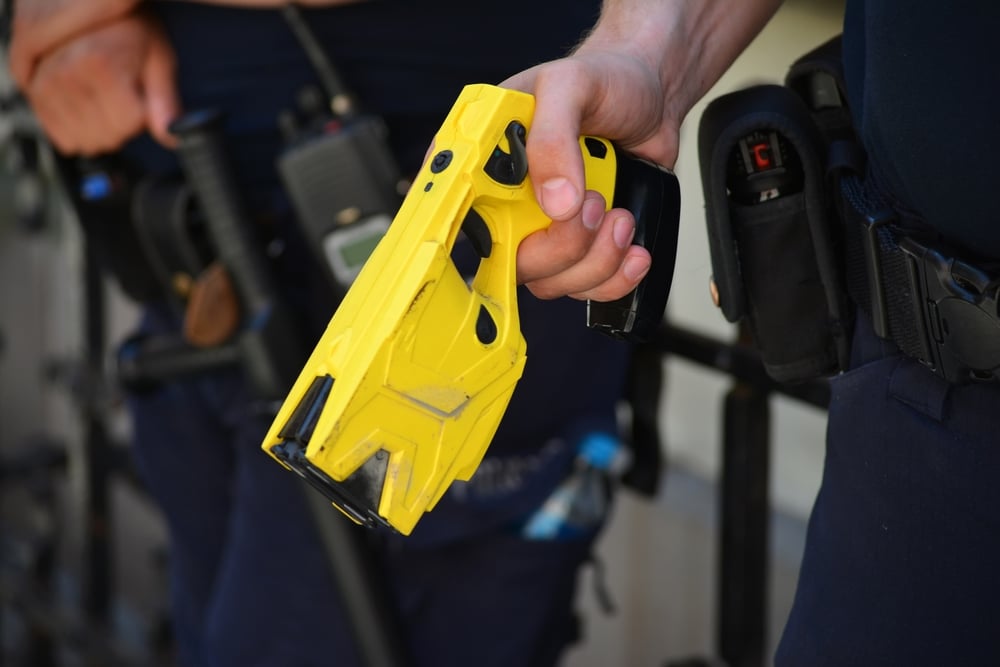
Our investigation with Medilll documented widespread use of tasers in response to 911 mental health calls. Continue reading…
When a Pet Dies

Friends and family may not understand the depth of the grief you feel over the loss of a beloved pet. Here are some ways to cope. Continue reading…
If you’re not subscribed to MindSite News Daily, click here to sign up.
Support our mission to report on the workings and failings of the
mental health system in America and create a sense of national urgency to transform it.
For more frequent updates, follow us on Facebook, Twitter and Instagram:

The name “MindSite News” is used with the express permission of Mindsight Institute, an educational organization offering online learning and in-person workshops in the field of mental health and wellbeing. MindSite News and Mindsight Institute are separate, unaffiliated entities that are aligned in making science accessible and promoting mental health globally.
Copyright © 2021 MindSite News, All rights reserved.
You are receiving this email because you signed up at our website. Thank you for reading MindSite News.
mindsitenews.org

Mental health can't wait.
America is in a mental health crisis — but too often, the media overlooks this urgent issue. MindSite News is different. We’re the only national newsroom dedicated exclusively to mental health journalism, exposing systemic failures and spotlighting lifesaving solutions. And as a nonprofit, we depend on reader support to stay independent and focused on the truth.

It takes less than one minute to make a difference. No amount is too small.
The name “MindSite News” is used with the express permission of Mindsight Institute, an educational organization offering online learning and in-person workshops in the field of mental health and wellbeing. MindSite News and Mindsight Institute are separate, unaffiliated entities that are aligned in making science accessible and promoting mental health globally.


Author

Related Articles
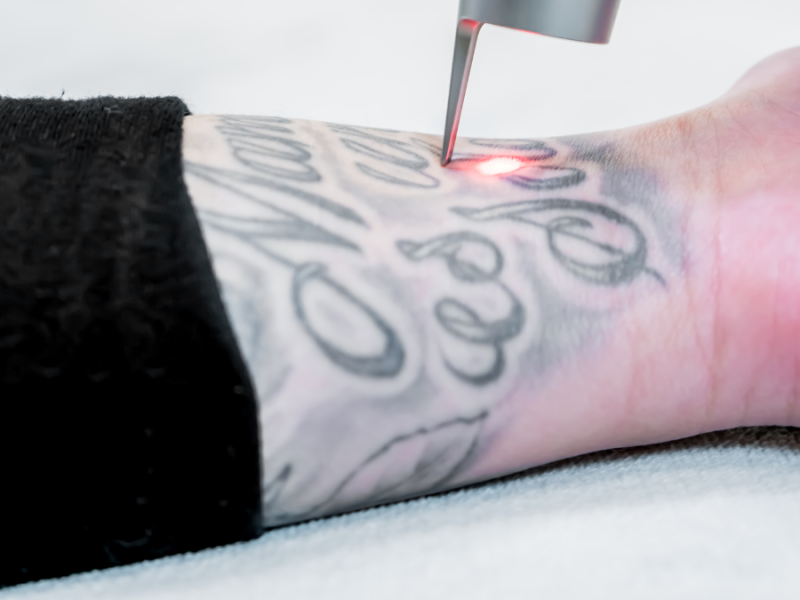
Countering bias in San Diego 1 laser pulse at a time
The Clean Slate program in San Diego provides gang tattoo removal benefits to formerly incarcerated individuals, helping them reduce stigma.
How to Best Protect You and Your Family from ICE
As enforcement actions surge, these two new resources help families know their rights with ICE.
Brown University Student Survives Her Second School Shooting
A Brown University student’s account of surviving her second mass shooting highlights the profound trauma of school shootings and the compounding psychological toll of gun violence on American students.
