
From Africa, a Push to Boost Mental Health and Friendship Benches Go Global
A brother’s death in Congo spurs a plan to improve mental health in Africa. And empathic grandmothers on benches have pioneered a form of peer therapy that is spreading across the globe.

Monday, July 8, 2024
By Don Sapatkin

Good Monday morning! As the heat descends, look out for troubled friends and family: July and August generally see more suicide deaths than any other months.
In today’s chock-full-of-news Daily, we have two stories out of Africa: A brother’s death in Congo spurs a plan to put mental health on the agenda across the continent. And empathic grandmothers sitting on benches have pioneered a form of peer therapy that is spreading across the globe. Also, a new report looks at how states are faring in developing crisis-response systems. Plus: Behavioral health disorders cause more days of hospitalization for members of the U.S. military than any other condition. Psychologists who stigmatize their patients. More states extend Medicaid to soon-to-be-released prisoners. And that expletive on Boston outfielder Jarren Duran’s T-shirt? It’s a nod to overcoming his mental health struggles.
Galvanized by his brother’s death, a Congolese doctor pushes for mental health care across Africa
For years, Jean Kaseya would hear regularly from his younger brother, an army officer in the Democratic Republic of Congo. Then one day in 2018, all contact suddenly stopped. It would be two years before Kaseya found out that his brother, Dieudonné, was alive, but in jail in the north of the country. “We managed to bring him to the hospital” in Kinshasa, the capital, Kaseya told The Guardian. “But it was late.” Untreated mental health problems had snowballed and Dieudonné, 45, had also developed kidney disease and diabetes. He died two months later, leaving behind three children.
His death had a profound impact on his brother, and mental health care for Africans became his priority. He was well-suited to do something about it: Trained as an immunologist and epidemiologist, he had worked 25 years in major national and international public health positions. In February of last year, he was appointed director-general of the Africa Centres for Disease Control and Prevention (Africa CDC). “I don’t want others to go through the same experience,” Kaseya told the Guardian. He’s focused now on “how we can stop it, and how we can start to screen people before they get [to the same level as] my brother.”
The World Health Organization estimates that at least 116 million people in African countries have mental health conditions. But there are only 1.4 mental health workers for every 100,000 people, and very few services. Many people with poor mental health find themselves dismissed from their jobs, and few have health insurance. Africa CDC is pushing to integrate mental health care into community health programs across the continent. It launched a leadership program in May that will train health professionals at various levels in how to prioritize mental health.
Kaseya’s family spent $500 a week on Dieudonné’s care at a specialist center, much of it for medication. Most Congolese don’t have that kind of money. Increased regional manufacturing of “affordable and quality medicines” – another key part of Africa CDC’s work – could bring prices down.
A Zimbabwean equation: wooden benches + grandmas = lifesaving therapy
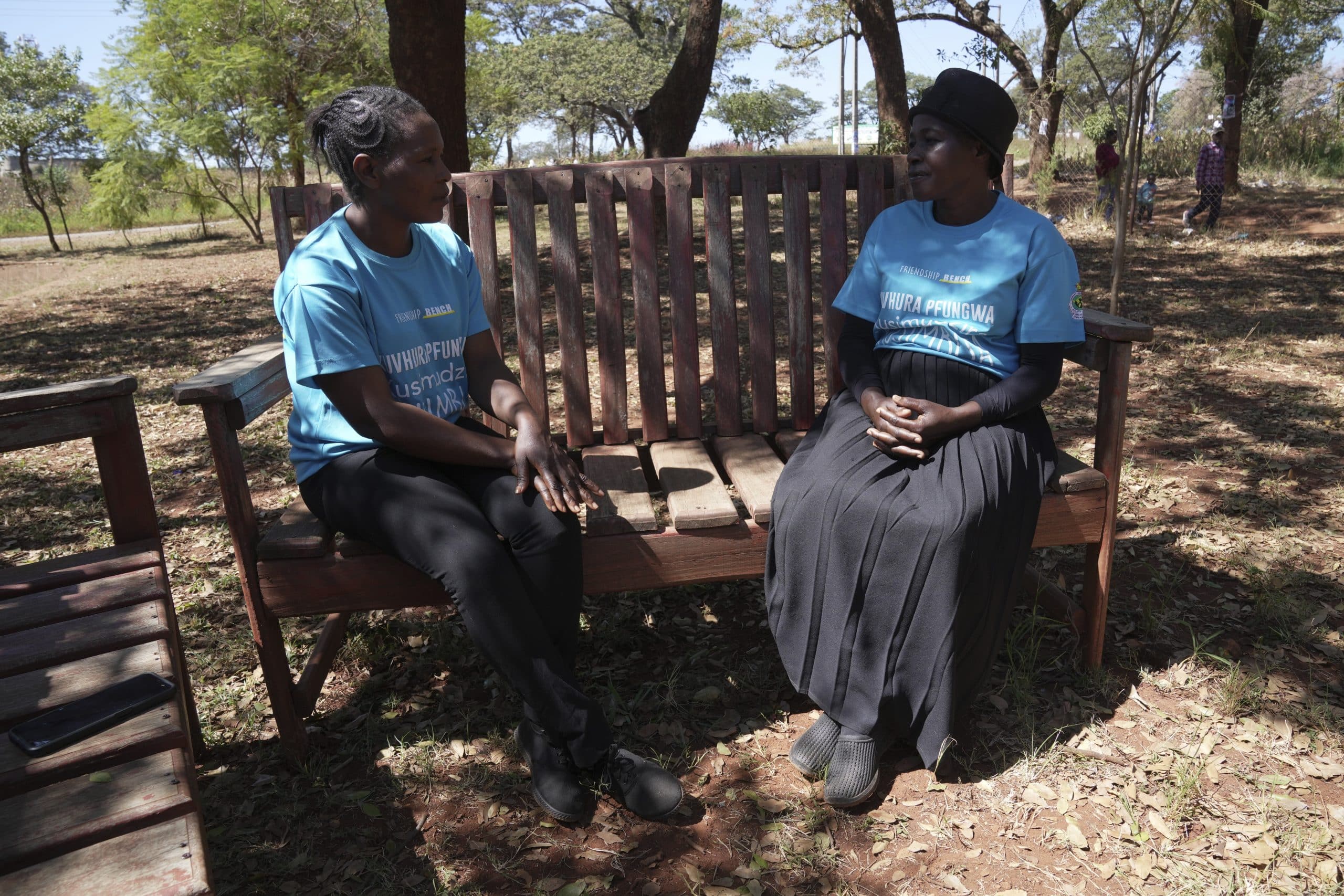
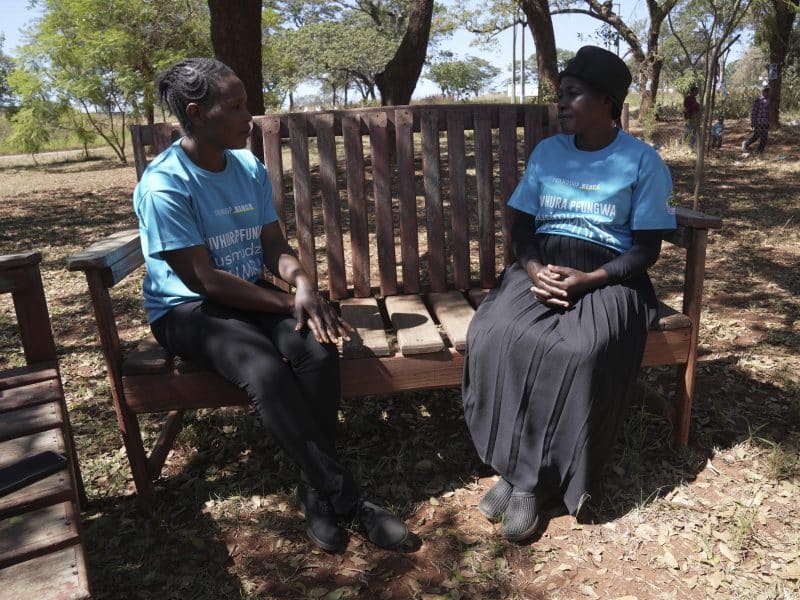
The idea was born out of tragedy. Dixon Chibanda was a young psychiatrist, one of around 10 in Zimbabwe in 2005. One of his patients desperately wanted to see him but couldn’t afford the $15 bus fare. She killed herself. “I realized that I needed to have a stronger presence in the community,” Chibanda said in an interview with the Associated Press. In Zimbabwe, grandmothers were long the go-to people for wisdom in rough times. “They don’t leave, and in addition, they have an amazing ability to use what we call ‘expressed empathy,’” Chibanda said. But the traditional practice had been abandoned with urbanization, the breakdown of tight-knit extended families and modern technology.
Chibanda recruited 14 grandmothers in the neighborhood near the hospital where he worked in Harare, the capital, and trained them in basic problem-solving therapy. They get $25 a month to help with transport and phone bills. The grandmothers sit patiently on benches in poor neighborhoods, some churches, and quiet, discreet corners of community clinics, ready to listen and engage in a one-on-one conversation.
Chibana’s Friendship Bench network, which these days partners with the health ministry and the World Health Organization, has grown to more than 2,000 empathetic grandmothers in a country with just 19 psychiatrists for 14 million people, according to Chibanda. In 2023, more than 200,000 Zimbabweans sat on a bench to get therapy from a grandmother, according to the network – and the initiative is spreading around the world, to Vietnam, Botswana, Malawi, Kenya, Tanzania, and the United States.
New York City’s mental health plan, launched last year, says it is “drawing inspiration” from the Friendship Bench model to help address risk factors for mental health problems such as social isolation. Orange benches can be found in Harlem, Brooklyn and the Bronx. In Washington, the nonprofit HelpAge USA is piloting the concept under the DC Grandparents for Mental Health initiative, which started in 2022 as a COVID-19 support group for older people. So far, 20 grandmothers determined to “stop the stigma around mental health and make it okay to talk about feelings” have been trained by a team from Friendship Bench Zimbabwe to listen, empathize and empower others to solve their problems, said Cindy Cox-Roman, HelpAge USA’s president and CEO.
Benches will be set up at schools, places of worship, and wellness centers in low-income Washington communities whose residents “have been historically marginalized and more likely to experience mental health problems,” she said, citing fear and distrust in the medical system, lack of social support, and stigma as factors limiting their access to treatment. “People are hurting, and a grandmother can always make you feel better,” she said.
New report evaluates states’ progress in mental health crisis response

“Every minute, an average of two people will attempt suicide; three people with a mental health condition will be booked into a jail; and eight calls, texts, and chats will be made to the 988 Suicide & Crisis Lifeline,” begins an extensive report about America’s mental health crisis system from Inseparable, the mental health advocacy and policy group.
The report, titled “A Better Response: Improving America’s Mental Health Crisis System,” offers a look at state-level efforts to create systems for responding to and caring for people in crisis.
The 988 line launched nationwide in July 2022 and received more than 10 million calls, texts, or chats through May of this year. While federal policies and funding can help states make progress, it’s up to state policymakers to shape and sustain reimagined statewide crisis systems. The Inseparable report offers thumbnail descriptions of state policies for residents to evaluate.
On financing, for example, 10 states approved telephone surcharges ranging from 12 to 60 cents per line per month to support ongoing operations, while others took different tacks. Alabama’s Medicaid agency got approval to use federal Medicaid matching funds for mobile crisis services. Virginia lawmakers passed a law last year requiring health plans to cover mobile crisis response and residential stabilization services.
Other highlights: A behavioral health agency in Colorado developed recovery-oriented transport for people in crisis, using two Ford Explorers and drivers trained in CPR, Mental Health First Aid and rapport-building with clients. Washington’s Native and Strong Lifeline, a crisis line dedicated to serving Indigenous people, uses trained Native crisis counselors to answer calls and was created by state legislation passed in 2021.
The report also offers progress snapshots on each state – find yours on the map and discover how it’s doing. Nevada’s 988 call centers, for example, have a 68% in-state answer rate (the national goal is 90% or higher); the state needs an estimated 43 mobile response teams and 142 short-term crisis residential beds. Rhode Island’s in-state answer rate is 98%; it needs eight mobile response teams and 49 short-term crisis residential beds. (California needs 1,850 and Texas, 1,342.)
Top reason for hospitalizations among active-duty military: mental health
For the fourth year in a row, military service members’ behavioral health conditions accounted for more days in the hospital than any other illness or injury, the U.S. military reported. Mental health disorders, including substance use disorders, accounted for more than half of all hospital bed days in 2023, 55%. Women were hospitalized for mental health issues at twice the rate of men. The median stay for mental health and substance use disorders was six days, although 5% exceeded 30 days.
The same trend was seen with outpatient visits: Adjustment disorders, followed by alcohol dependence for men and major depressive disorder for women, were the top causes of treatment.
Service members’ mental health has been a major focus of the Department of Defense since the late 2000s, when the number of suicides began rising among active-duty troops as well as the Coast Guard and reserves. Before 2008, military service was considered a protective factor against suicide, with lower rates than the comparable U.S. population. But military suicide rates have risen steadily since then.
The Military Health System report covers all hospital stays and medical encounters in treatment facilities paid for by the military for people who served during 2023, excluding those that happened during deployments, field training exercises, or while at sea. Mood disorders alone accounted for the most days in the hospital, substance use disorders were second; together, they made up a third of all hospitalized days.
In other news…
Stigma by mental health providers toward mental health patients is common, the American Psychological Association reports, drawing from multiple research articles in what remains an understudied area. One review article cites several studies finding that people with lived experience of mental illness commonly report feeling “devalued, dismissed, and dehumanized” by many providers they encounter. It notes underlying factors ranging from societal stereotypes and workplace stigma to therapeutic pessimism − the idea that people with mental illness cannot get better. To tackle the issue, the APA story suggests that mental health clinicians first consider their own internalized and sometimes unconscious biases.
People leaving prison in five more states will be able to get Medicaid coverage before their release, The Hill reports. The federal Medicaid agency approved reentry demonstration projects that will allow Illinois, Kentucky, Oregon, Utah, and Vermont to provide coverage up to 90 days before incarcerated people are released, helping them avoid gaps in insurance and, presumably, to access treatment for substance use disorders. This could be lifesaving because drug overdose death rates are extremely high immediately after people are released. Medicaid previously extended this option to California, Massachusetts, Montana, and Washington, and 14 other states plus the District of Columbia have applied.
“F*** ’em”: Boston Red Sox outfielder Jarren Duran said he’d be “happy to pay” a fine for wearing a T-shirt containing that expletive, a nod to his overcoming struggles with mental health, Sports Illustrated reports. Duran received a warning from Major League Baseball for violating the league’s rules when he wore the shirt during a postgame interview following a June 24 win over the Toronto Blue Jays. Duran’s difficulties during his first stint in the big leagues in 2021 took a toll on his mental health, and the following year was hard as well. But Duran, who overcame his demons, is enjoying a career year in Boston – and hasn’t forgotten the message (F*** ’em) that got him through the difficult times.
If you or someone you know is in crisis or experiencing suicidal thoughts, call or text 988 to reach the 988 Suicide & Crisis Lifeline and connect in English or Spanish. If you’re a veteran press 1. If you’re deaf or hard of hearing dial 711, then 988. Services are free and available 24/7.
Recent MindSite News Stories
To Heal from Trauma, Women Sexually Abused by Prison Guards Are Seeking and Sometimes Winning Compassionate Release
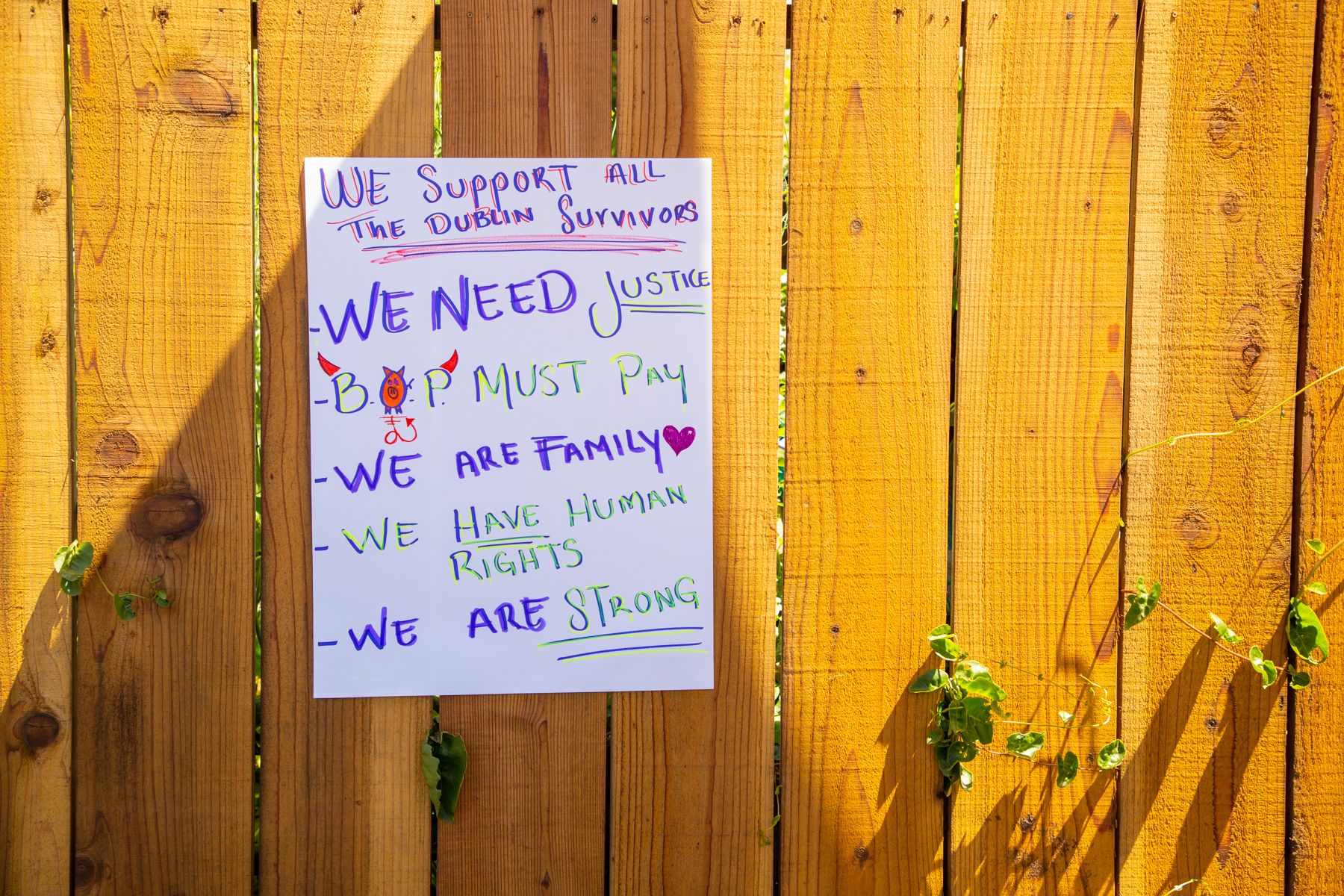
Lawyers representing survivors of sexual abuse at an infamous federal prison in Dublin, California, are trying a novel strategy: compassionate release.
Our World War II Dads, the Supreme Court and Our Collective Mental Health

Our World War II parents would be outraged and not rest till the courts’ presidential immunity decision was overturned, and so should we.
Watching Too Much True Crime TV Can Be Bad for Your Mental Health, Experts Say

Some women who consume hours of true crime shows and podcasts have reported suffering from hypervigilance or a reluctance to leave the house.
If you’re not subscribed to MindSite News Daily, click here to sign up.
Support our mission to report on the workings and failings of the
mental health system in America and create a sense of national urgency to transform it.
For more frequent updates, follow us on Facebook, Twitter and Instagram:

The name “MindSite News” is used with the express permission of Mindsight Institute, an educational organization offering online learning and in-person workshops in the field of mental health and wellbeing. MindSite News and Mindsight Institute are separate, unaffiliated entities that are aligned in making science accessible and promoting mental health globally.
Copyright © 2021 MindSite News, All rights reserved.
You are receiving this email because you signed up at our website. Thank you for reading MindSite News.
mindsitenews.org

The name “MindSite News” is used with the express permission of Mindsight Institute, an educational organization offering online learning and in-person workshops in the field of mental health and wellbeing. MindSite News and Mindsight Institute are separate, unaffiliated entities that are aligned in making science accessible and promoting mental health globally.


Author

Related Articles
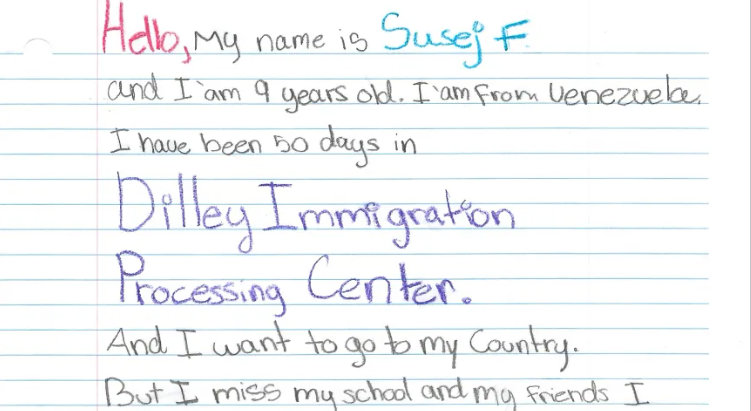
Health Organizations Condemn Traumatic ICE Raids, Family Separation
According to letters from children living in an ICE detention facility, living conditions are inhumane and their mental health is suffering.

In Teens, Social Anxiety Often Looks Like Anger
A study finds that some teens’ aggressive behavior may be due to social anxiety, not straightforward reactivity.
Expert Calls for Harm Reduction, Not Punishment, to Resolve Our Overdose Crisis
As the Trump administration pulls funding from harm reduction, an expert on the overdose crisis says it’s the best way to save lives.
