Detroit Islamic Center Offers Free Mental Healthcare for Anyone in Need
Muslim Americans have high rates of mental illness, including suicide. In the Detroit area, which has the largest concentration of Muslims in the U.S., imams have taken note. The Detroit Islamic Center has expanded My Mental Wellness, the clinic it started in 2018, to try and meet the needs.
Muslim American have high rates of mental illness. This faith-based program is trying to fill the void
This article was reported and produced in conjunction with the New York & Michigan Solutions Journalism Collaborative, a partnership of news organizations and community groups dedicated to rigorous and compelling reporting about successful responses to social problems.
When Danish Hasan moved from Chicago to Dearborn in 2023, he became a regular at the Islamic Center of Detroit, a nonprofit community center situated on Tireman Avenue.
Following one of the first sermons he attended, he learned about ICD’s services: a community food pantry, ESL classes, immigration assistance and a designated mental health therapist.
“I was so intrigued because the mental health stigma is immense in the Muslim American community, the Arab American community, the Pakistani American community…but what I realized is especially in communities like Dearborn where you have immigrants from the Middle East, people are generally more trusting of imams and religious leaders,” Hasan said.
Studies show that Muslim Americans have exponentially higher rates of mental illness, including suicide, compared to other religious groups. Research from the American Psychiatric Association on mental health disparities for Muslim Americans found that 95% of imams speak with individuals about topics outside of religious concerns, including family and relationship issues, mood and anxiety.
“People understandably rely on their faith leaders if they are struggling,” said Ali Abazeed, director of the Dearborn Department of Public Health. “I think with that comes a responsibility for the faith community to do more — to recognize that depression and anxiety and substance use disorders are not individual failures.”
Staffing a clinic so it can meet crisis needs
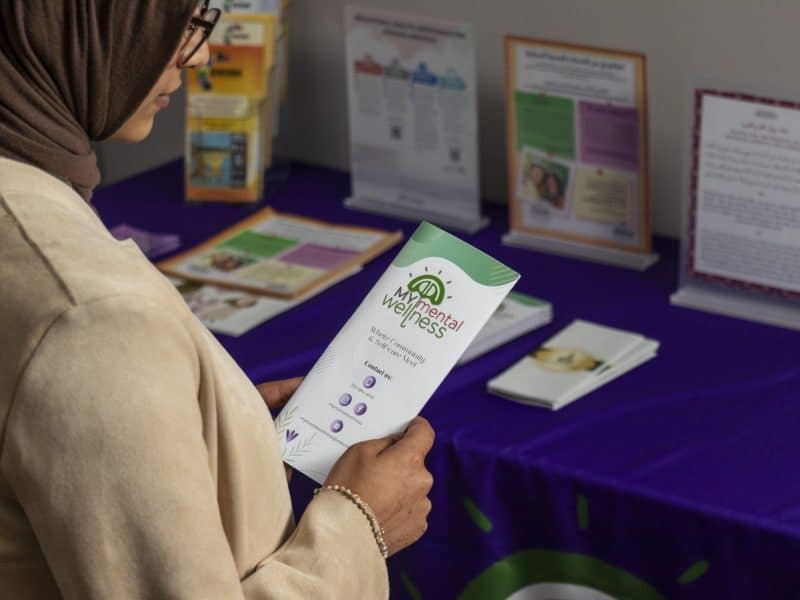
Imams have noted an uptick in the need for counseling since 9/11 around issues of religious discrimination and Islamophobia. Staff at ICD saw the value in addressing mental health issues head-on, establishing My Mental Wellness as its own faith-based nonprofit clinic in 2018. The row of offices is just feet away from the men and women’s prayer rooms at ICD, and a quaint lobby is lined with refreshments and educational handouts in both English and Arabic.
Over the years, the clinic has grown from just one staff member to five, encompassing a clinical psychologist, a social worker, a counselor and a program coordinator, along with Hasan, who was appointed director last year. Hasan founded Tampa’s Opioid Research Network in 2017 and has over a decade of experience in nonprofit work and public health.
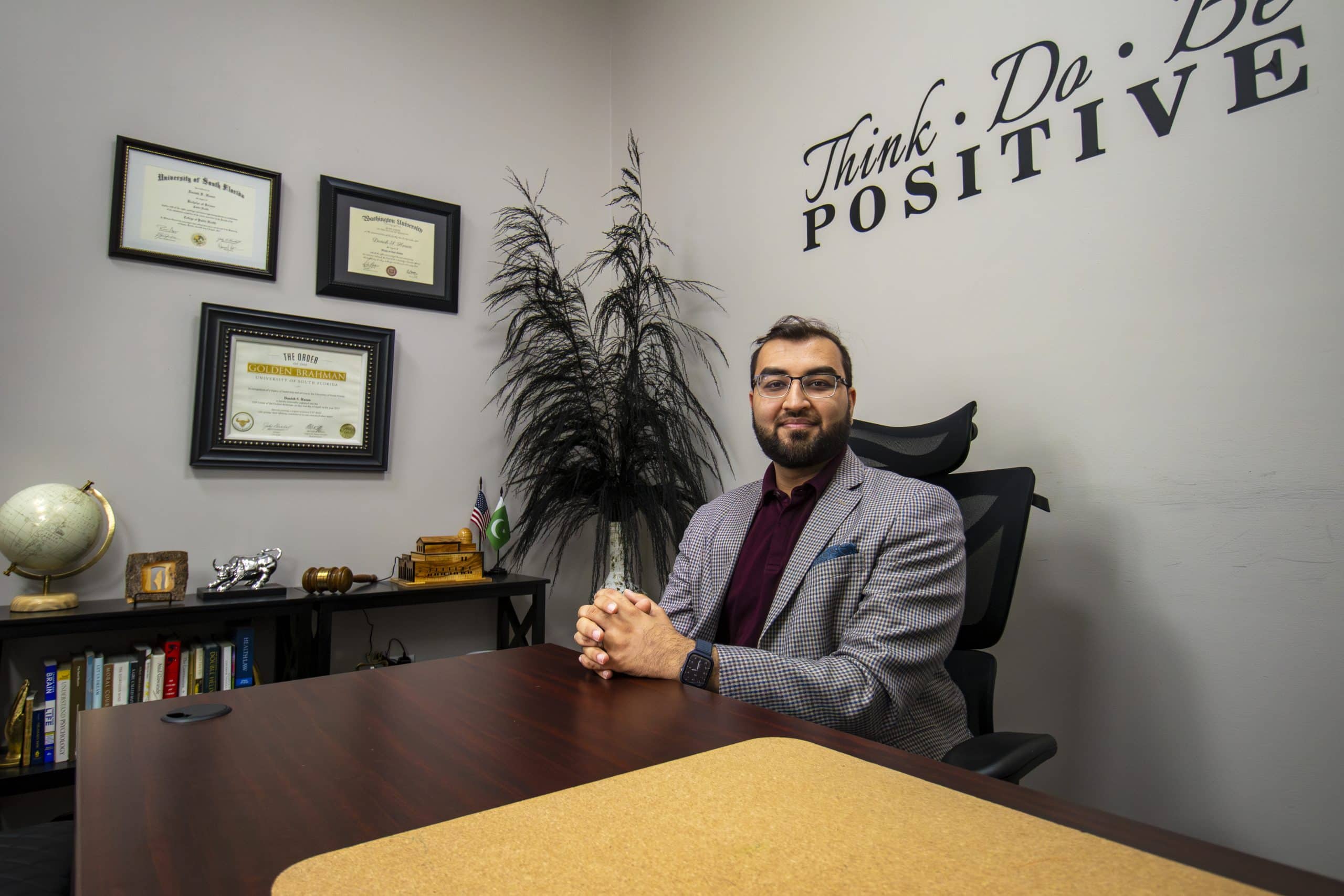
Hiring additional staff members was instrumental in providing help as quickly as possible, he said. “Sometimes when people reach out, they’re in a crisis situation, so we don’t want them to have to wait weeks or months to be seen.”
My Mental Wellness is funded through a combination of grants and donations, and Hasan estimates the clinic services about 60 clients a month in either Arabic or English. All sessions are pro bono and open to anyone. The majority of the clientele are young professionals, and middle- and high-school students are also frequent visitors. About one-third of the population are 45 and older. Some clients even drive in from West Bloomfield or Troy.
“Because the younger generation is coming here, it shows there are adults in their life that are identifying that this is a child who needs attention. It proves that the community is changing its mindset [around mental health],” Hasan said.
Healing circles, marriage workshops, parent support
A report by the Family and Youth Institute in Canton indicates 55% of Muslim students are bullied because of their religion. The impacts of bullying can result in increased levels of depression, anxiety and acting out behaviors.
Sarah Masad, clinical psychologist at My Mental Wellness, is a longtime Dearborn resident. She connects especially well with children and teens, which led to her idea of creating a therapy group for high school girls where they could openly discuss and problem-solve challenges they face at school and home.
“There’s so much creative freedom here… I love the energy. And I’m respected here as a clinician, regardless of my age or gender,” she said.
The clinic also offers age- and gender-based groups for male youth and adults, in addition to healing circles, marriage workshops, a support group for parents of children with special needs, and more recently, maternal health programming.

Fostering outside partnerships has allowed ICD to become a “hub for healthcare information,” Hasan said. The center regularly hosts health screenings, a special needs fair during the holiday of Eid al-Adha, and ASL interpretation during Friday services.
“ICD is such a vibrant community – over 2,000 people come through our doors for Friday prayers, and our food pantry is open to families each week. When you’re seeing a mental health clinic inside an Islamic center, it’s naturally easy to access,” Hasan said.
Looking ahead, Hasan envisions billing for Medicare and Medicaid plans while continuing to offer free services. He hopes to eventually hire a psychiatrist and offer substance abuse treatment, while maintaining the core mission of providing faith-based, accessible therapy for metro Detroit residents.
“My philosophy is simple when it comes to mental health – if you’re helping one person, you’re helping a family. If you’re helping a family, you’re helping a neighborhood,” Hasan said.
To learn more about ICD and My Mental Wellness clinic, visit mymentalwellness.org or call 313-584-4143.
Mental health can't wait.
America is in a mental health crisis — but too often, the media overlooks this urgent issue. MindSite News is different. We’re the only national newsroom dedicated exclusively to mental health journalism, exposing systemic failures and spotlighting lifesaving solutions. And as a nonprofit, we depend on reader support to stay independent and focused on the truth.
It takes less than one minute to make a difference. No amount is too small.
The name “MindSite News” is used with the express permission of Mindsight Institute, an educational organization offering online learning and in-person workshops in the field of mental health and wellbeing. MindSite News and Mindsight Institute are separate, unaffiliated entities that are aligned in making science accessible and promoting mental health globally.


Author
Related Articles
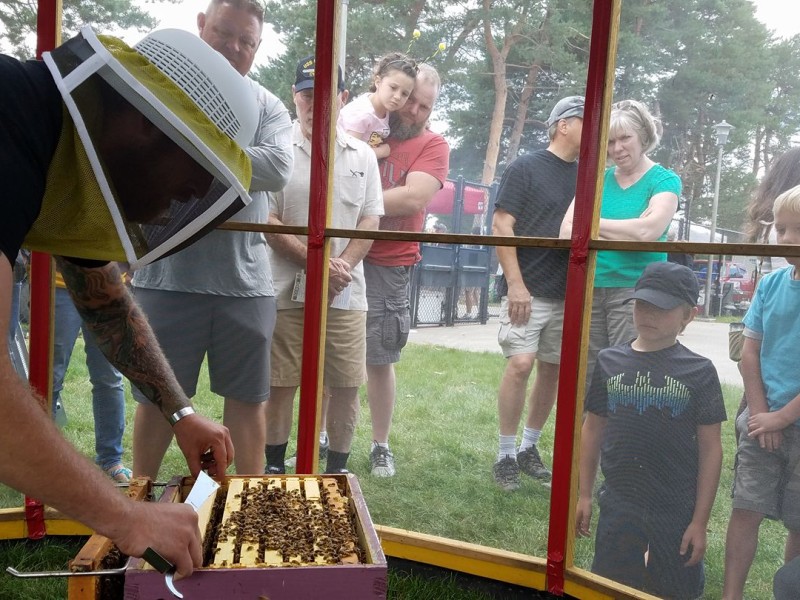
Hive Mind: The Surprising Mental Health Benefits of Beekeeping
Emerging research shows the healing power of the hive for people grappling with stress and trauma.
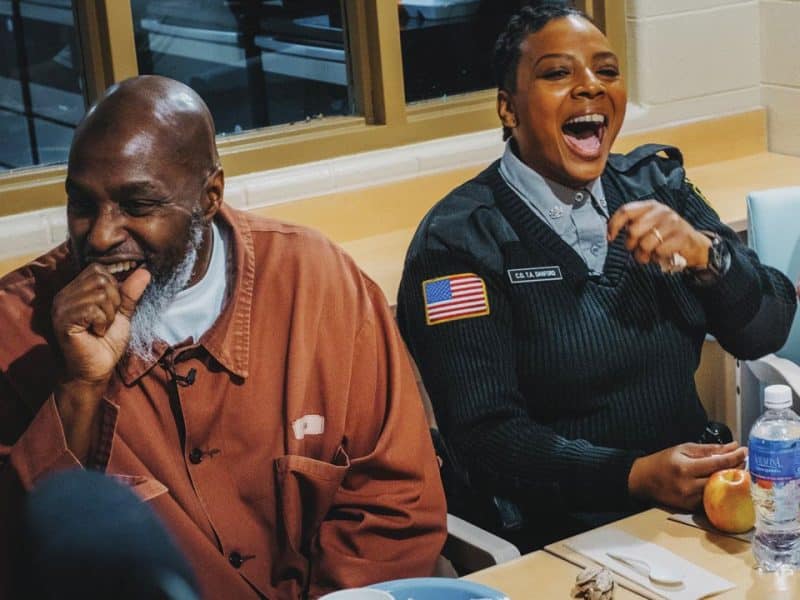
‘We Take Care of Each Other’: Inside the Prison That Could Change Incarceration in America
This prison outside Philadelphia is modeled on prisons in Norway and Sweden that are considered the most humane and effective in the world. “It’s a transformational approach to how we think about prisons,” said a Pennsylvania state legislator.
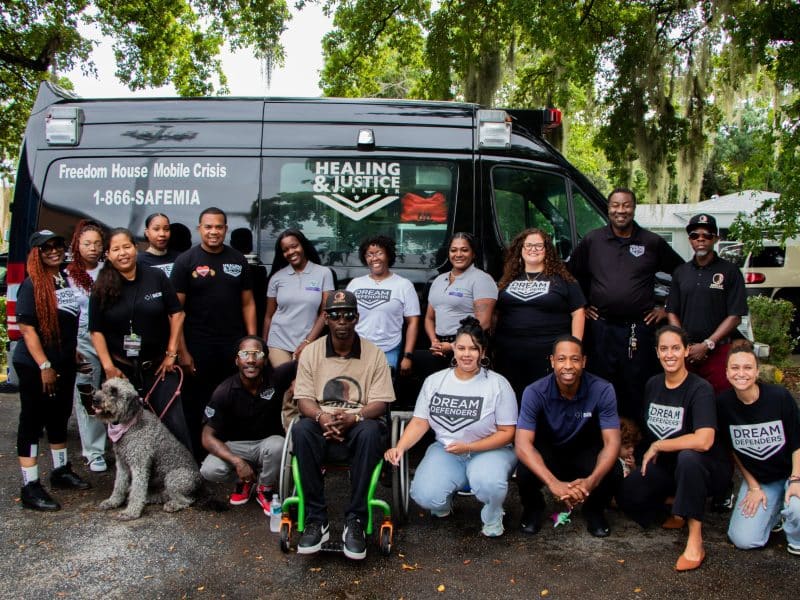
Miami Community Responders Work to Ease Mental Health Crises
A three-year-old mobile team responds to the needs and crises of community members in Miami’s Liberty City as an alternative to police. We paid a visit.
