A Nation Inflamed – and in Distress
For a news site that reports on mental health, it is sometimes challenging to decide what, exactly, is a mental health story – since almost everything impacts our mental health. Extremism, violence, racism, misogyny, the demonization of others – these currents have rarely been stronger, and infect nearly every aspect of our lives and political discourse. Two days after an assassination attempt against former President Donald Trump, those feelings are more unmistakable than ever.


Monday, July 15, 2024
By Don Sapatkin and Rob Waters
An editor’s note
As co-editor of a news site devoted to reporting on mental health, it is sometimes challenging to decide what, exactly, is a mental health story – when almost everything is influenced by or impacts our mental health. Extremism, violence, racism, misogyny, the demonization of others – all these currents, which have festered for so long in our country, have rarely been more pronounced.
Today, it is clear that these currents are infecting nearly every aspect of our lives – and our political discourse. Two days after a failed assassination attempt against former President Donald Trump that killed a spectator and injured two others, those feelings are more unmistakable than ever.
We know that Trump has stirred and encouraged the toxic stew of grievance and hatred that seems to have enveloped the country. Can he and others now step back from the precipice and help foster a different climate, to do what Robert F. Kennedy attempted to do in the aftermath of the 1968 assassination of Martin Luther King Jr. (and five years after his brother became the fourth U.S. president to be assassinated)?
In an essay published yesterday, New Yorker editor David Remnick noted that Kennedy, in his comments that April day, “told the crowd that a sniper is a coward, not a hero; that the ‘uncontrolled, uncontrollable mob is only the voice of madness, not the voice of the people.’ Violence, whether it is carried out by one man or a gang, he said, degrades an entire nation.” And then he quoted this passage from Kennedy’s speech:
Yet we seemingly tolerate a rising level of violence that ignores our common humanity and our claims to civilization alike. We calmly accept newspaper reports of civilian slaughter in far off lands. We glorify killing on movie and television screens and call it entertainment. We make it easy for men of all shades of sanity to acquire weapons and ammunition they desire…Some look for scapegoats, others look for conspiracies, but this much is clear: Violence breeds violence, repression brings retaliation, and only a cleaning of our whole society can remove this sickness from our soul.
Can we now calm the violent passions and engage in the kind of process RFK encouraged back in 1968, just two months before his own murder? Our collective mental health is at stake.
–Rob Waters

Good Monday, and a note to therapists: A growing number of doctors are using AI to draft prior authorization requests. One told the New York Times that 90% of his requests have been approved by insurers vs. 10% before. He types in a sentence or two, and the chatbot produces a draft in seconds.Then he tells the chatbot to make it four times longer.
In today’s Daily: Young scientists are revolting against a mentally unhealthy work culture. Illinois bans “predatory tactics” by health insurers. Troubled for-profit chains are stealthily operating psychiatric hospitals under nonprofits’ names. Plus: Sports fans like athletes who reveal their mental health struggles. And a new website provides a starter kit to battle insurers that deny care. But first …

Stories about solutions in Philly and Detroit

Late last week, we published a trio of stories – all part of our Solutions Lab – examining efforts to address mental health challenges in Philadelphia and Detroit.
From freelancer Lindsey Norward, we have a look at Philadelphia’s take on a long-running program that brings nurses to the homes of first-time mothers to help them get ready for the stresses and challenges of parenthood – and to support them as they learn to bond with their babies.
And from Detroit – by way of the New York & Michigan Solutions Journalism Collaborative – we bring you two stories. One is about a program that provides mental health care and supports to members of Detroit’s large Muslim community. Another uses well-baby visits to identify parents and kids who need some extra mental health support.
Young scientists, swimming in stress, spark a movement to change their profession
The culture of science has always been stressful. Just before the pandemic, more than 70% of 4,000 scientific researchers and graduate students reported that they felt stressed on the average work day, a third said they had sought professional help for depression or anxiety, and another 19% said they wanted to but hadn’t. In a follow-up series of town halls around the United Kingdom organized by the Wellcome Trust, both before and during the pandemic, many early-career scientists said the combination of extremely long work hours, relentless pressure to publish, bullying and harassment had become untenable and that the post-pandemic moment marked “a turning point for research culture,” a report said.
Some universities and research institutions are responding in ways that a story in the journal Nature calls “the beginning of a movement.” The University of Zurich offers popular courses on mental health and resilience, including one on “Mindfulness and Meditation” that teaches researchers about stress and its impact on the body and offers tools – yoga, meditation, muscle relaxation, journalling – to cope.
But some researchers question whether these shifts are enough. Whatever changes individual researchers may make won’t help them win a grant or receive tenure, said David Trang, a Honolulu-based planetary geologist who is pursuing a license in mental health counselling to promote a healthier work environment.
Others says these workshops are a critical first step – to be combined with collective action. Last year alone, 26 unions representing nearly 50,000 graduate students, postdocs and researchers formed in the U.S. When Trang surveyed planetary science researchers, many said they felt unappreciated and were grappling with imposter syndrome – giving him a focus for future workshops. “We’re moving slowly to make changes,” he said. “But I’m glad we are finally turning the corner from ‘if there is a problem’ to ‘let’s start solving the problem.’”
Under the gun, for-profit psychiatric treatment chains turn to partnerships with nonprofits
The low-slung, gray exterior of a psychiatric hospital in Columbus, Ohio displays the maroon “Mount Carmel” logo of the local Catholic health system, founded by nuns in the 19th century. You’d never know it from the signage or the website, but Mount Carmel Behavioral Health is actually run by Acadia Healthcare, a publicly traded chain accused of undertraining and underpaying workers and neglecting and abusing patients.
Other large nonprofit health systems like Geisinger, Ascension and Henry Ford are also turning to for-profit psychiatric hospital chains to build new hospitals and manage the surging number of adolescents and adults experiencing mental health emergencies, a STAT investigation found. Acadia and Universal Health Service, both large publicly traded companies, are in the process of opening a combined 28 new psychiatric hospitals with nonprofit partners.
The joint ventures are appealing to these chains because they can piggyback off the nonprofits’ strong local reputations − the “brand halo effect,” as an Acadia executive put it − while concealing their involvement now that their own names have been sullied by lawsuits and government settlements. Two juries ordered Acadia and UHS to pay more than $1 billion after minors were raped in their care. From the nonprofit hospital systems’ perspective, forming joint ventures is a win-win. Hospitals tend to lose money on psychiatric patients who come into the emergency room and frequently languish for days. Now these nonprofit systems have a place to send patients − and, as part-owners of the new hospitals, they get a cut of the profit.
But this fast-spreading model is putting more unsuspecting patients and staff in dangerous environments, according to STAT, which interviewed more than 50 former employees, patients, and industry experts, and examined dozens of government investigations and court records. Like all other investor-owned hospitals, the joint ventures bearing the names of local nonprofits – with day-to-day operations controlled by the for-profit − focus on generating profit for shareholders. And they consistently make money: UHS, which operates 330 psychiatric hospitals in 39 states, recorded $262 million in profit, a 6.8% margin, in the first quarter of 2024. Acadia has about 250 facilities in 38 states, a combination of inpatient psychiatric hospitals and outpatient methadone clinics. It reported $76 million in profit, a 10% margin, in the first quarter.
Illinois Governor signs laws banning ‘predatory tactics’ by health insurers
Health insurers in Illinois will no longer be able to require patients to seek insurance company approval – “prior authorization” as insurance plans call it – before getting treated in a mental health crisis. They won’t be able to force patients to engage in step therapy – the use of use cheaper, less intensive treatments first before they can receive more expensive services recommended by their physician. And they won’t be able to offer consumers so-called junk insurance, policies with lower premiums and limited coverage that frequently include nothing for behavioral health. That’s because new laws enacted last week ban insurers from making use of these strategies.
Gov. J.B. Pritzker signed the measures to block insurers from using “predatory tactics to make an extra dime,” the Associated Press reported. Pritzker, a Democrat, said the Healthcare Protection Act, one of his top legislative priorities, is aimed at “empowering” patients and their doctors by “putting medical decisions back in their hands.”
An early version of the legislation would have prohibited prior authorization for inpatient psychiatric care but was opposed by the insurance industry. The final package of measures rolled into House Bill 5395 passed largely along party lines in chambers controlled 2-to-1 by Democrats. Some measures take effect on Jan. 1, 2025 and others a year later.
In other news…
Members of the military face a tough time finding mental health providers covered by their insurance. One big reason: More than 75% of provider listings offered by Tricare, the government-sponsored health care program for service members, are inaccurate or outdated, according to a federal watchdog report covered by Military.com. That’s a problem that can prevent service members and their families from getting vital behavioral health services. Flawed network directory listings – often called “ghost networks” − are also common across commercial, Medicaid managed care and Medicare Advantage insurance plans for civilians. A secret shopper study of 12 Medicare Advantage plans in six states conducted by staff of the Senate Finance Committee last year found that more than 80% of in-network mental health providers listed in directories were either unreachable, not accepting new patients, or not in-network.
CoverMyMentalHealth.org is a new, nonprofit website designed to help if your insurance plan denies your claim for care. The organization provides an information kit to help people fight insurance companies who deny them care because it’s “not medically necessary” or for other reasons. The site’s free resources were discussed in a story by Philadelphia’s Channel 6/ABC. They include a step-by-step action plan and tips, a downloadable worksheet to document your case, and a downloadable template to share with clinicians to help them prepare a response letter if treatment is denied.
If you or someone you know is in crisis or experiencing suicidal thoughts, call or text 988 to reach the 988 Suicide & Crisis Lifeline and connect in English or Spanish. If you’re a veteran press 1. If you’re deaf or hard of hearing dial 711, then 988. Services are free and available 24/7.
Recent MindSite News Stories
Detroit Islamic Center Offers Free Mental Healthcare for Anyone in Need
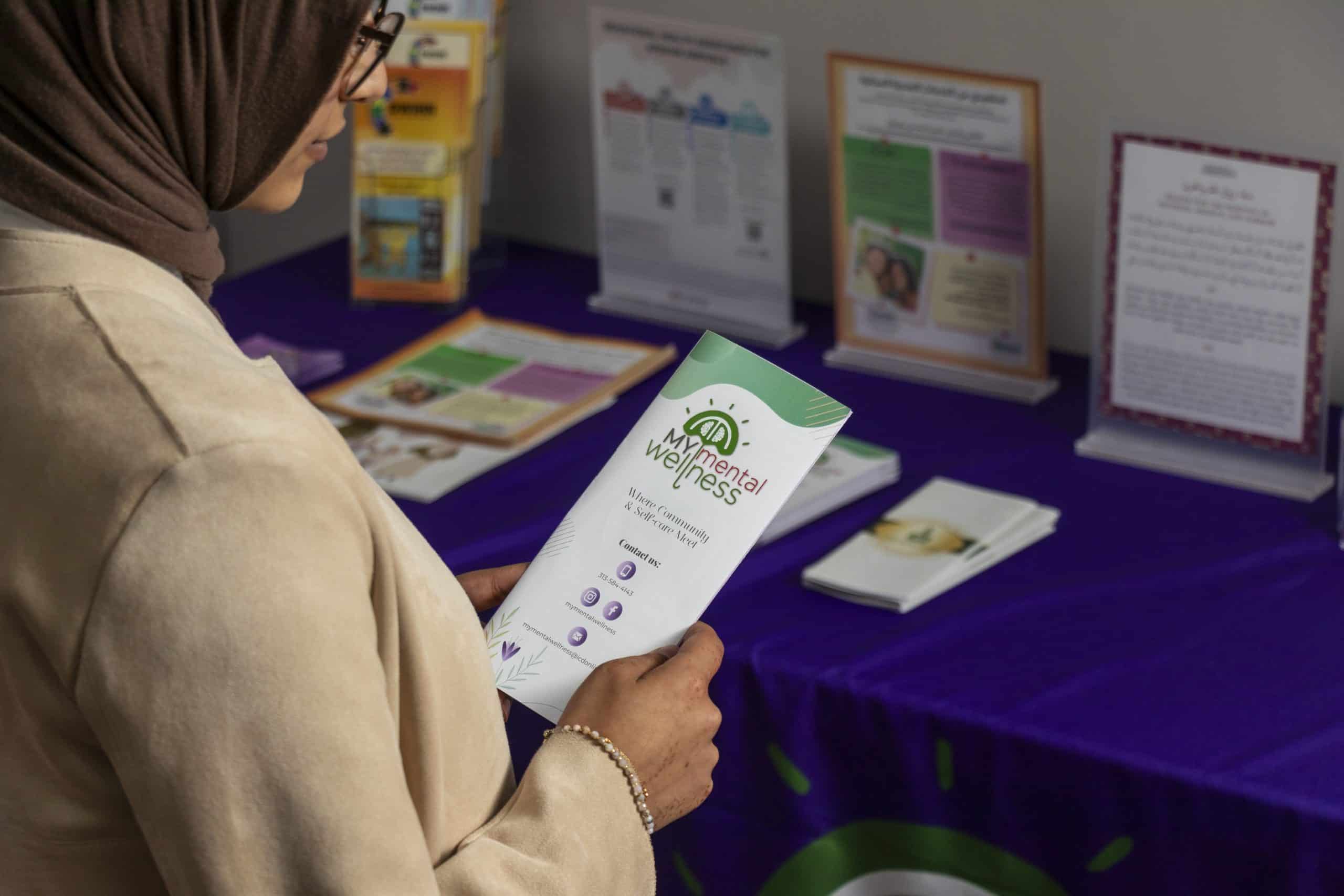
Muslim Americans have high rates of mental illness, including suicide. In the Detroit area, which has the largest concentration of Muslims in the U.S., imams have taken note. The Detroit Islamic Center has expanded its My Mental Wellness clinic.
In Detroit, an Infant Mental Health Program Helps New Parents and Babies
Wayne State University’s Infant Mental Health Program screens parents during routine well-child visits to assess their needs, mental health and well-being. Then it offers support.
In Philly, Struggling New Mothers Get a Lifeline from Nurses Making House Calls
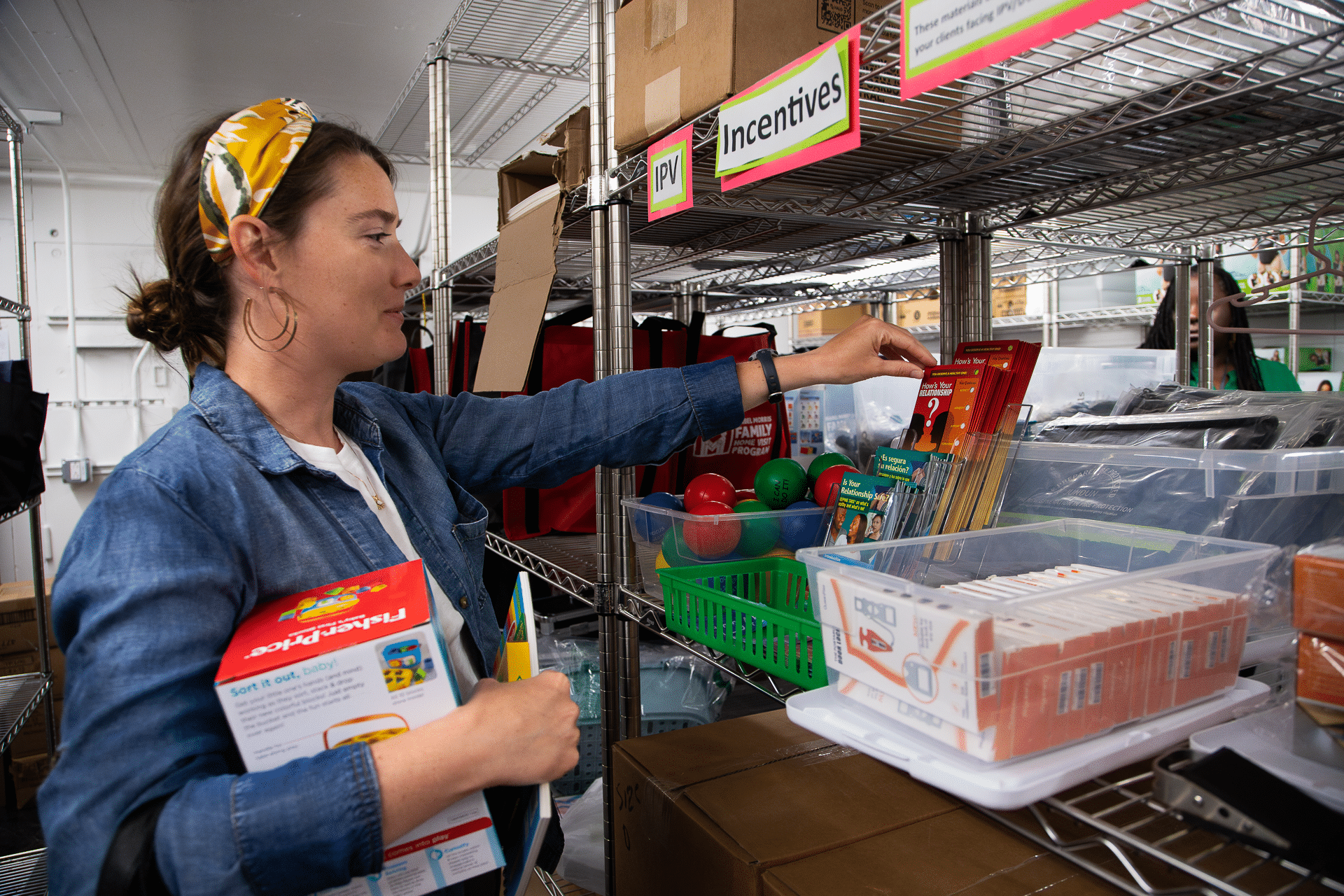
Since 2001, the Nurse-Family Partnership program has been pairing mothers-to-be in Philadelphia with a visiting nurse who makes house calls, starting in the second trimester of pregnancy.
If you’re not subscribed to MindSite News Daily, click here to sign up.
Support our mission to report on the workings and failings of the
mental health system in America and create a sense of national urgency to transform it.
For more frequent updates, follow us on Facebook, Twitter and Instagram:

The name “MindSite News” is used with the express permission of Mindsight Institute, an educational organization offering online learning and in-person workshops in the field of mental health and wellbeing. MindSite News and Mindsight Institute are separate, unaffiliated entities that are aligned in making science accessible and promoting mental health globally.
Copyright © 2021 MindSite News, All rights reserved.
You are receiving this email because you signed up at our website. Thank you for reading MindSite News.
mindsitenews.org

Mental health can't wait.
America is in a mental health crisis — but too often, the media overlooks this urgent issue. MindSite News is different. We’re the only national newsroom dedicated exclusively to mental health journalism, exposing systemic failures and spotlighting lifesaving solutions. And as a nonprofit, we depend on reader support to stay independent and focused on the truth.

It takes less than one minute to make a difference. No amount is too small.
The name “MindSite News” is used with the express permission of Mindsight Institute, an educational organization offering online learning and in-person workshops in the field of mental health and wellbeing. MindSite News and Mindsight Institute are separate, unaffiliated entities that are aligned in making science accessible and promoting mental health globally.


Author

Related Articles
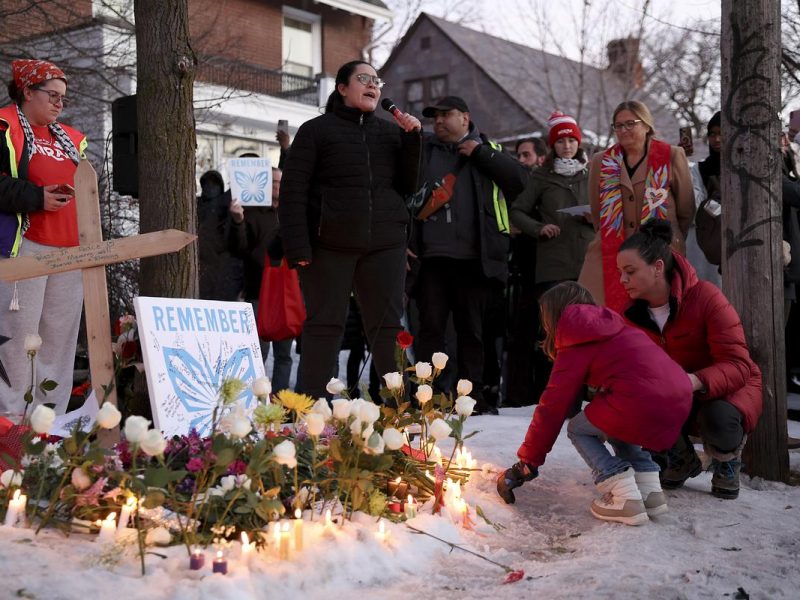
The News From Minneapolis That Makes It Hard To Breathe
Minneapolis residents are reeling after the January 7 killing of Renee Nicole Good by a masked ICE agent.

Care for Dogs While Their People Are in Recovery
Pawsitive Recovery is a Denver-based program that places pets with foster caregivers while their guardians recover from mental health problems.