
The Burnout Crisis Isn’t Over. Here’s What We Can Do About It.
Healthcare and social services workers are experiencing enormous burnout. But a closely evaluated pilot program offering therapy, wellness sessions and coaching is helping lower depression and anxiety in three-quarters of participating healthcare workers.

Early data shows a 3-year pilot program is reducing healthcare worker burnout, depression and anxiety. It’s time to replicate these programs for human services workers, too.
That healthcare workers are experiencing a burnout crisis is not new. The mental health crisis in our sector has been widely covered – especially since the onset of the COVID-19 pandemic, a traumatic period that exacerbated the existing mental health and burnout challenges already facing our healthcare workers. Long at a pronounced risk of suicide, healthcare workers experienced the largest rise in burnout from 2018 to 2022 compared to those in other sectors.
Today, the fallout from the pandemic continues, and we, as leaders of the human services agency Acacia Network (Lymaris) and its primary care arm, La Casa de Salud (Lauren), have seen firsthand how the resulting burnout has spread beyond healthcare.
The human services sector has been hit hard – as staff members employed by our nonprofits will be the first to tell you, and as studies confirm. For instance, during the first wave of Covid in the US, one study found that over one-quarter of social workers met the diagnostic criteria for PTSD – five times the national average. Human services workers – social workers, case managers, outreach specialists, substance use counselors, and more – deserve better. The same is true of the call-takers that handle 911 crisis calls. They are the link to ensure that care extends beyond one medical appointment and that services are holistic, touching all areas of an individual’s life.

We manage teams on the ground providing vital care and services to some of the communities that were hardest hit by Covid’s 2020 rampage – communities that have also experienced compounding traumas from natural disasters (as we saw during Hurricane Maria in 2017 where we work in Puerto Rico) and an epidemic of overdose deaths (as we witnessed at our workplaces in New York, where opioid deaths exceed the national rate). Most of our staff come from and live in the communities we serve. The challenges they must professionally respond to day in and day out are personal, deeply felt, and can seem intractable. It takes a toll.
Our push to address healthcare worker burnout
We now have cause for hope after launching a three-year therapeutic pilot program to alleviate anxiety, depression and burnout among our staff, which we rolled out in partnership with the Mennonite Health System. Our project was a part of a Biden administration effort under the Health Resources and Services Administration (HRSA) to promote resilience and mental health among the healthcare workforce.
So far, our pilot is working, and we hope to make what we’ve learned and achieved shareable.
From 2022 to 2023, more than 2,000 healthcare workers in clinics and centers across the Bronx and Puerto Rico joined group and individual therapy sessions over the course of several months, in addition to wellness activities, workshops and coaching sessions, and other initiatives aimed at mitigating stress and fostering resiliency.
Psychoeducational sessions were designed to address burnout, which, under the Maslach Burnout Inventory, includes three main factors: high emotional exhaustion, high depersonalization, and a low sense of professional accomplishment.
We saw around three-quarters of participants in the program report a decrease in depression (77%) and anxiety (74%) based on clinical assessments. Over half experienced less “emotional exhaustion.” Among those screened, 41% experienced lower depersonalization and 32% had an improved sense of professional accomplishment.
Our pilot’s early success is a clear indication we need to scale and replicate these interventions beyond our network of providers alone and in health and human services workplaces across the nation. Our colleagues treating patients, supporting clients, and managing high-risk caseloads deserve to receive a level of care and support equal to what they give of themselves.
That care must dig deeper than the typical “workplace wellness program.”
Our fellow providers in health and human services can start by hiring trained psychotherapists and mental health counselors who are dedicated exclusively to treating staff in order to provide ongoing, on-site support.
Addressing the healthcare worker crisis with on-site support
Under this pilot program, mental health professionals were integrated into the workplace to offer free support on site – removing barriers such as affordability, scheduling, location and the emotional labor of having to actively seek help. The in-house mental health support goes beyond short-term counseling often provided through employee assistance programs. It also de-stigmatizes seeking mental health support by normalizing it within the workplace.
A variety of workers participated together in group therapy, from medical receptionists to nurses to clinic executives. This design created opportunities for cross-level solidarity and ignited conversations on ideas to improve workplace protocols that could alleviate burnout on a systemic level.
We understand that supporting our teams with the appropriate resources and reacting to pre-existing burnout is only half the battle in addressing healthcare worker burnout. In order to sustain our efforts, we must simultaneously exert a proactive approach with an eye on prevention. Beyond those initial conversations, cohorts of healthcare workers meet regularly to proactively pinpoint what within our workflows could be changed to alleviate burnout day-to-day.
We believe this will lead to long-term structural changes to create healthier, more sustainable ways of working.
Of course, we’ll need renewed and increased funding support from our partners in government and philanthropy in order to initiate and sustain these programs. But the vision and commitment to implementation is our responsibility as employers, as is our duty to advocate for our health and human services workforces. Their health, and the wellbeing of our nation, is depending on us.
We owe it to our Covid-era heroes to prioritize successful solutions now to the crisis of healthcare worker burnout, lest we leave them behind at our peril…and theirs.
— Lymaris Albors is CEO of the Acacia Network in New York City and Lauren Mendenhall is Executive Director of La Casa de Salud in the Bronx.
The name “MindSite News” is used with the express permission of Mindsight Institute, an educational organization offering online learning and in-person workshops in the field of mental health and wellbeing. MindSite News and Mindsight Institute are separate, unaffiliated entities that are aligned in making science accessible and promoting mental health globally.


Authors


Related Articles

Can ChatGPT Be Your Therapist? This Therapist Found Out for Herself
Can ChatGPT offer a viable alternative to traditional therapy? In this first-person essay, a licensed therapist explores that question.

Brown University Shooting Again Reveals Why Trauma Care Must Begin Before People Seek It
A former Brown student and longtime mental health journalist says that how institutions respond after traumatic events can shape mental health outcomes for years to come.
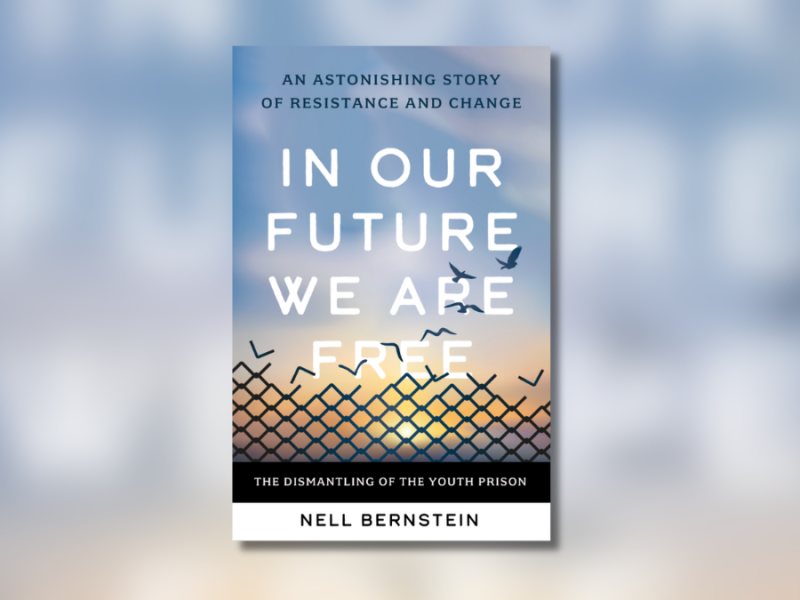
In Our Future, We Are Free: The Movement to Dismantle Youth Prisons in America
Over the past 20 years, one state after another has shuttered its youth prisons and stopped prosecuting kids as adults, slashing the number of children locked in cages by a stunning 75%. This new book tells the story of how a coalition of parents, activists, and prison officials brought a destructive institution to its knees.
