FDA Nears Decision on First Psychedelic Application
The FDA will soon announce a decision on the first application for psychedelic-assisted therapy. It could have far-reaching implications.

Monday, August 5, 2024
By Don Sapatkin

Good Monday morning! Scientists would like your brain. The New York Times explains why, and how to donate. In today’s Daily: The FDA’s decision, expected any day, on the first psychedelic-assisted therapy for mental illness could affect far more than MDMA for PTSD.
Researchers model how “suicide contagion” spreads. The American Psychologist publishes a special issue on racism in psychology and how to confront it. Plus: Patients hospitalized for heart attack and stroke have a greatly elevated risk of future psychiatric illness. Pete Davidson checks into a “wellness facility.” And more.
A coming FDA decision with major implications for psychedelics

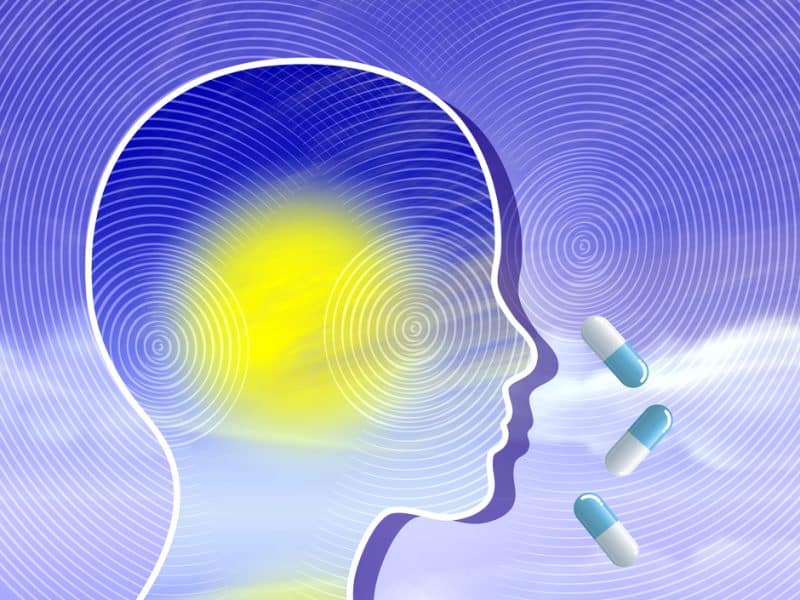
As the FDA nears a decision whether to approve a psychedelic to treat mental illness for the first time ever, experts are debating how the industry and the agency should respond to an advisory panel’s overwhelming June 5 vote to reject the application from Lykos Therapeutics.
The negative vote partly reflected a key reality about psychedelic compounds: that the very sensations – the high – that MDMA causes in participants makes it easy for them to guess whether they were getting the drug or a placebo.
Clinical drug trials have long used a strategy of “blinding” patients about whether they were getting the drug or the placebo on the theory that if patients know they are getting the actual drug, they’re more likely to think it’s effective. This strategy doesn’t really work with psychedelics.
Another problem is that Lykos tested MDMA in conjunction with psychotherapy and found that the combination of the two significantly decreased symptoms of PTSD. This drug-plus-therapy approach is also the way that company intends for the drug to be used. But the FDA doesn’t regulate psychotherapy, and the data Lykos gathered is not the kind its advisors normally evaluate. Yet it is exactly this “radical” approach of combining a therapy with medication that may make it effective, wrote Tom Insel, former director of the National Institute of Mental Health, in a commentary in STAT.
“While considerable data demonstrate that the combination of medication and psychological treatment is better than either intervention alone,” most people being treated in the U.S. for mental health conditions get either medication or therapy but not both, Insel wrote. “I believe this new drug application could serve as a wake-up call for new regulatory processes that would view psychological treatments as key facilitators rather than as confounders of behavioral change.” (Insel was a co-founder of MindSite News.)
If the FDA rejects the application for MDMA-assisted therapy, “it could discourage future regulatory submissions for drug-therapy combinations,” legal scholar Mason Marks wrote in a commentary in JAMA.
Meanwhile, The Microdose newsletter reports, Lykos is preparing to launch “new initiatives and measures of additional oversight” in the event the drug is approved. These include an independent advisory board to advise the company on training and medical ethics.
Celebrity deaths can lead to “suicide contagion”
Robin Williams’s 2014 suicide led to a doubling of excess suicide deaths in the U.S. and the 2018 suicides of fashion designer Kate Spade and celebrity chef Anthony Bourdain also led to an increase in deaths and in people thinking about taking their own lives, according to new research covered by Politico’s Future Pulse newsletter. It has long been known that suicides rise for a period of time after highly publicized suicide deaths. The new study goes further, relying on complex mathematical modeling to show how “suicide contagion” spreads among susceptible individuals.
The study, published in Science Advances, combined data on the volume of calls and texts to the national suicide hotline to measure suicidal ideation with information from the National Vital Statistics System about suicide deaths. This helped the researchers to create what they called a “dynamic model of suicide ideation and death” that predicted the numbers of both. Suicidal ideation and deaths spiked in the U.S. and some other countries immediately after the celebrity suicides. The study’s authors write that this kind of modeling approach may improve understanding about the workings of suicide contagion and enable “targeting of suicide prevention messaging, and the directing of interventions to specific subpopulations.”
New data shows high suicide rates among troops exposed to weapons blasts, the New York Times reports, citing a new Defense Department report that breaks down suicide rates by categories of military work. Members of teams that disable roadside bombs and routinely train and work around large blasts had the highest suicide rate between 2011 and 2022 − 34.77 deaths per 100,000 people per year. Infantry and special operations forces, armor crews, and artillery troops had rates almost as high – around 30 deaths per 100,000. By comparison, that’s roughly double the rate among service members in non-combat roles or among American civilians. The report makes no mention of exposure to blasts as a factor; nor does it offer any insights into what may be contributing to the different suicide rates.
Unsettling research findings on suicide trends among preteens: More than 2,200 preteens aged 8 to 12 died by suicide between 2001 and 2022, according to a research letter in JAMA Network Open. Death rates also changed significantly during that period: A downward trend until 2007 switched to a significant upward trend from 2008 to 2022, when the suicide rate increased by 8.2% a year. Boys continued taking their own lives at more than double the rate of girls, but the female rate increased faster: Suicide was the 5th leading cause of death among males from 2001 to 2022, but among females it went from being the 11th leading cause of death from 2001 to 2007 to the 5th leading cause from 2008 to 2022. Black preteens had the highest suicide rate during the study period while Hispanics had the greatest increase.
Many youth who take their own lives have no mental health history. A separate study, also in JAMA Network Open, found that 60% of people aged 10 to 24 who died by suicide between 2010 and 2021 had no previously documented mental health diagnosis. It also found that almost half – 47% – of the 40,000 people who died by suicide used firearms. Among those that used a gun to take their own lives, only a third had a documented mental health diagnosis – suggesting they may have acted rashly and without a plan. Young people who died by poisoning, self-strangulation or other mechanisms were more likely to have had a history of mental health treatment. The bottom line, the authors wrote, is that there is a critical need for “comprehensive youth suicide prevention strategies” that identify mental health concerns, provide equitable access to mental health services, and counsel people about the risks of owning or having access to guns and other lethal means.
Leading psychology journal tackles racism in the profession
In 2021, the American Psychological Association apologized to people of color for its “role in promoting, perpetuating, and failing to challenge racism, racial discrimination, and human hierarchy” in the U.S. Three years later, the organization’s flagship journal has published a special issue examining how the field of psychology has perpetuated racial hierarchy and harm toward communities of color. The APA was founded in 1844, and the American Psychologist began publishing in 1946, so there’s a lot of ground to cover.
Articles in the special issue “offer guidance on the mechanisms and strategies that will aid in the dismantling of racism in the field of psychology and support efforts of reconciliation, repair, and healing,” according to an introductory essay titled “Dismantling Racism in the Field of Psychology and Beyond.” The Table of Contents provides 15 abstracts of articles.
In one, the authors state bluntly that racist concepts continue to be published in psychology journals and scholarly books. Some suggest, for example, that genetic differences among races and nations help explain differences in cognitive ability, educational attainment, crime, sexual behavior, and wealth. Such claims “are opposed by a strong scientific consensus to the contrary,” the article says.
In other news…
Stricter control on guns and pesticides could reduce suicides. More than 40% of suicides in South America and the Caribbean are due to ingesting pesticides, roughly the same percentage that are due to firearms in the U.S., according to Politico’s Future Pulse newsletter. A study in The Lancet Regional Health – Americas predicted that stricter controls on guns and pesticides could reduce men’s suicide rates by 20 percent and women’s by 11 percent across the Western Hemisphere. Guyana, Suriname, and Trinidad and Tobago could reduce suicides by a third by restricting access to pesticides.
Patients hospitalized for cardiovascular disease including heart attack and stroke were 83% more likely to be diagnosed with one or more psychiatric disorders or to attempt suicide in the following year, compared to those with no heart-related issues, HealthDay reports. That’s the key finding of a study in the Journal of the American Heart Association that followed nearly 192,000 adults in the United Kingdom. The findings “underscore the necessity of developing timely psychological interventions for this vulnerable population,” the authors wrote.
Comedian Pete Davidson has checked into a wellness facility for his mental health, People reports. Davidson, 30, a “Saturday Night Live” alum who has performed in hundreds of live stand-up shows around the nation and released his second Netflix comedy special in January, has long been open about his sobriety journey and other mental health problems.
If you or someone you know is in crisis or experiencing suicidal thoughts, call or text 988 to reach the 988 Suicide & Crisis Lifeline and connect in English or Spanish. If you’re a veteran press 1. If you’re deaf or hard of hearing dial 711, then 988. Services are free and available 24/7.
Recent MindSite News Stories
The Burnout Crisis Isn’t Over. Here’s What We Can Do About It.

Healthcare and social services workers are experiencing enormous burnout. But a closely evaluated pilot program offering therapy, wellness sessions and coaching is helping lower depression and anxiety in three-quarters of participating healthcare workers.
‘I Was Terrified, Actually. It Could Be Me Next’

Even before the Israeli-Hamas war broke out last October, rates of depression among Palestinian adults in the West Bank and Gaza were 10 times the global average. Among children, the rates were higher still – and are getting worse as […]
Relief Funds Offer Help for the Mental Health of Farmers with Land Poisoned by ‘Forever Chemicals’
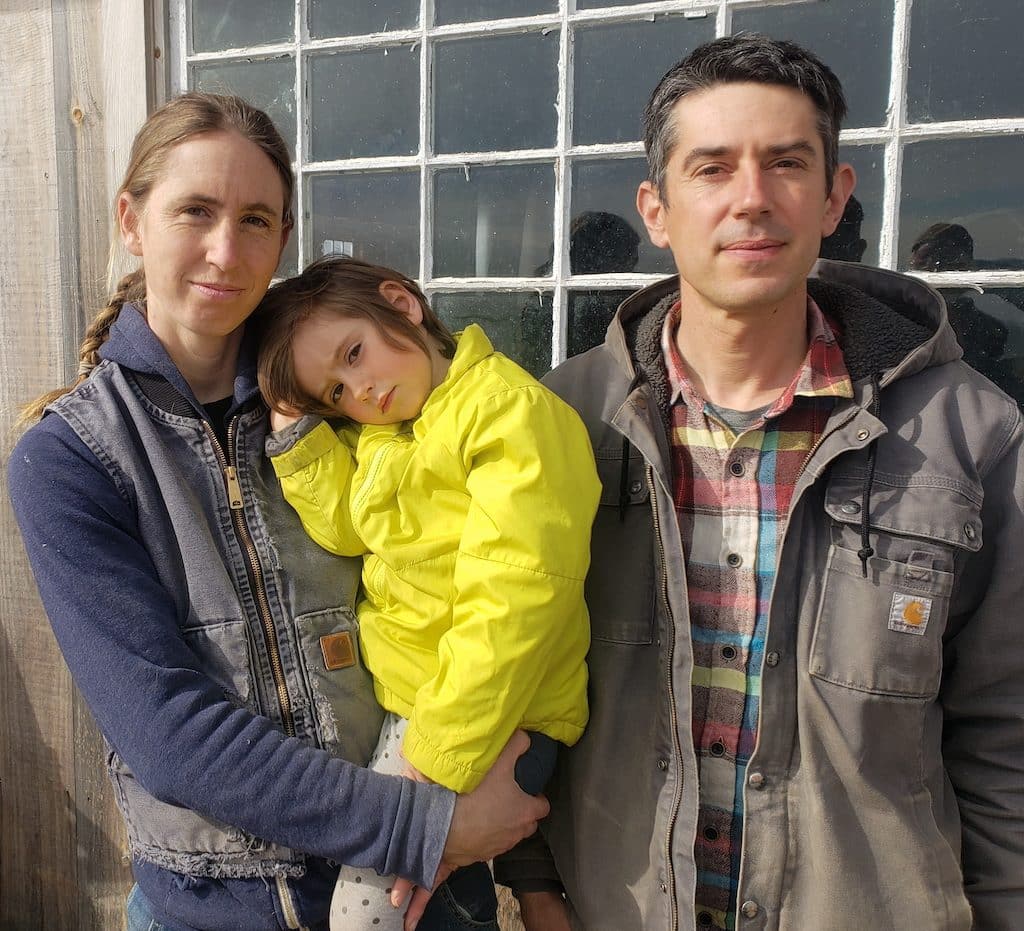
In Maine, state agencies and nonprofits are working to help farmers distressed by the discovery of PFAS – better known as “forever chemicals” – on their land.
If you’re not subscribed to MindSite News Daily, click here to sign up.
Support our mission to report on the workings and failings of the
mental health system in America and create a sense of national urgency to transform it.
For more frequent updates, follow us on Facebook, Twitter and Instagram:

The name “MindSite News” is used with the express permission of Mindsight Institute, an educational organization offering online learning and in-person workshops in the field of mental health and wellbeing. MindSite News and Mindsight Institute are separate, unaffiliated entities that are aligned in making science accessible and promoting mental health globally.
Copyright © 2021 MindSite News, All rights reserved.
You are receiving this email because you signed up at our website. Thank you for reading MindSite News.
mindsitenews.org

Mental health can't wait.
America is in a mental health crisis — but too often, the media overlooks this urgent issue. MindSite News is different. We’re the only national newsroom dedicated exclusively to mental health journalism, exposing systemic failures and spotlighting lifesaving solutions. And as a nonprofit, we depend on reader support to stay independent and focused on the truth.

It takes less than one minute to make a difference. No amount is too small.
The name “MindSite News” is used with the express permission of Mindsight Institute, an educational organization offering online learning and in-person workshops in the field of mental health and wellbeing. MindSite News and Mindsight Institute are separate, unaffiliated entities that are aligned in making science accessible and promoting mental health globally.


Author

Related Articles
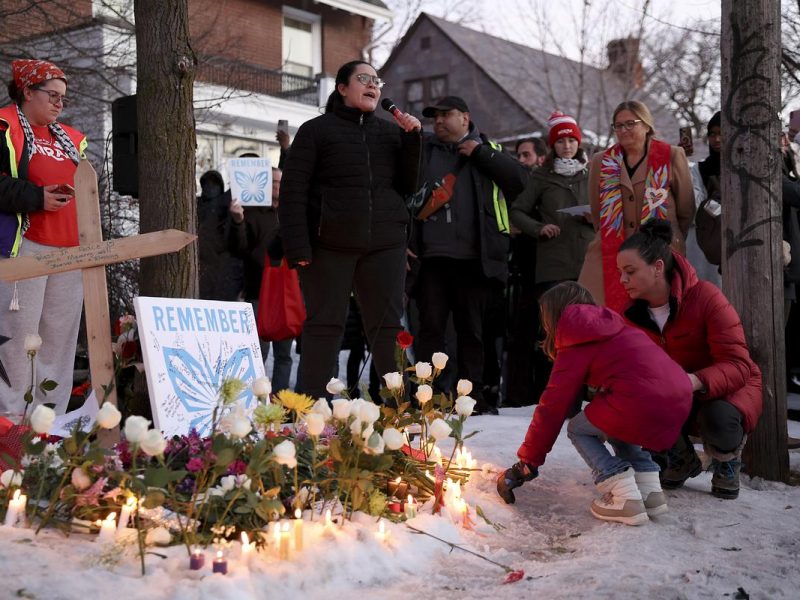
The News From Minneapolis That Makes It Hard To Breathe
Minneapolis residents are reeling after the January 7 killing of Renee Nicole Good by a masked ICE agent.

Care for Dogs While Their People Are in Recovery
Pawsitive Recovery is a Denver-based program that places pets with foster caregivers while their guardians recover from mental health problems.