The FDA Rejects a Psychedelic Therapy. Now What?
The Food and Drug Administration on Friday declined the first-ever application to market a psychedelic drug as a mental health therapy.

Monday, August 12, 2024
By Don Sapatkin

Good Monday morning! In today’s Daily: The FDA shocked the world of psychedelic therapy development, rejecting the first application for a psychedelic to come before it for final approval. We look at what happened, and what may come next.
Plus: Were a psychiatrist’s live-streamed conversations with a troubled gamer interviews or therapy? A still-not-finalized expansion of parity rules could be tough for state regulators to enforce. Social media bans could hurt some teens who need help. And more.
The FDA pumps the brakes on psychedelics
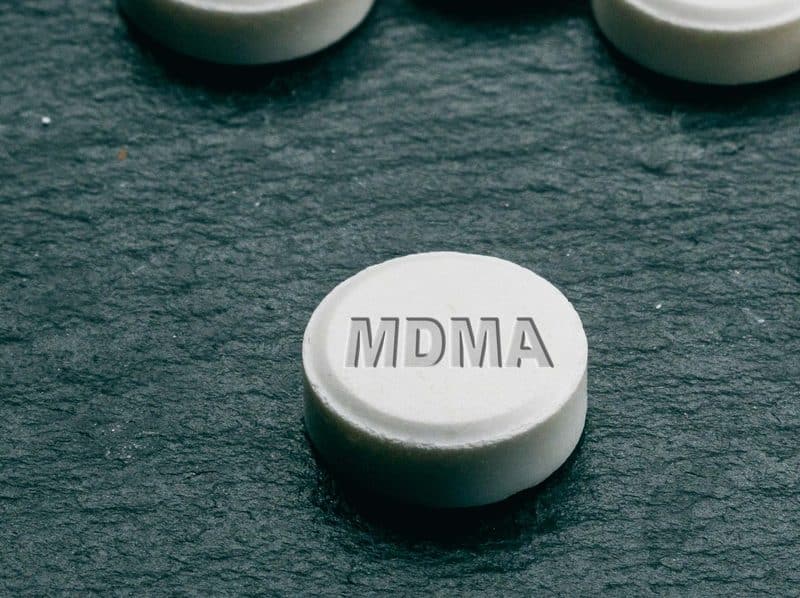
Ignoring a vast grass-roots campaign spearheaded by veterans who believe in every fiber of their being that MDMA plus psychotherapy could save lives and relieve mental suffering, the Food and Drug Administration on Friday declined the first-ever application to market a psychedelic drug as a mental health therapy.

It was a stunning rebuke for Lykos Therapeutics, the public benefit drug company founded by Rick Doblin, a man who for decades had led the movement to decriminalize psychedelics and promote research into their use as mental health therapies.
Lykos was seeking clearance to market MDMA, along with therapy, for treating post-traumatic stress disorder – a condition that fuels suicides and causes debilitating symptoms in some 13 million people in the U.S. (Although MDMA is technically not a psychedelic, but rather is classified as an “empathogen,” it does have minor psychedelic properties and is widely placed under that umbrella.)
The FDA requested another large study, which would add years to the approval process and require Lykos to raise millions of dollars – “a task that borders on Sisyphean” for the small drugmaker, as the Psychedelic Alpha consultancy put it. Lykos said it would ask the FDA to reconsider its decision, but that is highly unlikely. While the agency’s specific reason for rejecting the application was not public, an independent FDA advisory committee had overwhelmingly urged rejection in June, halting a run of upbeat news coverage.
And just this weekend, more bad news for Lykos: The journal Psychopharmacology announced it was retracting an article from Lykos investigators on its Phase 2 clinical trials due to “protocol violations amounting to unethical conduct” at a clinical trial site. STAT reported that the site is where “an unlicensed therapist was accused of sexual assault” by a trial participant.
Even after the advisory committee’s negative recommendation, veterans’ groups, researchers and members of Congress from both parties mounted an unusual lobbying campaign urging the agency to approve it, as the New York Times reported last week, and underscored the high stakes and intense emotions surrounding psychedelic medicine. The lobbying clout – 80 lawmakers signed letters to the Biden administration supporting FDA approval – led some to believe that the agency would relent. It did not.
So what went wrong? Researchers have long been fascinated by the transformative potential of psychedelics and, in recent years, have been buoyed by data suggesting that compounds like LSD, psilocybin (aka magic mushrooms) and MDMA (aka ecstasy) can have major therapeutic effects on hard-to-treat conditions like depression, anxiety, obsessive compulsive disorder and PTSD. Millions of dollars in private investment have supported this research.
Excitement around MDMA-therapy built to a crescendo last year when Lykos released clinical trial data so positive that FDA approval seemed almost inevitable. The trial involved more than 100 people who had suffered from PTSD for an average of 15 years. It showed that 86% of participants who received MDMA combined with psychotherapy had a measurable reduction in the severity of their symptoms, and 71 percent improved so much that they no longer met the criteria for PTSD. For those who received a placebo plus talk therapy, that figure was 48%. The data, along with findings from another trial in 2021, captivated people suffering from PTSD, as well as investors.
But those who watched carefully were not surprised by the FDA’s rejection. Even before the advisory panel’s vote in June, a report from an influential think tank raised questions about the trial’s design and noted that many of the therapists and subjects who took part came from a like-minded community of people who treated psychedelics more like “a religious movement than like pharmaceutical products.”
The damning report from the Institute for Clinical and Economic Review (ICER) said the evidence for MDMA-therapy was insufficient and raised questions about possible trial misconduct. The FDA advisory committee pushed further, raising concerns about the conduct of the trials and the type of psychotherapy provided to participants. It also zeroed in on the placebo problem that affects all blinded studies of psychedelics: Because the effects are easily felt, most trial participants correctly guessed whether they were getting MDMA or a placebo.
Other issues also emerged. The company’s activist origins were hard to shake, several former employees told STAT, creating a culture in which complaints were often ignored, and true belief interfered with a rigorous scientific process. “The more we tried to make it a scientific company, the more we got disparaged by the cult side,” said one, anonymously. Executives disagreed.
Another issue is the combination of drug and therapy. Lykos says talk therapy is integral to MDMA’s benefits. But its clinical trials used a loosely defined form of therapy, rather than an established and well-researched protocol such as cognitive behavioral therapy, STAT reported. Outside researchers said Lykos’s therapy included physical touch and music enhanced by room design, which could be hard to enforce after approval.
Some analysts predicted that the FDA’s action would cast a chill over the field, drying up big biotech money that had been waiting for a decision. Others say it’s important to distinguish between a flawed company and a promising drug. The CEO of another company that is conducting five clinical trials on psychedelic compounds, including MDMA, said the FDA’s decision would not deter other work.
Perhaps the most detailed instant analysis, from Psychedelic Alpha, pointed out that unlike Lykos, drug developers such as Compass Pathways don’t rely on psychotherapy as a part of the clinical trial process. There is “no active psychotherapy” in the protocol for COMP360, the psilocybin product the company is testing for treatment-resistant depression, Compass Chief Medical Officer Guy Goodwin said on an earnings call in April. Compass may now be in the driver’s seat to achieve the first FDA approval for a psychedelic, wrote Psychedelic Alpha’s Josh Hardman.
“One thing’s certain,” Hardman wrote, “much of the landscape-shaping responsibility (the whole ‘jamming a psychedelic peg into a square healthcare system’ bit) now shifts to Compass.” So is another: The estimated 13% of veterans diagnosed with PTSD continue to be stuck with an existing suite of old drugs that help a small minority of patients.
‘The gamer and the psychiatrist’
Byron Bernstein was a celebrity gamer, known as Reckful, with a troubled mental health history. Alok Kanojia is a Harvard-trained psychiatrist who also loved gaming and had followed Bernstein’s record-shattering career. The doctor believed that traditional and expensive one-on-one therapy sessions had limited reach with gamers, especially since most psychiatrists don’t know much about video game addiction. He wanted a broader reach and had an innovative idea: Why not do an interview and livestream it on Twitch, the interactive platform widely used by gamers?
Many gamers field questions about every aspect of their lives during live streams and are open about their mental health. On Twitch, some streamers use a “mental health” tag to indicate that they would talk freely about their history of depression or anxiety as they played to a live audience.
So the psychiatrist and the gamer did an interview live-streamed on Twitch. Bernstein opened up about his older brother’s death by suicide, his terrible experience with lithium, the nights he fell asleep wishing he would not wake up. The conversation moved other gamers, whose reactions flooded in.
“It was a riveting thing to watch,” the New York Times writes about that first hour-and-53 minute conversation: “a fragile, brilliant young man opposite a probing, empathetic doctor. The two men clearly liked each other, and Mr. Bernstein said he was improving. They had six conversations, with live audiences that climbed into the hundreds of thousands. Then, a few months later, the dialogue ended, tragically, with Mr. Bernstein’s death by suicide at 31.”
What, the Times asks, was Kanojia’s role in Bernstein’s life? Kanojia, now 41, says he never entered into a doctor-patient relationship with Bernstein, and that offline he encouraged him to seek medical care. He made clear at the beginning of the live events that he was not doing therapy. And after their first spontaneous conversation, Kanojia asked Bernstein to sign a waiver acknowledging that their chats did not constitute treatment.
The conversations with Bernstein helped jump-start Healthy Gamer, the mental health platform and coaching business he co-founded with his wife, Kruti. It employs 200 coaches and administrators and runs an institute that trains and certifies coaches, according to the Times. Kanoji, known on Twitch as Dr. K, still does occasional live-stream interviews with gamers. Some of the issues raised by this story also apply to the fast-growing field of life-coaching, in which coaches – who may or may not be therapists – hold therapy-like sessions that are not subject to medical regulation.
Kanojia’s critics say he violated professional ethics, exploiting a vulnerable man. Two years ago, a content creator named Max Karson, who didn’t know either party but studied psychology in college, filed a complaint with the Massachusetts medical board. He told the Times he was outraged by what he called an “unbounded, pseudotherapeutic relationship.”
The board reprimanded Kanojia in June for having “engaged in conduct that undermines the public confidence in the integrity of the medical profession.” But it didn’t revoke his license, fine him, or limit his medical practice. And Karson, too, may have had ulterior motives: He told the Times that part of his motivation was that it was “entertaining for my audience to watch me file a complaint against this guy.”
In other news…
As the Biden administration works to finalize new, expanded rules to enforce a 2008 law on mental health parity, the state insurance regulators that will largely be responsible for enforcing it face substantial barriers, according to researchers writing for the Commonwealth Fund. Some of the issues they identified: Few consumers are aware of the law requiring that mental health and addiction coverage be on par with medical coverage, and even fewer file complaints. And while insurers are required to conduct analyses showing that their decisions about coverage of behavioral health are equitable, those analyses are complex and often employ a “kitchen sink” approach that can overwhelm the regulators.
Banning or limiting social media for kids could deny teenagers mental heath help, KFF Health News reports. Advocacy groups, Congress and the U.S. Surgeon General have called for a range of limits, from age bans to parental consent and warning labels – 30 states have legislation pending – even though social media’s effects on children are not well understood. Some features are known to be problematic, like algorithmically driven content, incessant notifications, and anonymity that emboldens cyberbullies. But social media can also be helpful for some young people, especially racial and ethnic minorities and LGBTQ+ adolescents. It can reduce their isolation, meaning that age bans could disproportionately hurt those marginalized populations, who also spend more time on the platforms.
Another illicit drug to (possibly) worry about: Medetomidine, a canine veterinary agent used for its anesthetic and analgesic properties, was detected in five overdose cases in three states in recent years, the Politico Future Pulse [will need to manually reinsert URL] newsletter reports. The study that found it, summarized in a CDC report, was the first to look, and researchers don’t know the short- or long-term effects of medetomidine.
There was a lot of good stuff I couldn’t squeeze in this week. Some headlines:
As Opioid Deaths Plague Baltimore, the City’s Strategy Is Silence, a follow-up to an investigation by the Times and the Baltimore Banner that we synopsized in this space two months ago.
Mother of all cannabinoids CBG shows promise of curing anxiety in clinical trial, according to Study Finds
“4 principles to guide AI in supporting mental health,” a blog from Google summarizes the opportunities and risks AI poses to mental health.
Researchers are leaning on artificial intelligence to predict which patients with cancer will develop chronic pain, Politico Future Pulse reports. [will need to manually insert URL]
How Pixar’s ‘Inside Out’ films changed therapy, according to the New York Times.
If you or someone you know is in crisis or experiencing suicidal thoughts, call or text 988 to reach the 988 Suicide & Crisis Lifeline and connect in English or Spanish. If you’re a veteran press 1. If you’re deaf or hard of hearing dial 711, then 988. Services are free and available 24/7.
Recent MindSite News Stories
Sending Unarmed Responders Instead of Police: What We’ve Learned
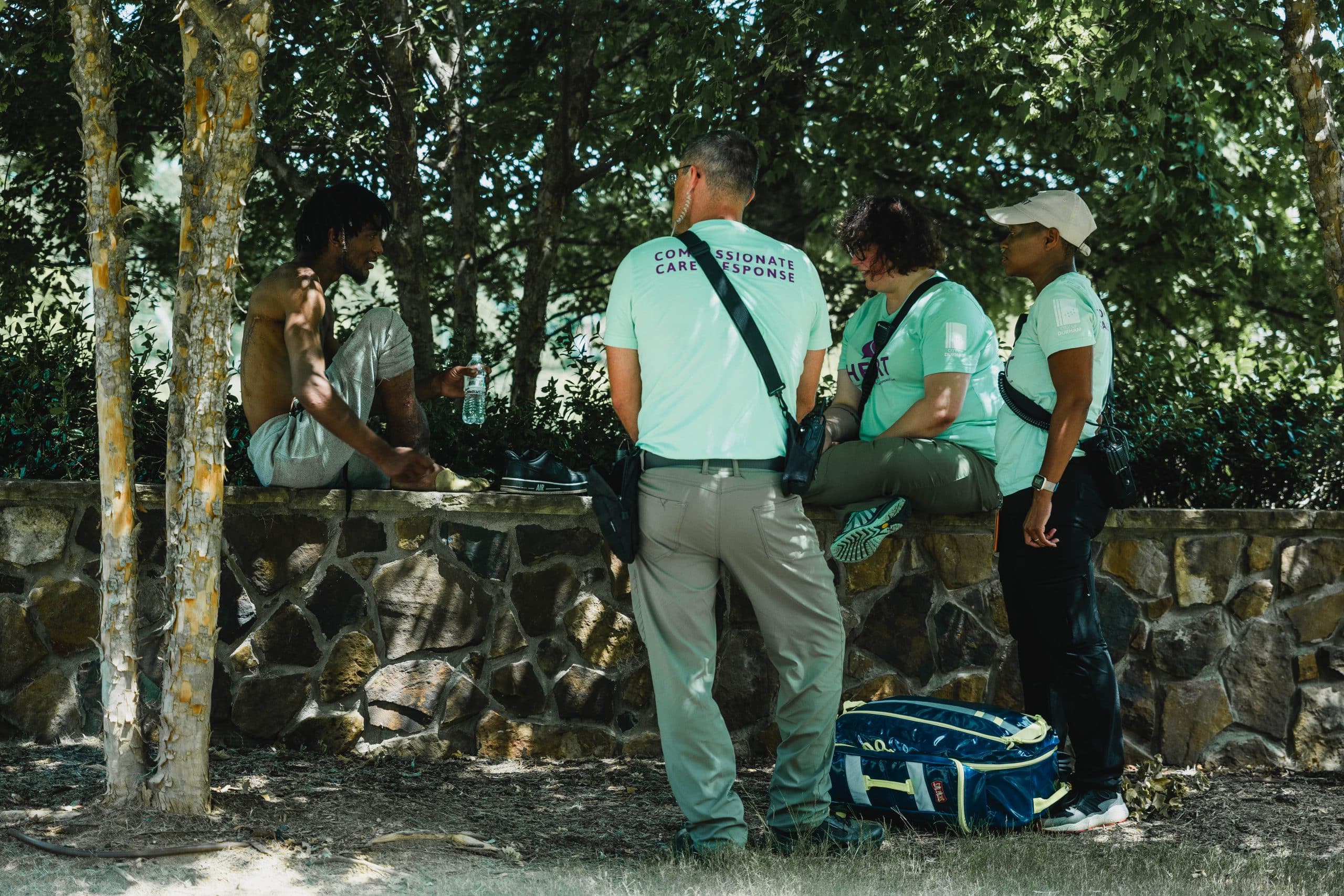
In the four years since George Floyd’s murder, many sweeping attempts to reform policing have faltered. But one proposal that has taken hold across the country, and continues to spread, is launching alternative first response units that send unarmed civilians to respond to mental health crises.
If Mental Health Responders – Not Police – Had Come to Marquis Rivera’s Home, Would He Be Alive Today?
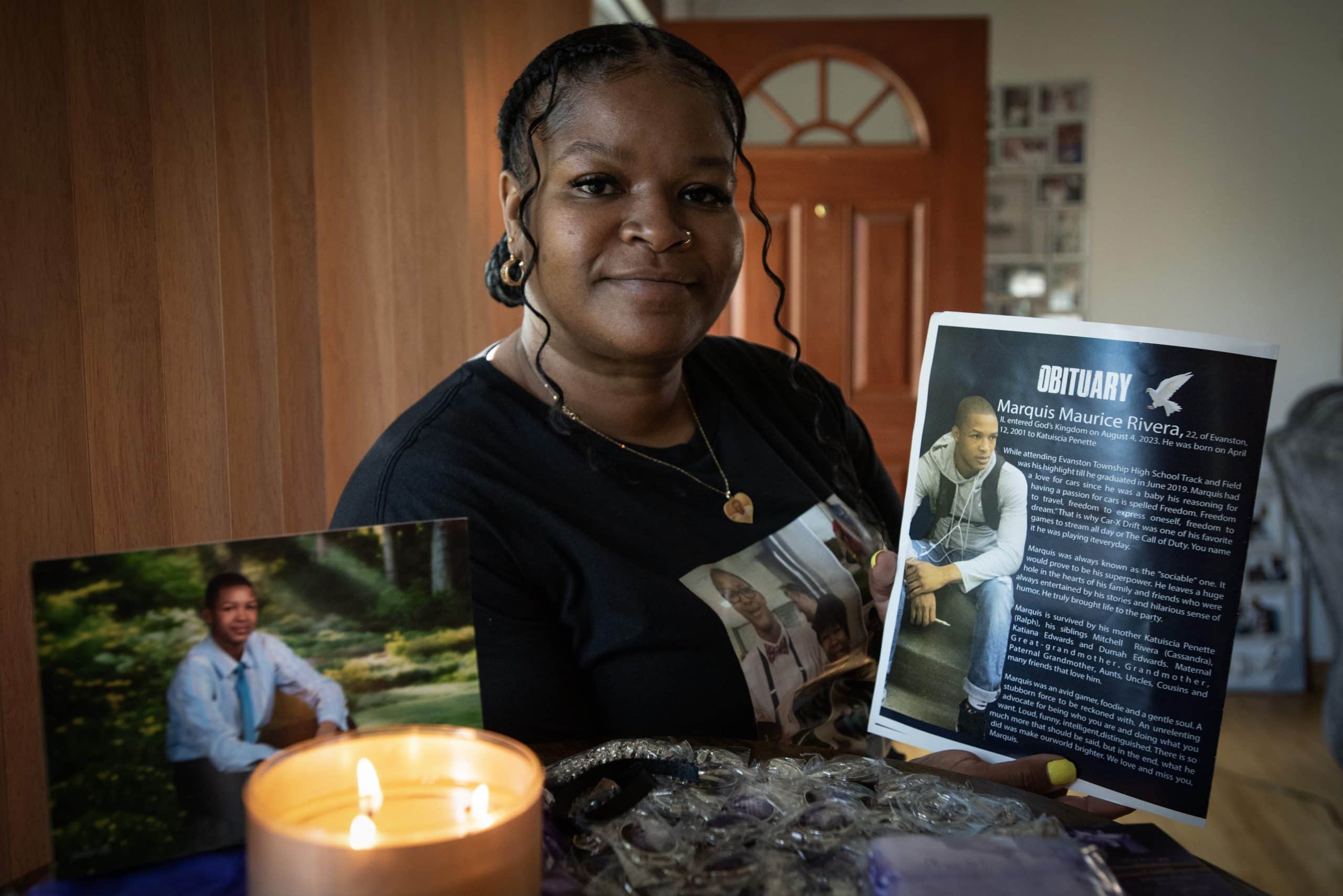
One year ago, a 22-year-old man who was feeling lost and suicidal in the aftermath of a break-up was killed by police. His father, a crisis mental health worker, still wonders: What would have happened had he gotten a different […]
Meet the New Generation of Unarmed Responders in this New Podcast Series

This three-part podcast looks at efforts across the country to deploy first response units that use unarmed civilians, instead of armed officers, to mental health emergencies.
If you’re not subscribed to MindSite News Daily, click here to sign up.
Support our mission to report on the workings and failings of the
mental health system in America and create a sense of national urgency to transform it.
For more frequent updates, follow us on Facebook, Twitter and Instagram:

The name “MindSite News” is used with the express permission of Mindsight Institute, an educational organization offering online learning and in-person workshops in the field of mental health and wellbeing. MindSite News and Mindsight Institute are separate, unaffiliated entities that are aligned in making science accessible and promoting mental health globally.
Copyright © 2021 MindSite News, All rights reserved.
You are receiving this email because you signed up at our website. Thank you for reading MindSite News.
mindsitenews.org

The name “MindSite News” is used with the express permission of Mindsight Institute, an educational organization offering online learning and in-person workshops in the field of mental health and wellbeing. MindSite News and Mindsight Institute are separate, unaffiliated entities that are aligned in making science accessible and promoting mental health globally.


Author

Related Articles
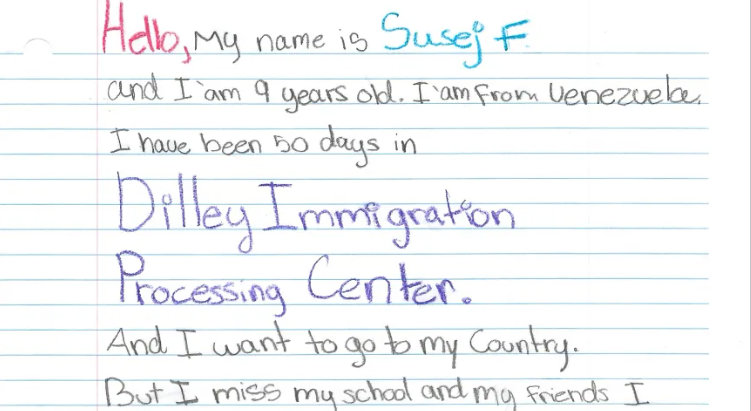
Health Organizations Condemn Traumatic ICE Raids, Family Separation
According to letters from children living in an ICE detention facility, living conditions are inhumane and their mental health is suffering.

In Teens, Social Anxiety Often Looks Like Anger
A study finds that some teens’ aggressive behavior may be due to social anxiety, not straightforward reactivity.
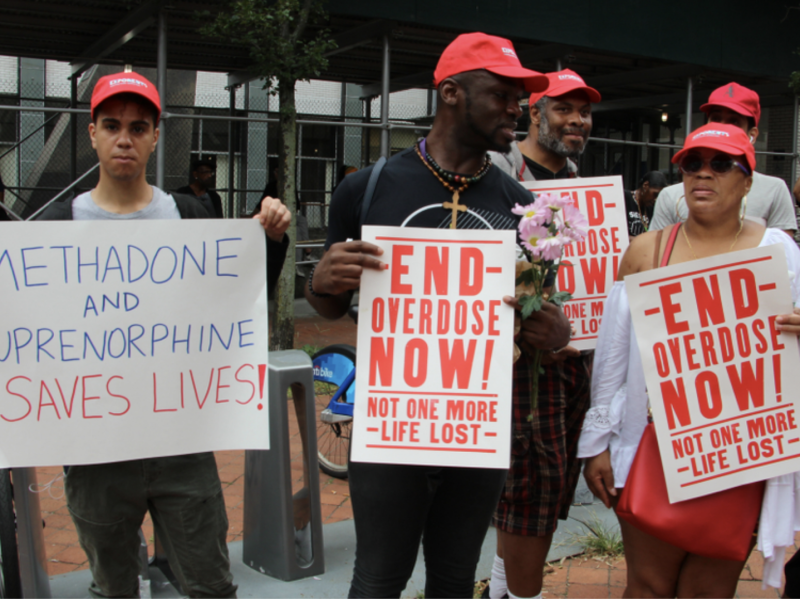
Expert Calls for Harm Reduction, Not Punishment, to Resolve Our Overdose Crisis
As the Trump administration pulls funding from harm reduction, an expert on the overdose crisis says it’s the best way to save lives.
