
Fateful Encounters
Fateful Encounters is an ongoing investigative collaboration between MindSite News, the Medill Investigative Lab-Chicago at Northwestern University and other media outlets exploring police response to mental health crises. This work is generously supported by the Sozosei Foundation and the Reva and David Logan Foundation.
If Mental Health Responders – Not Police – Had Come to Marquis Rivera’s Home, Would He Be Alive Today?
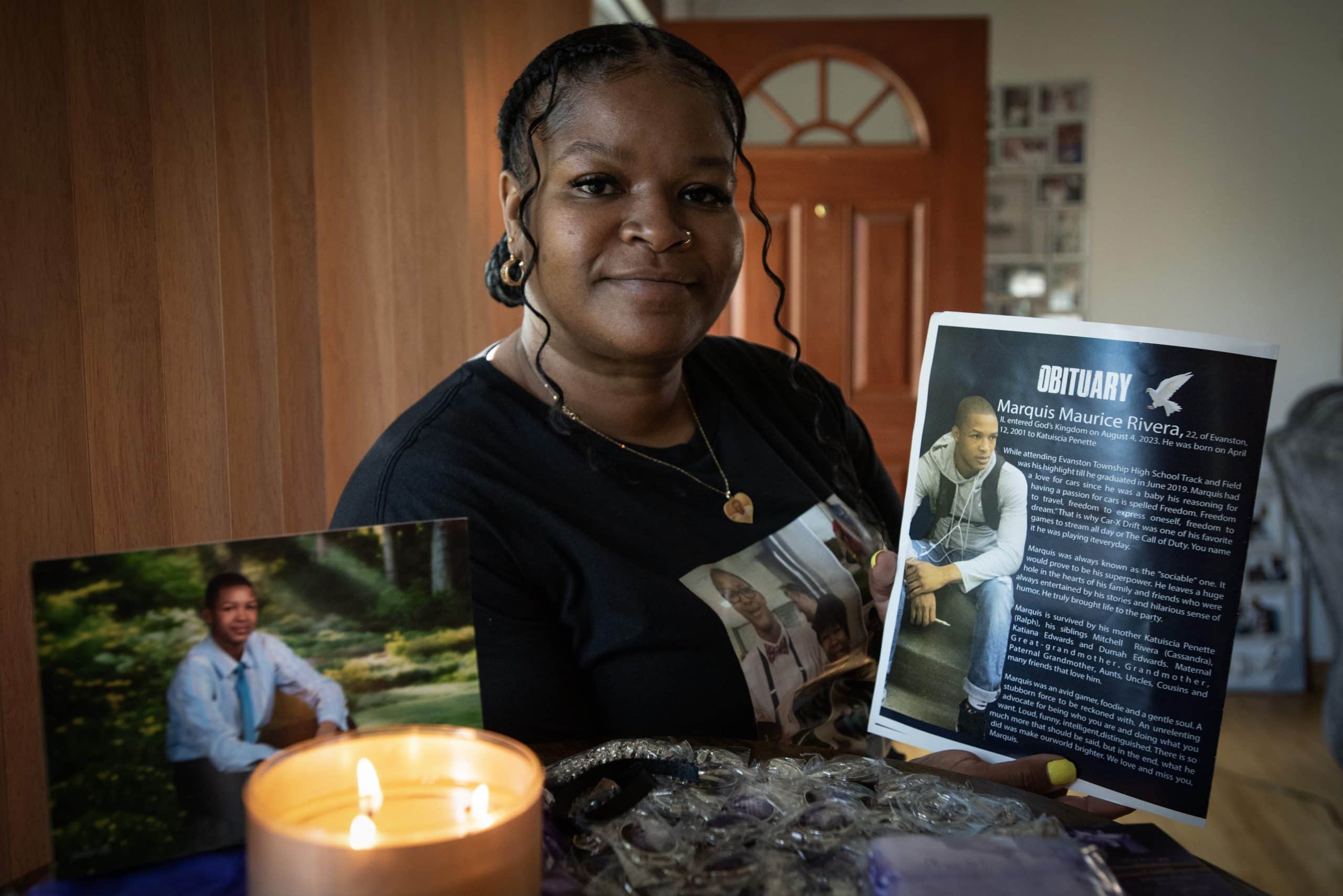
One year ago, a 22-year-old man who was feeling lost and suicidal in the aftermath of a break-up was killed by police. His father, a crisis mental health worker, still wonders: What would have happened had he gotten a different kind of response? Read the story here.
Tasers Can Kill. When They Don’t, They Can Still Do Lasting Damage
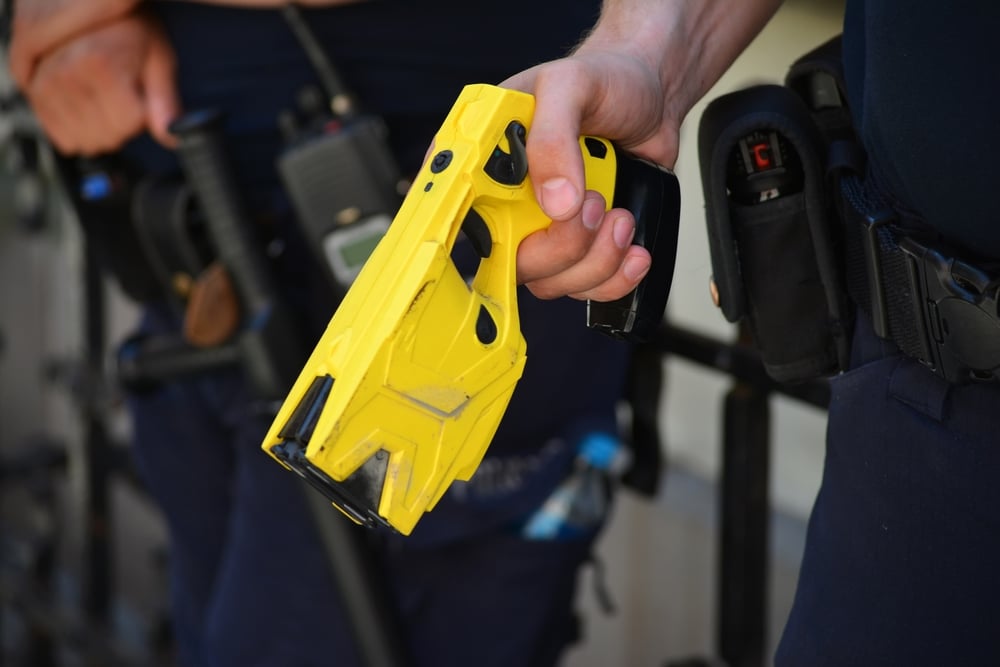
A MindSite News investigation with the Medill Investigative Lab-Chicago at Northwestern University documented the widespread use of tasers in response to 911 mental health calls. Read the story here.
A County Jail Near a Colorado Resort Town Uses Suicide Smocks and ‘WRAPs’ to Restrain Agitated Prisoners

Restraints are often used by law enforcement on people in a mental health crisis, but advocates say there are better approaches. Read the story here.
In Puerto Rico, Calling 911 in a Mental Health Crisis Can Get You Tased

When police use force in the San Juan and Arecibo regions of Puerto Rico, about a quarter of the time they use it against people suffering a mental health crisis, according to an analysis by the Center for Investigative Journalism. In more than half of these cases, officers discharged their Tasers, which can cause serious harm. Read the story here.
911 Call-Takers Are Demoralized, Overwhelmed and Dealing With Their Own Mental Health Woes
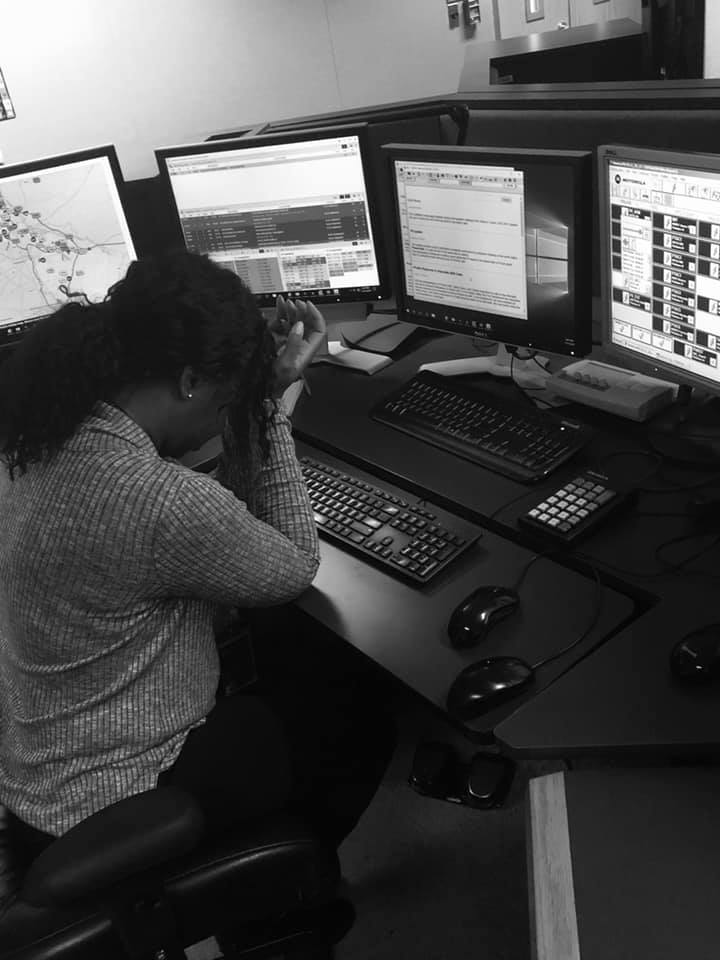
Inadequate training on mental health crises, poor working conditions and a crazy quilt of dispatch codes from city to city puts both dispatchers and callers in crisis at risk. Read the story here.
Deadly Consequences: When Police Response to Mental Health Calls in New Hampshire Proves Fatal
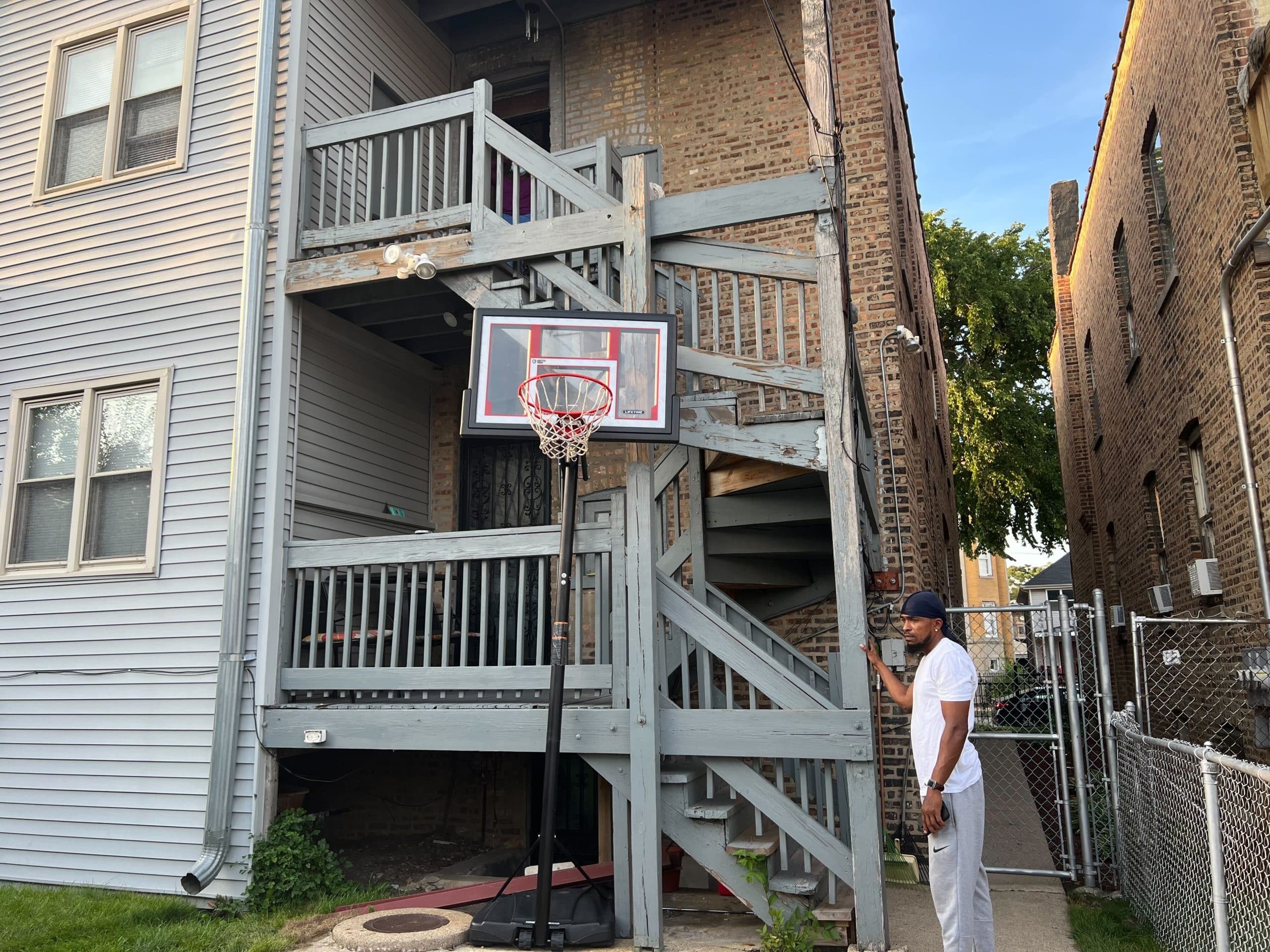
More than 60% of people shot and killed by New Hampshire police over the last decade had a mental illness, according to ‘Shots Fired,’ a Concord Monitor analysis published in 2021. Two years later, little has changed. Of the eight people shot and killed by police in New Hampshire since the analysis was published, five had a history of mental illness. Read the story here.
Inside the Fateful Encounters Series
Two reporters from the Medill Investigative Lab-Chicago take us behind the scenes on their deeply reported stories. One looked at the deadly shootings by New Hampshire police of people in mental health crisis. The other looked at the intense stress experienced by 911 call-takers. Read the story here.
Chicago Experiments with Crisis Response Units, Grapples With Dilemma: Include Police or Not
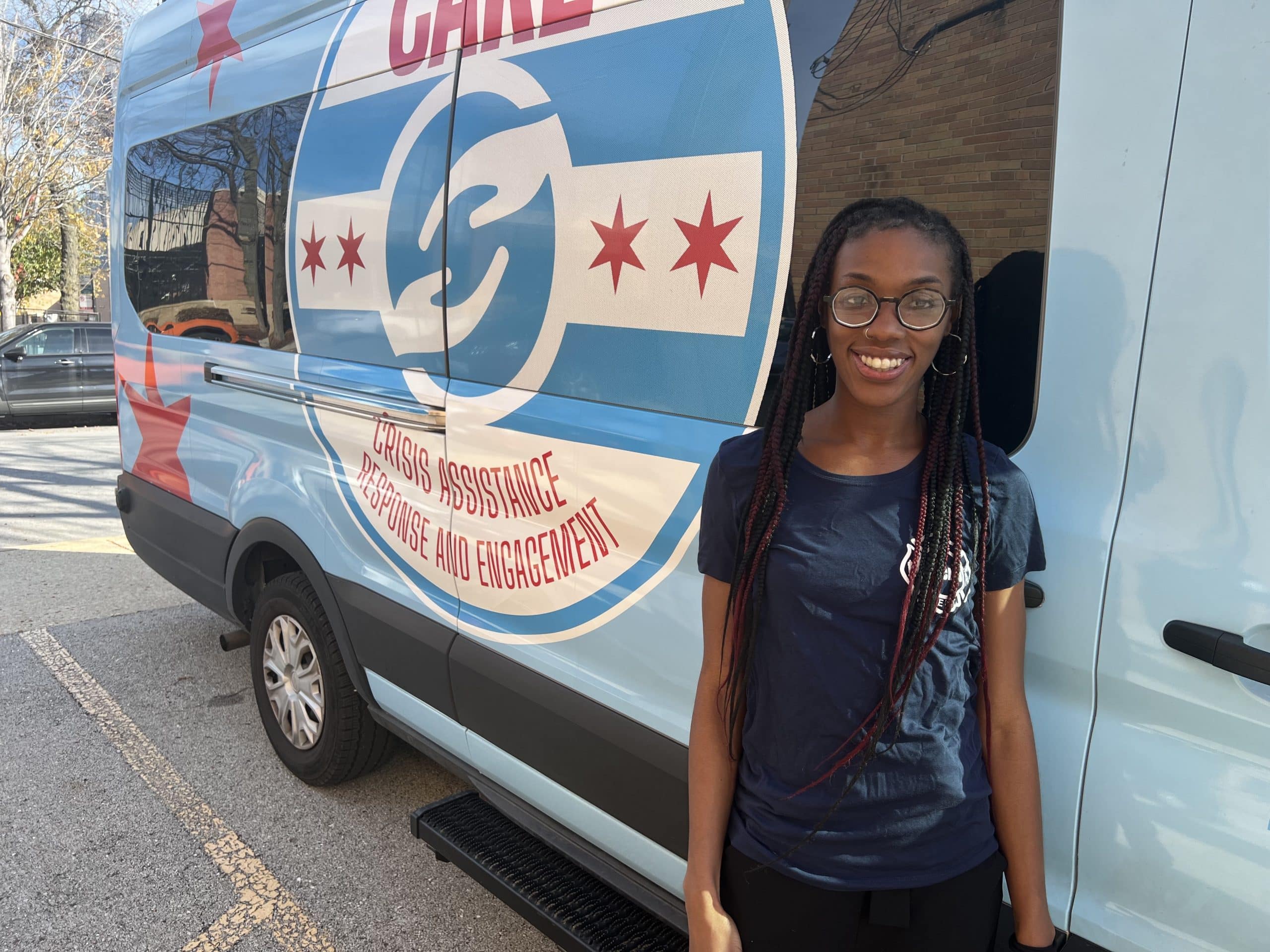
Chicago has been rolling out a pilot program testing alternative ways to respond to mental health-related 911 calls. The program is meeting with success, but handles only a fraction of those calls. The effort has kicked off a debate about the role of police. Read the story here.
In Chicago, Black Residents Calling 911 For Mental Crises More Likely to Face Tasers, Batons & Guns When Police Arrive
This past summer, the national 988 Suicide & Crisis Lifeline made its debut, creating an easy-to-remember phone number people can call to get help for a mental health crisis. Has it helped change the dynamic between police and people with a history of mental illness? Read the story here.
The name “MindSite News” is used with the express permission of Mindsight Institute, an educational organization offering online learning and in-person workshops in the field of mental health and wellbeing. MindSite News and Mindsight Institute are separate, unaffiliated entities that are aligned in making science accessible and promoting mental health globally.


Author

Related Articles

1 in 8 Youth Turn to AI for Mental Health. ‘It Just Tells Me What I Want to Hear’
Youth with the deepest emotional needs are using chatbots for therapy the most – but many are unhappy with the outcome.
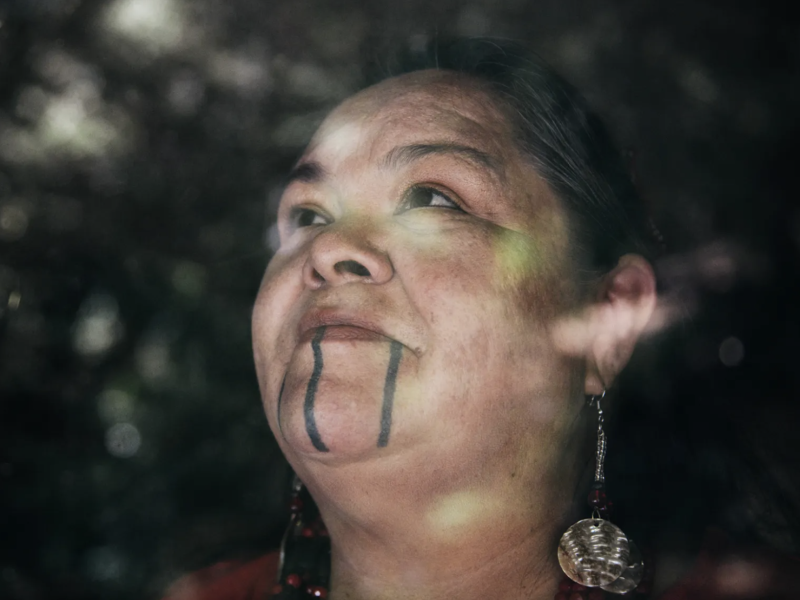
California Tribal Advocate Who Fought to Prevent Suicides Dies in Apparent Murder-Suicide
Celinda Gonzales of the Yurok Tribe worked to prevent suicides among Native Americans after losing a son and a brother. She “was a friend to many,” the tribe said.

Countering the ‘Dark Passions’
Across liberal democracies and nations, like the U.S., that are sliding out of the democratic zone, autocrats are weaponizing our most divisive emotions. In “Anger, Fear, Domination,” William A. Galston offers a guide to how these passions spread and what it takes to keep them from overwhelming us.
