
A ‘Cautionary Tale’ On the Risks of Overseas Ibogaine Clinics
Ibogaine clinics may help some people defeat drug addiction, but unregulated overseas clinics should be approached with caution.


Wednesday, Sept. 18, 2024
By Courtney Wise

Greetings, MindSite News Readers. Ibogaine clinics may help some people defeat drug addiction, but unregulated overseas clinics should be approached with caution. Also, addiction advocates in Minnesota are at odds over the best ways to approach sobriety in sober living homes.
Plus, the Queensland Health Department in Australia goes viral for its campaign seeking to reduce folks’ anxiety over going “number two” at work. An essay on how racial trauma crosses generations. And more.
A “cautionary tale” about the risks of ibogaine
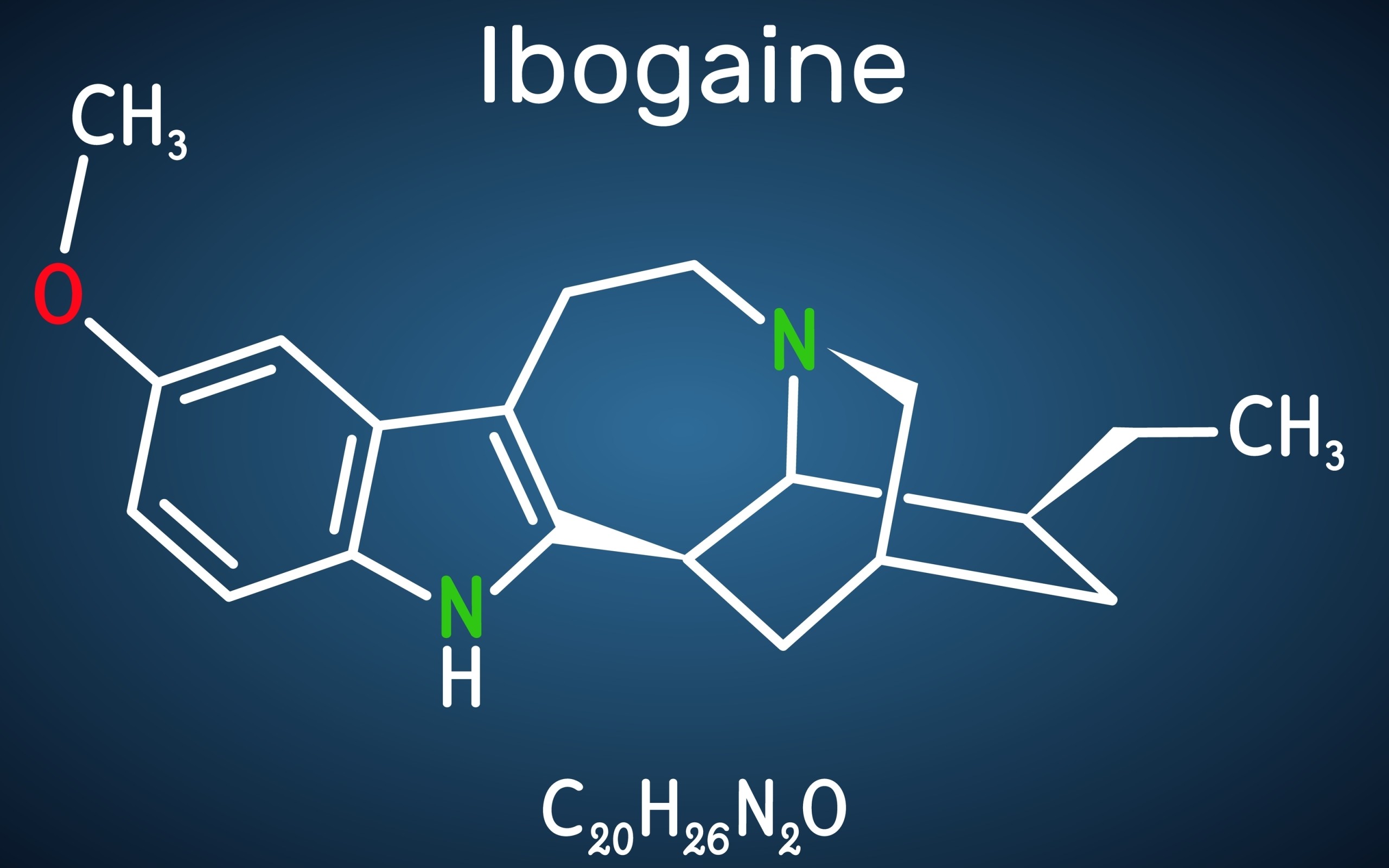
In April 2022, a 49-year-old New Yorker that Rolling Stone identified only as David, traveled to Cancún, Mexico, hoping to cure his opioid addiction. He checked into Beond, an ibogaine clinic that had opened its doors the month before and was founded by a pair of married entrepreneurs, Tom Feegel and Talia Eisenberg, both former opioid users themselves.
Eisenberg credits ibogaine with saving her life but David’s experience wasn’t so fortunate. He’d been struggling with addiction for decades, had recently relapsed and was taking large amounts of fentanyl up until his arrival. He came to the clinic, got an initial treatment and then two days later, a second, “booster” dose. He died shortly thereafter. The likely cause was a heart attack, brought about due to his delicate condition before checking in to the clinic.
Derived from the African iboga plant, ibogaine is characterized by its intense psychedelic effects and is said to help break addiction by minimizing withdrawal symptoms and allowing patients to process trauma. It remains unregulated in Mexico and is illegal in the United States, raising concerns about the safety and efficacy of treatments at clinics like Beond.
Despite ibogaine’s reputation for helping people end their battle with drug addiction, taking it in a compromised physical condition without proper preparation and supervision carries significant health risks, experts say. The biggest danger is cardiac arrhythmia, a side effect often seen in people who have been taking long-acting opiates like Suboxone, a medication used to help people overcome opioid addiction.
“Looking at numbers, the mortality rate can be as high, in untrained hands, as 3%,” said Jeffrey Kamlet, an ibogaine expert and former president of the Florida Society of Addiction Medicine. “I have a folder of over 60 ibogaine deaths. Every single one of those could have been avoided,” he said. “Every single one.” (Kamlet was the initial chief medical officer for Beond; last year, he was arrested in Miami for allegedly statutory rape of a 17-year-old girl. She later turned up dead and most of the charges were dropped; Kamlet pled guilty to one charge and turned in his medical license, according to Rolling Stone.)
Beond has achieved appeal and popularity with the help of social influencers who use their online platforms to report their experiences at the clinic. Jordan Belfort, whose life inspired the Leonardo DiCaprio role in the Wolf of Wall Street, said in an Instagram post that Beond “is the real deal.” He’d felt stuck until finding the clinic, Belfort said, adding that he wasn’t paid for the endorsement. Taking Ibogaine “in one day resets all of your [neurotransmitter] receptor sites,” he wrote. “And literally you end up addiction free in one day.” Many other authors, models, fitness influencers and other celebs have posted similar social media testimonials.
The use of influencers to endorse and promote ibogaine clinics is deeply problematic, said psychedelic ethics consultant Joseph Adams. Celebrities are likely to get more attentive treatment, he said, and since reviews are collected right after treatment, when people are mostly pleased, they can leave out what happens when people return home.
The enthusiasm of people who have been helped by ibogaine can create distortions and minimize risks, one clinic owner told Rolling Stone. And “to do ibogaine treatments well and safely requires a lot of screening, monitoring, and knowledge,” said Kenneth Alper, an associate professor of psychiatry and neurology at NYU School of Medicine who has done extensive research on ibogaine. “I’m not so sure that this can be done widely without compromising.”
Mattha Busby, the journalist who wrote the Rolling Stone story and went to Beond to experience the treatment himself, notes that ibogaine has, by some estimates, helped over 10,000 people – but called David’s death “a cautionary tale” for the ibogaine industry. “Treatment with the powerful psychedelic has great promise in easing the spiraling human losses from the opioid crisis,” he wrote, “ but treatment can be fraught with danger.”
A debate – harm reduction vs. sober living – rattles the addiction-treatment world in Minnesota
John Curtiss is a believer in abstinence-based recovery. It saved his life, he told the MinnPost’s Andy Steiner. The past 48 years of sobriety and health wouldn’t have happened without the 21-days he spent in Hazelden Betty Ford, at supervised rehab, followed by months in a Hazelden-run sober house, he said. The time was so beneficial, in fact, that Curtiss and a group of friends started a sober house of their own after completing Hazelden’s recovery program. He later became an addiction counselor and is now co-founder, president, and CEO of The Retreat, an alcohol and drug recovery center.
“Everyone leaves treatment on the pink cloud,” he said. “You have all these great plans, and then, about three to eight weeks in, is the danger zone. The ego reemerges, the old relationship shows up again. You’re back in the old neighborhood and it’s a lot harder than you thought it would be.” And that, he says, is where you need to turn to support from your abstinent peers.
Eddy Krumpotich, a harm reduction advocate and founder of the Minnesota Harm Reduction Collaborative, has a different experience and viewpoint. He said his struggle with severe ADHD led him to addiction and that traditional abstinence-based addiction treatment never worked for him, although he tried – and failed – many times.before finally finding medication-assisted treatment and lasting recovery.
“I went to 50 abstinence-based treatment programs,” Krumpotich said. “What worked was when I was put on a treatment for my mental health.” Potentially addictive medications like Adderall have proved essential to his recovery, Krumpotich said, and that’s why he threw his support behind new legislation pushed by some mental health advocates in the state, including NAMI-Minnesota, that pits sober-home operators against harm-reduction supporters over the best ways to help people overcome addiction.
NAMI has spent the past several years encouraging Minnesota lawmakers to pass legislation that regulates sober homes in a variety of ways. The most recent, which will be phased in over the next two years, will require facilities to allow legally-prescribed addiction and mental health medications for residents who use them. While Curtiss does not object to some of the regulation efforts, he is staunchly against this provision.
“They want to turn all sober homes into little harm-reduction treatment programs with low-pay, low-level staff,” he said. “It’s going to be an absolute mess.”
He says some people are in such a struggle against addiction that having access to addictive substances threatens their sobriety, said Aric Smedstad, operations-director and live-in house manager at Hazelwood House. Some people may need a home that allows them to take Adderall or suboxone and that’s okay. But others, like himself before he entered long-term recovery, need a substance-free home.
“What I am trying to advocate for in Minnesota is choice of residence,” Smedstad said. The first major law change will take effect January 1. “It’s a huge deal,” he continued. “I have four young men in this house who abused Xanax and Adderall. What will I do now?”
Lexi Reed-Holtum, a recovery advocate who sits on the board of the Minnesota Association of Sober Homes, agrees. “I believe it is an overstep for the state of Minnesota to mandate that all sober homes must take all medications. It’s like we’re making rules in a reactionary way with not enough information.”
In other news…
Defeating anxiety to poop: It’s unclear how many Americans suffer from parcopresis, or the inability to defecate away from home due to fear of judgment from others, but enough people deal with it in Australia that the Queensland Health Department has gone viral with its digital campaign that aims to help people feel free to poop at work. At a glance, the issue seems a little silly, laughable even, with all the potty talk. But “holding it in” carries some health risks, including hemorrhoids and other gastrointestinal problems. It might even impact people in other areas of life, The Conversation notes, as some people might avoid certain jobs, travel, or social events in an effort to avoid worries about the toilet.
Systemic racism promotes intergenerational trauma: Journalist Cara Anthony of KFF News recently learned that her great-uncle, Leemon Anthony, was killed (likely unjustly) by police decades before she was born. She thought he’d perished in an accident; it’s the story her family told. Anthony’s father believed it too. But then, she began reporting on the killings of other Black people by police, prompting her father to tell her a truth he’d uncovered through his own research. “It says ‘shot by police,’ ‘resisting arrest,’” he explained about their Uncle Leemon’s death certificate. “I never heard this in my whole life,” he said. The new information triggered something in her that prompted her to drive her family to view cotton fields. She needed to see the soil that birthed and buried some of their family’s worst traumas. “I felt a sense of grief that was hard to process,” Anthony wrote.
Ten years ago, Wil Davidson wasn’t sure he wanted to live. After attempting to take his life, he voluntarily entered an inpatient mental health program. “I remember for days, even weeks, not feeling like any progress was happening,” Davenport said. “So in between our therapy sessions and whatever else we were doing, I would walk laps inside this locked unit.” Then, with playful kindness, a therapist challenged him to a footrace to the community room. “And somehow, that small act triggered something inside of me.” He didn’t want to be beaten, but more than that, Davenport told NPR’s Hidden Brain podcast, it reignited his sense of purpose.
Ben Kramer is not a mental health provider, but he is licensed to supervise others use of psilocybin for mental health treatment, and this illustrated essay in the Washington Post explains, in part, why he believes the substance is an important tool that helps people heal from PTSD.
If you or someone you know is in crisis or experiencing suicidal thoughts, call or text 988 to reach the 988 Suicide & Crisis Lifeline and connect in English or Spanish. If you’re a veteran press 1. If you’re deaf or hard of hearing dial 711, then 988. Services are free and available 24/7.
Recent MindSite News Stories
Beyond Thoughts and Prayers: Counselors Step Up to Help a Georgia Community After Deadly School Shooting
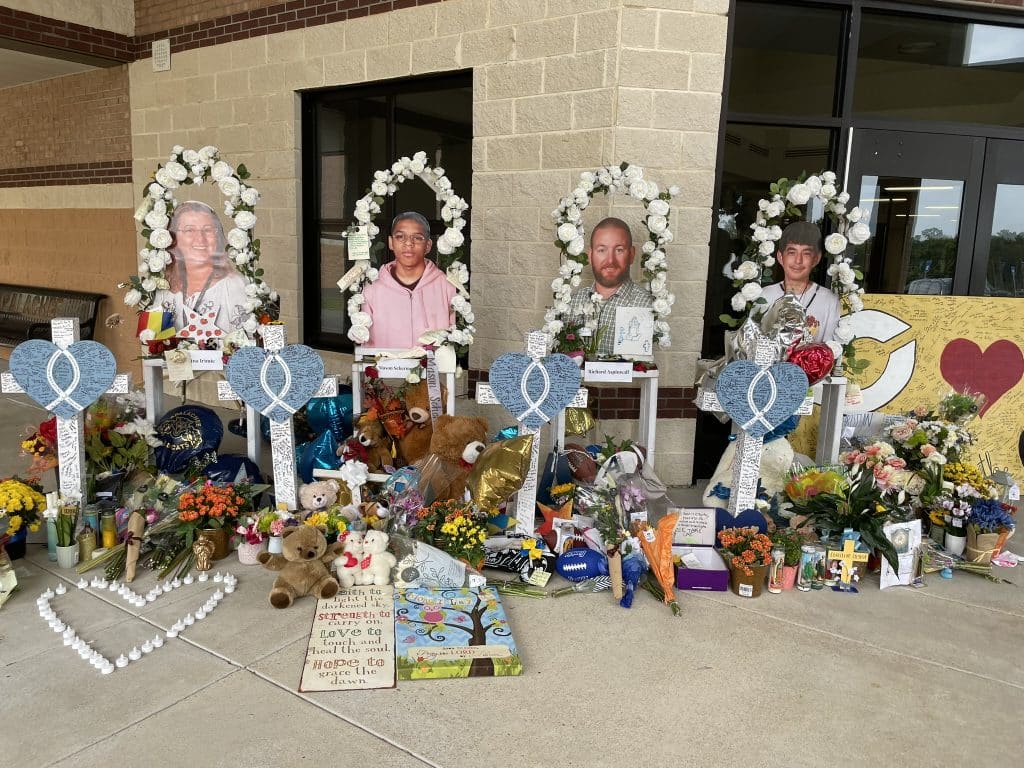
A grim ritual is playing out in Winder, Georgia, in the aftermath of another school shooting. The state has set up a recovery center, churches and health providers are offering therapy and emotional support dogs offer solace.
House, Senate Committees Release Dueling Mental Health Spending Bills

Senate and House committees have put forward two sets of fundings bills for mental health and addiction services. The results won’t be decided until the lame-duck Congress meets after the November elections.
How Paris Hilton and Other Survivors of the Troubled Teen Industry Unleashed a Movement

Meet Five True-Life Avengers Who Are Holding the Troubled Teen Industry Accountable
If you’re not subscribed to MindSite News Daily, click here to sign up.
Support our mission to report on the workings and failings of the
mental health system in America and create a sense of national urgency to transform it.
For more frequent updates, follow us on Facebook, Twitter and Instagram:

The name “MindSite News” is used with the express permission of Mindsight Institute, an educational organization offering online learning and in-person workshops in the field of mental health and wellbeing. MindSite News and Mindsight Institute are separate, unaffiliated entities that are aligned in making science accessible and promoting mental health globally.
Copyright © 2021 MindSite News, All rights reserved.
You are receiving this email because you signed up at our website. Thank you for reading MindSite News.
mindsitenews.org
The name “MindSite News” is used with the express permission of Mindsight Institute, an educational organization offering online learning and in-person workshops in the field of mental health and wellbeing. MindSite News and Mindsight Institute are separate, unaffiliated entities that are aligned in making science accessible and promoting mental health globally.


Author

Related Articles
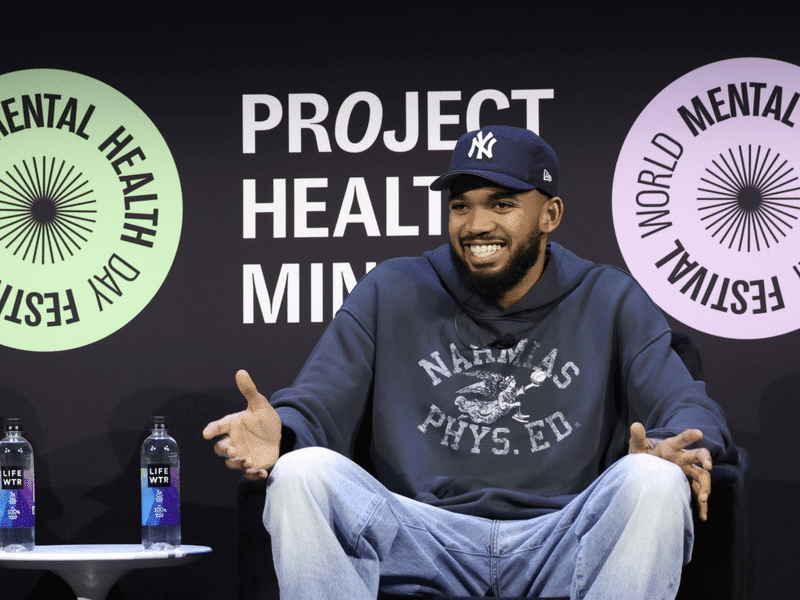
Star Athletes Open Up About Mental Health at Healthy Minds Festival
Athletes shape how Americans picture strength, which puts them in a unique position to show that male vulnerability belongs in that picture.

Nature Rx: A Prescription That May Save Your Life
A healthcare movement that “prescribes” time outdoors and in community to people struggling with their mental health.

Cornell Assault Prompts Parents to Talk With Their Sons
Sexual assault on campuses nationwide is still a grave problem.