
Black Farmers Say Racism Worsens Their Mental Health Woes
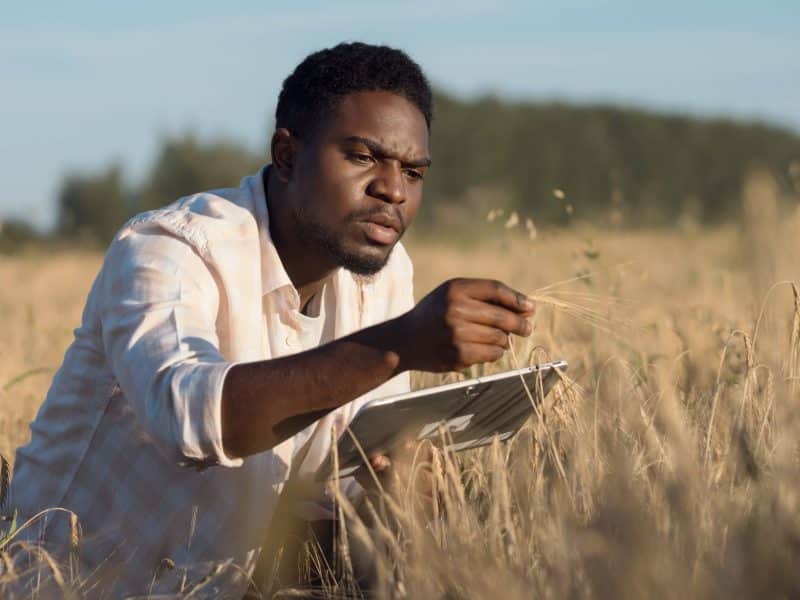
Farmers’ mental health is buffeted by soaring costs and unpredictable weather, with racism a major problem for Black farmers.

September 24, 2024
By Courtney Wise

Greetings, MindSite News Readers. In today’s Daily, the experience of racism is a persistent mental health challenge among Black farmers. In other news, activists sound the alarm after a young woman suffering from addiction died in the care of the Philadelphia prison system. A study suggests that racism is detrimental to the heart health of Asian Americans. Plus: Letting go of regret.
Mental health issues rise among growers, with racism an ongoing problem for Black farmers
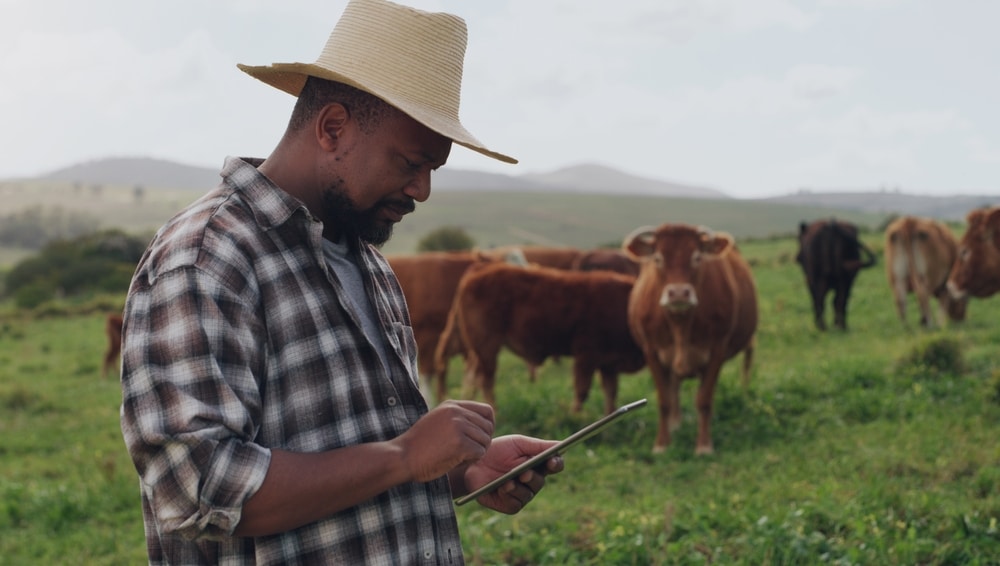
Racism is an ongoing problem for Black farmers, something that makes their mental health battles more nuanced than their white counterparts. Specifically, racism exacerbates the difficulties that all farmers and rural communities face, NPR-affiliate KOSU reports. Farmers, whatever their race, navigate thin profit margins, rising costs and unpredictable weather that can devastate crops and threaten their livelihood. Moreover, suicide rates have grown in rural areas over the past 20 years, increasing 46% compared to 27% in urban areas, according to the CDC. As rural citizens, farmers and ranchers face barriers to accessing mental health services, largely due to the distance from affordable care and an ongoing shortage of providers, especially providers of color.
Racism intensifies the impact of those issues for Black farmers. “I would just say even though, you know, the struggles that [my parents and grandparents] went through and now have passed on down to us— it’s a mental state, but at the same time you don’t block it out,” said Bonnie Hooks, a farmer in Tatums, Oklahoma. “It’s reality, it’s in front of you.”
Black farmers have long battled increased economic and mental health woes, in part, due to discriminatory practices by the US Department of Agriculture (USDA). Through government-sanctioned dispossession of land, one investigation estimates Black farmers lost $326 billion in wealth between 1920 and 1997. These days, Black farms are far fewer in number, smaller and more vulnerable, and less likely to receive government support.
“We’re OK, personally, but as a town we struggle,” said Celano Jones, who has lived and farmed in Tatums for almost 60 years. “We struggle because of the way the government’s set up. You know, every Black town struggles, actually, because they want to make our Black towns ghost towns.”
Williard Tillman is the executive director of the Oklahoma Black Historical Research Project. He notes the generational stress that Black farmers face to sustain their family farms. Having supported suicide prevention efforts since the 1980s, his efforts include also helping Black farmers access resources and USDA programs. “Just getting to them with information that we can share with them…can take a lot of stress off by them being able to have a whole farm plan and go into the office and get the necessary resources they need to have a good operating farm,” he said.
Tillman emphasizes the importance of mental health conversations and the need for early intervention to help farmers manage stress. Despite being linked to depression and PTSD, systemic inequality makes it less likely for Black Americans to receive mental health care. Resources like Farm Aid’s Farmer Hotline and the 988 Mental Health Lifeline are available for farmers anywhere experiencing a mental health crisis, and Oklahoma advocates are pushing the state to step up their efforts.
Family of Amanda Cahill, who died from drug withdrawal in a Philadelphia prison, demands accountability
Earlier this month, Amanda Cahill, 31, was declared dead in her Philadelphia jail cell 3 days after being arrested in a drug sweep in Kensington, a neighborhood long known for its open-air drug market. Mayor Cherelle Parker has vowed to shut it down, taking a law-and-order approach that places drug users under arrest, sparking concern among addiction outreach workers who spoke to the Philly Voice. Harm reduction has to be the focus, said Sarah Laurel, founder of Savage Sisters, which operates recovery houses throughout the city. “We need evidence-based practices and compassion,” she said.
Cahill’s family is outraged and her mother, Gina Clark, hired an attorney to push for accountability, believing that her daughter’s death reflects negligence by the prison. “I feel like they think that my daughter was just another unloved junkie, and they were wrong,” Clark said. “I think that they feel like it was going to be swept under the rug, like they weren’t going to get caught in this one. But they were wrong, because I’m not going to stop until something’s done about it.”
Cahill’s prison mates say they called for hours to get her help—after a nurse conducting narcotics withdrawal assessments checked her at 1:00 am—but none came. Six and a half hours later, Cahill was found unresponsive. Officials declared her dead at 7:45 am. To date, her cause of death remains under investigation, and city officials have offered no details.
Harm reduction and prison reform advocates argue that Cahill’s death was preventable, pointing to the systemic failure of Philadelphia’s prison system to address the medical and mental health needs of incarcerated people, particularly those suffering from addiction. Their resources to help withdrawal is patently insufficient, said Thomas Frey of The Everywhere Project. “I mean, talk to anybody who’s in any of the prisons,” he said. “You have a headache, you can’t even get an aspirin.”
Rachel Santiago of Still We Rise Freedom Coalition, a group of formerly incarcerated women and allies, concurred. “We know from years of organizing in the women’s jail that the Philadelphia Department of Prisons fails to address even the most basic health issues,” she said.Moreover, activists say, perpetual staffing shortages and overcrowding are long-standing issues in the city’s prisons, with Cahill’s death the latest tragedy in a system ill-equipped to handle the current crisis.
Just last month, a federal judge ordered Philadelphia to pay $25 million into a dedicated fund and to take urgent action to address the “horrendous” conditions of its jails, after finding the city in contempt of a 2022 settlement agreement in a class-action lawsuit filed on behalf of incarcerated people.
Engaging a new mindset to reduce regret
Regret is inevitable—and sometimes useful—researchers say, helping us to learn from our mistakes. What’s troublesome is that some of us struggle to let it go. So, a pair of researchers from Temple and Duke designed an experiment to shed light on how we can mitigate regret—or reframe our thinking to avoid it altogether, the Los Angeles Times reports.
For the experiment, researchers presented participants with a specific gambling frame. 60 people were presented with several pairs of bets, each representing various probabilities to win or lose real money. They received $10 for 1 hour of questioning and were allowed to keep “bonus money” for points they earned for correct answers during the experiment. Wrong answers cost them money—and might buy them regret.
To observe what would happen, researchers encouraged study subjects to employ one of two emotional regulation strategies. The first is the “portfolio approach,” in which they emphasized focusing on the “big picture,” even when they lost a bet. They wanted participants “to smooth out [their] reactions and be more even-keeled.” The second was an “all my money on one bet approach” in which each bet was treated as the only one.
They found the portfolio approach yielded less regret and less distress during the decision-making portion of the experiment. “Inevitably, every choice we make doesn’t work out,” said Crystal Reeck, a co-author of the study. “We are all going to experience some losses. But when you try to focus on the gains, it is easier to not be bogged down by past regrets.”
In other news…
Looking for a way to beat loneliness and boost your mental health? Break out the knitting needles! A recent study suggests that engaging in arts and crafts can significantly improve mental health by fostering creativity, reducing stress, and providing a sense of accomplishment. The potential for wellbeing that arts and crafts offer is so great that one co-author of the study told CNN in an email that governments should “consider funding and promoting crafting, or even socially prescribing these activities for at-risk populations.”
Though Asian Americans are less likely than white Americans to develop or die from heart disease, a group of researchers and clinicians recently issued a scientific statement noting the impact that structural racism, immigration status, and other social factors have on the heart health of Asian American communities — especially when considering the various Asian American subgroups, including Chinese, Indian, Filipino, Vietnamese, Korean and Japanese Americans. The statement was published last week in Circulation, a journal of the American Heart Association, the Washington Post reports. Lumping all Asian Americans together conceals health issues specific to certain subgroups, the researchers said, even though there is an “urgent need” to understand and address the challenges of each group.
If you or someone you know is in crisis or experiencing suicidal thoughts, call or text 988 to reach the 988 Suicide & Crisis Lifeline and connect in English or Spanish. If you’re a veteran press 1. If you’re deaf or hard of hearing dial 711, then 988. Services are free and available 24/7.
Recent MindSite News Stories
Beyond Thoughts and Prayers: Counselors Step Up to Help a Georgia Community After Deadly School Shooting
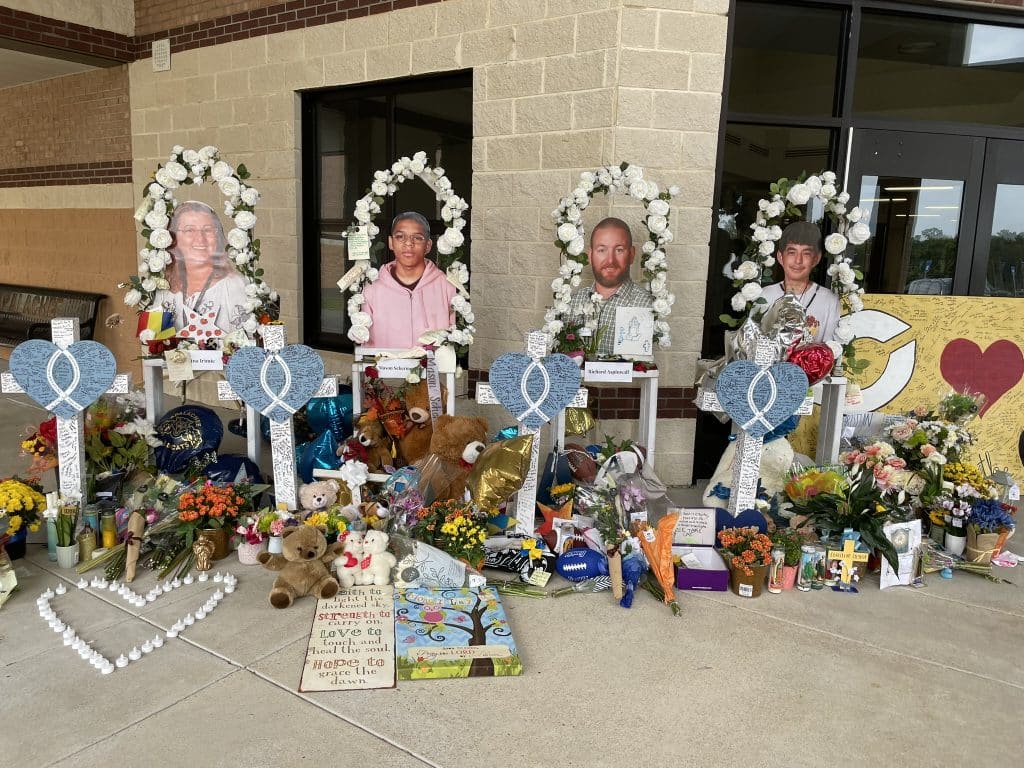
A grim ritual is playing out in Winder, Georgia, in the aftermath of another school shooting. The state has set up a recovery center, churches and health providers are offering therapy and emotional support dogs offer solace. Continue reading…
House, Senate Committees Release Dueling Mental Health Spending Bills
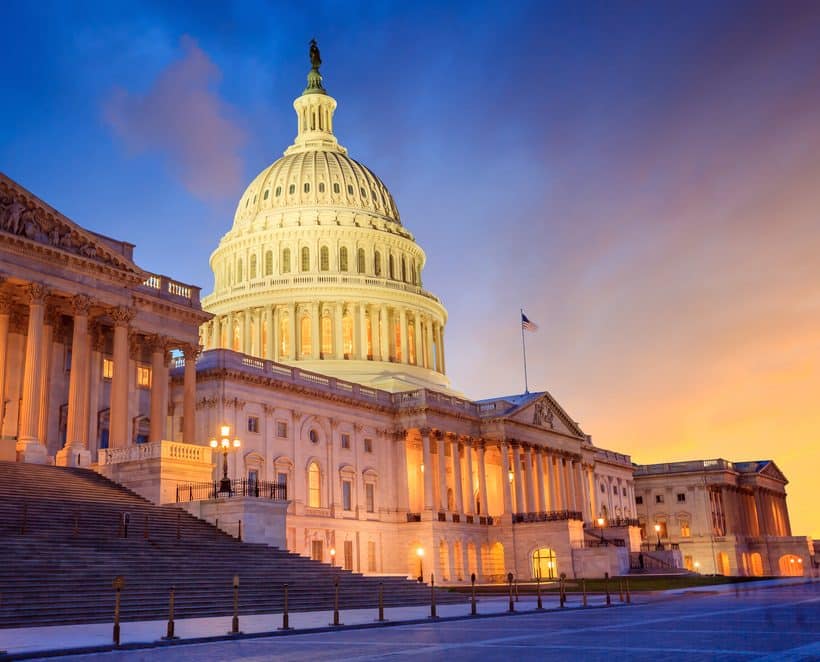
Senate and House committees have put forward two sets of fundings bills for mental health and addiction services. The results won’t be decided until the lame-duck Congress meets after the November elections. Continue reading…
How Paris Hilton and Other Survivors of the Troubled Teen Industry Unleashed a Movement
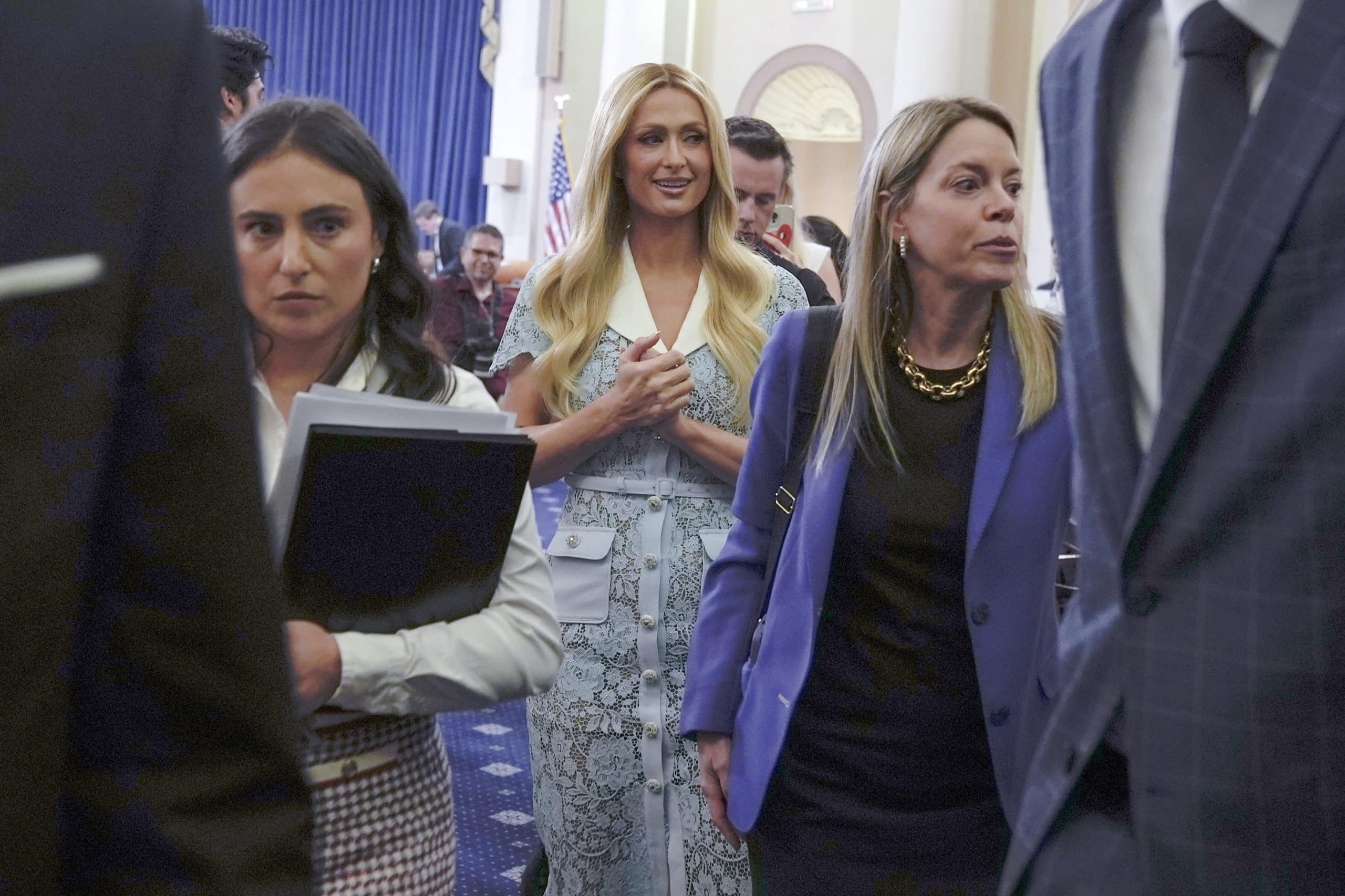
Meet Five True-Life Avengers Who Are Holding the Troubled Teen Industry Accountable. Continue reading…
If you’re not subscribed to MindSite News Daily, click here to sign up.
Support our mission to report on the workings and failings of the
mental health system in America and create a sense of national urgency to transform it.
For more frequent updates, follow us on Facebook, Twitter and Instagram:

The name “MindSite News” is used with the express permission of Mindsight Institute, an educational organization offering online learning and in-person workshops in the field of mental health and wellbeing. MindSite News and Mindsight Institute are separate, unaffiliated entities that are aligned in making science accessible and promoting mental health globally.
Copyright © 2021 MindSite News, All rights reserved.
You are receiving this email because you signed up at our website. Thank you for reading MindSite News.
mindsitenews.org

The name “MindSite News” is used with the express permission of Mindsight Institute, an educational organization offering online learning and in-person workshops in the field of mental health and wellbeing. MindSite News and Mindsight Institute are separate, unaffiliated entities that are aligned in making science accessible and promoting mental health globally.


Author

Related Articles
Generation Cancer: Millennials Struggle With Death at an Early Age
More young adults are being diagnosed with cancer. Even for those who survive, the experience can be destabilizing and isolating.

Millennials Weigh Having Children On Their Own Terms
Not having children is also a valid path, and one that everyone should consider, Merle Bombardieri argues in her 1981 book.

Waiting for Word on Relatives Under Attack in Iran
Iranians in the US are caught between two “unrepentant regimes,” says Iranian-American writer and professor Shervin Malekzadeh.
