988 Crisis Line Rolls out Georouting Technology, Giving Crisis Counselors a Better Idea of Caller’s Location
The 988 Suicide & Crisis Lifeline will deploy technology that routes calls based on their proximity to cell phone towers, preventing confusion and delays, the Biden administration announced.

Calls were previously routed based on area code, sending calls to call-takers nowhere near the caller.
For two years, the 988 Suicide and Crisis Lifeline has been using the area code assigned to callers’ cell phones to route calls to crisis counseling centers, a practice that sometimes led to calls being handled by people nowhere near the caller’s actual location. Now the Biden administration says the lifeline will deploy technology that routes calls based on their proximity to cell phone towers, preventing confusion and delays.
Last week, the Lifeline began “georouting” calls made through Verizon and T-mobile, which represent about half of the wireless calls to 988, and plans to add AT&T in the next month, senior administration officials said in a press call yesterday.
Georouting conveys a general location and is different from geolocation, which is used by 911 and provides exact coordinates based on GIS technology.
“Today, we know people are calling from all across America with a phone that may have an area code that does not belong to the area where they happen to be at the time,” Secretary of Health and Human Services Xavier Becerra said on the call Tuesday afternoon. “Georouting will be crucial to make sure that we’re not only responding well, but responding quickly and appropriately.”
Beccera, a former California congress member and state attorney general, shared the news earlier in the day at a Washington D.C. conference sponsored by the Kennedy Forum, a mental health policy organization founded by former Rep. Patrick Kennedy. (Kennedy is a member of the MindSite News Editorial Advisory Board.)
“Now, when you use your phone – like mine is 310, Los Angeles’ area code – and (if) I need help here in Washington DC, they won’t say ‘OK, we’re sending someone out to you. We see you’re from Los Angeles,’” Becerra said at the meeting.
The lifeline transitioned from a standard – and forgettable – 10-digit number to the easier-to- remember three-digit number in July 2022. Since then, counselors have answered more than 10 million calls, texts, and chats from callers experiencing a mental health crisis. At the end of April, the Lifeline celebrated its two-year anniversary with a conference in Chicago.
While officials touted the new process as a tool to connect callers to resources faster, some callers have expressed privacy concerns about the workings of 988. In a University of Chicago study released earlier this year, some 988 users raised concerns about data security and the potential use of geolocation technology, which uses GIS to track a caller’s location. Some users expressed concerns their calls will be traced, taking away their anonymity, which could lead to police visits or forced hospitalizations.
The study, called Inform988, also cited concerns that call-takers might summon police without the consent of callers if they feared a person might harm themselves. But it also noted that without improving the technology, callers would likely be connected with call-takers with less knowledge about local resources.
“No more 988 calls and messages will be needlessly sent to crisis centers hundreds of miles away,” Federal Communications Commission Chairwoman Jessica Rosenworcel said on the press call. “Instead, if you contact 988 you can count on being connected with resources in your own backyard and you can speak to someone from the community that you’re calling from.”
The FCC will vote on finalizing the policy, which would require all U.S. wireless companies to geo-route 988 calls, at an open meeting on October 17th, she said.
The name “MindSite News” is used with the express permission of Mindsight Institute, an educational organization offering online learning and in-person workshops in the field of mental health and wellbeing. MindSite News and Mindsight Institute are separate, unaffiliated entities that are aligned in making science accessible and promoting mental health globally.


Author

Related Articles
1 in 8 Youth Turn to AI for Mental Health. ‘It Just Tells Me What I Want to Hear’
Youth with the deepest emotional needs are using chatbots for therapy the most – but many are unhappy with the outcome.
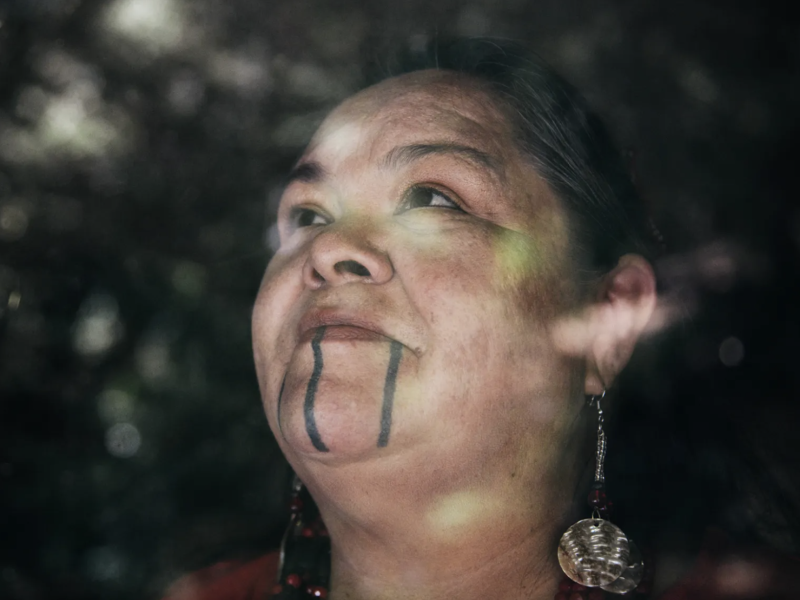
California Tribal Advocate Who Fought to Prevent Suicides Dies in Apparent Murder-Suicide
Celinda Gonzales of the Yurok Tribe worked to prevent suicides among Native Americans after losing a son and a brother. She “was a friend to many,” the tribe said.
Countering the ‘Dark Passions’
Across liberal democracies and nations, like the U.S., that are sliding out of the democratic zone, autocrats are weaponizing our most divisive emotions. In “Anger, Fear, Domination,” William A. Galston offers a guide to how these passions spread and what it takes to keep them from overwhelming us.
