
A Movement for ‘Treatment not Trauma’ Advances in Chicago
A deep dive into Chicago’s plan for transforming the city’s mental health and crisis-response services, which organizers have been pushing for years and now has the backing of Mayor Brandon Johnson.

Friday, Sept. 27, 2024
By Josh McGhee
Happy Friday MindSiters,
We’re back in Chicago just in time for the Fall weather after a visit to the Carter Center in Atlanta, where my time as a Rosalynn Carter mental health journalism fellow has come to an end. What an amazing experience.
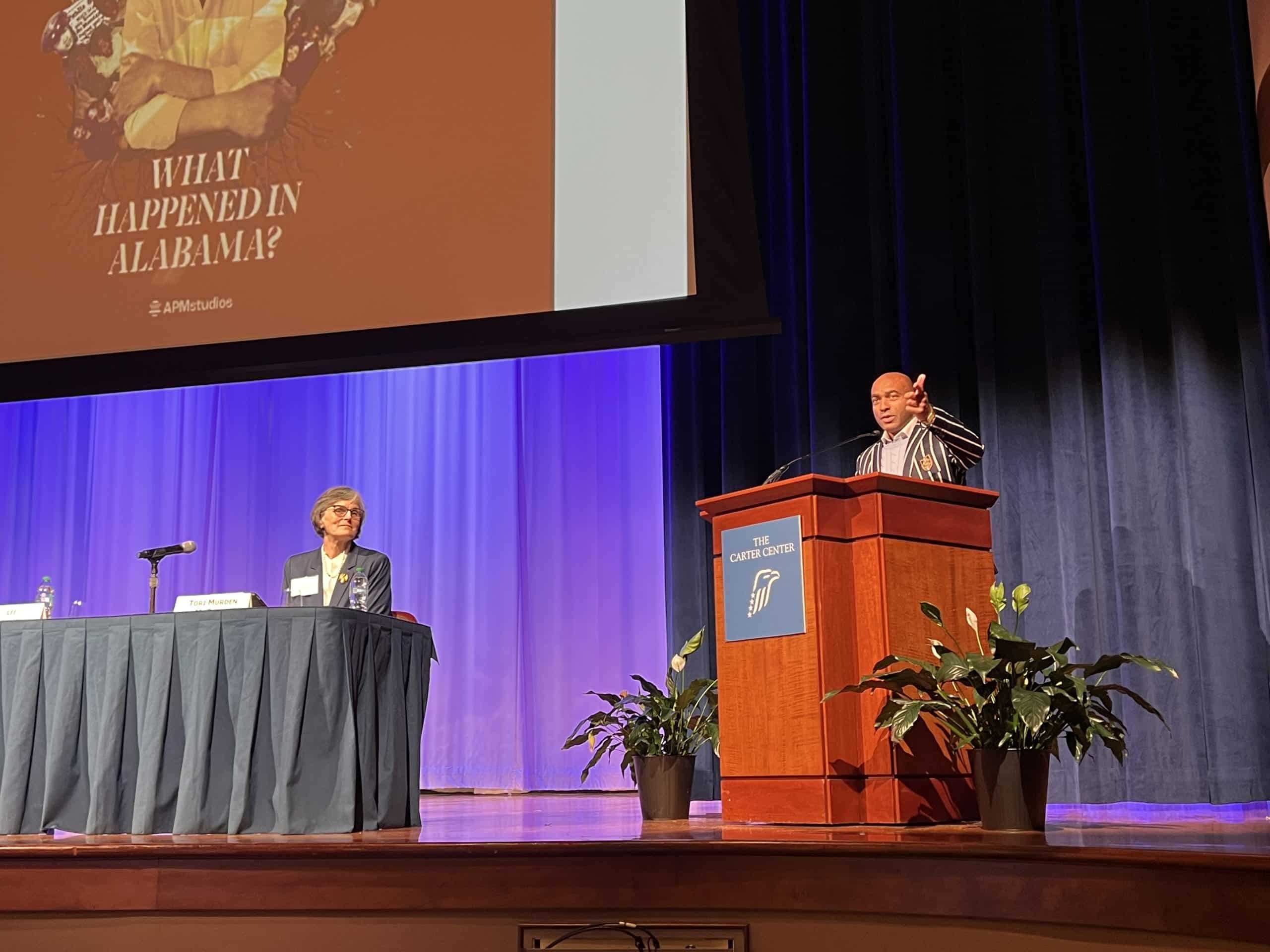
During my time there, I heard stories from fellow fellows like Lee Hawkins, who created the “What Happened in Alabama” podcast, which unpacked the trauma of a Black family from the South, and Sandhya Raman, who explored the mental health impacts of overturning Roe v. Wade.
This month in Diagnosis: Injustice, we’ll take a deep dive into Chicago’s plan for transforming the city’s mental health and crisis-response services – a plan organizers have been pushing for years and seems to have the backing of Mayor Brandon Johnson. We’ll also look at 988’s newly announced technology to better route calls and a lawsuit being pursued against the city of Washington D.C. for discriminating against people with mental illness – at the moment they need it most.
Treatment Not Trauma
Earlier this month, about 100 Chicago residents gathered in Hyde Park Academy for the second annual Treatment Not Trauma summit. It was a celebration for organizers who have battled with mayors for years to reshape the city’s mental health system and make it more accessible and community-based.
Johnson has committed to bringing mental health services to Pilsen, a majority Latino neighborhood, by the end of October, and to reopen the shuttered community mental health center in Roseland, a majority Black neighborhood on the South Side by the end of the year. At the end of September, police officers will be phased out of teams responding to people in mental health crisis, which instead will be handled by mental health workers.
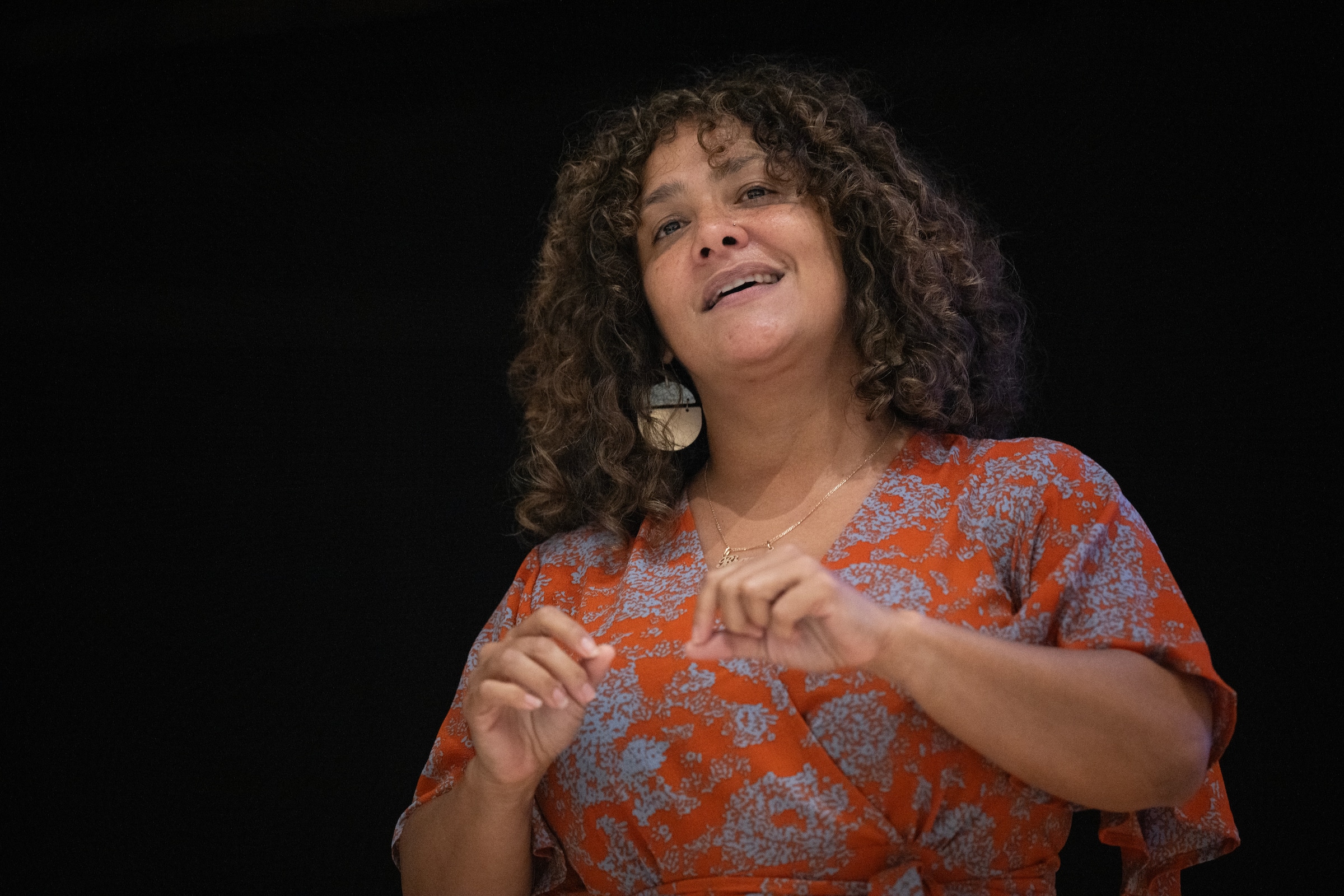
“This is a huge triumph because in a time where we have been defunding public care, we were able to come back, create those public jobs and create spaces for care where it doesn’t matter if you have documents, doesn’t matter if you have insurance, it doesn’t matter if you can afford it, you’re going to be able to come in and get the care that you need,” Alderwoman Rossana Rodrigez-Sanchez told MindSite News at the summit.
“It’s Black and brown people who have been saying we have a pressing need to get access to mental health resources, and we have a pressing need to keep people safe when they are in crisis,” she added.
Read about the long journey to Treatment Not Trauma.
988’s New Tech
For two years, the 988 Suicide and Crisis Lifeline has been relying on the area code assigned to callers’ cell phones to route calls to crisis counseling centers, a practice that sometimes led to calls being handled by people nowhere near the caller’s actual location.
But last week, the Lifeline began using “georouting” technology – which uses the phone’s proximity to cell phone towers to broadly identify a person’s location. This should help prevent confusion and delays and ensure that calls are routed to an appropriate location. The technology is similar to what’s employed when people dial 411, but different from 911, which uses a different technology, geolocation, to pinpoint a precise location.
Health and Human Services Secretary Xavier Becerra first shared the news at a Washington D.C. conference sponsored by the Kennedy Forum, a mental health policy organization. He noted that, as a Californian, he carries a cell phone with a 310 area code. The change will mean that if “I need help here in Washington DC, they won’t say ‘OK, we’re sending someone out to you. We see you’re from Los Angeles,’” Becerra said at the meeting.
Read our story about the announcement of the new technology here.
Could Washington D.C. be the next city ordered by a court to improve its mental health response?
A lawsuit alleging Washington D.C. overrelies on police to handle mental health-related problems can move ahead, a federal judge ruled earlier this month.
The lawsuit was filed on behalf of Bread for the City, a local nonprofit that provides healthcare and social services to people in Washington. It alleges that the district sends police officers instead of health professionals to respond to 911 calls involving mental health crises, violating the Americans With Disabilities Act, according to a story in The Appeal.
“It is a reasonable inference from Bread’s allegations that people with mental health disabilities do not meaningfully benefit from the district’s emergency response,” Judge Ana C. Reyes said during a Sept. 10 hearing denying the district’s request to dismiss the lawsuit. “Bread has plausibly alleged that individuals with mental health disabilities are denied the benefit of the district’s emergency response system.”
While the district sends health professionals such as EMTs to respond to physical health emergencies, it doesn’t do the same for mental health emergencies often leading to that person being harmed or even killed. Across the country, nearly 1 in 5 people killed by police since 2015 were dealing with a mental health crisis, according to reporting from the Washington Post.
Investigations by the Department of Justice have found numerous cities across the country including Louisville, Minneapolis, and Phoenix violated the ADA by sending armed officers to mental health calls. In February, the DOJ filed a statement of interest in the D.C. case.
“Less than 1% of 911 calls that primarily or exclusively involve mental health emergencies get a response from a mental health professional,” DOJ attorneys wrote in the statement. By contrast, “D.C. Fire and Medical is dispatched to approximately 90% of 911 calls primarily or exclusively concerning physical health emergencies.”
Read more about the case here.
If you or someone you know is in crisis or experiencing suicidal thoughts, call or text 988 to reach the 988 Suicide & Crisis Lifeline and connect in English or Spanish. If you’re a veteran press 1. If you’re deaf or hard of hearing dial 711, then 988. Services are free and available 24/7.
Recent MindSite News Stories
Docile: Memoirs of a Not-So-Perfect Asian Girl

Hyeseung Song tackles head on the expectations she faced growing up and the journey she had to make to find her self-worth.
New Report: Mental Health Philanthropy Inches Up, but Still Lags Far Behind the Need

Mental health giving is rising slowly, but it’s still a small percentage of overall giving.
988 Crisis Line Rolls Out Georouting Technology

The 988 Suicide & Crisis Lifeline will deploy technology that routes calls based on their proximity to cell phone towers, preventing confusion and delays, the Biden administration announced.
If you’re not subscribed to MindSite News Daily, click here to sign up.
Support our mission to report on the workings and failings of the
mental health system in America and create a sense of national urgency to transform it.
For more frequent updates, follow us on Facebook, Twitter and Instagram:

The name “MindSite News” is used with the express permission of Mindsight Institute, an educational organization offering online learning and in-person workshops in the field of mental health and wellbeing. MindSite News and Mindsight Institute are separate, unaffiliated entities that are aligned in making science accessible and promoting mental health globally.
Copyright © 2021 MindSite News, All rights reserved.
You are receiving this email because you signed up at our website. Thank you for reading MindSite News.
mindsitenews.org

The name “MindSite News” is used with the express permission of Mindsight Institute, an educational organization offering online learning and in-person workshops in the field of mental health and wellbeing. MindSite News and Mindsight Institute are separate, unaffiliated entities that are aligned in making science accessible and promoting mental health globally.


Author

Related Articles

College Sports Has an Emotional Abuse Problem
Two sisters were recruited from Croatia to play college basketball in the US. They say their coach derided and insulted them – and that there were few safeguards to protect them.

Autism and Alzheimer’s May Be Linked, Study Suggests
New discoveries are pushing researchers to consider that autism and Alzheimer’s may offer insight into the other.
He Almost Killed His Father. Now He Helps Others At Risk.
In today’s newsletter, we explore how one man healed after a dangerous psychotic break that nearly led him to murder.
