
Will a New Schizophrenia Drug Improve Peoples’ Lives?
The FDA approved a new drug for schizophrenia that works differently than existing medications. Discrimination is stressing Chinese Americans and damaging their mental health.


Monday, September 30, 2024
By Don Sapatkin

Good Monday morning! In today’s Daily: The FDA approved a new drug for schizophrenia that works in an entirely different way than existing medications. Rampant discrimination is stressing Chinese Americans and damaging their mental health.
Plus, detailed therapy notes are popping up in patient portals, causing alarm. And the horrible experience of a troubled man facing a “ghost network.”
Bonus track: British singer-songwriter Raye traverses her world of loneliness, depression, anxiety, substance abuse and the darkness of self-hate before moving toward the light in her powerful “Genesis” video. Wow!
FDA approves new schizophrenia drug, the first in decades
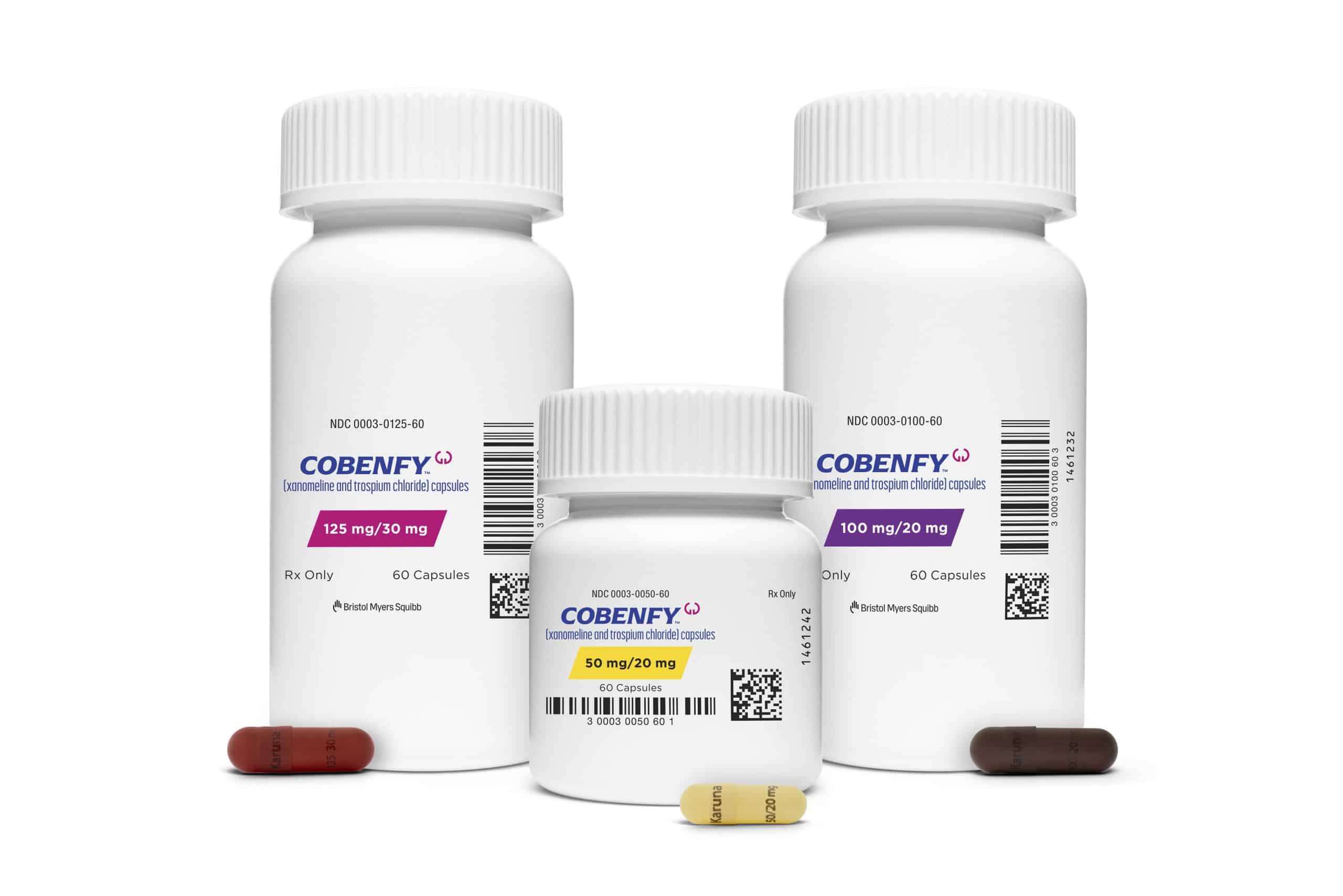
The first new medication for schizophrenia in decades will hit the market in October after the FDA approved it last week. The prospect is sparking excitement in many quarters.
Patients hope it will deliver on its promise of causing less weight gain and other side effects than current drugs. Physicians hope their patients will stay on the medication as a result. And investors and drugmakers smell a multi-billion-dollar blockbuster in this and other drugs in the same class. Pharma companies are already formulating follow-on drugs they view as promising for bipolar mania, Alzheimer’s disease and autism-related irritability.
The new twice-daily pill, to be marketed as Cobenfy, was known as KarXT when it was developed by Karuna Therapeutics, which Bristol Myers Squib bought for $14 billion earlier this year. It is the first schizophrenia drug not to carry an FDA-mandated warning about serious adverse reactions, including weight gain.
Some 1% to 3% of Americans have schizophrenia and other psychotic conditions, which can be devastating for them and their families. They die on, average, 14 to 16 years earlier than people without the conditions, and psychotic disorders are a leading cause of disability worldwide. Many manage their diseases only with the help of their families, while others end up on the street, cycling through homelessness, incarceration and brief hospitalizations.
All antipsychotic medications since the first one in the 1950s have worked by altering pathways in the brain for dopamine, a neurotransmitter. They can reduce what clinicians call “positive” symptoms like hallucinations (“hearing voices”) and paranoia to a manageable level – but many patients complain that the drugs leave them sluggish and cause involuntary movements and drooling, and they stop taking them. No previous drugs effectively addressed so-called “negative” symptoms such as social withdrawal, lack of motivation and inability to feel pleasure – which Cobenfy claims to do. It targets a different neurotransmitter, acetylcholine, which also indirectly influences dopamine levels. Studies suggest the drug effectively addresses both the negative and positive symptoms while causing fewer side effects.
Bristol Myers Squibb has set the wholesale cost at $1,850 a month, in line with other non-generic antipsychotics. Whether insurers will pay for it is unclear, but at the very least they’re likely to require people to try two older medications first. Bristol’s Adam Lenkowsky told the New York Times that Cobenfy should be seen as a “switch opportunity” for patients who have cycled through several antipsychotics and that 80% of patients with schizophrenia already meet those criteria.
Still, there are many unknowns. Only three small, controlled studies of the drug’s efficacy have been published and each lasted only five weeks. One found that users experienced a 20% decline in symptoms after five weeks compared with 10% for the placebo group. How the drug will work in the long term, and whether it has long-term neurological side effects, is unknown.
Bristol released interim data on a non-controlled one-year trial. Of the 134 patients who took Cobenfy for a year, most lost weight and had no significant metabolic changes or new movement disorders. Other side effects were common, however: 62% of people experienced nausea, vomiting, constipation and other adverse events, the company said. More than half of participants dropped out over the year for a range of reasons, including 15% who discontinued it due to treatment-related adverse events.
Patty Mulcahy, 58, a filmmaker and peer specialist who was diagnosed with schizophrenia in 2019, hopes Cobenfy will be a game-changer. She says her current medication has sapped her sharpness and enjoyment of life – even though she takes it at a low enough dose to avoid the shaking and blinking that made people stare at her in public. She’s so eager to try the new drug that she’s already planning to take time off work early next year, in case she experiences gastrointestinal side effects. “I just want to go back to waking up full of energy and excited for the day, looking at the blue sky and feeling pleasure,” Mulcahy told the Times.
Chinese Americans say discrimination is taking a toll on their mental health
When Asian Americans became targets of discrimination and violent hate crimes during the pandemic, governments and civic organizations made concerted efforts to tamp down the ugliness. The issue has since fallen off the national radar screen, but the bias, particularly against Chinese people, has not – and it has taken a toll on the mental health of the roughly 5 million Chinese Americans living in the U.S., according to a new survey report.
Many factors are contributing to the hostile atmosphere reported by those surveyed: deteriorating relations with China, increasing negative mentions of the country by politicians, legislation in multiple states barring Chinese citizens from purchasing land, and highly publicized demands by politicians of both parties to ban the social media platform TikTok unless its Chinese-owned parent company divests it.
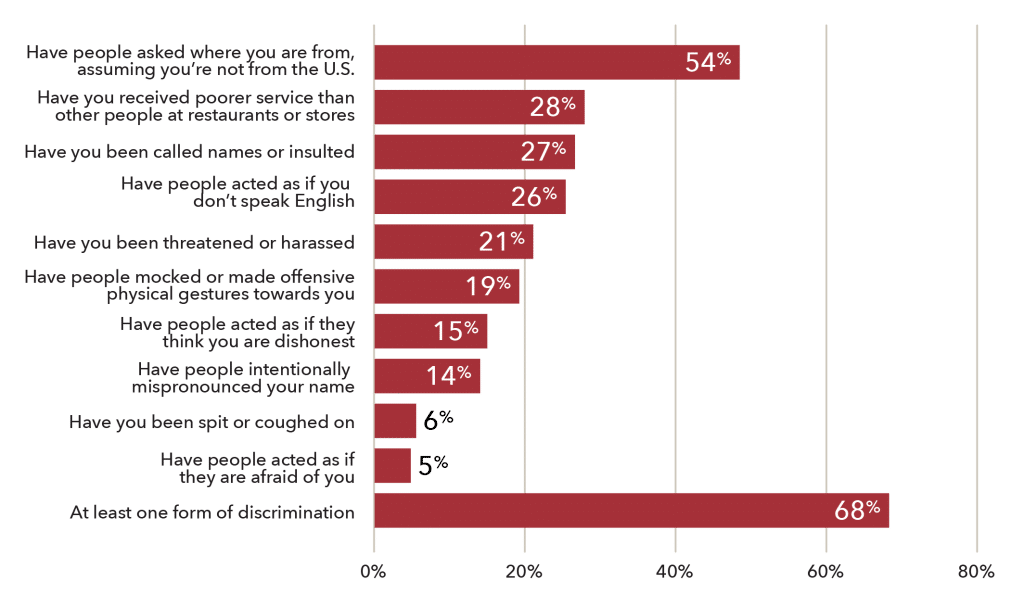
Plenty of independent research links discrimination and stigma to stress and higher risk of mental health problems. The new report bears this out: Half of the Chinese Americans surveyed said they felt hopeless in the 30 days before taking the survey, 43% reported they felt depressed to the extent that nothing could cheer them up, and 39% said they have felt worthless. Mental wellness struggles were especially pronounced among younger people, women, and those who reported regularly facing racial discrimination.
The survey, released by the Committee of 100, a nonprofit group of Chinese American leaders, and the research organization NORC at the University of Chicago, sampled 504 Chinese American adults, roughly three-quarters of whom were born outside the U.S. (and the vast majority of whom are now citizens). In March, when the survey was conducted, more than 80% said they were at least a little concerned about the language used by presidential candidates when talking about China and U.S.-China relations, and 61% say that the U.S. news media’s reporting on those topics negatively affects how strangers treat them.
In addition, 68% said they experience at least one form of discrimination in an average month, 27% say they are verbally abused and 21% say they are threatened or harassed. The report recommended greater investment in mental health services and resources for Chinese American communities. Federal data from 2018 showed that Asian Americans as a whole were 60% less likely to seek mental health services than other racial groups.
Mental health concerns a big reason for primary care visits
A comprehensive study that examined the medical records of nearly everyone in Norway found that about 12% of primary care physician visits were for mental health issues, Medical Express reported. Over the course of the 14 years covered by the study, nearly half of patients presented with issues like depression and anxiety.
Norway is one of the wealthiest nations on the planet, with very low poverty rates and a socialized medical system that assigns every citizen a primary care provider and keeps detailed medical records on the entire population. That’s why the mostly American research team chose the Nordic country for their research: they were able to collect data for more than 350 million primary care visits – including 40 million for mental health reasons – by 4.8 million people from newborns to 100-year-olds from 2006 to 2019.
The study’s lead author, Avshalom Caspi, a professor of psychology and neuroscience at Duke University, told MindSite News in an email that in his conversations with doctors in the U.S. and other countries, “everyone is saying we’re overwhelmed with mental health issues.” He added that there “is no reason to think that what is happening in Norway is any different than what is happening elsewhere in the western world.”
General practitioners are “gatekeepers,” the first health-care professionals that people go to see when they aren’t feeling well, Caspi said. He also noted that the study period ended in December 2019 – before the pandemic – so the frequency of mental health concerns people bring to their doctors has only increased.
The new study found that mental health concerns in everyday care were the second most common complaint, tied with respiratory and cardiovascular issues and behind musculoskeletal complaints. They were high in all age groups, from children to the elderly, peaking in the 40s, when one in every five visits was due to mental health.
The researchers said their findings support calls for integrating mental-health services into primary-care settings and suggested that primary care doctors “need to be trained to be mental-health generalists.”
Meanwhile, a separate study found that older Americans feel the health care system rarely accounts for their full range of needs, including mental health, Behavioral Health Business reported. Less than half (45%) of those age 65 and older say in a survey that their doctor asks about their mental health, according to the report from the John A. Hartford Foundation. Even fewer, about 40%, say their physician considers their cognitive and brain functioning.
In other news…
“Heads Up: That Patient Portal May Contain Your Therapy Notes,” the New York Times reports. The story explains how health care systems have been putting therapists’ progress reports online, much to the surprise (and anger) of some patients. The reports usually are more detailed than doctors’ notes posted after medical appointments. While transparency – and data sharing with other clinicians – can be a good thing, some patients and health care experts are asking: Can too much transparency cause harm to mental health patients?
A new model predicts soldiers most likely to attempt suicide after discharge by using administrative data available before they leave, according to a study in JAMA Psychiatry. The 10% of soldiers with highest predicted risk accounted for 31% to 47% of suicides after leaving active service. Veterans’ suicide rates are double those of the general population, and better prevention is urgently needed. The study created an administrative database for all 800,000 soldiers who left service from 2010 through 2019. Machine learning models were trained to predict suicides over the next one to 120 months using data in the records. Socio-demographics, Army career characteristics, and psychopathologic risk factors turned out to be the most important predictors. The researchers wrote that the model could help target delivery of suicide prevention efforts to soldiers who were identified as high risk before leaving active service.
“He needed mental health care. He found a ghost network.” This NPR story offers a riveting, day-by-day description of a troubled 36-year-old man’s attempts to find a therapist in his network in Phoenix. He tried for three months, constantly calling and pleading with health plan reps. Then, he died. (A sidebar suggests what you can do when faced with a ghost network.)
In 2021, Oregon became the first state to decriminalize personal use of small amounts of any drug, a reform hailed by many. But by the end of the year, the rate of fatal overdoses rose by around 50%, generating a backlash that led lawmakers to recriminalize drug possession starting this month. Now a study in JAMA Network Open suggests that the spike in deaths was not a result of the legislation but rather of the rapid increase in street fentanyl. The powerful opioid began to saturate the illegal market in New England in 2014, eventually spreading west until it reached the Pacific Northwest by 2020 and 2021. The decriminalization law took effect around the same time that fentanyl supplies reached their peak in Oregon.
Training opportunity: Introduction to Trauma-Informed Care for Post Overdose Outreach Teams, an online offering from the CDC, will run through April 15.
If you or someone you know is in crisis or experiencing suicidal thoughts, call or text 988 to reach the 988 Suicide & Crisis Lifeline and connect in English or Spanish. If you’re a veteran press 1. If you’re deaf or hard of hearing dial 711, then 988. Services are free and available 24/7.
Recent MindSite News Stories
Treatment Not Trauma: Push to Transform Mental Health System in Chicago Takes Some Big Steps
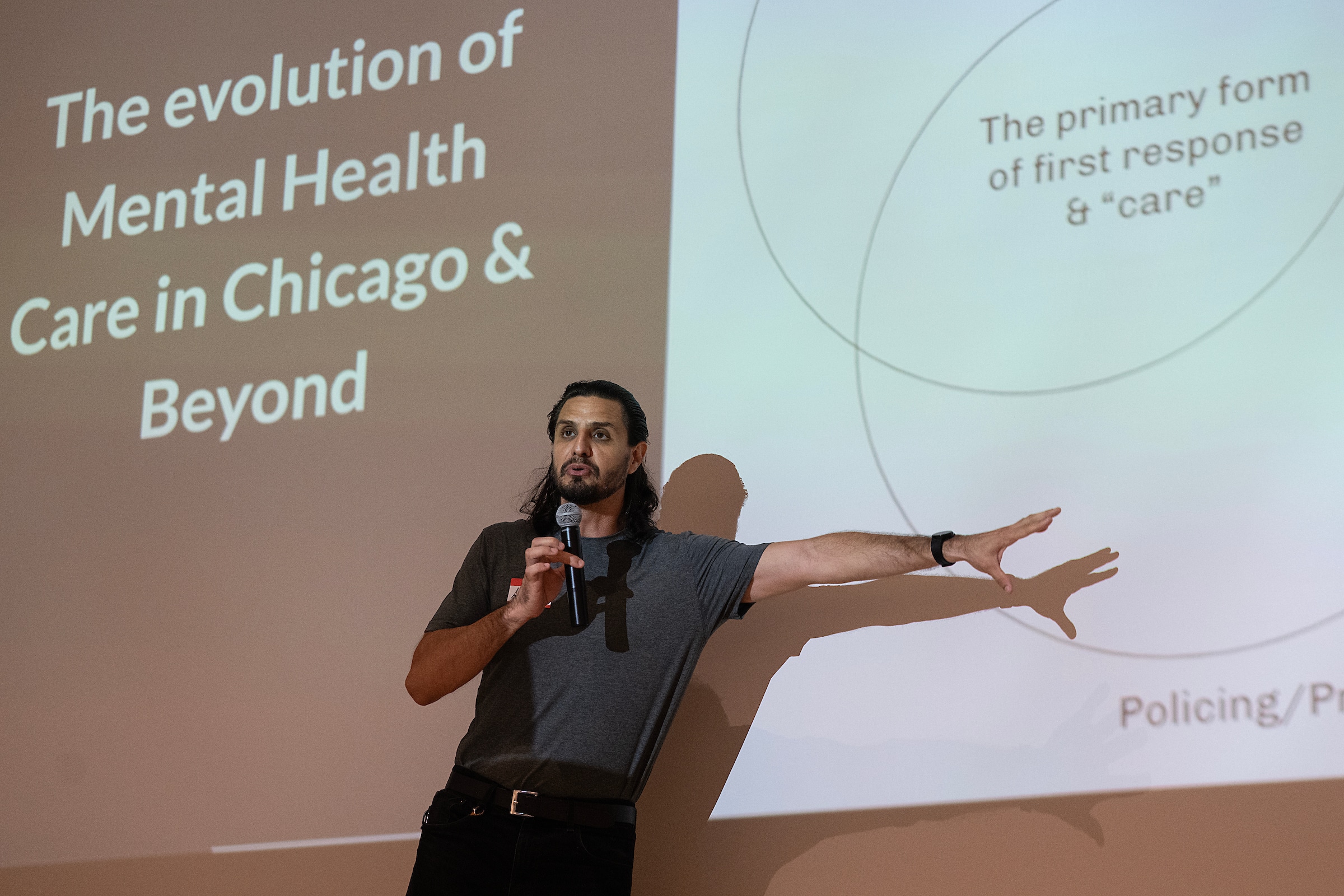
A coalition of community advocates and mental health professionals have been demanding change in Chicago’s mental health landscape for years. For the moment, at least, they’re taking a victory lap.
Docile: Memoirs of a Not-So-Perfect Asian Girl

Hyeseung Song tackles head on the expectations she faced growing up and the journey she had to make to find her self-worth.
New Report: Mental Health Philanthropy Inches Up, but Still Lags Far Behind the Need

Mental health giving is rising slowly, but it’s still a small percentage of overall giving.
If you’re not subscribed to MindSite News Daily, click here to sign up.
Support our mission to report on the workings and failings of the
mental health system in America and create a sense of national urgency to transform it.
For more frequent updates, follow us on Facebook, Twitter and Instagram:

The name “MindSite News” is used with the express permission of Mindsight Institute, an educational organization offering online learning and in-person workshops in the field of mental health and wellbeing. MindSite News and Mindsight Institute are separate, unaffiliated entities that are aligned in making science accessible and promoting mental health globally.
Copyright © 2021 MindSite News, All rights reserved.
You are receiving this email because you signed up at our website. Thank you for reading MindSite News.
mindsitenews.org

Mental health can't wait.
America is in a mental health crisis — but too often, the media overlooks this urgent issue. MindSite News is different. We’re the only national newsroom dedicated exclusively to mental health journalism, exposing systemic failures and spotlighting lifesaving solutions. And as a nonprofit, we depend on reader support to stay independent and focused on the truth.

It takes less than one minute to make a difference. No amount is too small.
The name “MindSite News” is used with the express permission of Mindsight Institute, an educational organization offering online learning and in-person workshops in the field of mental health and wellbeing. MindSite News and Mindsight Institute are separate, unaffiliated entities that are aligned in making science accessible and promoting mental health globally.


Author

Related Articles

The News From Minneapolis That Makes It Hard To Breathe
Minneapolis residents are reeling after the January 7 killing of Renee Nicole Good by a masked ICE agent.

Care for Dogs While Their People Are in Recovery
Pawsitive Recovery is a Denver-based program that places pets with foster caregivers while their guardians recover from mental health problems.