
Britain’s Trailblazing Treatment for Postpartum Psychosis
In mother and baby units, women with postpartum mental illness receive treatment while caring for their newborns.


October 15, 2024
By Don Sapatkin

Good Tuesday morning! In today’s Daily: A country where women with postpartum psychosis can receive months of inpatient treatment while also caring for their baby –something that we don’t have here in the United States.
Also in this edition: The Mental Health Television Network − a new streaming channel – offers daytime TV-like content about behavioral health. What’s worse for your mental health than a major hurricane? Two of them in a row. Plus: Strategies to get insurers to cover your mental health treatment. Bright lights are surprisingly helpful for depression in all seasons. And more.
Bonus: More than 250 companies, universities, labor groups and other organizations have signed onto a Biden administration initiative to stock free doses of the opioid overdose reversal drug naloxone (Narcan), NPR reports.
And did you know that MindSite News just celebrated its third birthday? You can donate here to help keep us going!
In mother-and-baby units across Britain, women with postpartum mental illness receive treatment while caring for their newborns

Alexandra Hardie saw blood dripping from the bathroom faucet. Then cockroaches under the bed. Spiders were crawling up the wall of apartment in Edinburgh, Scotland, that she shared with her husband and newborn daughter. Four months after giving birth to her first child, Hardie began shouting that the devil was in the room, smashed a bottle of red wine and threatened to harm herself. Her husband called emergency services and pinned his wife to the floor so she couldn’t grab a kitchen knife.
A few hours later, he was driving his wife and infant daughter to a specialized psychiatric unit, where for almost six months a team of psychiatrists, nurses, therapists and social workers treated her for postpartum psychosis, a psychiatric disorder that can cause hallucinations and delusional thoughts, often centered on a woman’s baby. The rare condition is believed to be caused by a combination of genetics, sleep deprivation and biological changes after childbirth. At the mother-and-baby unit some 20 miles from her home, Hardie cared for her daughter the entire time, under supervision.
The first mother-and-baby unit opened in Britain in 1948, after psychologists noted the negative effects of separating mothers from their children during the World War II blitz in 1940-41 and started admitting them together to pediatric hospitals. There are now 22 such specialized units, with more in France, Australia and other parts of the world. They provide psychiatric care for pregnant women from their third trimester through the year after birth, when they are more vulnerable to mental illnesses than at any other point in their lives. The aim is not only to help women recover in the short term, but also to let them build the confidence that they can care for their children safely when they go home (where a nurse visits, daily in the beginning, to make sure they are stable).
The New York Times interviewed over a dozen women with postpartum psychosis, including Hardie, and visited mother-and-baby units across Britain for a story about a type of mental health care that doesn’t exist in the United States. Most women with postpartum psychosis are not a risk to their children − if they get the right care, experts say. But no psychiatric ward here would allow women like Hardie to keep caring for their baby while receiving treatment.
In her first weeks at the mother-and-baby unit, Hardie was never left alone with her daughter. She had round-the-clock supervision by two staff members during those “early weeks,” one for her and the other for her baby, who slept in a crib by her bedside. The mother-and-baby units are free, funded by Britain’s National Health Service. After two months, Hardie’s team decided she was well enough to start spending time at home, part of a gradual discharge protocol.
More than two years later, Hardie started wondering what would happen if she had another child. Women who were diagnosed with postpartum psychosis have a 50% chance of developing it again after a future pregnancy. But Hardie, who had meanwhile been diagnosed with bipolar disorder, which is closely connected to the condition, wanted her daughter to have a sibling. When she became pregnant, she immediately started seeing the doctor who ran the mother-and-baby unit where she’d been treated. He developed a plan to keep her stable, and more assistance followed in the third trimester.
“I was, in a way, lucky that something had been so seriously wrong with me,” Hardie told the Times, because she received far more support the second time around. She was extremely anxious about the delivery, but afterward felt an instant bond with her newborn son. A few weeks later, however, she started feeling depressed. Overwhelmed with negative thoughts, she found it hard to focus on her baby. Her doctor’s team had reserved a spot for both in the mother-and-baby unit, just in case. She took it and stayed nearly three months.
It’s been more than four years. As she watched her son open gifts at his fifth birthday party over the summer, Hardie felt a pang of sadness. The date brought back memories of her mental illness: the hallucinations that made her dread her children’s bath time, the voices that told her they would be better off without her. But each birthday candle also marks another year removed from the psychosis that made her first months of motherhood so difficult. It was another year as a family of four, all under the same roof.

Just launched: The Mental Health Television Network

The Mental Health Television Network went live on Zeam, a free streaming service that focuses on hyperlocal programming but offers the fledgling network opportunities to reach a global audience with what it describes as “insightful discussions, expert advice, and supportive stories on mental health and wellbeing.”
Troy McGuire and Kieran Clarke (the CEO), both longtime television executives, were inspired, according to a story on the TV Tech website, by their own experiences, along with Daniel Bober, a psychiatrist and assistant clinical professor at the Yale Child Study Center.
I watched the dedicated channel for an hour or so the other day. MHTN − why they didn’t make it MHTV eludes me − has a conversational, daytime-TV vibe: kind of what you might see in a hospital waiting room or doctor’s office but focused exclusively on mental health and addiction. Two anchors presented short stories, usually including interviews with a psychiatrist, therapist or very personable rabbi, on a range of mental health topics. A crawl provided behavioral health news from medical journals, reports and news stories. A “need help?” QR code brought up a list of resources grouped by topic like addiction, anxiety, etc., with curated links to educational websites, self-help resources, helplines, and sites that help you find a therapist. The channel wasn’t my cup of tea, but I can imagine that plenty of people would like the format.
Friday night’s “Lifequakes” stories, the majority titled “Psychology Behind the Headlines,” mostly ran a few minutes each. At 9:31 p.m., Rabbi Brandon Gaines, who was introduced as a mental health advocate, discussed people’s concerns about losing independence with advancing age and offered basic tips for those struggling with challenging family dynamics, including at least one question texted by a viewer. At 8:51, a mental health professional was quizzed about the recent decline in drug overdose deaths, as well as actress Valerie Bertinelli’s decision, covered widely in the entertainment press, to take a break from social media. The longest segment I saw, six minutes beginning at 9:23, was an interview with mental health advocate and author Lisa Sugarman, whose father committed suicide when she was a child, about the pain experienced by families following a loved one’s suicide.
MHTN bills itself as a 24/7 service but at this early stage is live for much less than that. The network posts no information I could find about its ownership and revenue sources. Its collaborator Zeam is privately owned. There are commercials, although none that I saw were specifically about mental health – and they wouldn’t bring in the kind of revenue needed to keep the original-content-heavy network afloat. The Zeam app is available on AppleTV, FireTV and Roku, and can be downloaded from the Apple App and Google Play stores.
A major hurricane can harm your mental health. Back-to-back hurricanes are worse
“It’s like waiting for the ball to drop. You can’t relax,” said Beckey Mossoney, a retiree who was filling her bathtub in Lake Suzy, Fla. the day before Hurricane Milton roared ashore 50 miles to the northeast last Wednesday, less than two weeks after Hurricane Helene made landfall 300 miles north. In 2022, Hurricane Ian left her community without power for 12 days.
Living through a single major hurricane can cause anxiety, depression and PTSD. Experiencing repeated disasters, especially in a short period of time, can exacerbate those effects, the New York Times reported, making people more vulnerable to mental health issues and prolonging the time it takes for them to emotionally recover. “It traps people in this cycle of anxiety and trauma,” said Laura Wright, a psychologist and training director of counseling services at Florida Gulf Coast University in Fort Myers.
Back-to-back storms can further magnify the mental health impacts for people without the money to repair damaged homes or vehicles or to make up lost income from closed businesses. And, experts told the Times, it can lead to paralyzing fear in young people unaccustomed to make major decisions, such as whether to evacuate.
In other news…
The nonprofit site Cover My Mental Health grew out of a dad’s frustration getting his insurance to cover necessary treatment for his daughter. Now it helps anyone, for free. Psychiatrist Grant Hilary Brenner interviewed the site’s founder, Joe Feldman, for his Psychology Today ExpiriMentations blog, learning three strategies that Cover My Mental Health considers core to its work. First, “show your homework”: Have your clinician provide a medical necessity letter to address a denial for “not medically necessary” care (or, if the problem is that you couldn’t locate a provider, complete a worksheet documenting your unsuccessful attempts to find an in-network provider using the insurance plan’s directory). Second, file a formal complaint (not an appeal with your insurer; complaints trigger reporting obligations to regulators and accreditation organizations.) Even unsuccessful complaints may be helpful for the third strategy, which is enlisting the help of potential advocates such as state and federal regulators and your elected officials’ constituent services staff, Feldman said.
Bright light therapy works for seasonal depression. Could it do the same for all-season depression? A systematic review and meta-analysis that combined data from 11 randomized controlled studies with 858 participants determined that it could. The findings in JAMA Psychiatry showed statistically significant better remission and response rates in participants with any kind of non-seasonal depression who received at least 30 minutes of bright light daily compared with those who did not. It makes sense: Bright light mimics natural sunlight and is thought to influence brain chemicals linked to mood and sleep, thereby improving symptoms of depression – apparently beyond the winter months of Seasonal Affective Disorder (SAD).
Mindfulness meditation was as effective for anxiety and depression as an SSRI, at least for the 12 weeks covered by a study described in a brief research article in JAMA Network Open. The selective serotonin reuptake inhibitor escitalopram (marketed as Lexapro), was given in 10-20 milligram daily doses. Mindfulness-based stress reduction was taught in eight weekly classes. Both groups, totaling 276 adult patients, experienced significant declines in anxiety symptoms and depression scores after the eight treatment weeks, with little difference between them through week 12.
Psilocybin-assisted therapy may be equally effective as an SSRI as well, according to findings from an unrelated study in The Lancet’s eClinical Medicine that The Microdose newsletter explains more understandably. A study in 2021 compared psilocybin (and therapy) against escitalopram (Lexapro, again) for major depression, garnering lots of attention when it found similar results after six weeks. In this follow-up study, both groups in the double-blind randomized controlled trial, a total of 59 adults, continued to experience roughly the same benefit for six months. The psilocybin-assisted therapy group reported greater improvements in their sense of purpose and meaning in life on questionnaires. Advocates of psychedelic treatments for mental health may be disappointed that the results did not show a more substantial advantage over current medication. But it also would be “premature” to draw conclusions from this study, researchers at Sweden’s Karolinska Institutet wrote in commentary for The Conversation.
If you or someone you know is in crisis or experiencing suicidal thoughts, call or text 988 to reach the 988 Suicide & Crisis Lifeline and connect in English or Spanish. If you’re a veteran press 1. If you’re deaf or hard of hearing dial 711, then 988. Services are free and available 24/7.
Recent MindSite News Stories
Avoiding distracted driving is a bigger challenge for people with ADHD

Getting distracted, impulsivity, poor judgment and thrill-seeking tend to appear more often in drvers with the disorder. Continue reading…
Driving with ADD: Medication was the answer for one teen driver

Teen driver Hannah Henderson, who has attention deficit disorder, says medication helped her focus on the road. Continue reading…
Treatment Not Trauma: The Push to Transform Chicago’s Mental Health System Takes Some Big Steps
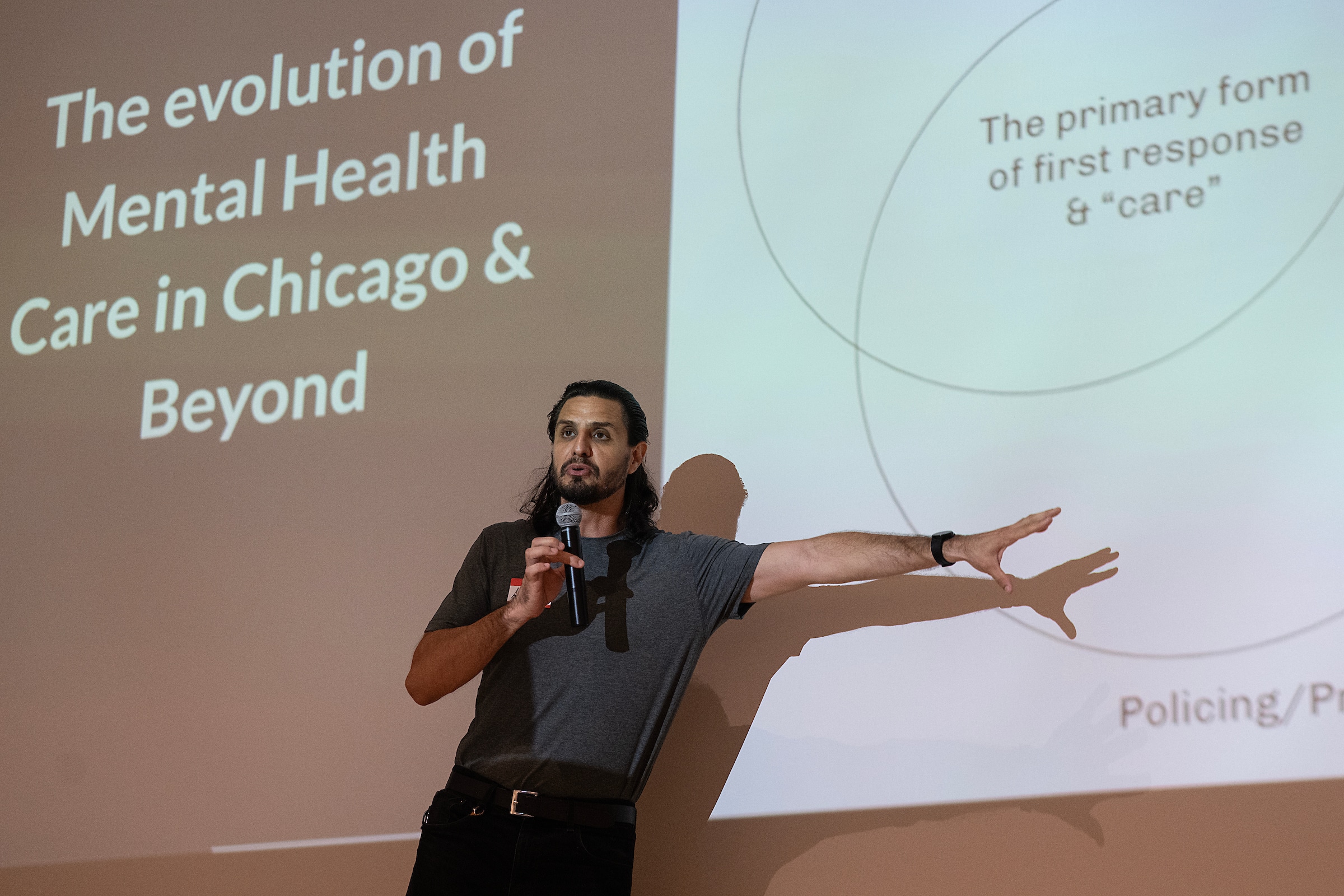
A coalition of community advocates and mental health professionals have been demanding change in Chicago’s mental health landscape for years. For the moment, at least, they’re taking a victory lap. Continue reading…
If you’re not subscribed to MindSite News Daily, click here to sign up.
Support our mission to report on the workings and failings of the
mental health system in America and create a sense of national urgency to transform it.
For more frequent updates, follow us on Facebook, Twitter and Instagram:

The name “MindSite News” is used with the express permission of Mindsight Institute, an educational organization offering online learning and in-person workshops in the field of mental health and wellbeing. MindSite News and Mindsight Institute are separate, unaffiliated entities that are aligned in making science accessible and promoting mental health globally.
Copyright © 2021 MindSite News, All rights reserved.
You are receiving this email because you signed up at our website. Thank you for reading MindSite News.
mindsitenews.org

The name “MindSite News” is used with the express permission of Mindsight Institute, an educational organization offering online learning and in-person workshops in the field of mental health and wellbeing. MindSite News and Mindsight Institute are separate, unaffiliated entities that are aligned in making science accessible and promoting mental health globally.


Author

Related Articles
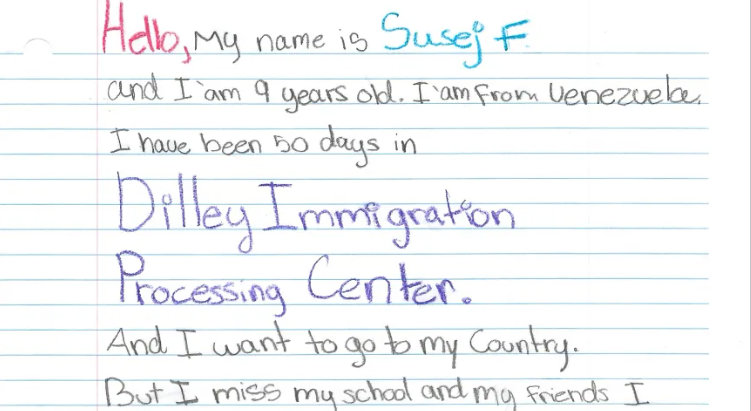
Health Organizations Condemn Traumatic ICE Raids, Family Separation
According to letters from children living in an ICE detention facility, living conditions are inhumane and their mental health is suffering.

In Teens, Social Anxiety Often Looks Like Anger
A study finds that some teens’ aggressive behavior may be due to social anxiety, not straightforward reactivity.
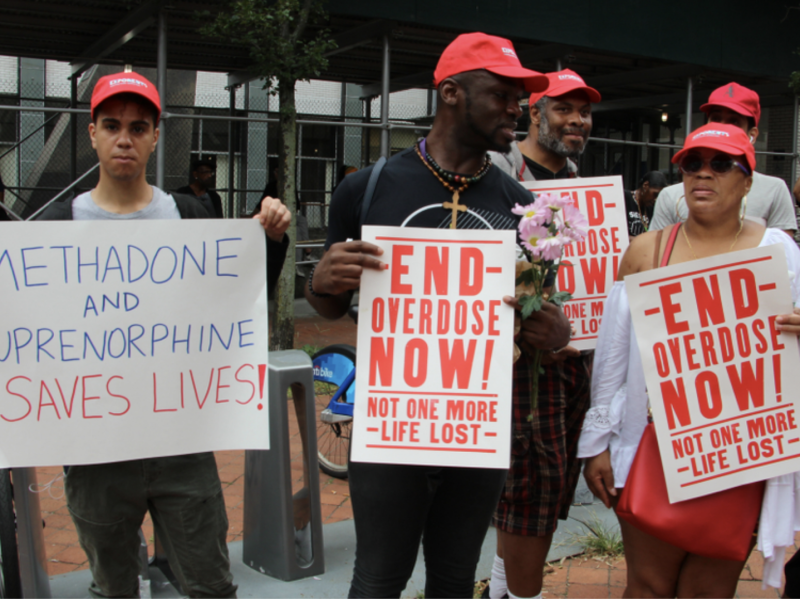
Expert Calls for Harm Reduction, Not Punishment, to Resolve Our Overdose Crisis
As the Trump administration pulls funding from harm reduction, an expert on the overdose crisis says it’s the best way to save lives.
