
A Space to Grieve
And now let’s get to work.

Thursday, November 7, 2024
By Courtney Wise

Greetings, MindSite News Readers. The future I wrote about being afraid for last week isn’t my own. Our nation is gutted. I’m resolved to cynicism in many ways, wildly grasping for slivers of hope I can tuck into the pockets of my heart that I dare expose. It’s a hard world…but truly only because we make it so.
My mother’s mother, Thelma Clark, was born in Fernandina Beach, Florida in November 1916, four years before white women were granted the legal right to vote. She would be 49 before the federal government codified her suffrage. She struggled and survived much worse than me. She taught her daughters to fight.
My mother named me Courtney to subvert patriarchy. It wasn’t her first choice; that was Elaine, Jr. But finding no support from her husband for his wife to christen their daughter with the same name as she, though he’d done so with his son, she took an alternative route to satisfaction. The name would be unisex, but trending towards boys. She wanted me to have a chance at a career, she said. She taught me how to pivot.
I enrolled my daughter in an urban place-based school founded on principles of community and social justice. It offered us a space to breathe and grieve this Wednesday, and to reimagine. In less than 24 hours, I’ve gone from full-blown panic attack to rage to sorrow. And now, I’m making plans on where I can best get to work — because we all have to do something. I am because we are, a universal truth.
In today’s Daily, TikTok’s internal documents seem to bolster the 14 lawsuits it’s facing, all of which allege the platform is addictive and harmful to the mental and emotional health of children. Texas takes steps to support the mental wellbeing of infants and toddlers. Plus, a former teacher opens a counseling service for teachers in Michigan, and a new study suggests that nearly one-third of high school students experience racism.
TikTok is addictive and it takes just 260 videos to get hooked, according to the company’s own research

TikTok is currently under fire, with NPR reporting that the social media giant faces 14 lawsuits from 13 states and the District of Columbia, all alleging the platform is addictive and harms the mental and emotional health of children. Recently, documents confirming the app’s addictive qualities from its own internal research were made public in the Kentucky Attorney General’s filing, before being resealed under court order.
TikTok’s internal findings state that “compulsive usage correlates with a slew of negative mental health effects like loss of analytical skills, memory formation, contextual thinking, conversational depth, empathy, and increased anxiety,” according to the suit. They go on to acknowledge that the app’s algorithm performs better with young people.
The algorithm works by tailoring new video content to the user’s personal interests, creating a hyper-personalized, deeply engrossing experience that makes it difficult to close the app. It takes just 260 videos to form a habit that, according to TikTok’s own account, is likely to cause users “to become addicted to the platform.” That can take a mere 35 minutes, Kentucky’s suit argues, as TikTok videos are notoriously short and set to auto-play in rapid-fire succession. Bolstering concerns, TikTok’s internal research found that the platform’s attempts at harm reduction are ineffective. Remedial measures, including screen time alerts and limits showed just a 1.5 minute drop in usage, Mashable reported. Still, TikTok continued to promote the ineffective time limiting tools because they boosted public trust in the app.
Mental health and safety issues abound regarding the algorithm’s encouragement of “filter bubbles,” defined as tailored “information and opinions that conform to and reinforce [a user’s] own beliefs” and poor content mediation. Deeming on its own who is attractive and who is not, the app actively hides “not attractive subjects” from users’ For You feeds, increasing their risk of body image issues, anxiety, and depression. Alarmingly, findings also show that youth are incentivized to strip for adult users in exchange for digital currency on TikTok Live. In response, one TikTok official said, “[O]ne of our key discoveries during this project that has turned into a major challenge with Live business is that the content that gets the highest engagement may not be the content we want on our platform.”
In addition, employees at one of TikTok’s internal safety presentations noted the app’s harmful effects on their personal wellbeing. “After following several ‘painhub’ and ‘sadnotes’ accounts, it took me 20 mins to drop into [a] ‘negative’ filter bubble,” one employee wrote. “The intensive density of negative content makes me lower down mood and increase my sadness feelings though I am in a high spirit in my recent life.” Another employee remarked, “There are a lot of videos mentioning suicide,” including one asking, “If you could kill yourself without hurting anybody would you?”
Texas aims to improve mental wellness in infants and toddlers
For Estelle and Jane Sievert, selecting the right preschool for their toddler meant finding a school that places social-emotional learning and mental health on the same level as practicing gross motor skills and learning the ABCs. The couple has loved their son, Noah, since the foster care system brought them together when he was just 3 weeks old, they told the Texas Tribune. Now age 2, the Sieverts are focused on ensuring Noah’s school environment reinforces the mental and emotional tools the pair use at home to address the trauma he endured as an infant and manage any mental challenges he may have inherited from his biological family. “We wanted to take a proactive approach to parenting to set him up with skills from very early on to identify emotions and validate his feelings,” Estelle said. “Kind of preparing for whatever may come down the line.”
It’s a priority the Sieverts quickly learned isn’t universally shared at early childcare centers in Texas, because there are no universal state standards for early childhood mental health. Officials are working now to change that, in large part because of the mental crisis brought to greater awareness by the pandemic. Between 2016 and 2020, the number of Texas children diagnosed with anxiety or depression rose an alarming 23%, according to a Meadows Mental Health Policy Institute report published last year. Seventy-one percent of those young people struggling won’t receive treatment either, compared to the national average of 61.5%, partly because of the severe shortage of trained professionals available to help them. Schools and early childcare centers stand as the next best place to identify youth in need and supply them with the resources and interventions necessary to maintain good mental wellbeing.
“You will hear people say, ‘Oh c’mon, it’s just child care,’ but no, it’s so much more,” said Colin Denby Swanson, executive director of the Austin-based Mainspring Schools where Noah enrolled last year. This can alter the direction of these kids’ lives.” Their program applies a trust-based intervention designed to help children who have experienced trauma. It works to address the difficulty such children can have trusting their caregivers, which often leads to challenging behavior.
Children begin to recognize and manage their own behaviors as young as 1 year old, experts say. As they continue to grow, they’ll also begin to mimic what the people around them do, reinforcing the importance of sound mental health practices in the environment. “We are almost teaching adults how to allow children to be children again,” explained Barbara Grant Boneta, director of the Success by 6 coalition, a childhood wellness program in Travis County. “We are focusing on forming a loving relationship and giving kids time and space to have big feelings and help them label those feelings.”
It’s a philosophy shared by Mainspring, which the Sieverts say is working for Noah. “We wanted a program that didn’t use the traditional punitive punishments for children,” Estelle said. “Mainspring School shared the same language that we used at home and understanding of support we felt was needed. We are already seeing the results of this work.”
In other news…
Findings from the Youth Risk Behavior Survey show that 1 in 3 high school students experience racism in school. Students of color report 2 to 3 times more racist experiences than their white peers, with Asian students most likely to disclose instances of race-based discrimination. Fifty-seven percent of Asian students noted racist incidents, followed by 49% of multiracial students and nearly 46% of Black students. About 39% of Hispanic students said the same, with 38% of American Indian, Alaska Native, Native Hawaiian and other Pacific Islander students recounting racism. Roughly 17% of white students described similar experiences. Among people of color, girls and LGBTQIA+ students were more likely to experience racism.
School should be an environment where all young people are treated equally and supported in their growth and development Kathleen Ethier, director of the CDC’s adolescent and school health division, told USA Today. Experiecing discrimination due to race or ethnicity is a traumatizing event, “and it has implications for their mental health,” she said.
Former teacher opens counseling service for educators in Michigan: Becky Halamka worked three years as a physical education and health teacher in Negaunee Public Schools before heading back to college for her master’s degree in education school counseling. “I didn’t realize I spent more of my mental energy thinking about how to support these kids than I wanted to spend on planning my lessons or actual classroom work,” Halamka told Bridge Michigan. She then founded Superior Educator Wellness Services, which has since been awarded a $5,000 grant from the district, to help teachers absorbing the secondary trauma of their students.
Her services meet a critical need, she said. Former educators already understand the mental and emotional challenges teachers face, unlike counselors whose only experience in education may have only been when they went to school themselves. Halamka added that improving teacher mental health can have a positive impact in the classroom. “If a teacher is feeling well, they can model that for their students,” she said. Halamka is also hoping that other districts invest in teacher mental health services, as they’ve started to do for students.
Love Disney World but worried that a visit to the theme park without your kids will be labeled “weird” or “top-tier selfish”? If you post about the trip, that’s nearly guaranteed to happen, but decide not to care about it now, advise the parents who go anyhow. “When the Mom guilt sets in bc you’re going to Disney without the kids,” notes one Instagram reel posted by influencer Madalyn Jade Monaghan. “But then you remember why you booked a trip without the kids,” she adds. The vibes without kids are “honestly a whole other kind of magic,” mom Ashley Aiello told the Washington Post. She and her husband traveled to Disneyland without their kids for the first time last summer, experiencing less stress and a different kind of fun.
If you or someone you know is in crisis or experiencing suicidal thoughts, call or text 988 to reach the 988 Suicide & Crisis Lifeline and connect in English or Spanish. If you’re a veteran press 1. If you’re deaf or hard of hearing dial 711, then 988. Services are free and available 24/7.
Recent MindSite News Stories
‘The Fear Cut Through My Family’: Alarm Over Trump’s Potential Return Sparks Deep Anxiety Among Chicago Immigrants

As Election Day nears, immigrant-led coalitions provide support amid fears of mass deportations and violence. Continue reading…
He attempted suicide. Peoria Jail restrained him in a chair for five days.
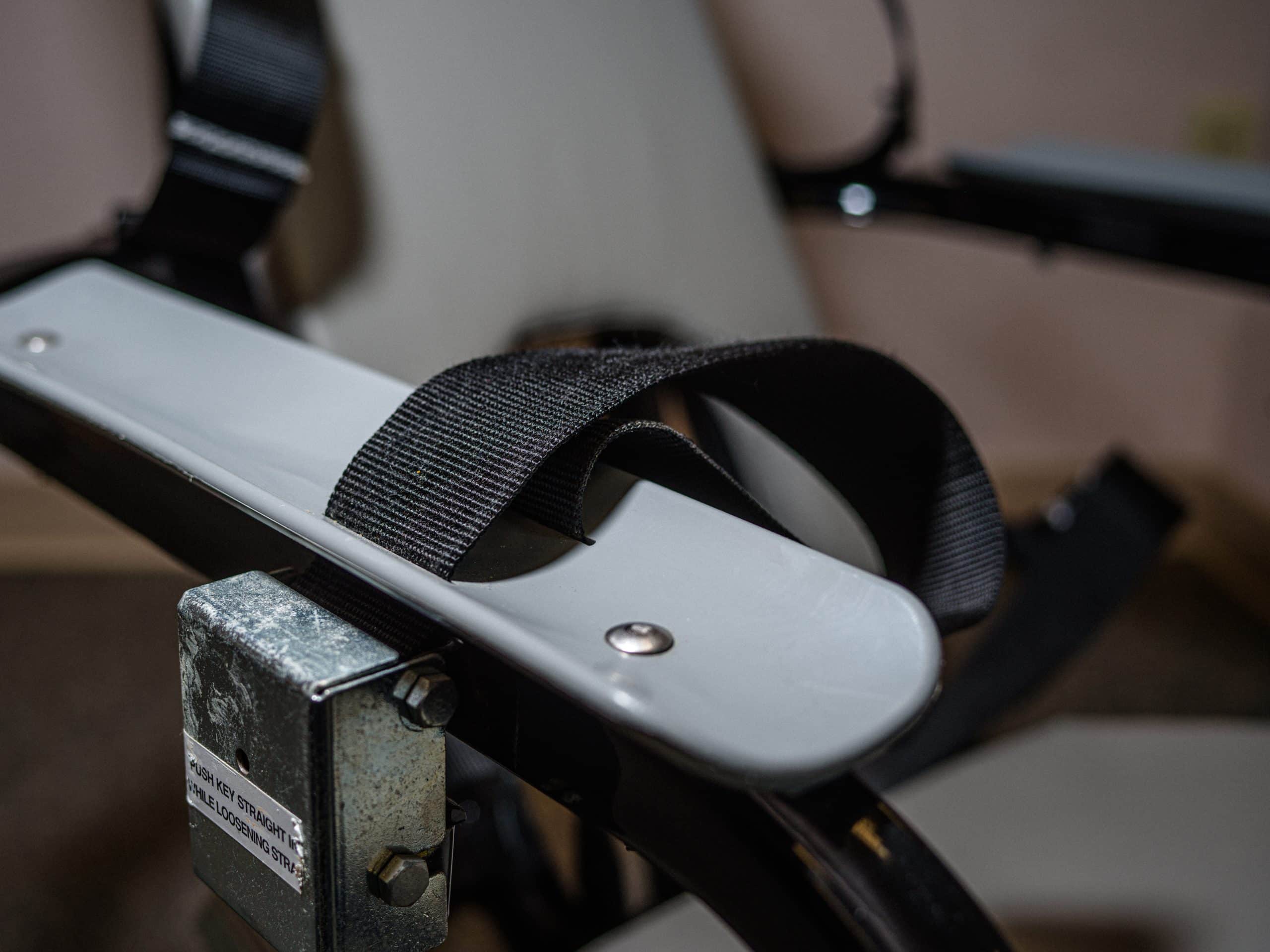
Peoria County Jail in Illinois has kept mentally ill charges in restraint chairs far past industry recommendations.
If you’re not subscribed to MindSite News Daily, click here to sign up.
Support our mission to report on the workings and failings of the
mental health system in America and create a sense of national urgency to transform it.
For more frequent updates, follow us on Facebook, Twitter and Instagram:

The name “MindSite News” is used with the express permission of Mindsight Institute, an educational organization offering online learning and in-person workshops in the field of mental health and wellbeing. MindSite News and Mindsight Institute are separate, unaffiliated entities that are aligned in making science accessible and promoting mental health globally.
Copyright © 2021 MindSite News, All rights reserved.
You are receiving this email because you signed up at our website. Thank you for reading MindSite News.
mindsitenews.org

The name “MindSite News” is used with the express permission of Mindsight Institute, an educational organization offering online learning and in-person workshops in the field of mental health and wellbeing. MindSite News and Mindsight Institute are separate, unaffiliated entities that are aligned in making science accessible and promoting mental health globally.


Author

Related Articles
The College Mental Health Crisis
Experts say more preventive care is needed to combat the growing mental health crisis affecting college students.
Trump Administration Breaks its Promises to Veterans with Mental Health Issues
Since Trump’s return to office, the strained staffing situation within the Department of Veterans Affairs is now “at a breaking point.”

College Employment Scams Undermine Students’ Mental Health
At UC Berkeley, students have lost thousands to employment scams. Victims said they now experience shame, fear, anxiety and depression.
