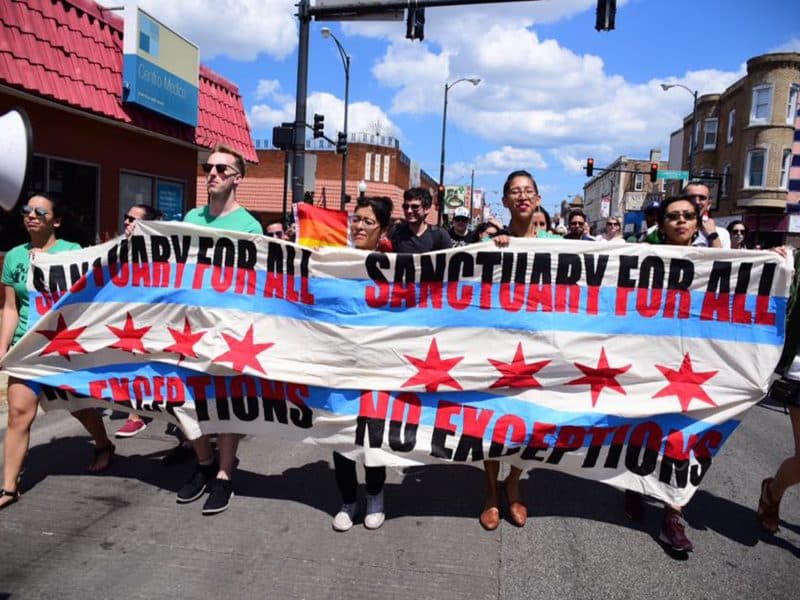
In Chicago, A Movement Builds to Protect Immigrants’ Mental Health
In Chicago, Mayor Brandon Johnson vows to protect immigrants even if it means risking federal funding.

November 26, 2024
By Courtney Wise
Greetings, MindSite News Readers.
Today MindSite News and palabra bring you a story from the sanctuary city of Chicago: 200 people convening in the city’s Southside to strategize on how to support immigrant rights in the Trump era and to hold a healing circle, a ceremony that migrant communities can use to help heal themselves.
Also in today’s Daily, Latino scientists and business owners are among those developing and testing a mental health app for the Latino community in San Francisco, which was devastated by the loss of jobs and many of its frontline workers who died from Covid-19 before a vaccine was developed. And San Francisco 49ers player Ricky Pearsall, shot in the chest before the start of football season this August, demonstrates the many ways people rally to care for their mental health after intense trauma.
Plus: A new TV show addresses loneliness and dementia with honesty and grace; an affordable accessory for better sleep (and mood); and a faith gathering for the unhoused that some say is their source of resilience.
A healing circle in Chicago for immigrants and allies organizing to fight mass deportations
The series is a collaboration between the Chicago bureau of MindSite News and palabra, a multimedia platform from the National Association of Hispanic Journalists. It is made possible with funding from the Field Foundation of Illinois and the Reva and David Logan Foundation.
Less than two weeks after U.S. voters decided to bring former President Donald Trump back to the White House, almost 200 people trekked to Chicago’s South Side for a convening on a critical topic: the mental health of immigrant communities in the new Trump era. They came to plan and strategize, but what many wanted, above all, was a space of healing that could help steady them for the intense work and organizing that lies ahead.
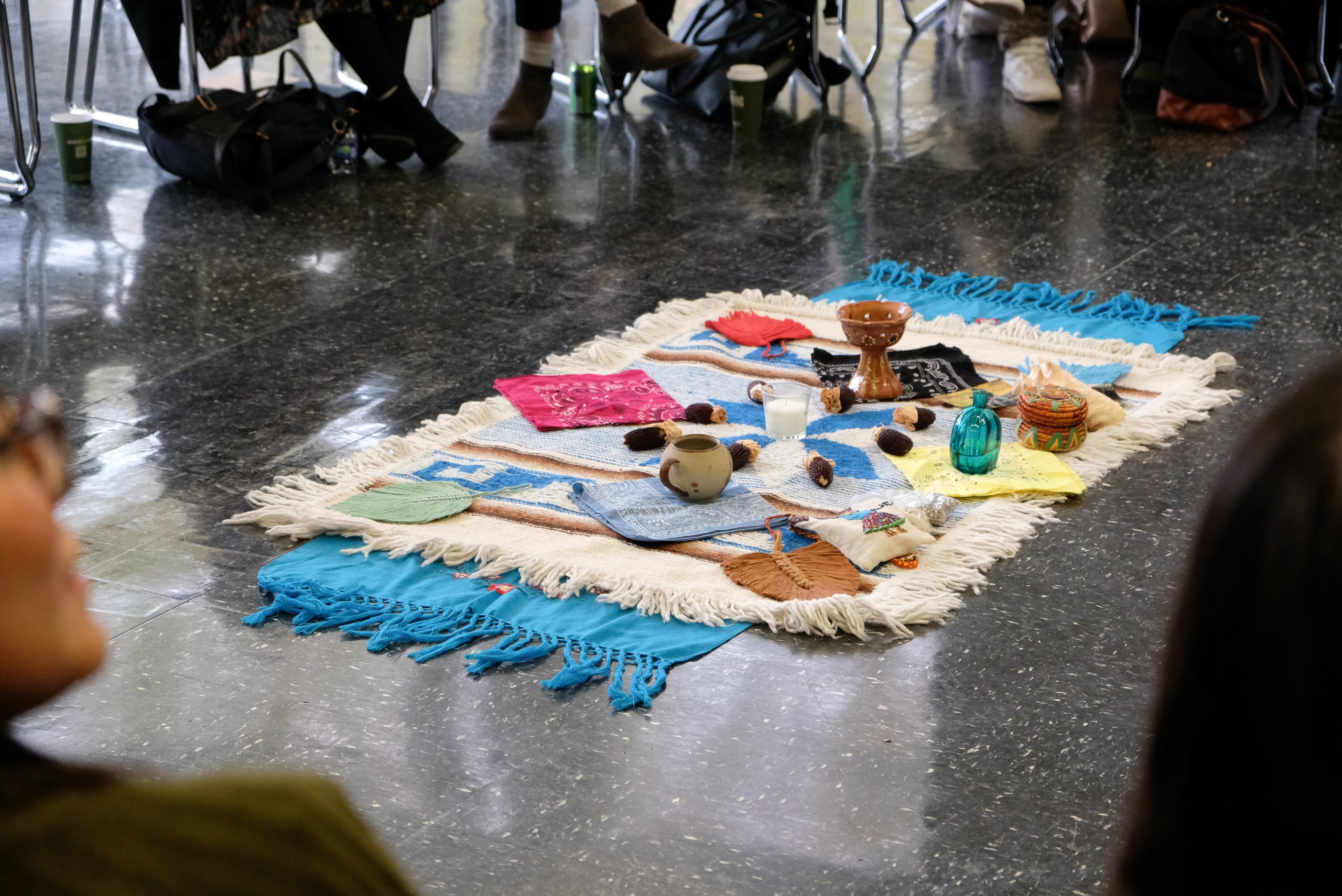
There, a healing circle was convened by Susana Ollin Kuikatl Tekpatzin Bañuelos, an Aztec/Mexica dancer of Native American heritage, and community advocate María Velazquez, the executive director of Telpochcalli Community Education Project in Chicago’s Little Village neighborhood, to guide participants into a welcoming space.
On the floor in the center of the circle, a tapestry embroidered with a blue flower and fringed edges set the tone. On top: items representing earth, air and water, four of the essential elements in Native American cultures: corn husks symbolizing the harvest of the earth, a conch shell for wind and clay mugs for water. The fire element was absent, but the energy of the participants infused the gathering with warmth.
“We know that we can’t always solve problems, avoid wars and avoid conflicts,” Ollin Kuikatl Tekpatzin Bañuelos said, but people can “create healing” in difficult times.
For immigrants who are newly arrived or lack health insurance or the means to pay for services, healing circles can be a form of community-led mutual aid, “a way for communities to heal themselves,” said Maria Ferrera, co-founder of the Coalition for Immigrant Mental Health, which organized the convening. “We know that they don’t have access most of the time to mental health services.”
Chicago first declared itself a sanctuary city in 1985 when Mayor Harold Washington issued an executive order barring city employees from assisting in federal immigration-enforcement efforts and pledging that city benefits would not be denied based on immigration status. Since then, five consecutive mayors have vowed to protect immigrants, including asylum seekers and those without documents, and to refrain from cooperating with federal agents.
Mayor Brandon Johnson reaffirmed his commitment to protecting immigrants in a Nov. 12 press conference, even if it means risking federal funding. “We will not bend or break,” Johnson said. “Our values will remain strong and firm. We will face likely hurdles in our work over the next four years but we will not be stopped and we will not go back.” (Read the whole story by journalist Alma Campos here.)
A coalition to support the mental health needs of Latino residents in San Francisco
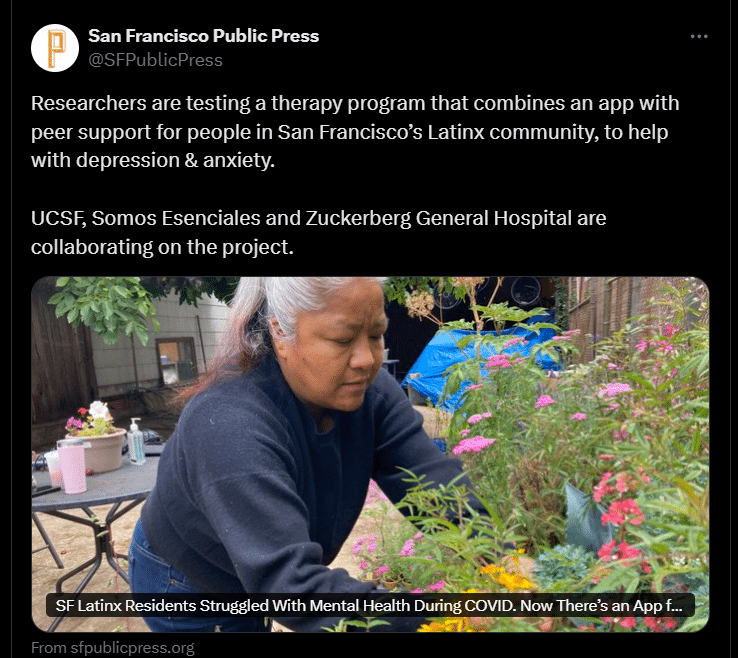
Small business owner Connie Rivera remembers the outsized burden of infection and death Latino residents experienced at the height of the COVID-19 pandemic in The Mission, her San Francisco neighborhood. It devastated the community. “We lost our jobs. A lot of people lost families, friends,” Rivera told the San Francisco Public Press. The mental anguish left behind is the hardest to manage, she added, saying, ”We were not prepared for any of this.”
Researchers and mental health professionals jumped to action to meet folks’ basic needs for food, virus testing, and later, vaccinations and mental health treatment. Adrian Aguilera, a professor at UC Berkeley and UCSF whose research interests center on Latino mental health and digital mental health tools, invited Rivera and several others to test a digital therapeutic approach through an app for Spanish-speaking clients.
His aim, in part, is to help people improve management of depression and anxiety on their own. The app connects clients with formally-trained mental health professionals and peer supporters, like Rivera, to provide patients with relevant guidance and cultural competence. “We wanted to do technology-based stuff, but then also bring in supporters to be a cheerleader and understand your lived experience,” Aguilera told Public Press.
On a web page about the research, Aguilera’s team notes that the app they’re testing, Silvercloud, has already had a positive impact on patients in the United Kingdom and Columbia. For now, his team will study its impact over the next two years with Latino residents in San Francisco. They’ve partnered with the grassroots group Somos Esenciales/We Are Essential, which was formed during the pandemic by artist, playwright and educator Paul Flores.
While providing people with vital testing and fresh food, he noticed that they were not getting much needed mental health support due to a dearth of resources, the weight of mental health stigma, language barriers, and poor cultural competency in the healthcare system. Through a short documentary and this 31-minute episode of the podcast Civic, Aguilera, Flores, Rivera, and others describe in greater detail how they’re applying innovative and digital mental health solutions in a way that honors culture and inclusivity.
“I grew up in Chicago, in a Mexican neighborhood very much like the Mission,” Aguilera said. “So that is the reason I came into this work — to provide mental health support for people that look like my family, like my community.”

Near death experience left NFL rookie with mental scars – and greater appreciation for his life beyond the game
Ricky Pearsall almost lost his NFL career before it started. Back on August 31, five days before the official start of season, the San Francisco 49ers rookie wide receiver was shot in the chest during a robbery attempt. Doctors marveled at his prognosis, he told the San Francisco Chronicle. Due to the precise angle at which the bullet hit, Pearsall moved from the ICU to home in just one day. It bypassed all vital organs and nerves, slipping through a small area between two ribs to exit his back. “‘I’ve never seen a bullet path like this,” he recalled his doctor saying. “I’m not a religious person,” she continued, “but something like this would make me religious.” Fifty days later, on October 21, Pearsall made his on-field NFL debut, contributing to the team as its number three receiver. But just because he’s back in NFL shape, doesn’t mean he’s all better.
Pearsall, who is Catholic, said his faith has deepened since the incident, but he isn’t done dealing with the mental trauma. He reflexively looks over his shoulder anytime he is walking alone. “Certain things pop up and it’s kind of like, ‘Whoa, that kind of reminds me of that situation.’ It puts goosebumps on my arms,” he said. The 49ers have provided multiple therapists to help him, but there’s no precise timeline on when he will be healed.
Still, he said, almost dying has shifted his perspective on his professional life. While football is a huge part of his life, he’s learned that it isn’t his whole life. “I care about this game so much to the point where sometimes it does drive me crazy when I’m not playing up to my potential or we’re losing some games that we should be winning,” Pearsall said. “But when I put it into perspective of what I’ve been through and the understanding that there’s a lot more life outside of the game, it kind of keeps me calm in a way and it gets me back to being myself. And I think I’m the best version of myself when I keep that perspective.”
In other news…
A Man on the Inside: Aisha Harris and Stephen Thompson, two hosts of NPR’s Pop Culture Happy Hour, gave rave reviews of the Netflix sitcom A Man on the Inside. The show, which stars Ted Danson, was created by Michael Schur, bringer of The Good Place and Brooklyn Nine-Nine. Like those shows, his latest examines more serious issues in life: aging, grief, dementia, loneliness, and finding community, with graceful levity. “I think the show really gets at this idea of loneliness in old age and how to reckon with that,” Harris said. “There’s this human quality to it that — it’s not saccharine. Like, it treats it in a real way. But it really does tug at the heartstrings.”
With all else gone, faith sustains them: Six mornings a week, dozens of unhoused gather at the Lamb Center in Northern Virginia for Bible study. Some may see it odd for homeless people to put such energy into their faith, but Kate Brady said it’s exactly what sustained her when she lost everything. “I needed to believe,” she told the New York Times. Moreover, studies demonstrate how much religious practices and belief can help people cope with mental illness and addiction. It’s not about a cure, so much as it is a source of strength, said Harold Koenig, a Duke University psychiatrist who led research on the extensive Handbook of Religion and Health. Best of all, “It’s accessible to people in all circumstances,” Koenig said.
Eye masks for everybody! It’s the cheapest accessory you can buy that will offer you better sleep, and in turn, a better mood and mental health. That’s because it helps to shut out extra light, from the TV screen, hallway, or elsewhere, that streams in, even through closed eyelids. Even when dim, the extra light can inhibit or reduce the length of vital sleep stages, which can lead to physiological challenges later, researchers told the Washington Post. Better sleep improves brain function, contributing to a better mood, improved cognition, and an increased ability to handle stress.
If you or someone you know is in crisis or experiencing suicidal thoughts, call or text 988 to reach the 988 Suicide & Crisis Lifeline and connect in English or Spanish. If you’re a veteran press 1. If you’re deaf or hard of hearing dial 711, then 988. Services are free and available 24/7.
Recent MindSite News Stories
Did the Stanford Prison Experiment, One of Psychology’s Most Famous Studies, Really Turn People Into Monsters?
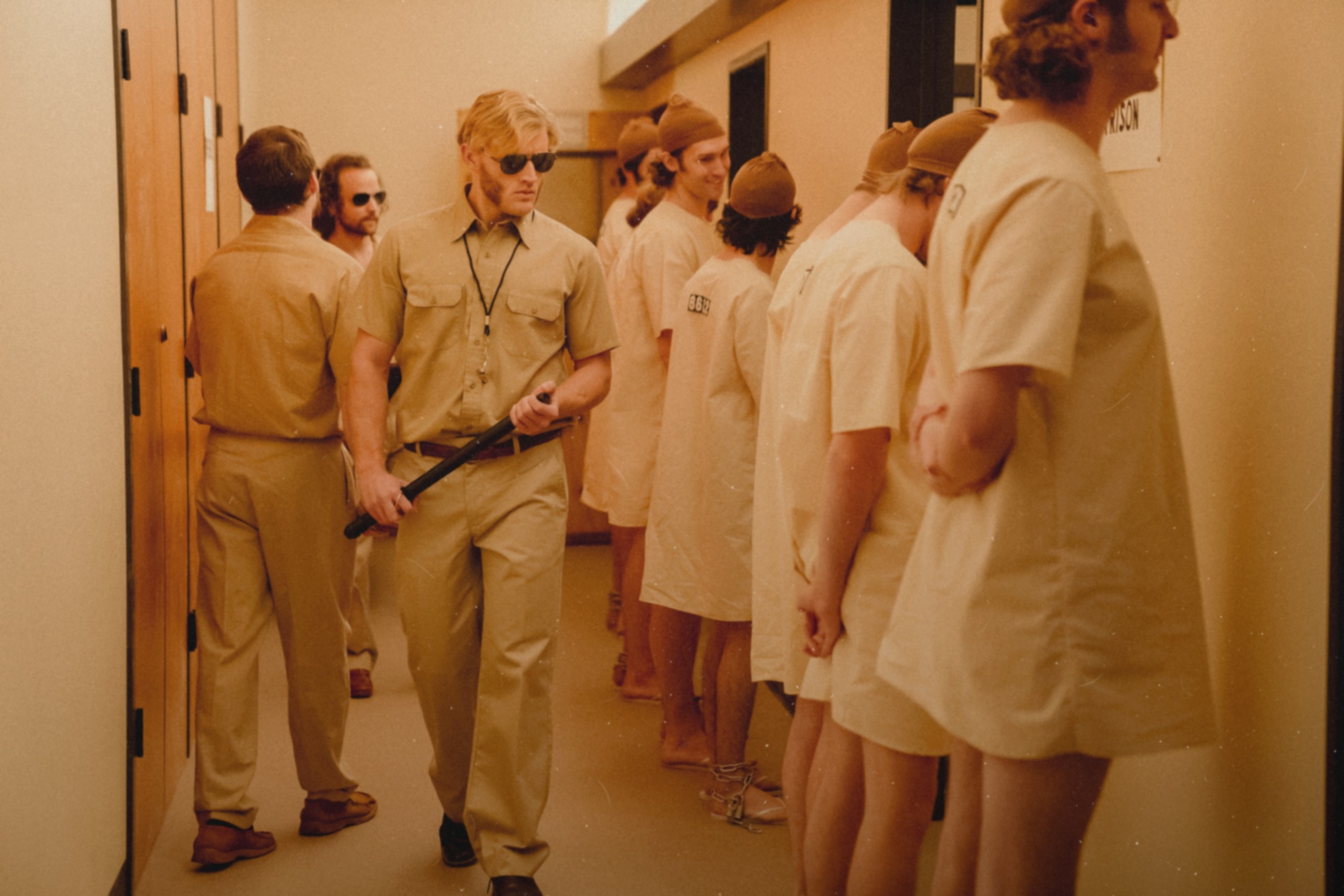
A riveting new docuseries talks with the former youths from a famous Stanford experiment that quickly devolved into violence and chaos. Continue reading…
Thousands of People in Prison Have ADHD. Why Aren’t They Receiving Treatment?
As many as half of all prisoners have ADHD, but they rarely get treatment, even though research suggests treatment can help reduce recidivism and ease reentry.Continue reading…
‘People Forget About the Fathers’
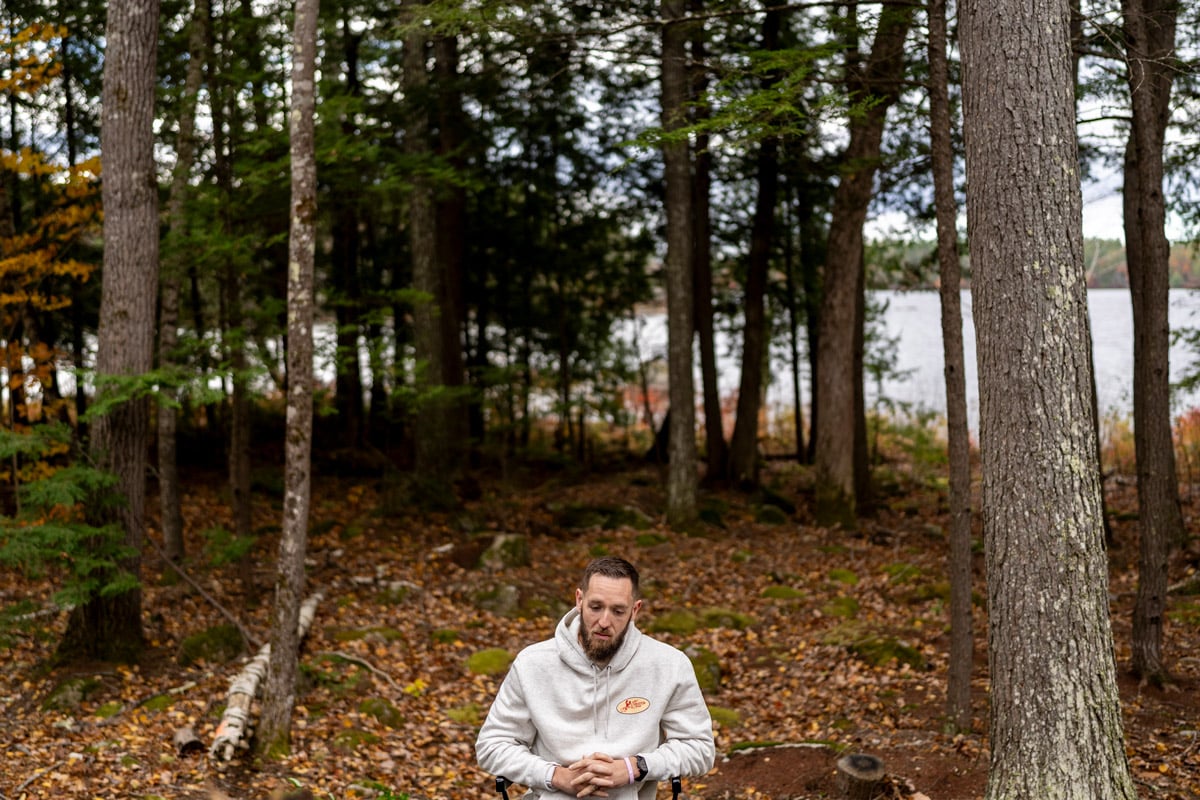
Losing a child is one of the most traumatic events a parent can endure, but services often focus on mothers – and fathers tend to grieve in isolation. These men formed a DIY grief group for dads. Continue reading…
If you’re not subscribed to MindSite News Daily, click here to sign up.
Support our mission to report on the workings and failings of the
mental health system in America and create a sense of national urgency to transform it.
For more frequent updates, follow us on Facebook, Twitter and Instagram:

The name “MindSite News” is used with the express permission of Mindsight Institute, an educational organization offering online learning and in-person workshops in the field of mental health and wellbeing. MindSite News and Mindsight Institute are separate, unaffiliated entities that are aligned in making science accessible and promoting mental health globally.
Copyright © 2021 MindSite News, All rights reserved.
You are receiving this email because you signed up at our website. Thank you for reading MindSite News.
mindsitenews.org
The name “MindSite News” is used with the express permission of Mindsight Institute, an educational organization offering online learning and in-person workshops in the field of mental health and wellbeing. MindSite News and Mindsight Institute are separate, unaffiliated entities that are aligned in making science accessible and promoting mental health globally.


Author

Related Articles

The Lindsey Clancy Murder Trial
Women nationwide watch the Lindsay Clancy trial and see themselves in her story, plus an investigation into hospitals that fail patients with addiction.
Grief and Rehabilitation in a California Prison
This month: a DUI offender’s path to rehabilitation, Lindsay Clancy revisited, Illinois prison protests, a fatal cell fire, and Missouri’s competency crisis.
Meta Pays $17 Billion Settlement for Lawsuit Over Child Harm
Meta will pay up to $17.1 billion and reshape how its platforms operate after 47 states argued that they are harmful and also addictive to children by design.