New Youth Mental Health Report Dives Deep Into Data
A new interactive “tracker” of youth mental health data provides detailed information on how kids feel. And how might RFK Jr’s experience with addiction impact his policies if he’s confirmed to health post.


Tuesday, Dec. 16, 2024
By Don Sapatkin

Good Tuesday morning! In today’s Daily: A new interactive “tracker” of youth mental health data provides detailed information on how kids feel, why many feel bad and what might make a difference.
Plus: Can Robert F. Kennedy Jr.’s personal experience with addiction, and his passion for addressing the issue create a productive new direction for dealing with the opioid crisis? Adult ADHD diagnoses are surging. Testing adolescents’ claims that they don’t receive mental health treatment because their parents won’t let them. And Medicaid beneficiaries die of drug overdoses at double the rate of the U.S. population.
But first: For 25 consecutive years, the University of Pennsylvania’s Annenberg Public Policy Center has tracked the number of news stories in the U.S. that spread the myth that suicides rise during the holidays. Last winter, a disappointing 58% repeated the myth, while 42% debunked it. For the record: The months of November and December had the lowest average rate of suicides per day in 2023, provisional CDC data shows. July and August had the highest.
The kids are not alright – but they’re hopeful they can be: A new report plumbs the complexity
Question: What percentage of 15-to-17-year-old multiracial youth who are experiencing financial difficulties report feeling anxious or depressed? Answer: 23%. What percentage of 15-to-17-year-old LGBTQ+ youth who are experiencing financial difficulties report feeling anxious or depressed? 58%.
And what percentage of LGBTQ+ 18-to-24-year-olds who are not experiencing financial difficulties report feeling happy? 65%. Switch in non-LGBTQ+ youth and the answer is 87%. How many 10-to-14-year-olds report getting the emotional help and support they need from their friends? 84%.

This is the level of specificity you’ll find poking around a new, data-stuffed Youth Mental Health Tracker. This comprehensive 2024 national survey of more than 4,500 youth ages 10 to 24 allows for almost unlimited queries about youth mental health and wellbeing. There are bubbles showing the percentage of youth who identify different things as being helpful to their well-being: a sense of belonging, physical health, social media.
You’ll find key insights from experts, and the stories of individual kids. A sibling site, linked from the tracker, lets you explore upstream factors in your own county that can prevent young people from thriving.
The Youth Mental Health Tracker was released last week by Surgo Health, a public benefit corporation whose data-driven approach can yield seemingly counter-intuitive findings with a positive tilt. “Even among youth who reported mental health struggles, 50% remain optimistic about their future and feel that their actions are meaningful,” notes a press release.
The company also released a white paper, “Uplifting Youth Mental Health and Wellbeing from Crisis to Empowerment,” that uses the data to describe in more detail the nuance and duality that is captured by the tracker. Also on offer: a new set of recommendations from the mental health advocacy organization Inseparable and Surgo on the actions policymakers could take to improve youth mental health.
RFK Jr. would bring passion and a lifetime of unique experiences to the fight against addiction
Many of Robert F. Kennedy Jr.’s health care positions are divisive to an extreme, from his belief in long-disproven claims that HIV doesn’t cause AIDS to his opposition to fluoride in water to criticism of vaccines – a stance public health experts say could suppress immunization rates and lead to the return of deadly diseases most Americans have never experienced.
But one intense interest of Kennedy’s has potential to be unifying, reporter Lev Facher writes in STAT: the addiction and opioid crisis. If President-elect Donald Trump’s nominee for secretary of health and human services is confirmed by the Senate − a big if – an issue that has affected tens of millions of families is likely to be front and center, driven by a man who has openly shared his struggles with heroin and alcohol for decades. Over the past year, he’s devoted a lot of time and energy to discussion of addiction policy.
As he traveled across the country with a film crew to make a documentary about addiction during his independent presidential campaign, Kennedy surrounded himself with doctors, recovery advocates, judges and public health officials, seeking ideas for how to bring the country’s decades-long drug crisis to an end. His philosophy is ideologically flexible, Facher reports in a magazine-length piece that examines his past statements on drug use and his own recovery, his documentary, and interviews with multiple advocates he spent time with during filming.
Kennedy has pitched a nationwide system of “healing farms,” proclaimed the virtues of 12-step recovery programs like Alcoholics Anonymous and advocated “tough love” for people battling addiction. He has repeatedly expressed admiration for Amsterdam’s response to its own drug epidemic decades ago, which included providing prescription heroin to drug users not ready to stop. He suggested at one point that he was open to the less extreme but still controversial practice of supervised consumption, which the last Trump administration prohibited but the Biden administration has allowed.
Yet he also has expressed contradictory sentiments, posting this message on X seven weeks after he suspended his campaign and endorsed Trump: “To end the opioid crisis we need common sense solutions not ‘harm reduction.’” Harm reduction, of course, is an approach that aims to reduce overdose risk and improve drug users’ health by, for example, exchanging dirty syringes for clean ones or allowing use of test strips to determine whether fentanyl has been mixed into street drugs.
Some of Kennedy’s recent statements have favored a tough love approach that threatens prison for people addicted to drugs who won’t help themselves. But he also is careful to note that not every approach will work for every person. If he’s confirmed to helm HHS, Facher writes, “Kennedy’s views could set a new tone for the country’s opioid crisis response.”
UnitedHealth cutting back on coverage for children with autism, ProPublica reports
Applied behavior analysis (ABA) is labor-intensive and expensive, but it also is the only treatment proven effective for children with autism. Yet UnitedHealthcare, the nation’s largest health insurer, has deployed a strategy to deliberately reduce the number of children with autism who can access the therapy, according to an investigation by ProPublica. It describes the company’s practices as “a secret internal cost-cutting campaign that targets a growing financial burden for the company: the treatment of thousands of children with autism.”
The strategy targets kids covered through the company’s state-contracted Medicaid plans, which are funded by the federal and state governments for the nation’s poorest, most vulnerable patients. Advocates say the strategy may violate federal law.
I reported three years ago on a family’s fight to get payment for their autistic son’s ABA treatment.

That case involved an Anthem Blue Cross Blue Shield plan. These denials clearly fit a pattern – they withhold coverage on the basis that medical necessity is unproven. It’s a common practice, advocates says, and it helps insurers’ bottom lines.
ADHD, once considered a childhood disorder, increasingly diagnosed in adults
ADHD diagnoses are surging among adults the New York Times reports. Over the last two decades, clinicians have increasingly recognized that the symptoms of attention-deficit/hyperactivity disorder, which typically begin in childhood, can linger into adulthood – and that women and people of color are more likely to be underdiagnosed early in life. The recent rise of telemedicine, increased awareness of the disorder and changing attitudes about mental health treatment are causing a sharp increase in adult diagnoses. Outside stressors like the pandemic may be a factor as well.
An analysis for the Times by the health care data and analytics company Truveta found that the rate of first-time ADHD diagnoses has been rising since 2021, but the increase is only among people 30 and older. From January 2021 to October 2024, the first-time diagnosis rate spiked 61% among people ages 30 to 44 and 64% for those 45 to 64. Lots of people also are self-diagnosing, a phenomenon that experts blame partly on a plethora of social media videos about the disorder. There are 3.7 million posts with the hashtag #ADHD on TikTok alone.
ADHD can be diagnosed in several ways: by a general practitioner or a psychiatrist, through in-person neuropsychological testing, and by digital companies like ADHD Online, Amwell or Lifestance. A lack of U.S. clinical guidelines for diagnosing the disorder in adults means that diagnoses may be inconsistent.
In other news…
Most adolescents with depression don’t receive treatment – is it because parents don’t want them to? A study in JAMA Pediatrics aimed to answer that question – by looking at the the role that state laws play. Some states allow adolescents to independently consent to mental health services; others require parental approval. The researchers used national health survey data from 2021 to 2022 to obtain estimates of treatment rates for adolescents who had major depressive episodes – and then compared treatment rates in states on each side of this regulatory divide.
Of the 50 states plus Washington, D.C, eight had laws allowing adolescents to consent to mental health treatment on their own with no restrictions. Eighteen states prohibited it. Most of the rest allowed adolescent consent with some restrictions. The results: In states that prohibited teens from independently consenting to treatment, the proportion of adolescents who received treatment for depression was significantly lower than those that allowed them to independently consent, suggesting that parents acted as a barrier.
Adults who frequently post on social media had a slightly higher risk of developing mental health problems the following year compared to those who passively viewed others’ content (and had no elevated risk), according to a study in the Journal of Medical Internet Research. The finding was described in a press release from University College London, whose researchers led the investigation into how different types of social media use might affect the mental health of adults over time. They analyzed data from more than 15,000 people over age 16 in the U.K. who participated in 2019-2021 surveys.
People on Medicaid died of drug overdoses at twice the rate of all U.S. residents in 2020, according to a study in JAMA Health Forum. Put another way, Medicaid beneficiaries make up 25% of the population but 48% of all overdose deaths. The double-the-national rate finding was consistent for every Medicaid age group over 15. The study authors linked enrollment and demographic data for all Medicaid beneficiaries with federal data on overdose deaths to get the results. They concluded that federal and states agencies should invest in timely and accessible linked mortality and Medicaid data “to better understand and target interventions toward the populations at highest risk.”
If you or someone you know is in crisis or experiencing suicidal thoughts, call or text 988 to reach the 988 Suicide & Crisis Lifeline and connect in English or Spanish. If you’re a veteran press 1. If you’re deaf or hard of hearing dial 711, then 988. Services are free and available 24/7.
Recent MindSite News Stories
4 Years After Husband’s Killing, Dominique Wallace Opens Up About Staying Strong for Kids

Four years after her husband was killed by police during a mental health crisis, Dominque Wallace is working to overcome trauma and help other survivors.
The Return of Trump: What Does it Mean for Mental Health Policy and Advocacy? A Live Discussion

Thursday, Dec. 19, 12 pm PT / 2 pm CT / 3 pm ET.
Join MindSite News and a team of mental health policy advocates and experts as we explore where a second Trump presidency may go.
Fury mounts over insurance claim denials after killing of UnitedHealthcare CEO
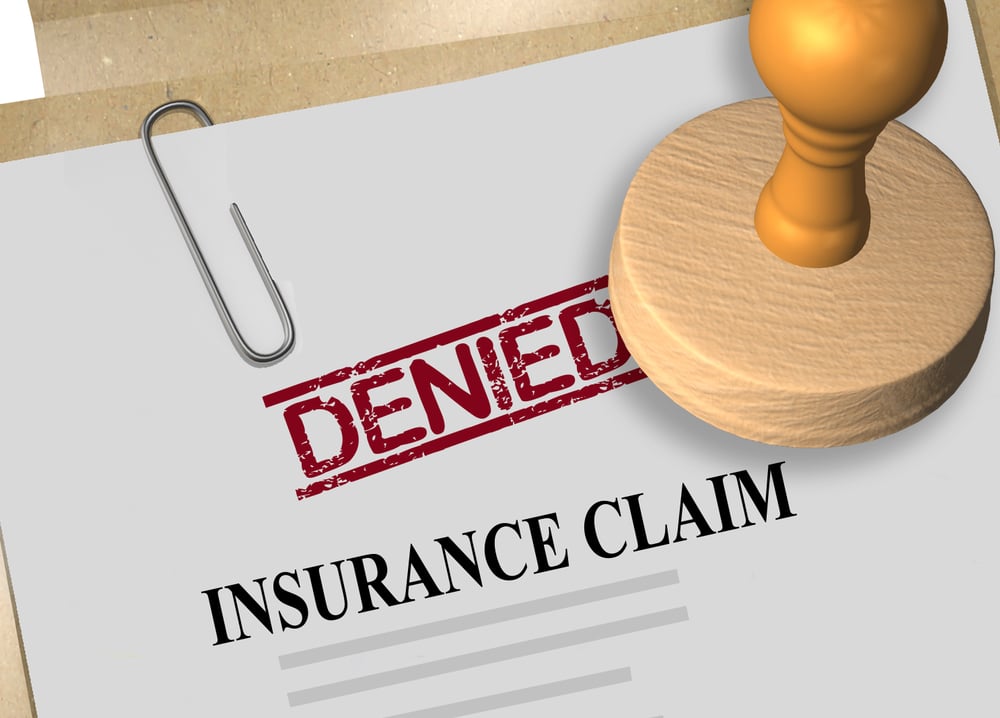
Public response to the murder of health insurance CEO Brian Thompson reveals depth of rage against the health insurance industry.
Continue reading…
If you’re not subscribed to MindSite News Daily, click here to sign up.
Support our mission to report on the workings and failings of the
mental health system in America and create a sense of national urgency to transform it.
For more frequent updates, follow us on Facebook, Twitter and Instagram:

The name “MindSite News” is used with the express permission of Mindsight Institute, an educational organization offering online learning and in-person workshops in the field of mental health and wellbeing. MindSite News and Mindsight Institute are separate, unaffiliated entities that are aligned in making science accessible and promoting mental health globally.
Copyright © 2021 MindSite News, All rights reserved.
You are receiving this email because you signed up at our website. Thank you for reading MindSite News.
mindsitenews.org

The name “MindSite News” is used with the express permission of Mindsight Institute, an educational organization offering online learning and in-person workshops in the field of mental health and wellbeing. MindSite News and Mindsight Institute are separate, unaffiliated entities that are aligned in making science accessible and promoting mental health globally.


Author

Related Articles

College Sports Has an Emotional Abuse Problem
As the Galic twins’ experience with their coach shows, there are few protections for college athletes experiencing emotional abuse.

Autism and Alzheimer’s May Be Linked, Study Suggests
New discoveries are pushing researchers to consider that autism and Alzheimer’s may offer insight into the other.
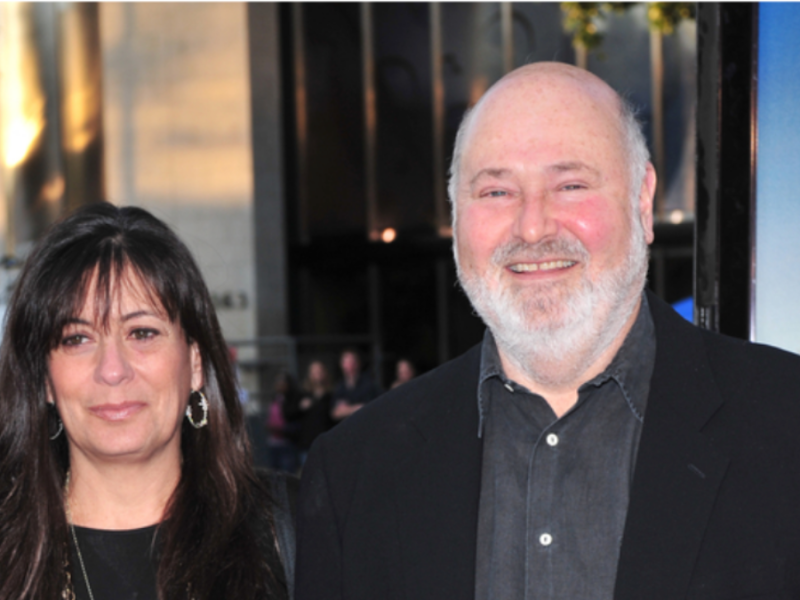
He Almost Killed His Father. Now He Helps Others At Risk.
In today’s newsletter, we explore how one man healed after a dangerous psychotic break that nearly led him to murder.
