
Farewell to Jimmy Carter, Beloved Champion for Peace & Mental Health
Carter, a peanut farmer from Georgia and our 39th president, was a lifetime peace and human rights activist.


Tuesday, December 31, 2025
By Don Sapatkin

Good Tuesday morning! Today’s Daily continues our holiday weeks’ look back at stories that stuck with us: Teens describe the chaos of driving with ADHD (and offer tips to help). And a book review of what in fact is practical guide: “How Not to Kill Yourself.”
But first: A farewell to Jimmy Carter, a brilliant, truthful and wonderful human being − and an advocate, along with his wife, Rosalynn, for better mental health care. Our founding editor, Rob Waters, wrote a tribute to the former first lady when she died last year.
Finally, today is the last day of our end-of-year fundraising drive. Please help us get over the top with as generous a gift as you can – donate today and it will be matched up to $1,000. Click here to make your donation.
Jimmy Carter, a force for mental health and world peace, dies at 100
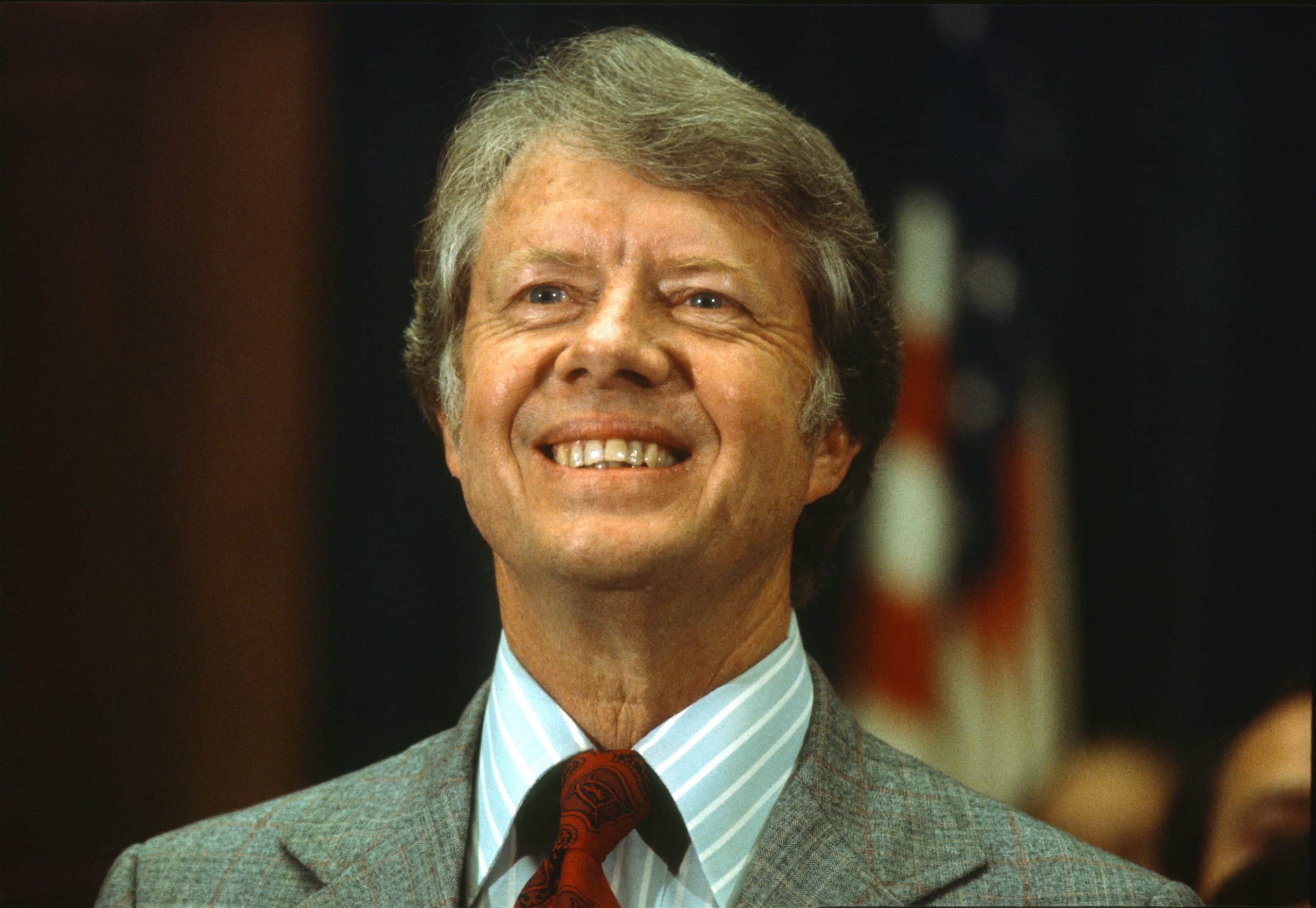
Former President Jimmy Carter, the plain-spoken peanut farmer from Plains, Ga., and the first and only occupant of the White House from the Deep South, died on Sunday. He served as the 39th president of the United States from 1977 to 1981. To many Americans, Carter is better known for his accomplishments after leaving office. The longtime peace activist was awarded the 2002 Nobel Peace Prize for work to find peaceful solutions to international conflicts, to advance democracy and human rights, and to promote economic and social development.
But Carter was a leader on mental health, too, with much of the credit going to his wife, Rosalynn, who died last year. It was her signature issue. During Jimmy’s 1970 campaign for governor, Rosalynn was overwhelmed by the number of people who asked what she would do for a relative dealing with mental illness. She had a distant cousin with mental illness when she was a child, and she remembered running to hide when she would hear him singing boisterously as he came down the streets of their small town.
“He probably wanted nothing more than friendship and recognition, yet he was different, and when I heard him, my impulse was to flee,” the former first lady wrote in her memoir, according to an article in CNN last year. The experience left such a deep impression on her that she devoted much of her time in the White House to advocating for better care for people with mental illnesses and to minimize stigma. In 1979, she became the second first lady to testify before Congress (Eleanor Roosevelt was the first) when she spoke about the need for mental health reform.
She never lost an opportunity to press the issue with her husband, either. Carter created a Presidential Commission for Mental Health a month after taking office, with Rosalynn as honorary – and heavily involved − chair. The commission’s final report shed light on a wide range of deficiencies in mental health care in the U.S., and emphasized the deleterious impact of stigma against people with mental illness.
The report led to passage of the Mental Health Systems Act (MHSA) of 1980, perhaps the most significant piece of mental health legislation since President John F. Kennedy signed the Community Mental Health Act of 1963, the last bill he signed before being assassinated. The 1980 legislation, which was introduced and shepherded through the Senate by the late president’s younger brother, Sen. Ted Kennedy, was intended to be a necessary safety net for individuals who were unable to obtain mental health services.
The bill included grants to ensure mental health patients received needed services, created a position to oversee mental health services for minorities, and authorized funds for rape prevention and control. It also included a bill of rights for patients.
Carter signed MHSA into law in October 1980. But Ronald Reagan was elected the next month, and he had other ideas. His signature on the Omnibus Budget Reconciliation of 1981 “quickly and efficiently reduced the capacity of the MHSA to provide services to those who needed them,” according to an article in the journal Documents to the People, which tells this interesting history in greater detail.
The mental health program of the Carter Center, founded in 1982, continues to do important work. Mrs. Carter created an annual symposium on mental health, a mental health task force to create policy change and, in 1996, the Rosalynn Carter Fellowships for Mental Health Journalism. The program has had a major impact, elevating the quality and quantity of mental health journalism in the U.S. and around the world by providing support, training and mentorship for more than 200 journalists.
MindSite News’s Founding Editor Rob Waters was a 2005-2006 fellow and MindSite News Chicago Bureau Chief Josh McGhee was a 2023-2024 fellow.

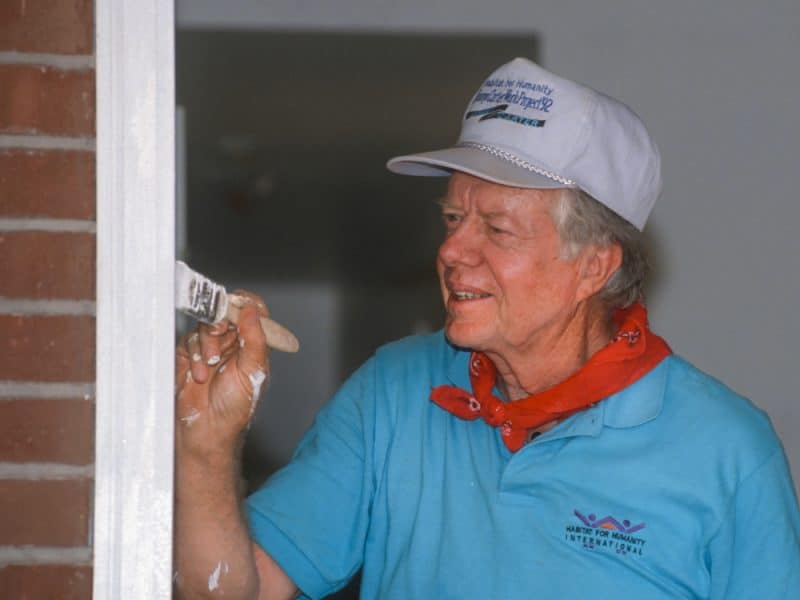
Carter’s better-known work after his presidency was remarkable: The former president and first lady worked for more than 35 years with Habitat for Humanity to provide housing for poor and low-income people and personally helped build more than 4,390 homes. (Even after taking a fall at age 95 and getting a black eye and a dozen stitches, he left for Nashville the next day to build more houses.) As many people have noted in an outpouring of eulogies, he also continued to work for peace and speak out against the evils of war.
“No matter how necessary, [war] is always evil, never a good,” Carter said when accepting the Nobel Prize. “We will not learn how to live together in peace by killing each other’s children.”
Driving on ADD
“If you know me as well as I know myself, it is no surprise that I have attention deficit disorder (ADD). Ever since I was little, doing things has always been hard,” Hannah Henderson, a high school junior and member of Youthcast Media Group, wrote in a story we published in October. Hannah remembers the first time she got behind the wheel of a car: “I could NOT focus. I would catch myself looking around and not on the road, messing with the radio, just doing anything but paying attention to the road ahead of me.”
Hannah’s description of the condition’s profound impact on an activity that is routine for most Americans − and how medication made a big difference – was revelatory for me. I, too, have what is officially known as ADHD, and my meds make a big difference when I write. (Without it, this simple sentence likely would be a bunch longer, although I’m unaware of any impact on my driving.)
Hannah’s story ran as a short sidebar to a piece about how avoiding distractions is harder for drivers with attention deficit hyperactivity disorder. Teens with ADHD are more than twice as likely to be involved in multiple car crashes. The excellent main story, by Hannah’s (former) classmates Zoe Ligairi and Sophia Sewall, explains why. It also offers tips to avoid distractions on the road, such as limiting GPS when possible, listening only to instrumental tracks (or nothing), and considering prescription stimulants.
(A 2017 study found that more than a fifth of car crashes involving people with ADHD could have been avoided if the driver had been using medication.)
The three students wrote the stories for the nonprofit Youthcast Media Group and they were published by MindSite News with permission. Read the main bar here. Hannah’s sidebar is here.
Suicide can wait
How Not to Kill Yourself, Rachel Cassandra writes in her review of Clancy Martin’s book, “is a mix of memoir (with frank and sometimes graphic descriptions of Martin’s suicide attempts), philosophy, and analysis of literature from authors who killed themselves or attempted to. His aim is to prevent suicides; he believes that ‘for the vast majority of people, suicide is a bad choice.’”
Hard to disagree with that.
Although Martin incorporates research on suicide throughout, Cassandra points out that “the book is squarely planted in one (white, cis, heterosexual) man’s point of view.” And she adds her own, somewhat different experiences.
“At the core of the book,” Cassandra writes, describing conventional prevention strategy a new way, “is the notion that most people with suicidal thoughts actually have a chronic affliction. They may rid themselves of the acute feelings of a particular episode, but that means the thoughts are in remission, not gone.”
This, she writes, leads Martin to proffer some astonishingly practical advice for the acutely suicidal and people close to them who could pass it on: Put it off for one day. Change something small about your environment (the music, the lighting). There’s no rush in a decision with so much finality, Martin says: “I can always just kill myself tomorrow’” – a delay that can absolutely mean the difference between life and death.
Read Cassandra’s full review here. Buy the book here.
If you or someone you know is in crisis or experiencing suicidal thoughts, call or text 988 to reach the 988 Suicide & Crisis Lifeline and connect in English or Spanish. If you’re a veteran press 1. If you’re deaf or hard of hearing dial 711, then 988. Services are free and available 24/7.
Recent MindSite News Stories
Long-Acting Injection Helps Heal ‘Beautiful Mind’ of Husband with Schizophrenia
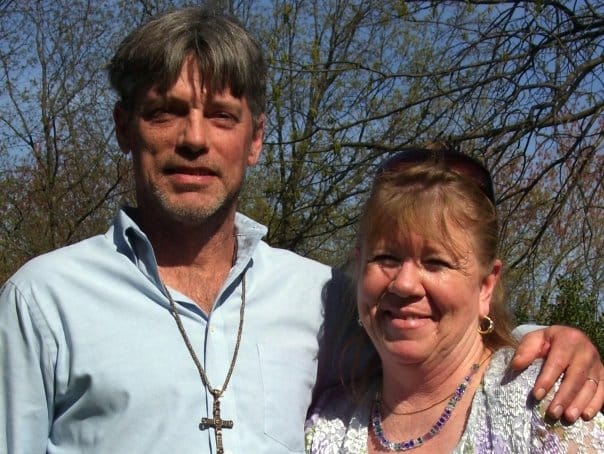
A long-acting monthly injection and counseling have helped heal problems linked to a beloved husband’s schizophrenia.. Continue reading…
Forgotten Children: The Unseen Victims of Gun Violence Are the Children Left Behind

Parental death has been rising in the U.S. due to COVID-19, the overdose epidemic and gun violence. In this first part of Forgotten Children, we look at efforts to help children grieving from the loss of parents to gun violence. Continue reading…
Is Chicago’s Mental Health Crisis Response Team Ready to Go Copless?
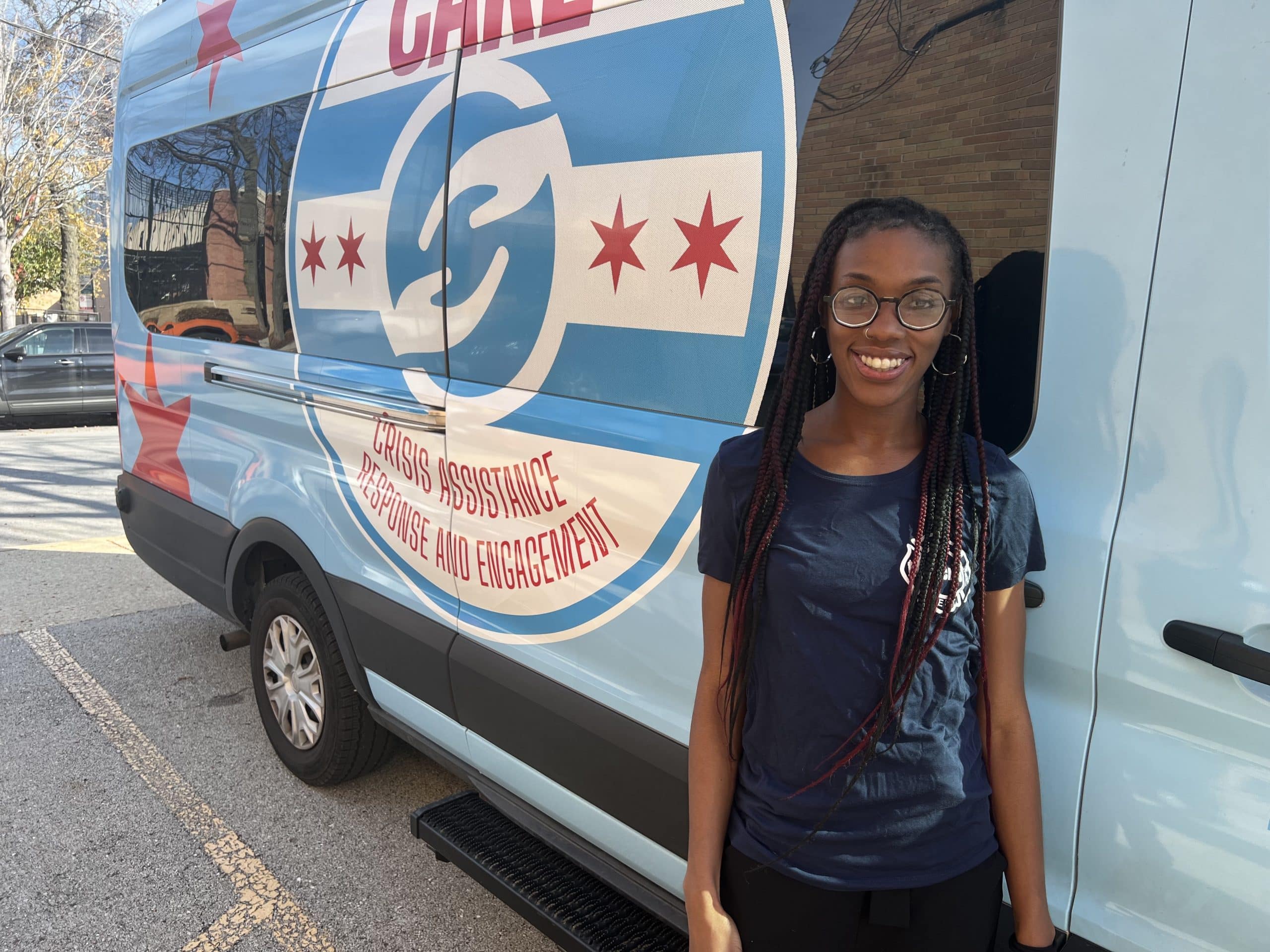
A new evaluation of Chicago’s alternative crisis response team (CARE) finds a low threat of violence and offers insights other cities may find useful.
If you’re not subscribed to MindSite News Daily, click here to sign up.
Support our mission to report on the workings and failings of the
mental health system in America and create a sense of national urgency to transform it.
For more frequent updates, follow us on Facebook, Twitter and Instagram:

The name “MindSite News” is used with the express permission of Mindsight Institute, an educational organization offering online learning and in-person workshops in the field of mental health and wellbeing. MindSite News and Mindsight Institute are separate, unaffiliated entities that are aligned in making science accessible and promoting mental health globally.
Copyright © 2021 MindSite News, All rights reserved.
You are receiving this email because you signed up at our website. Thank you for reading MindSite News.
mindsitenews.org

The name “MindSite News” is used with the express permission of Mindsight Institute, an educational organization offering online learning and in-person workshops in the field of mental health and wellbeing. MindSite News and Mindsight Institute are separate, unaffiliated entities that are aligned in making science accessible and promoting mental health globally.


Author

Related Articles
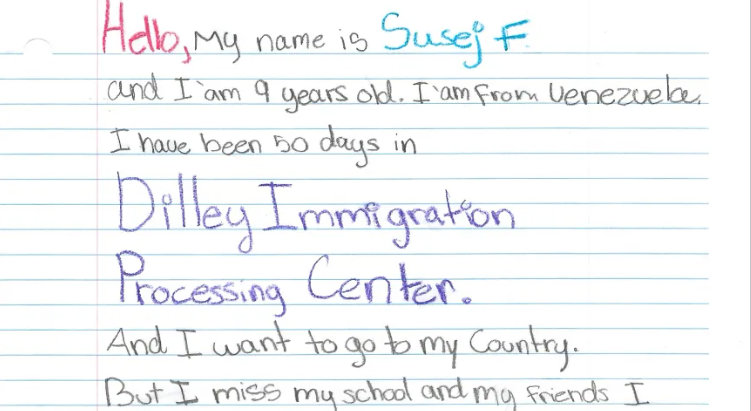
Health Organizations Condemn Traumatic ICE Raids, Family Separation
According to letters from children living in an ICE detention facility, living conditions are inhumane and their mental health is suffering.

In Teens, Social Anxiety Often Looks Like Anger
A study finds that some teens’ aggressive behavior may be due to social anxiety, not straightforward reactivity.
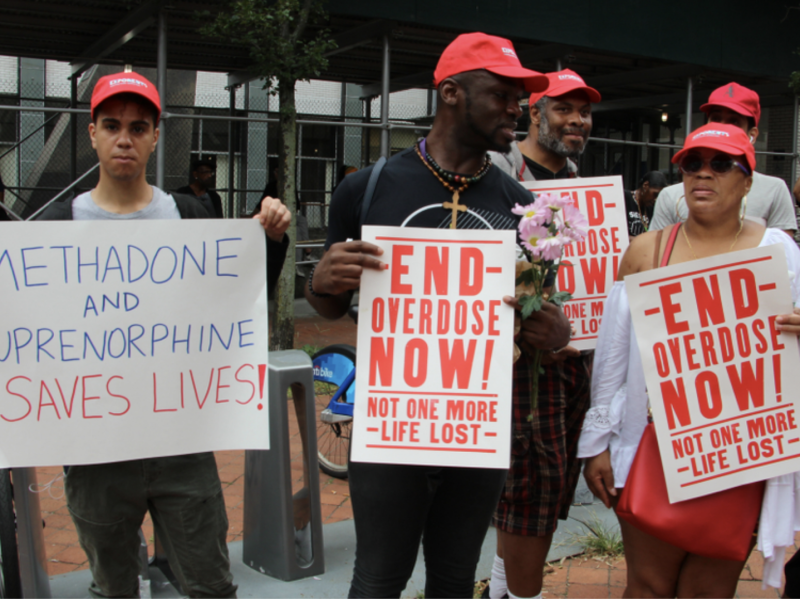
Expert Calls for Harm Reduction, Not Punishment, to Resolve Our Overdose Crisis
As the Trump administration pulls funding from harm reduction, an expert on the overdose crisis says it’s the best way to save lives.
