
Bipartisan Report Urges Trump, Congress Act on Youth Mental Health
A new report offers extensive policy recommendations to better meet young people’s mental health needs. Mental health diagnoses in the military spiked. And more.


Tuesday, January 7, 2025
By Don Sapatkin

Good Tuesday morning. In our first Daily of 2025: Mental health discoveries of 2024! A new report offers extensive policy recommendations to better meet young people’s mental health needs. Mental health diagnoses in the military spiked. And more.
But first: The New York Times profiles a Kentucky town that was destroyed by opioids − and now is dominated by the business of rehab.
A few things we learned about our mental health in 2024
If you feel like your mental capacity is declining, it probably is: Even healthy brains start downsizing in our 30s and 40s and lose about 5% in weight per decade after that. That’s the bad news, and it’s not new. But NPR helpfully pulled together some new, good news – nine findings about our brains and mental health that emerged last year. I’m really glad they did, too, because most of these discoveries went in one side of my shrinking head and out the other. My top three:
The mix of microbes in our gut might affect resilience: Researchers had already shown that the gut microbiome − the vast ecosystem of microbes that live in our intestines − is linked to mood and mental health via communications with the brain. A new study took that one step further, finding two major patterns in the guts of people who were more resilient to stress: The activity in their microbiome was linked to reduced inflammation (and inflammation is related to several psychiatric conditions), as well as improved gut-barrier integrity (which may lead to less “leakage” of toxins into the bloodstream and fewer stress signals sent to the brain). The gut ecosystem is complex, but researchers hope to eventually use gut bacteria biomarkers to help tailor decisions about existing treatments or develop new ones.
Working late when you’re young may lead to depression in middle age: Getting too little sleep is, of course, harmful to your mental health. What’s new is a long-term study finding that working nights and rotating shifts can make people susceptible to depression (and generally poor health) by age 50. About 16% of American workers, and higher percentages of Black people and all those with limited education, worked non- regular hours in 2019. The researchers hope their results prompt more discussion about how the mental health of workers can be better supported.
Ultra-processed foods are bad for your mental health: Here again, well-known risks to physical health have now been found to harm mental health − a lot. Americans get more than half their daily calories from ultra-processed foods like soft drinks, cold cuts, fast food, packaged snacks − basically any food made with ingredients that you wouldn’t find in most home kitchens. An extensive analysis found a 20% to 50% increased risk of symptoms of depression in people who ate diets high in ultra-processed foods. It’s not yet clear how much junk food is too much. The FDA last month finalized a rule on what will qualify for a new “healthy” label, but it will take years for the not-easily-defined term “ultra-processed” to make an appearance, if it ever does.
New report aimed at Trump and Congress outlines steps for improving mental health care for youth

At a time of intense political polarization, the Bipartisan Policy Center, an 18-year-old Washington think tank, wants to maintain
support from policymakers in both parties for addressing the mental health crisis among youth. This morning, on the eve of a new administration, it released a 77-page report, Redesigning the Health Care Delivery System to Better Meet the Needs of Youth. It’s the second of three reports from the center’s Youth Mental Health and Substance Use Task Force.
The report’s introduction – from the task force co-chairs, former Kentucky Governor Steve Beshear and former Florida Congresswoman Val Demings, both Democrats, and former Ohio Governor John Kasich and former Washington Congresswoman Jaime Herrera Beutler, both Republicans – noted that “while the challenges facing our nation’s youth began well before the lockdowns and school closures, the pandemic took a devastating toll on children, adolescents, and their families.”
The report also noted in the understated tone of such documents that “the health care system and its financing mechanisms are not designed to optimally serve youth and their families.” The task force “aims to change that” with a series of recommendations aimed at increasing the size of the mental health work force, boosting compliance by health insurers with laws requiring parity between mental and physical health care, increasing the screening and integration of primary care and behavioral care in pediatric offices, boosting access to services for youth with the most acute conditions and needs, and improving systems for treating and stabilizing young people in crisis.
Among the specific recommendations:
-Congress should award grants of up to $2 million over three years to establish regional centers around the country to recruit, mentor and support people wanting to join the behavioral health care workforce.
-SAMHSA should create national guidelines and standards for the training of peer support specialists as a way of increasing their numbers and boosting their skills.
-Congress should award grants of up to $10 million to help state Medicaid agencies boost their expertise in parity regulations and their ability to supervise and enforce compliance with the rules by Medicaid managed care organizations.
-Congress should direct federal health agencies to develop standards for mental health credentials and take other steps to enable mental health workers to more easily transfer their credentials from state to state. It should also take steps to allow mental health providers to continue working via telehealth with clients who move to other states.
-The Center for Medicare and Medicaid Services should require annual behavioral health screenings during well-child visits for Medicaid-eligible youth up to age 21.
-Congress should renew the $52 million it allocates to enable pediatricians treating youth to get tele-health consultations from behavioral health specialists.
All in all, said the bipartisan center’s associate director, Michele Gazda, in an email to MindSite News, “These steps aim to break down barriers, enabling earlier diagnosis and treatment.”
Military mental health diagnoses rise sharply
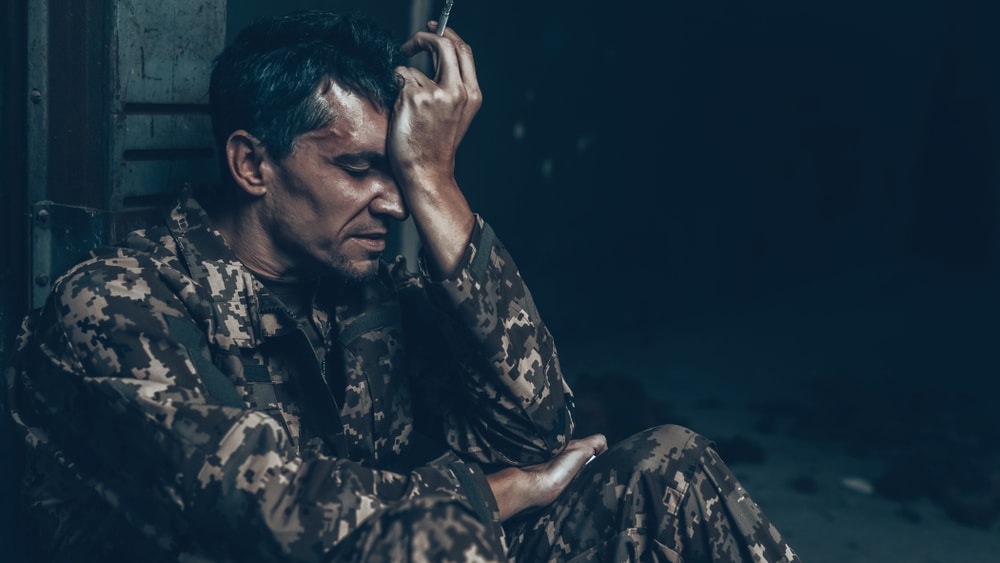
Rates of mental health diagnoses among service members increased by nearly 40% − with PTSD and anxiety disorders nearly doubling – from 2019 to 2023, Military Times reported based on a Dec. 1 Defense Health Agency update.
As if on cue, two military men – one an Army veteran and the other an active-duty Green Beret – committed terrifying acts of violence one month later, leading former Marine Jos Joseph to pen an opinion piece in The Hill calling for more mental health checks.
Army veteran Shamsud-Din Jabbar, 42, plowed his pickup into a crowd of revelers in New Orleans early on New Year’s Day, killing 14 people and injuring dozens of others before opening fire on police, who killed him. An ISIS flag was found in Jabbar’s truck and the FBI said he had pledged his support to the terror organization. While no history of mental health problems has been found so far, Jabbar apparently was isolated and having difficulties, including three divorces and financial issues, according to ABC News.
The Green Beret, 37-year-old Matthew Livelsberger, a five-time recipient of the Bronze Star, blew up his rented Tesla Cybertruck outside a Trump hotel in Las Vegas, causing minor injuries to seven people. He shot himself in the head seconds before the explosion. Although definitive information about Livelsberger’s mental health history has not been released, the special agent in charge of the FBI’s Las Vegas field office said “he likely suffered from PTSD” and that his death “appears to be a tragic case of suicide.”
Livelsberger’s ex-girlfriend, a nurse who has cared for wounded veterans, told the Washington Post that he confided to her that he’d suffered a traumatic brain injury while deployed overseas and struggled with a cloudy memory, poor concentration, difficulty maintaining relationships and intense guilt over his actions on the battlefield − all symptoms that can lead to a deterioration in mental health.
Last month’s report said nearly half of the more than 500,000 service members diagnosed with a mental health disorder had more than one. Adjustment disorders accounted for 29% of the diagnoses, followed by anxiety disorders (20%), depressive disorders (17%), PTSD (9%), and alcohol-related disorders (7%); “other” mental health disorders accounted for 12%. Less than 2% were substance-related disorders. Mental health diagnoses were most often found in female service members (who were diagnosed with PTSD at twice the rate of males), younger individuals, and those in the Army.
In other news…
Surgeon General Vivek Murthy called for cancer warning labels on alcoholic beverages, NBC News reported. Current “government warning” labels prominently state that women should abstain during pregnancy due to the risk of birth defects and that consuming alcohol impairs your ability to drive “and may cause health problems.” The U.S. Surgeon General’s Advisory on Alcohol and Cancer Risk released on Friday cites direct links between alcohol consumption and increased risk for seven kinds of cancer: breast (in women), liver, colorectal, mouth, esophagus, throat and larynx. Alcohol consumption leads to about 100,000 cancer cases and 20,000 deaths in the U.S. each year, making it the third-leading cause of cancer after tobacco and obesity.
The Substance Abuse and Mental Health Services Administration (SAMHSA) awarded four grants totaling $10 million to support the behavioral health of pregnant and postpartum women. The awards went to local organizations in Oakland; Rochester, N.Y.; Lakewood N.J., and Lawton, Okla. Conditions like postpartum depression, anxiety, and substance use affect about 20% of pregnant and postpartum women in the U.S., according to an HHS press release announcing the grants under the new Community-Based Maternal Behavioral Health Services Program.
Depression is (slightly) linked with (slightly) worse driving among older adults: Researchers followed the driving habits of elders with major depressive disorder (but not memory impairment) and others with neither diagnosis. They controlled for antidepressant use, which is known to independently affect driving. The study found more speeding among the group with depression, who also were found to engage in more hard-braking and hard-cornering events. “Most importantly,” the authors wrote in JAMA Network Open, major depression − an illness that is both treatable and common in older adults − was associated with an increase “in both the amount and magnitude of risky driving behaviors over time.”
If you or someone you know is in crisis or experiencing suicidal thoughts, call or text 988 to reach the 988 Suicide & Crisis Lifeline and connect in English or Spanish. If you’re a veteran press 1. If you’re deaf or hard of hearing dial 711, then 988. Services are free and available 24/7.
Recent MindSite News Stories
Thousands of Callers Are Giving Up On Calls to Texas’ 988 Suicide Hotline As It Grapples with a $7 Million Deficit
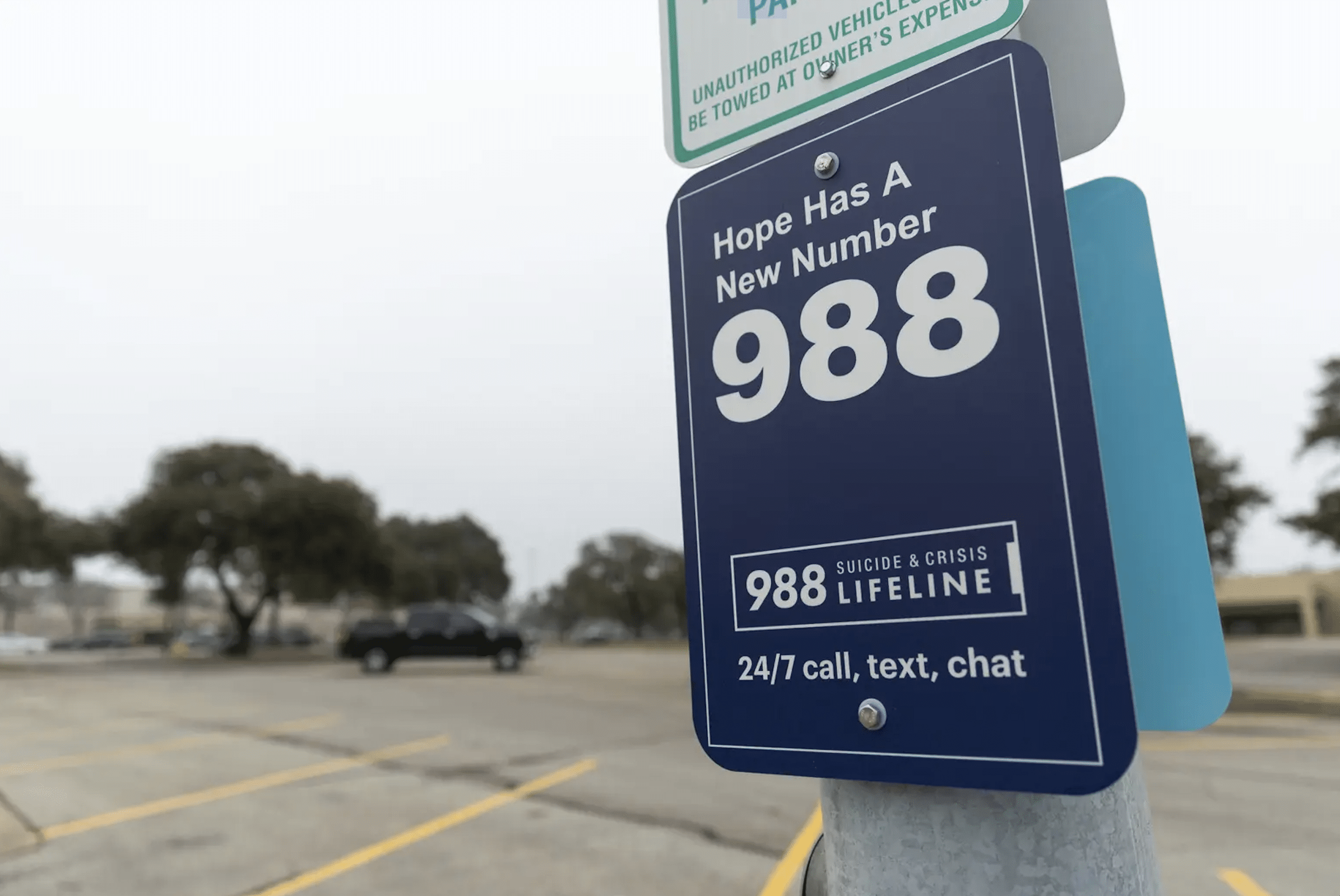
Thousands of Texans are abandoning the state’s suicide hotline mid-call as call centers struggle under a $7 million funding deficit and a growing suicide rate.
Long-Acting Injection Helps Heal ‘Beautiful Mind’ of Husband with Schizophrenia

A long-acting monthly injection and counseling have helped heal problems linked to a beloved husband’s schizophrenia..
Forgotten Children: The Unseen Victims of Gun Violence Are the Children Left Behind

Parental death has been rising in the U.S. due to COVID-19, the overdose epidemic and gun violence. In this first part of Forgotten Children, we look at efforts to help children grieving from the loss of parents to gun violence.
If you’re not subscribed to MindSite News Daily, click here to sign up.
Support our mission to report on the workings and failings of the
mental health system in America and create a sense of national urgency to transform it.
For more frequent updates, follow us on Facebook, Twitter and Instagram:

The name “MindSite News” is used with the express permission of Mindsight Institute, an educational organization offering online learning and in-person workshops in the field of mental health and wellbeing. MindSite News and Mindsight Institute are separate, unaffiliated entities that are aligned in making science accessible and promoting mental health globally.
Copyright © 2021 MindSite News, All rights reserved.
You are receiving this email because you signed up at our website. Thank you for reading MindSite News.
mindsitenews.org

The name “MindSite News” is used with the express permission of Mindsight Institute, an educational organization offering online learning and in-person workshops in the field of mental health and wellbeing. MindSite News and Mindsight Institute are separate, unaffiliated entities that are aligned in making science accessible and promoting mental health globally.


Author

Related Articles
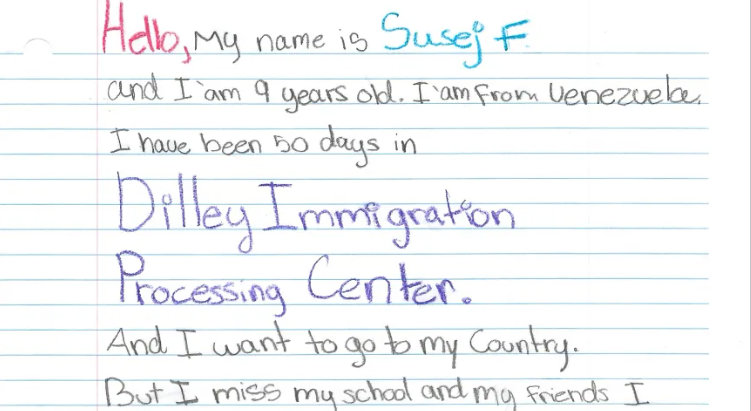
Health Organizations Condemn Traumatic ICE Raids, Family Separation
According to letters from children living in an ICE detention facility, living conditions are inhumane and their mental health is suffering.

In Teens, Social Anxiety Often Looks Like Anger
A study finds that some teens’ aggressive behavior may be due to social anxiety, not straightforward reactivity.
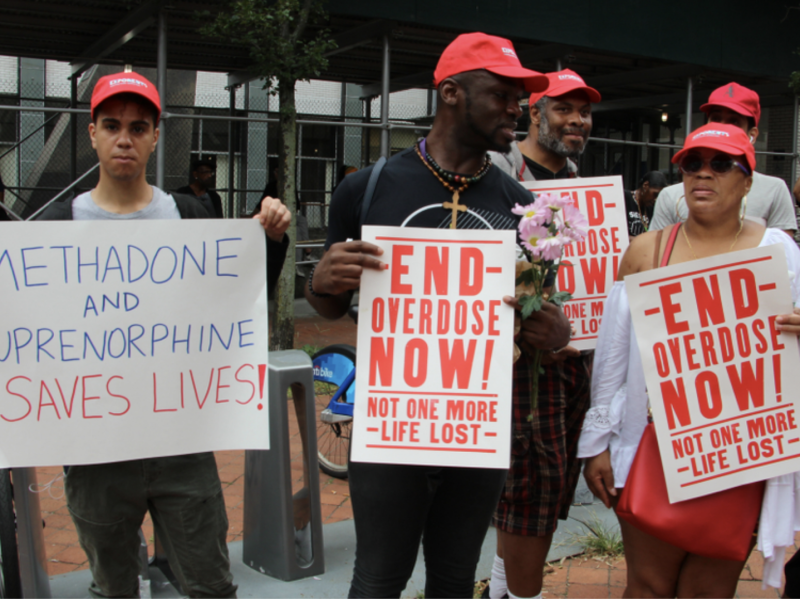
Expert Calls for Harm Reduction, Not Punishment, to Resolve Our Overdose Crisis
As the Trump administration pulls funding from harm reduction, an expert on the overdose crisis says it’s the best way to save lives.
