
LA fires: The psychic toll that will linger long after the flames
The fires sweeping through Los Angeles pose major mental health risks.


Tuesday, Jan. 14, 2025
By Don Sapatkin

Good Tuesday morning! In today’s Daily: The huge fires sweeping through Los Angeles pose big mental health risks, too. Singapore has a vision for mental health tourism. And have children’s mental health issues increased or has their resilience decreased?
Plus: More frequent social media use is linked to increased irritability in adults. And an introduction to depersonalization/derealization disorder (DDD).
But first: A robotic puppy designed to provide emotional support and mental health care was unveiled at the annual consumer electronics show in Las Vegas, UPI reports. The faux yellow Lab whines, coos and wags its tail, and senses and responds to different kinds of touch, as well as the name you give it – potentially helping people with cognitive impairment, autism, anxiety and PTSD.
In Los Angeles, surviving the fires is one thing. Mental health is another

Jyoti Mishra’s research has shown that in communities devastated by climate disasters like wildfires, symptoms of PTSD, anxiety and depression can afflict up to 40% of residents and linger for months. The University of California, San Diego, researcher explained how witnesses’ brains respond to climate disasters in an extended interview with Living on Earth, published by Inside Climate News.
Multiple cataclysmic fires have swept through entire sections of Los Angeles over the past week. At the time of this writing, the blazes have destroyed more than 12,000 structures, killed at least 25 people and forced the evacuations of more than 100,000. And that was before the National Weather Service warned that intensifying winds on Monday night could lead to “explosive fire growth.”
Uncertainty about losing a home – or a neighborhood – can contribute to an increase in mental health problems among those who witness wildfires, experts told CNN. Wildfire smoke, which can travel hundreds of miles, has been linked with emergency department visits for anxiety disorders, especially among girls, women and older adults. I remembered that study last week, while poring over interactive maps showing smoke closing in on my elderly cousin’s West Hollywood apartment from 3-1/2 sides. (She stayed inside and is fine.)
It’s worth pointing out that while emotional distress is common during traumatic events, where people often lose a sense of control, experts say that most people are resilient and do not develop a mental health condition. Still, people with more exposure – those who lose a loved one, or whose homes are damaged or burned to the ground – are at higher risk. Some may develop PTSD; anxiety and depression may become worse among people who already have them. Exhausted firefighters who are face-to-face with the overpowering blazes and see block after block after block of destruction may be especially vulnerable.
“The loss of a home, the displacement you experience, the difficulty of rebuilding, living with the anxiety that this might happen to you again – all that combines to create, for many people, lasting psychological harm,” David P. Eisenman, a primary care physician and director of the UCLA Center for Public Health and Disasters, told the New York Times.
Children are often more resilient than adults, but they also can feel more helpless when a wildfire is in the area, Sabrina Renteria, a child and adolescent psychiatrist, told CNN. At the Cedars-Sinai emergency room where she works, more children come in when there are wildfires. But what’s happening now is on a whole other level.
“We absolutely anticipate that this will have a huge uptick in mental health issues with children,” she said.
Pioneering mental health tourism
In Jurong Lake Gardens in Singapore, a maze designed to cater to children with autism or ADHD glows in the evening. Unlike harsh spotlights, the soft illumination – coming from UV-absorbing minerals in the path itself – creates a calming, fairytale setting. At Sun Plaza Park, young visitors with ADHD can go from active play equipment to adjacent, shaded “relaxation zones,” featuring plants including ylang-ylang, selected for their reputed calming effects.
Singapore is pioneering mental health tourism, National Geographic reports, with 16 therapeutic gardens that aim to soothe neuro-diverse visitors. Their wheelchair-accessible paths wind through dense arrangements of carefully chosen plants – variously fragrant, medicinal, edible, vibrantly colored, or intricately textured – intended to stimulate all five senses.
By the end of the decade, the parks board says that the tiny nation aims to have a total of 30 free gardens. Elsewhere, the city tourism board has announced plans to open a major new wellness attraction linked to therapeutic art, or flotation, or light therapies, and is calling for proposals “that can positively impact physical, emotional, or mental wellness.”
Plenty of research has found that spending time in parks and nature generally is good for your mental health, especially for reducing symptoms of anxiety and depression, but studies of therapeutic gardens are limited. The parks board says unique features like the light mazes, confidence-building lookouts, memory-triggering signage, immune-boosting horticulture zones, and a wheelchair obstacle course were influenced by neuroscientists and psychologists who published research involving 92 visitors to HortPark, the city-state’s first therapeutic garden.
To improve children’s mental well-being, focus on resilience

Some experts in child psychology are raising a provocative question, according to the BBC: Is there really a mental health crisis, or are young people simply not resilient enough? In other words, have they lost the ability to withstand or recover quickly from day-to-day difficulties that generations before them managed to get through without falling apart?
Andrea Danese, a childhood trauma expert and general secretary of the European Society of Child and Adolescent Psychiatry, believes that greater awareness of mental health has generally been positive. But he said he’s concerned that it may also have “inadvertently contributed to over-pathologizing distress in young people.” Translation: It could help explain some of the uptick in diagnoses, at least in the U.K., where the story was reported.
The story notes research suggesting that greater resilience improves young people’s life satisfaction, and acts as a buffer against mental health problems. Two particular studies involving teens found those with higher levels of resilience were better at developing their own coping strategies when dealing with stress, including seeking support and advice from others. They also were less likely to dwell on negative emotions or turn to drugs, alcohol or smoking.
While citing lack of resilience as a cause of the current crisis might be highly controversial, many – although not all – experts would likely agree that building resilience in young people could be part of a solution.
In other news…
Have you heard of depersonalization/derealization disorder? DDD, the New York Times explains, is a mental health condition that causes people to feel disconnected from themselves, their feelings, and their surroundings. Often associated with a history of emotional abuse or neglect, DDD symptoms can be triggered by anxiety, depression, major life stressors, and drugs like cannabis and LSD. It’s thought to occur in 1% to 2% of the population, with episodes lasting hours, weeks, or even years, although anyone can experience fleeting symptoms. DDD is hard to diagnose – but treatable with talk therapy and medication. “I felt like I was viewing the world through a pane of dirty glass,” said one woman with the diagnosis.
More frequent social media use was linked to greater irritability in adults, according to a study with more than 42,000 U.S. participants. Researchers compared four levels of social media use – none, use of at least one platform once a day, multiple times, and most of the day – against irritability scores on a standard survey. The findings, in JAMA Network Open, in short: More frequent use of social media was associated with higher irritability scores – even after controlling for anxiety and depression. Political affiliation didn’t matter. Among the most active users, irritability increased twice as much for TikTok and Facebook compared with Twitter and Instagram, although all were linked to significant rises.
Care for both physical and mental illnesses will be fully combined at a planned children’s hospital in Cambridge, England, the Financial Times reports. The hospital will be the first of its kind in Europe and one of the first in the world, with goals that include reducing stigma and speeding up diagnoses and treatment. Research shows that children with chronic health conditions are more likely to develop mental health disorders (and vice-versa), and yet inpatient facilities in both the U.K and the U.S. focus on one or the other, forcing psychiatric hospital patients, for example, of all ages, to travel to a general hospital for treatment of a serious medical condition.
Injectable ketamine is now available via mail-order from Mindbloom, a company that has long offered a sublingual version for use at home. A pilot program over the past year found that clients who tried both sublingual and injectable dosing preferred the latter, a company executive told The Microdose newsletter. The rules will be the same: A prescribing physician must determine in a telehealth visit that the patient is a good candidate for ketamine therapy. Clients must have an adult at home who serves as a “peer treatment monitor” and can communicate with a Mindbloom representative if necessary. While it is approved by the FDA only for anesthesia, research suggests ketamine can help people with mental health issues. While some clinicians believe treatment at home may be cheaper and more convenient than clinic visits, others have raised concerns that at-home treatment doesn’t provide adequate oversight, and could lead to addiction or overdose.
If you or someone you know is in crisis or experiencing suicidal thoughts, call or text 988 to reach the 988 Suicide & Crisis Lifeline and connect in English or Spanish. If you’re a veteran press 1. If you’re deaf or hard of hearing dial 711, then 988. Services are free and available 24/7.
Recent MindSite News Stories
Callers Are Giving Up On Texas’ 988 Suicide Hotline As It Grapples with a $7 Million Deficit
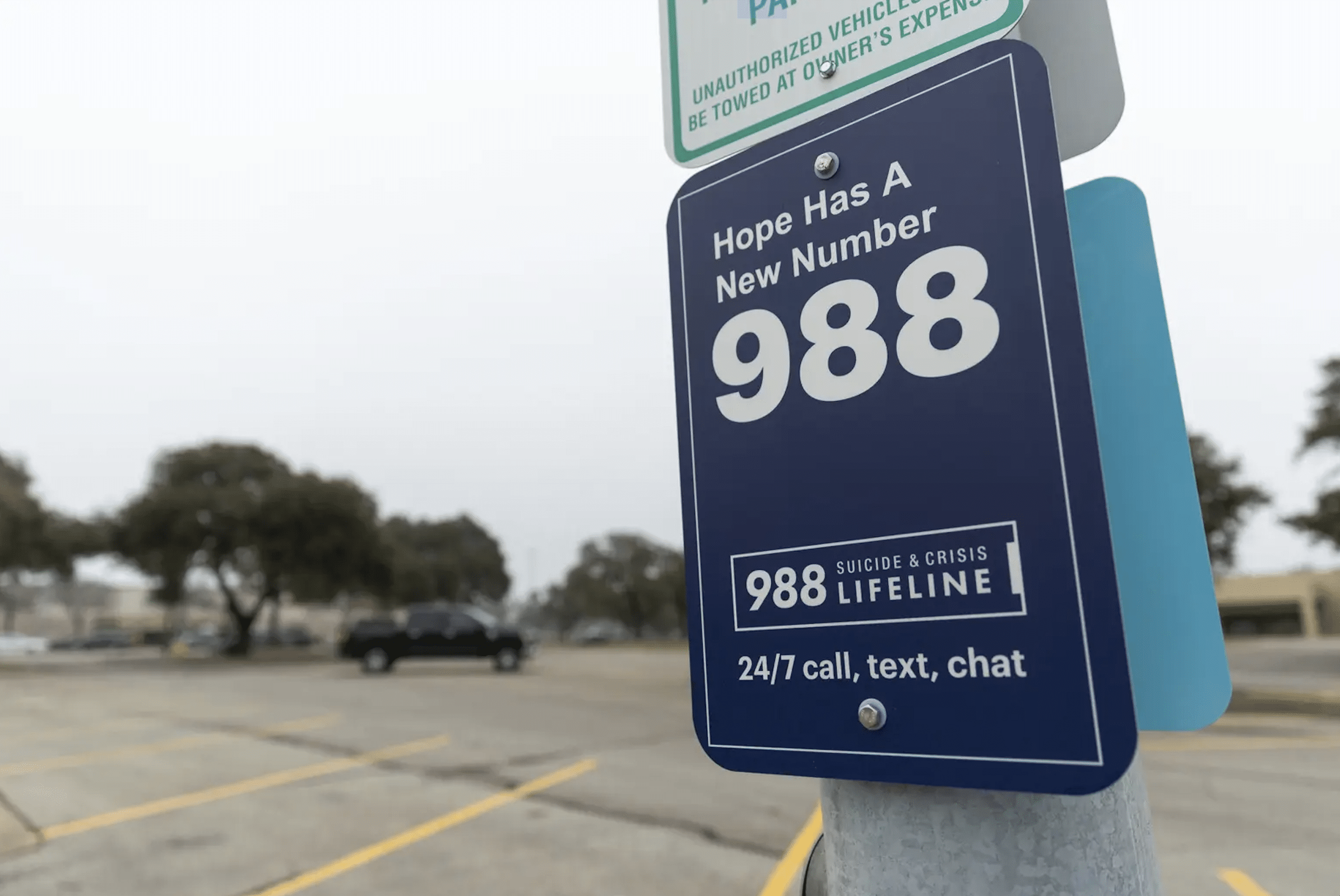
Thousands of Texans are abandoning the state’s suicide hotline mid-call as call centers struggle under a $7 million funding deficit and a growing suicide rate.
Long-Acting Injection Helps Heal ‘Beautiful Mind’ of Husband with Schizophrenia

A long-acting monthly injection and counseling have helped heal problems linked to a beloved husband’s schizophrenia..
Forgotten Children: The Unseen Victims of Gun Violence Are the Children Left Behind

Parental death has been rising in the U.S. due to COVID-19, the overdose epidemic and gun violence. In this first part of Forgotten Children, we look at efforts to help children grieving from the loss of parents to gun violence.
If you’re not subscribed to MindSite News Daily, click here to sign up.
Support our mission to report on the workings and failings of the
mental health system in America and create a sense of national urgency to transform it.
For more frequent updates, follow us on Facebook, Twitter and Instagram:

The name “MindSite News” is used with the express permission of Mindsight Institute, an educational organization offering online learning and in-person workshops in the field of mental health and wellbeing. MindSite News and Mindsight Institute are separate, unaffiliated entities that are aligned in making science accessible and promoting mental health globally.
Copyright © 2021 MindSite News, All rights reserved.
You are receiving this email because you signed up at our website. Thank you for reading MindSite News.
mindsitenews.org

The name “MindSite News” is used with the express permission of Mindsight Institute, an educational organization offering online learning and in-person workshops in the field of mental health and wellbeing. MindSite News and Mindsight Institute are separate, unaffiliated entities that are aligned in making science accessible and promoting mental health globally.


Author

Related Articles
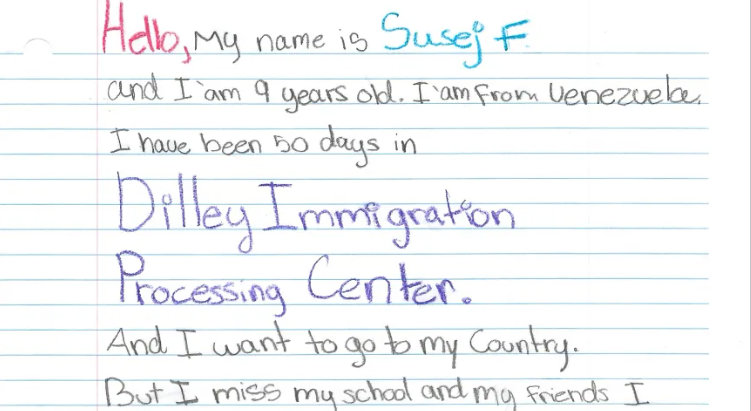
Health Organizations Condemn Traumatic ICE Raids, Family Separation
According to letters from children living in an ICE detention facility, living conditions are inhumane and their mental health is suffering.

In Teens, Social Anxiety Often Looks Like Anger
A study finds that some teens’ aggressive behavior may be due to social anxiety, not straightforward reactivity.
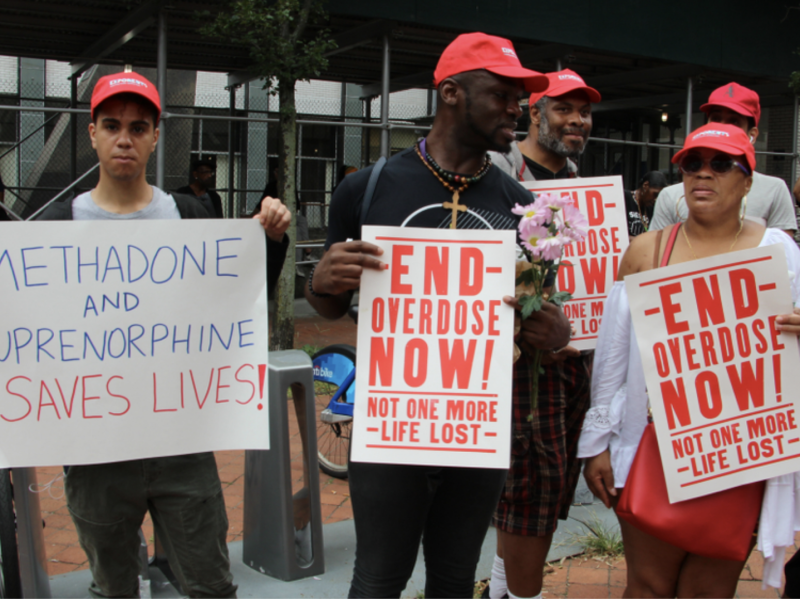
Expert Calls for Harm Reduction, Not Punishment, to Resolve Our Overdose Crisis
As the Trump administration pulls funding from harm reduction, an expert on the overdose crisis says it’s the best way to save lives.
