
How Climate Change Anxiety Undermines Youth Well-Being
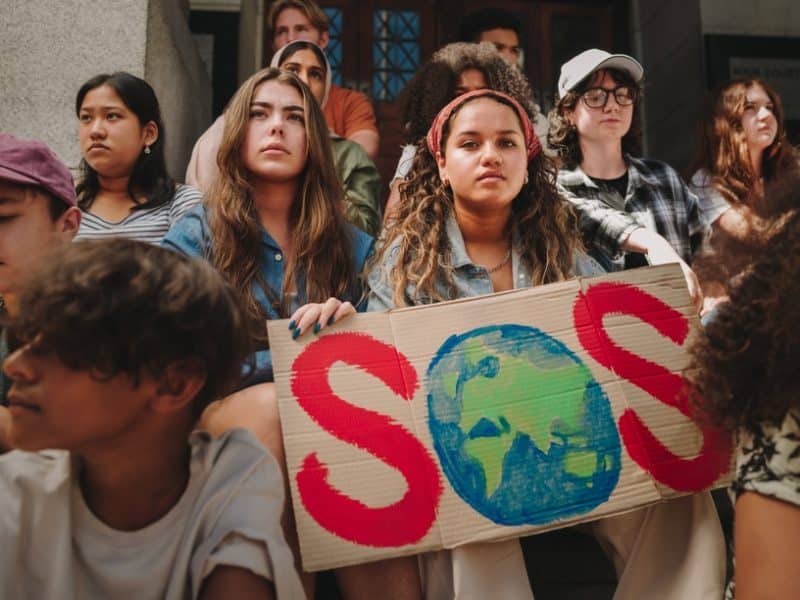
Nearly 90% of youth polled list the environment as a top concern, and recent wildfires have likely added to that.

January 16, 2025
By Courtney Wise

Greetings, MindSite News Readers. In today’s Daily, we adults, struggling to accept the reality of climate change, need look no further than our nation’s youth for motivation: Their mental health depends on it. State leaders in Oklahoma face a growing proportion of youth surrendered to the state for mental or developmental issues.
Plus, a mother-daughter mental health memoir, a program using targeter therapy to prevent gun violence and pet care for those recovering from substance issues.
Anxiety about climate change threatens youth well-being
Climate change is a serious concern for young people, and adults’ slow-to-negligible action on the issue is threatening youth mental health. “When asked about their outlook for the future, the first words they will use are helpless, powerless, hopeless,” said Rammy Assaf, a pediatric emergency physician at Children’s Hospital of Orange County in California. “These are very strong emotions.”
Based on open-ended questions he asked adolescents aged 12 to 17, Assaf told KFF Health News that, by and large, youth have little confidence in their adults or our government to make important changes quickly enough. An earlier written survey that was broader, with more than 800 participants, included questions on whether youth believe climate change will be solved in their lifetimes; how they feel when they read about extreme climate events; what they think about the future of the planet; and with whom they are able to discuss their concerns.
“Older adults didn’t grow up being as aware of climate change or thinking about it very much, so there’s still a barrier to get over to accept it’s a real thing,” said Susan Clayton, a psychologist and co-creator of the adult climate change survey that Assaf adapted for younger people. For youth, on the other hand, climate change is very real. “Knowing you have the bulk of your life ahead of you gives you a very different view of what your life will be like,” Clayton said.
Results of a 2022 Harris Poll of 1,500 US teens found that 89% regularly think about the environment, “with the majority feeling more worried than hopeful.” Sixty-nine percent reported fears that their families would be affected by climate change in the near future. And most – 82% – said they plan to make major life decisions, like where to live or whether to have their children, based on the health of the environment.
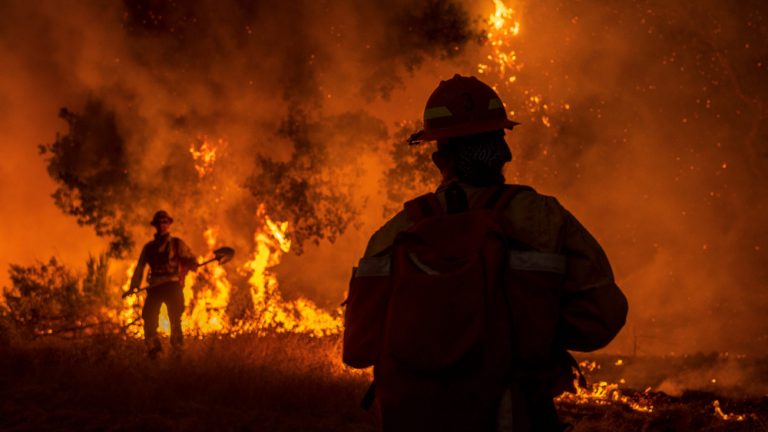
Wildfires in particular, worry 14-year-old Abby Rafeek, who lives in Gardena, California, a suburb of Los Angeles. “That’s closer to where I live, so it’s a bigger problem for me personally, and it also causes a lot of damage to the surrounding areas,” said Rafeek. “And also, the air gets messed up.” She’s dissatisfied with the relative lack of attention being given to the issue. “I think if we figure out how to live on Mars and explore the deep sea, we could definitely figure out how to live here in a healthy environment.”
In the meantime, experts say there are things parents can do to effectively support youth weighed down by climate anxiety. Louise Chawla, professor emerita in the environmental design program at the University of Colorado-Boulder, says that the most important thing parents can do is to provide a safe space for kids’ feelings, and to listen to whatever they share. To help children feel less stressed, she encourages families to take action to care for the environment independently. That might look like choosing to walk, bike, or recycle. They could even join environmental and civic organizations together – a number of them offer activities for children and their parents.
Vickie Mays, a psychology professor at UCLA, feels that environmental concerns could present an opportunity for children who feel strongly. “Understand that often a challenge, a stress, a worry can be turned into advocacy, activism, or a reach for new knowledge to change the situation.”
In Oklahoma, growing numbers of mentally ill children are being relinquished to the state
Youth are struggling with their mental health worldwide, and Oklahoma’s are no exception. As they try to navigate anxiety, depression, suicidal thoughts, and a lack of coping skills, some also have to contend with abandonment by their parents. In the last few years, according to Craig Henderson, director of counseling services at Youth Services of Tulsa, more youth with high care needs have needed to be taken in at their shelter. Speaking to The Frontier, he said, “The last thing we want is kids, who have parents, to get thrown in the system.”
Youth advocates say some parents, overwhelmed themselves, may refuse to retrieve their children from emergency rooms, psychiatric hospitals, or detention centers. They assert it’s for the safety of other children or themselves. “We’ll do anything we can to keep the family intact and get the services in place to keep everyone safe,” said Tricia Howell, the state’s child welfare director. “Sometimes it works. And sometimes the family feels like they can’t do it and can’t put enough things in place to feel like all their kids will be safe.”
A 2023 report found that a number of the children abandoned have behavioral challenges and developmental disabilities. The outcomes for such youth are dire: Children who enter foster care via abandonment, who also have mental illness or other disabilities, are more likely to age out of the system without a permanent family. This puts them at increased risk of homelessness, substance use, and encounters with the criminal justice system.
“They just keep cycling,” said Tulsa County Assistant District Attorney Kim Jantz. She monitors youth cases as they transfer from shelters to group homes to treatment facilities. The lack of stability and reliable care makes kids angry and depressed, causing behavioral problems, she said. “They never really get to the point where they can self-regulate to where they can go to a traditional placement. And I don’t blame a lot of these kids. They feel abandoned.”
As the issue becomes more prevalent, state legislators and agency officials have worked to invest in their care. Lawmakers allocated $18.5 million for youth crisis mental health services last year, and Oklahoma Children’s Hospital is adding a children’s behavioral health center. Further, the Oklahoma Health Care Authority is partnering with foster care workers in an effort to coordinate foster youth care, and streamline resources for children with complex cases. And in parallel with efforts from the Office of Juvenile Affairs to expand Functional Family Therapy, an intensive, full-family therapy program for at-risk kids, the Department of Human Services has created programs to place youth with high needs with experienced foster parents.
In other news…
No Filters: A Mother and Teenage Daughter Love Story, a new memoir from writer Christie Watson and her daughter, Rowan Egberongbe, publishes today. Excerpted in The Guardian the book features both authors recalling the same moments, in near parallel, from independent perspectives. A review in the Times describes Watson’s recollections as “a masterclass in humor and hanging in there through tough times.”
Aiming to reduce gun violence, Syracuse Safer Streets is piloting new ways to get the city’s 55 potentially most violent young men into therapy. At the top of the list is making sure they can attend, by providing transportation and child care to the men who need it, as Syracuse.com reports. Program directors said that the therapy element had been one of the hardest to implement, though they expect to welcome 15 men into therapy this year, up from 9 last year.
Serenity Kennel: After suffering with substance misuse for years, Evan Jandl and Frank Schmidt credit the success of their recovery, in large part, to the people who boarded their dogs while they were away. “I wouldn’t have gone to treatment had I not had somebody I trusted that was able to take them,” Jandl said. “Being able to focus on my recovery, and not worry about my dogs, changed my life.” Now the pair, who met in recovery, want to help others in the same way by opening Serenity Kennel – a free or low-cost care option for those seeking treatment. The MinnPost spoke to Jandl and Schmidt about their plan, the dogs that inspired them, and how the public can help.
An update from our readers: We always appreciate mail from our readers, and we were pleased to hear from Sue Holden of Minnesota, who wrote to report that Minnesota has had its own farmer support line for many years.; the Minnesota Department of Agriculture also offers resources in English, Hmong, Somali and Spanish to help cope with farm and rural stress. We suspect a number of other states have their own farmer help lines as well. The AgriStress Helpline mentioned in yesterday’s newsletter is an additional crisis line for agricultural communities available in English, Spanish and Vietnamese.
If you or someone you know is in crisis or experiencing suicidal thoughts, call or text 988 to reach the 988 Suicide & Crisis Lifeline and connect in English or Spanish. If you’re a veteran press 1. If you’re deaf or hard of hearing dial 711, then 988. Services are free and available 24/7.
Recent MindSite News Stories
Thousands of Callers Are Giving Up On Calls to Texas’ 988 Suicide Hotline As It Grapples with a $7 Million Deficit
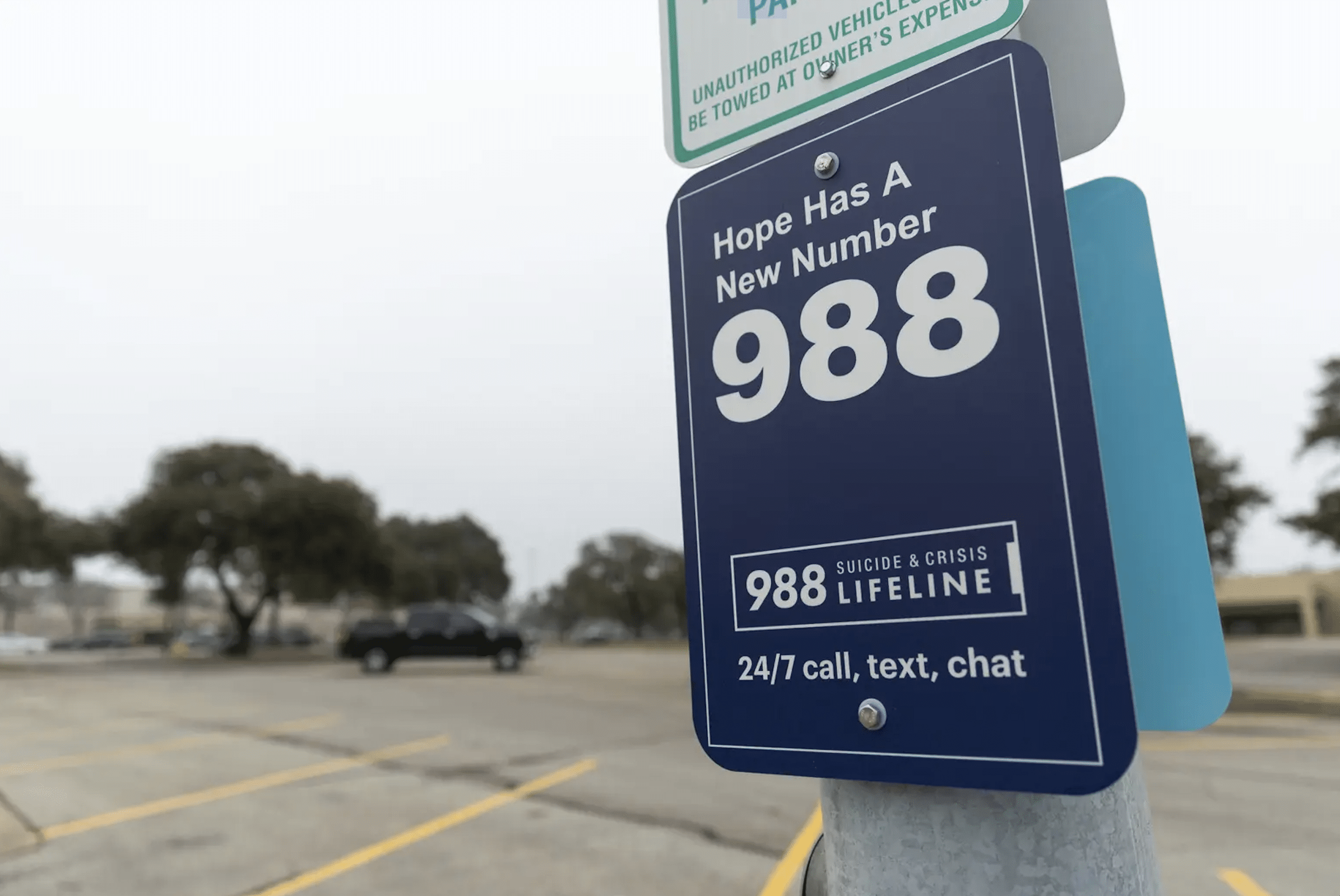
Thousands of Texans are abandoning the state’s suicide hotline mid-call as call centers struggle under a $7 million funding deficit and a growing suicide rate. Continue reading…
Long-Acting Injection Helps Heal ‘Beautiful Mind’ of Husband with Schizophrenia
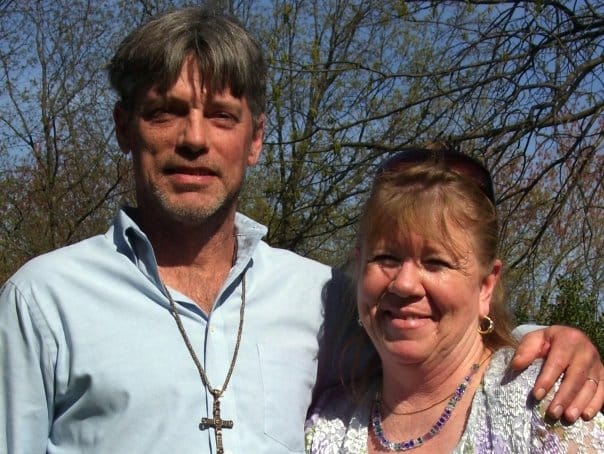
A long-acting monthly injection and counseling have helped heal problems linked to a beloved husband’s schizophrenia.. Continue reading…
Forgotten Children: The Unseen Victims of Gun Violence Are the Children Left Behind

Parental death has been rising in the U.S. due to COVID-19, the overdose epidemic and gun violence. In this first part of Forgotten Children, we look at efforts to help children grieving from the loss of parents to gun violence.
If you’re not subscribed to MindSite News Daily, click here to sign up.
Support our mission to report on the workings and failings of the
mental health system in America and create a sense of national urgency to transform it.
For more frequent updates, follow us on Facebook, Twitter and Instagram:

The name “MindSite News” is used with the express permission of Mindsight Institute, an educational organization offering online learning and in-person workshops in the field of mental health and wellbeing. MindSite News and Mindsight Institute are separate, unaffiliated entities that are aligned in making science accessible and promoting mental health globally.
Copyright © 2021 MindSite News, All rights reserved.
You are receiving this email because you signed up at our website. Thank you for reading MindSite News.
mindsitenews.org

The name “MindSite News” is used with the express permission of Mindsight Institute, an educational organization offering online learning and in-person workshops in the field of mental health and wellbeing. MindSite News and Mindsight Institute are separate, unaffiliated entities that are aligned in making science accessible and promoting mental health globally.


Author

Related Articles

Generation Cancer: Millennials Struggle With Death at an Early Age
More young adults are being diagnosed with cancer. Even for those who survive, the experience can be destabilizing and isolating.

Millennials Weigh Having Children On Their Own Terms
Not having children is also a valid path, and one that everyone should consider, Merle Bombardieri argues in her 1981 book.

Waiting for Word on Relatives Under Attack in Iran
Iranians in the US are caught between two “unrepentant regimes,” says Iranian-American writer and professor Shervin Malekzadeh.
