
Did This Mom Really Have Early-Onset Alzheimer’s?
The family grieved over the diagnosis of early dementia. But what if it was wrong?


January 30, 2025
By Courtney Wise

Greetings, MindSite News Readers. In today’s Daily, a son’s lament over his mother’s struggle with early-onset Alzheimer’s — or was it something else? Also in this edition, New York City officially launches is first guaranteed-income progam for unhoused mothers.
Plus, a Detroit high school student writes of his appreciation for a teacher whose genuine concern and guidance made all the difference after an unexpected illness obliterated his academic focus and mental health. Female firefighers are more likely to experience miscarriage and prematue delivery. And the exhaustng job of full-time caregivers, many of whom need full-time paid jobs just to make ends meet.
It looked like this mom of 3 had early-onset Alzheimer’s. But did she?

Nearly three years ago, at age 61, the mother of writer Sean Fischer was diagnosed with early-onset Alzheimer’s disease. The announcement was a devastating blow to their entire family, he wrote in the Free Press, despite a decade-old diagnosis pointing to a different problem in his mom’s brain.
It all began in 2001, when Fischer’s mother was just 40 years old. On a drive home, she experienced a sudden onset of nausea, vomiting, and debilitating headaches, prompting her to make a panicked call home. This was followed by a loss of hearing in one ear, which led to a diagnosis of Ménière’s disease, a disorder of the inner ear. Though quite young at the time, Fischer noticed his mother’s ability to adapt successfully to her new circumstances, declaring that she never missed a beat raising her three boys, diligently shepherding them to school, sports competitions, musical theater performances, and every required appointment in between.
But in 2015, her symptoms changed. While his mom’s intellect remained as strong as ever, Fischer wrote, it was clear something was affecting her cognition. Tasks that had been easy for her, like following recipes, began to require far more effort, and she had started to repeat herself. “‘You already asked me that’ had become a common refrain in the house I grew up in, but at first, we blamed her,” Fischer admitted, “telling her she needed to pay more attention.” His mother was also plagued by fatigue, unable to stay up past 8 p.m. most nights.
Some time after the Ménière’s problem, Fischer’s mother had been diagnosed with a Chiari malformation. The condition describes a structural defect in which brain tissue extends into the spinal canal through the base of the skull. At that time, the neurologists who diagnosed the malformation told her it was likely caused by a leak of cerebrospinal fluid. The leak had lowered the pressure in her brain, meaning the brain itself had sunk. Stopping the leak might restore pressure and ease her challenges. But doctors said that they couldn’t find the source of the leak, and therefore could not treat it.
A decade later, she and her family were devastated by yet another diagnosis – Alzheimer’s – which snatched away all hope of recovery. Fortunately, and ironically, his parents decided to reject one proposed treatment to slow the progression of the suspected Alzheimer’s, and then his mother was found too weak to physically survive treatment in the clinical trial they’d been holding out for. That gap left time for neurologists to reach out with a possible lifeline: They thought that medical technology had innovated enough for them to possibly find the brain leak, which might allow her to take part in the trial. And find it, they did.
Sealing the leak brought an end to 20 years of suffering, ending not just her headaches and dizziness, but also the symptoms that had been attributed to Alzheimer’s. Fischer got his mom back, like she’d never left, in just six weeks. And just like that, the family’s lament turned to joy.
Debilitating migraines derailed one teen’s mental health. Then a caring teacher stepped in.
High school junior Bryan Campbell attends Cass Tech, a well-regarded magnet school in Detroit. Meeting the school’s high expectations, the teen had a reputation among his teachers for consistently showing up to deliver his best work. So when his class attendance and academic performance began to suffer last school year, those teachers took notice. The change followed the sudden occurrence of chronic migraines. The pain was so great Campbell could not function, and even between attacks, the fear of anticipating the next one took a toll on his mental health.
“Not knowing when the next migraine would hit and leave me unable to function again held me back from achieving the things I desired,” Campbell wrote in a column for Chalkbeat Detroit. “My once bright outlook dimmed. My A’s in school turned into D’s, and every interest I once had seemed to fade away.” He felt unsupported by his teachers, writing that their comments about his behavioral changes often felt accusatory rather than helpful.
Fortunately, one teacher took a genuine interest in why his behavior had shifted so drastically, and Campbell felt he could open up to her. Mrs. Cunningham, his chemistry teacher, connected him to mental health resources, put him in touch with peers who experienced similar challenges, and helped him write a plan to get back on track. She suggested he document his illness, getting it on record with the relevant administrators. “What Mrs. Cunningham saw in me was the dormant urge to grow, simply waiting to be reignited,” Campbell wrote. “In retrospect, I see that I always had the ability to thrive. In Mrs. Cunningham’s words, ‘All you were missing was acceptance and support.’”
In other news…
Journalist Kat McGowan is amplifying the experiences and needs of the nation’s 53 million caregivers. On top of full-time caregiving and time spent navigating disjointed medical and insurance systems, many of them need full-time paid jobs just to make ends meet. Last fall, in an in-depth piece for NPR, McGowan wrote on the challenges caregivers face, and the importance of building community in the absence of support programs. This week, withDawn Shedrick, a social worker and caregiver featured in the fall story, she spoke with Weekend Edition about the impact caregiving is having on millions of Americans’ mental health. It’s a 7-minute listen.
New York City launched its first guaranteed-income program for unhoused mothers: The program will provide funds to 161 pregnant women who are homeless, at risk of homelessness, or experiencing domestic violence, Healthbeat reported. Funded by $1.5 million in city funds, eligible moms will receive $2,500 before giving birth, $1,000 per month for 15 months, and $500 per month for the following 21 months. Michigan pediatrician Mona Hanna, best known for her research exposing the Water Crisis in Flint, previously started a similar program there.
“We haven’t been able to tackle a kind of root-cause pathogen, which is poverty,” Hanna said. “We increasingly know the science of what happens when you are born into, and grow up, in poverty. When it’s early, when it’s chronic and when it’s concentrated — when your neighbors are poor — it is a pathogen. It alters your entire life trajectory, especially in that prenatal, early childhood window.”
New study finds that female firefighters have a higher risk of premature delivery. This is in part due to lower levels of anti-müllerian hormone (AMH).The hormone is a clinical measure of ovarian reserve, indicating the ovary’s capacity to produce viable egg cells, our own Don Sapatkin reports for Managed HealthCare Executive. Within its sample of 250, the study also found that female firefighters had a higher risk of miscarriage and of premature delivery.
As female firefighters are more likely to experience symptoms of PTSD and depression than their male counterparts, researchers were interested in learning if those mental health conditions were associated with lower levels of AMH. They also examined levels in female firefighters with anxiety diagnoses.
After adjusting for age and body mass index, researchers found that women firefighters diagnosed with anxiety had 33% less AMH than those without it. In women with PTSD, AMH levels were found an average 66% lower. When women with both diagnosed with both conditions were removed from the sample, though, there was no longer a significant relationship for those diagnosed with anxiety. Women with self-reported depression also had lower levels of AMH, but the difference was negligible — except in women who reported having been pregnant. As expected in a study analyzing ovarian reserve, findings were most visible in women aged between 35 and 45.
If you or someone you know is in crisis or experiencing suicidal thoughts, call or text 988 to reach the 988 Suicide & Crisis Lifeline and connect in English or Spanish. If you’re a veteran press 1. If you’re deaf or hard of hearing dial 711, then 988. Services are free and available 24/7.
Recent MindSite News Stories
‘Bereavement Deserts’: Amid a Rise in Parental Deaths, Grief in Children Is Often Overlooked

‘My son needed something I couldn’t give.’ Surviving parents seek grief support for kids Continue reading…
Thousands of Callers Are Giving Up On Calls to Texas’ 988 Suicide Hotline As It Grapples with a $7 Million Deficit
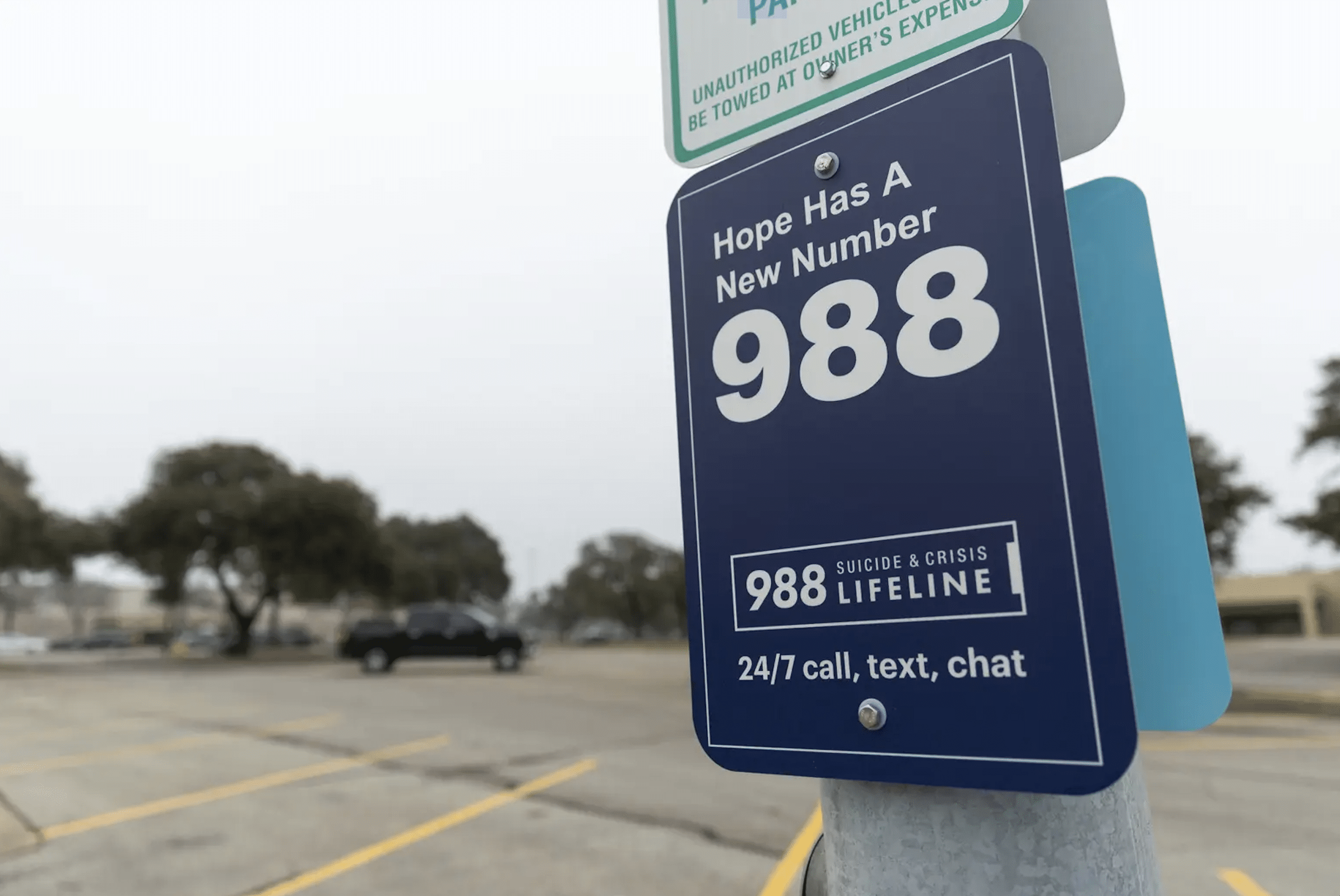
Thousands of Texans are abandoning the state’s suicide hotline mid-call as call centers struggle under a $7 million funding deficit and a growing suicide rate.
Long-Acting Injection Helps Heal ‘Beautiful Mind’ of Husband with Schizophrenia

A long-acting monthly injection and counseling have helped heal problems linked to a beloved husband’s schizophrenia..
If you’re not subscribed to MindSite News Daily, click here to sign up.
Support our mission to report on the workings and failings of the
mental health system in America and create a sense of national urgency to transform it.
For more frequent updates, follow us on Facebook, Twitter and Instagram:

The name “MindSite News” is used with the express permission of Mindsight Institute, an educational organization offering online learning and in-person workshops in the field of mental health and wellbeing. MindSite News and Mindsight Institute are separate, unaffiliated entities that are aligned in making science accessible and promoting mental health globally.
Copyright © 2021 MindSite News, All rights reserved.
You are receiving this email because you signed up at our website. Thank you for reading MindSite News.
mindsitenews.org

The name “MindSite News” is used with the express permission of Mindsight Institute, an educational organization offering online learning and in-person workshops in the field of mental health and wellbeing. MindSite News and Mindsight Institute are separate, unaffiliated entities that are aligned in making science accessible and promoting mental health globally.


Author

Related Articles
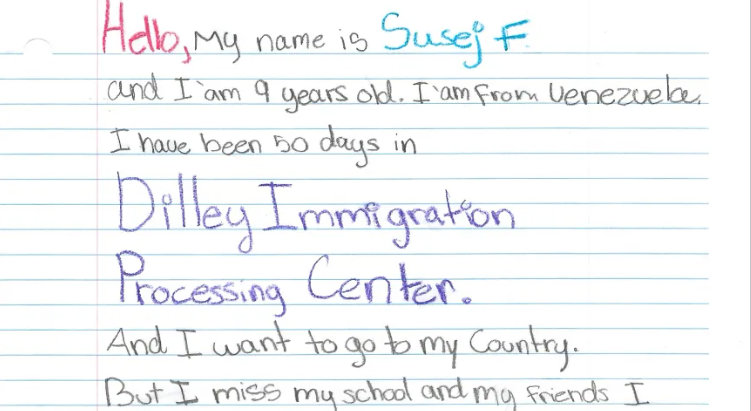
Health Organizations Condemn Traumatic ICE Raids, Family Separation
According to letters from children living in an ICE detention facility, living conditions are inhumane and their mental health is suffering.

In Teens, Social Anxiety Often Looks Like Anger
A study finds that some teens’ aggressive behavior may be due to social anxiety, not straightforward reactivity.

Expert Calls for Harm Reduction, Not Punishment, to Resolve Our Overdose Crisis
As the Trump administration pulls funding from harm reduction, an expert on the overdose crisis says it’s the best way to save lives.
