
Police, Use of Force, and the ‘Bad Kid’ Label Applied to Black Kids
Today, we release an exhaustive two-year investigation into use of force by police responding to mental health crises. Also: an alternative approach in Miami and “degreasing the school-to-prison pipeline.”

Friday, Jan. 31, 2025
By Josh McGhee
Welcome Back MindSiters, and congratulations on making it through the first month of 2025.
This month, we’ll be diving into the story, published today, that caps an exhaustive two-year investigative collaboration that I helped to lead with the students and faculty of the Medill Investigative Lab-Chicago.
Together, we obtained data from dozens of cities and examined how often police departments use force when responding to people experiencing mental health crises. Then we take a trip to Miami to shadow the alternate crisis responders at Freedom House.
Finally, we’ll speak with a California-based child psychiatrist who’s teaching an “anti-racist” approach to working with children because of her concern that Black kids are being overdiagnosed with a condition that labels them as “bad kids.”
Let’s get into it…
A multi-city look at police response to mental health crises
When I came to MindSite News in June 2022, one of my first assignments was to explore the transition of the National Suicide Prevention Lifeline from a 10-digit number to the easy-to-remember, three-digit 988.
I dug into what that meant here in Chicago and found major racial disparities in police response to mental health crises in Chicago. I showed that Black people were subjected to two-thirds of all incidents of force being used against a person in crisis. The report was awarded a Peter Lisagor Award for best local reporting on crime and justice.
This work left me with another question: Was Chicago an outlier? Over the last two years, I’ve worked with journalism students at the Medill Investigative Lab-Chicago at Northwestern University to find the answer. It also became the basis of my Rosalynn Carter mental health journalism fellowship exploring the ways mental health and criminal justice intersect to the detriment of Black and brown people in America.
Around here, that work has become known as the Fateful Encounters series, an ongoing collaboration now in its third year exploring police response to mental health crises, alternatives and solutions. This week, we present a comparison of data from 16 major cities across the country, which found Chicago is far from an outlier when it comes to how it responds to mental health crises, especially in Black communities.
For this project, we sent public record requests to the 100 biggest U.S. cities hoping to compare how police respond when they know they’re being called to respond to a person experiencing a mental health crisis.
We received data from about 30 cities, 16 of which provided sufficient data to allow us to match the 911 mental health calls to reported uses of force by police. Through it all, one thing was readily apparent: that Black Americans experiencing mental health difficulties are disproportionately on the receiving end of police batons and tasers. It’s a chilling reality.
You can read the full investigation here.

On call with the Dream Defenders
While today’s investigation highlights the racial disparities that occur when police respond to mental health calls, there’s a growing number of community organizations looking to provide care and support to people going through a crisis – without calling the police.
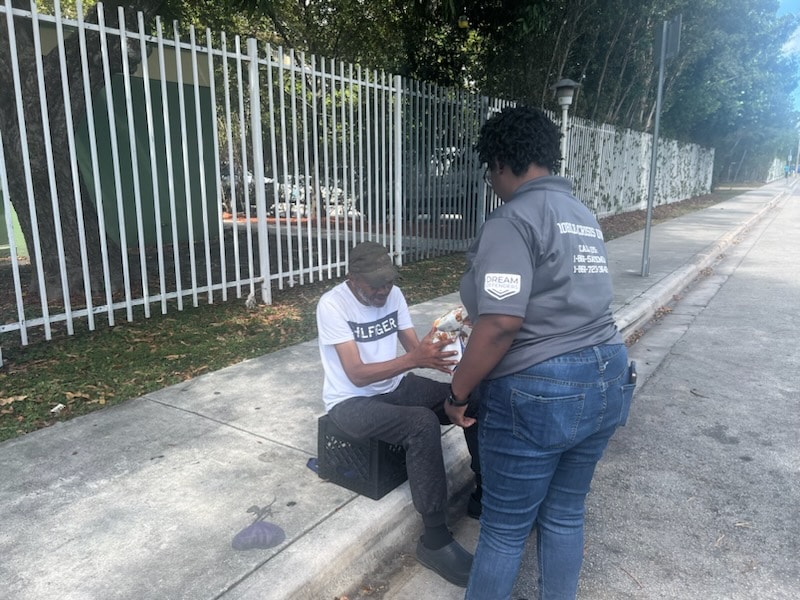
In Miami, the Freedom House Mobile Crisis Unit — named after a pioneering Black-led ambulance service in Pittsburgh — was launched as a pilot in 2022 and has since expanded. In 2023, the team responded to 116 people in crisis, referring them to counseling, transporting them to nearby hospitals and providing medical care. Of those helped, 83% were Black.
Their hope is to prevent tragedies like the one experienced by Donald Armstrong.
In March 2023, his mother called 911 for help with him during a mental health crisis after the death of his first child. When Miami police arrived he was tased and shot, while allegedly holding a screwdriver.
“I did nothing wrong. I didn’t resist, I just was out of my mind,” Armstrong told a television reporter after prosecutors dropped charges against him.
This summer, Glendalys Valdes spent a day with Freedom House mobile responders to see how they operate. Read her dispatch here.
‘Degreasing the school-to-prison pipeline’ for Black children
A California child psychiatrist is pushing for colleagues to take a new approach to oppositional defiant disorder, which she says is overdiagnosed in communities of color and “greases the school-to-prison pipeline,” Dr. Rupi Legha, a Los Angeles-based child and adolescent psychiatrist, told MindSite News.
Legha’s anti-racist approach, which was published in Pediatrics this month, lays out a three-step framework to better aid clients who’ve been diagnosed with ODD including connecting the disorder to the legacy of racism, diagnosing the racism involved and engaging in antiracist practices.
“To take an anti-racist approach to these mental health disorders and to healthcare more broadly, is to be deeply aware of the inequities that are shaping care, to understand and trace the historical arcs giving rise to them, and then to have very key strategies related to what you’re doing in the moment,” Legha told MindSite News.
Legha spoke to MindSite News about what she says is a call to action to protect children from misdiagnosis and systemic racism. Read the full conversation here.
Until next month,
Josh McGhee
If you or someone you know is in crisis or experiencing suicidal thoughts, call or text 988 to reach the 988 Suicide & Crisis Lifeline and connect in English or Spanish. If you’re a veteran press 1. If you’re deaf or hard of hearing dial 711, then 988. Services are free and available 24/7.
Recent MindSite News Stories
Miami Community Responders Work to Ease Mental Health Crises
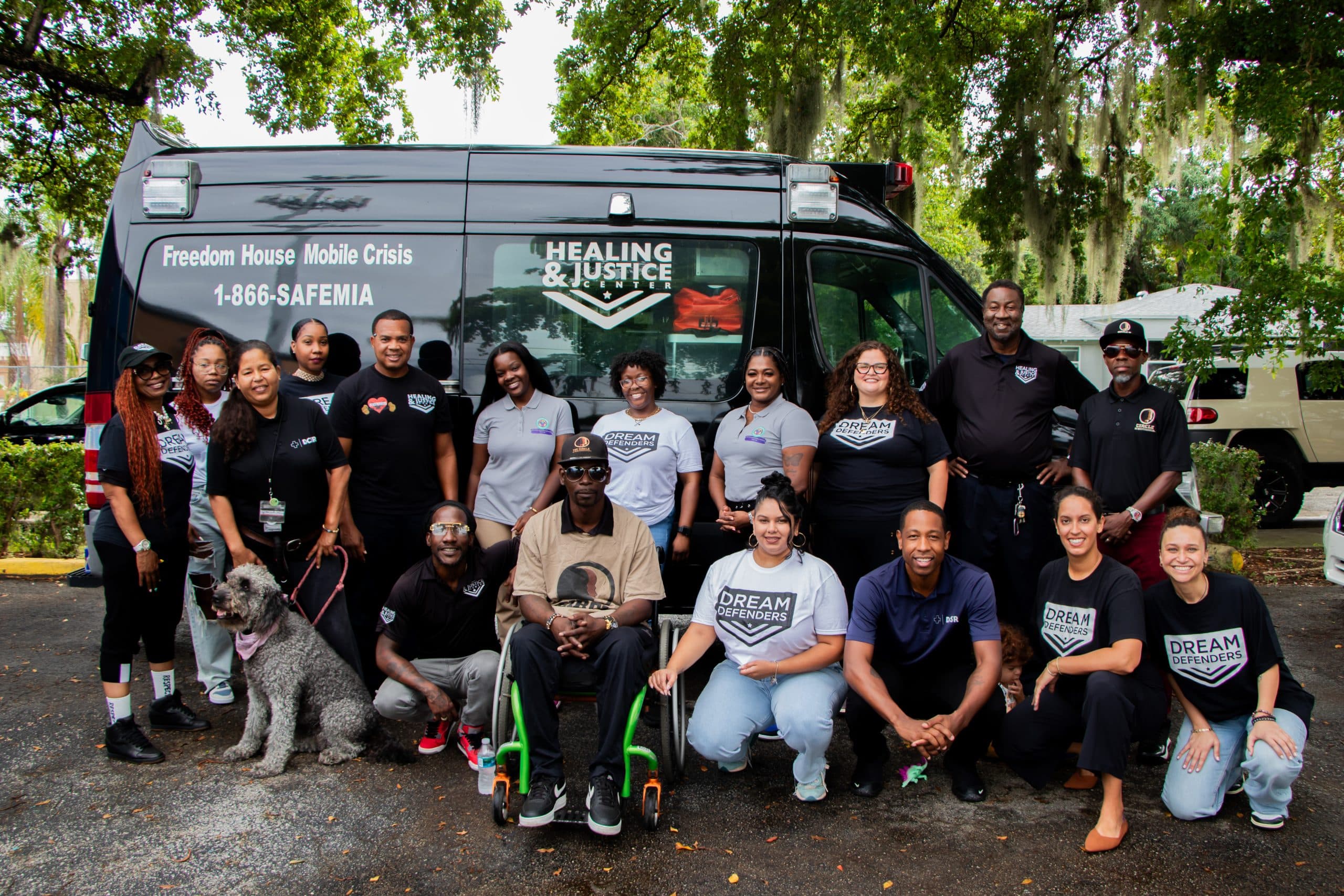
A three-year-old mobile team responds to the needs and crises of community members in Miami’s Liberty City as an alternative to police. We paid a visit.
Police Often Use Force on Black People in Response to 911 Mental Health Calls
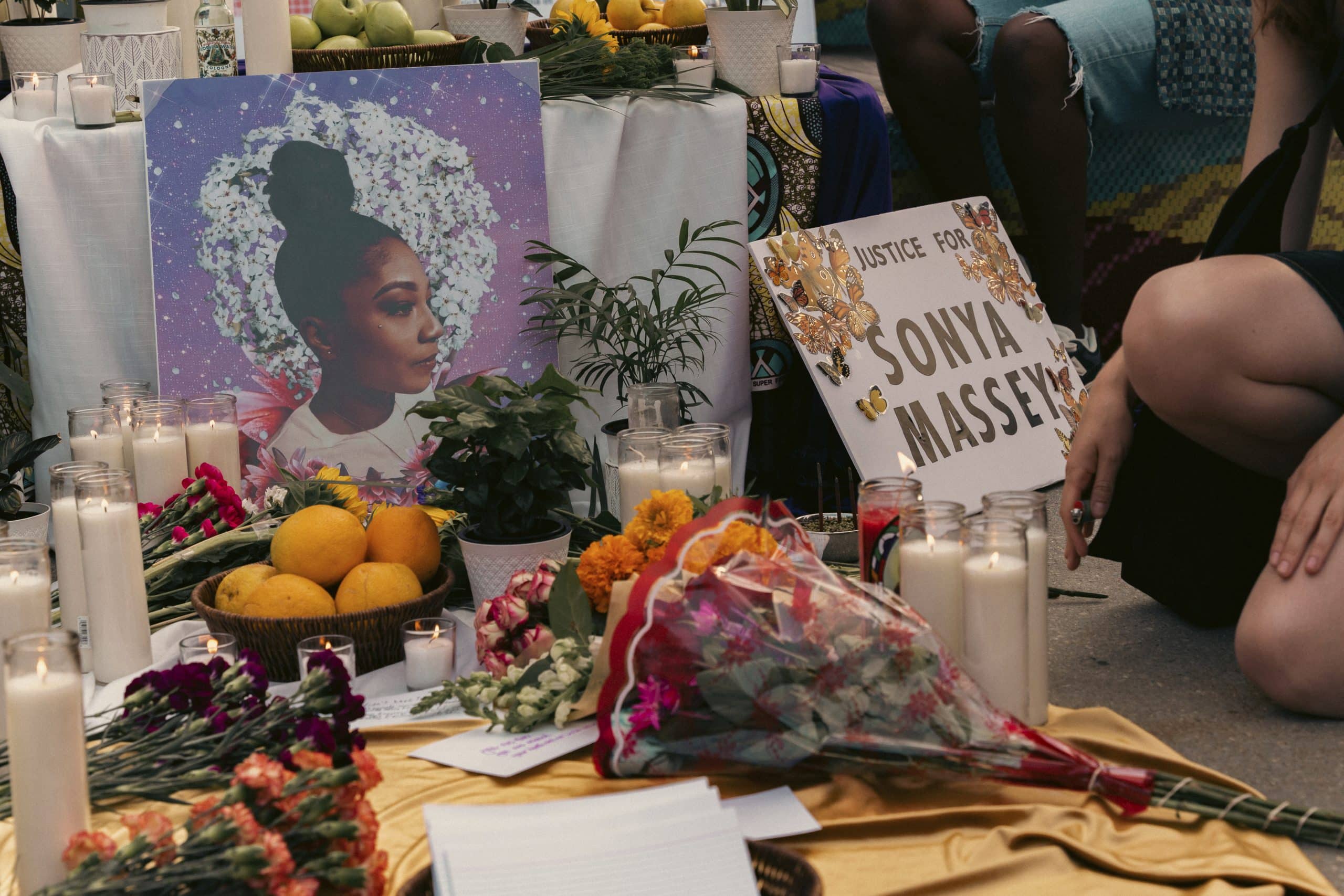
Reporters identified almost 5,000 incidents in which people experiencing mental health crises had non-fatal force used against them.
‘Bereavement Deserts’: Amid a Rise in Parental Deaths, Grief in Children Is Often Overlooked

‘My son needed something I couldn’t give.’ Surviving parents seek grief support for kids Adds to story to provide updated table below on top causes of childhood bereavement through 2023. Amanda Joyce Jensen will always remember the night she told […]
If you’re not subscribed to MindSite News Daily, click here to sign up.
Support our mission to report on the workings and failings of the
mental health system in America and create a sense of national urgency to transform it.
For more frequent updates, follow us on Facebook, Twitter and Instagram:

The name “MindSite News” is used with the express permission of Mindsight Institute, an educational organization offering online learning and in-person workshops in the field of mental health and wellbeing. MindSite News and Mindsight Institute are separate, unaffiliated entities that are aligned in making science accessible and promoting mental health globally.
Copyright © 2021 MindSite News, All rights reserved.
You are receiving this email because you signed up at our website. Thank you for reading MindSite News.
mindsitenews.org

The name “MindSite News” is used with the express permission of Mindsight Institute, an educational organization offering online learning and in-person workshops in the field of mental health and wellbeing. MindSite News and Mindsight Institute are separate, unaffiliated entities that are aligned in making science accessible and promoting mental health globally.


Author

Related Articles

The College Mental Health Crisis
Experts say more preventive care is needed to combat the growing mental health crisis affecting college students.
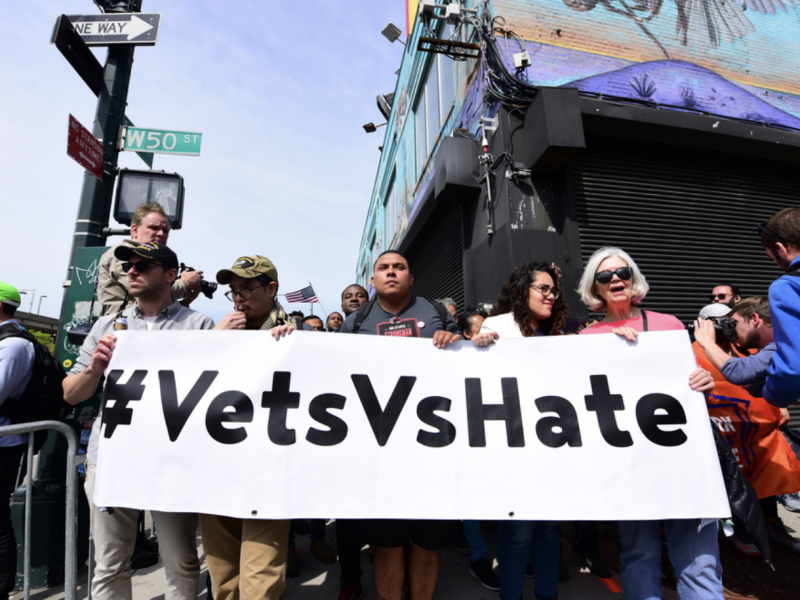
Trump Administration Breaks its Promises to Veterans with Mental Health Issues
Since Trump’s return to office, the strained staffing situation within the Department of Veterans Affairs is now “at a breaking point.”

College Employment Scams Undermine Students’ Mental Health
At UC Berkeley, students have lost thousands to employment scams. Victims said they now experience shame, fear, anxiety and depression.
