
New Book Exposes Fraud in Alzheimer’s Research
The failure of scientific institutions to stop research fraud has harmed efforts to develop treatments for Alzheimer’s disease and left an opening to discredit science and the scientific process.


Tuesday, Feb. 11, 2025
By Don Sapatkin

Good Tuesday morning! The failure of critical institutions to stop research fraud has set back the push to develop new treatments for Alzheimer’s. It’s also creating an opening for the Trump administration to discredit scientists and cut their funding and influence, advocates say.
In today’s Daily, we interview the investigative journalist who exposed deception in Alzheimer’s research. And we look at the impact of Trump funding cuts on mental health research. Plus: In Kansas City, drug court + mental health court = new wellness court. A new federal law mandates access to care for thousands of young people leaving incarceration. Researchers find a sharp drop in psychiatrists billing Medicare. And marijuana legalization in Canada is linked to a spike in schizophrenia diagnoses associated with cannabis use disorder.
But first: How to maximize your vacation’s mental health benefits, courtesy of Health.com.
Rampant fraud in Alzheimer’s research forces the question: Who’s minding the science?
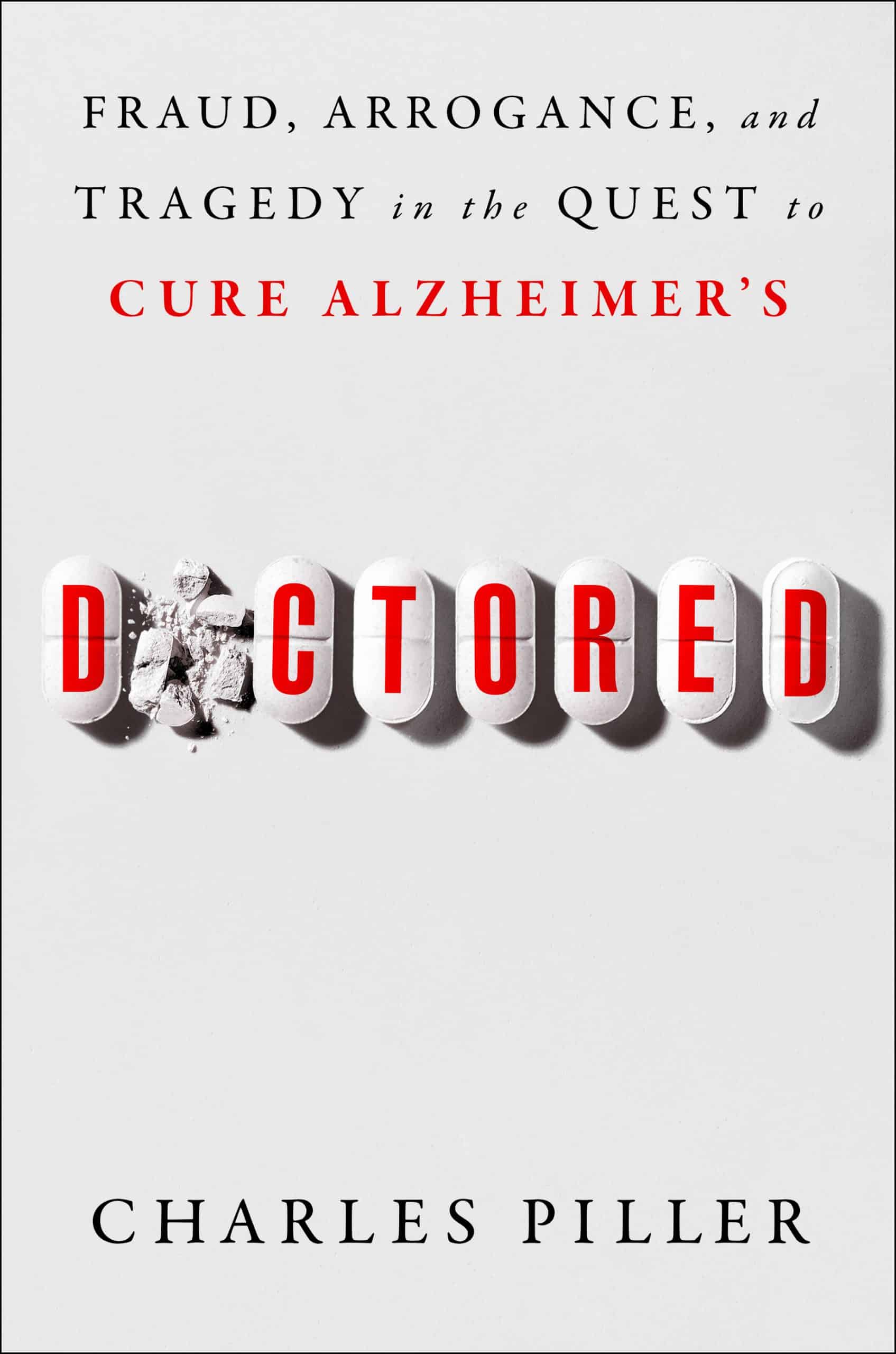
Perhaps you’ve heard of the amyloid hypothesis (or not). The theory, widely accepted for years, is that Alzheimer’s symptoms are driven by the accumulation of sticky deposits of a protein known as amyloid in the brains of people with the disease – and that getting rid of them could slow progression of the terrifying condition that afflicts 7 million Americans.
Huge amounts of federal and private investment have been devoted to developing drugs based on this hypothesis.
The need is clear: The number of people in the U.S. with Alzheimer’s is expected to double in the next 35 years. The collateral damage is huge, too: As many as half of people with Alzheimer’s also have depression, as are many of their exhausted caregivers.
Yet the benefits of all this research, much of it by top scientists at top universities, have remained elusive. Some people, it turns out, have plaques, but not Alzheimer’s. Others have Alzheimer’s, but not plaques. The two hugely expensive and somewhat risky medications approved based on the amyloid hypothesis produce such a tiny benefit that it is imperceptible to most patients. A third drug was withdrawn from the market.
Now it turns out that key studies supporting the amyloid hypothesis relied on doctored images. Yet therapies targeting amyloid are still the focus of most research spending on the disease. Charles Piller, an investigative science reporter and author of Doctored: Fraud, Arrogance, and Tragedy in the Quest to Cure Alzheimer’s, broke the story about how scientific fraud has driven funding. He has thought a lot about how profit, complacency, good intentions, and a system of medical publishing largely based on trust might have squandered billions of dollars in research funding.
“Sometimes even very unsuccessful drug development can make a person very rich,” Piller told MindSite News Founding Editor Rob Waters in a wide-ranging interview.
Trump cuts in health and mental health research provoke fear, anxiety and legal action
News that the Trump administration would reduce to 15% the amount that universities and institutions can add in overhead costs to scientific grants from the National Institutes of Health sent the research world into a tizzy – and pushed 22 Democratic state attorneys general into quick action. The policy was announced Friday and on Monday, a federal judge in Boston issued an order temporarily blocking the action.
The cut, if allowed to stand, would pose a “huge threat” to the future of mental health research, Joshua Gordon, the former head of the National Institute of Mental Health, told MindSite News on Monday. The direct costs of a research grant pay for researchers’ salaries, lab equipment and supplies while the indirect costs help institutions pay for lab space, heating and air conditioning, safety equipment, library and accounting services and data-sharing, Gordon said.
The steep funding cuts “would cripple the institutions that support that work,” Gordon said. The universities and research institutes “rely on those funds.”
The administration, as part of its rejection of efforts to increase racial and ethnic diversity in programs receiving federal support, had previously announced the elimination of other types of support for PhD students, technicians, researchers and young faculty members from marginalized backgrounds – including those who are working to become mental health researchers, clinicians or peer specialists.
“All these threats create fear in the minds of people who might pursue careers in mental health care or research, and who might have second thoughts now given the uncertainty these threats create,” Gordon said. Stay tuned to this space: MindSite News will continue to report closely on the impact of the Trump administration’s actions on mental health research, services and workers.
–Rob Waters
Wellness court: Kansas City’s approach for offenders with mental health and substance use disorders
Serious mental illness and substance use disorders often go hand in hand. They share risk factors such as genetics and childhood trauma. People who are anxious, depressed or in pain may use drugs to dull the discomfort. Some areas of the brain potentially affected by addiction are also disrupted by schizophrenia, anxiety, mood and impulse-control disorders.
Drug courts are one of the biggest success stories in the drug treatment world. They allow low-level criminal offenders to choose treatment – which they are then required to complete – instead of prison. There are thousands of drug courts nationwide, but fewer than 500 courts dedicated to mental health.
Kansas City, Mo. is merging these approaches, PBS NewsHour reports. Its new wellness court aims to merge the city’s separate mental health and drug courts, offering resources, treatment and a pathway out of the legal system for those who qualify, with a simultaneous goal of reducing recidivism. The new court is set up to filter individuals with co-occuring issues – a comprehensive approach that is still lacking in much of the treatment world.
The court assesses each person’s need for treatment upon entry. A team made up of a lawyer, probation officer and coordinators then helps each participant stay on track with their treatment plan, and monitors their progress.
Toward the end of the program, participants are given more freedom – they work to repair relationships with their families, start applying for jobs, and keep up the momentum they’ve already established. In the last phase, the focus is on jobs, housing and preparing for graduation, which requires completing treatments, being alcohol- and drug-free for 180 days and complying with a relapse prevention or aftercare plan.
“Let’s really give them a chance so that when they’re out on their own, they have something to live for,” said Courtney Wachal, the Kansas City presiding judge. She was appointed to the city’s domestic violence court a decade ago, and now oversees the new wellness court.
In other news…
A federal law easing young people’s transition out of incarceration and into treatment took effect on Jan. 1, NPR reports. It requires that all states provide medical and dental screenings to Medicaid- and CHIP-eligible youths 30 days before or immediately after they leave a correctional facility, with case management services required for 30 days after their release. About 60% of incarcerated young people – up to age 21, or 26 if they were in foster care – are believed to be eligible. The federal government last month began distributing $100 million in grants to states for implementation, but it’s unclear whether the Trump administration will continue the funding or even require states to enforce the law, which was included in the budget extension signed by former President Joe Biden on Dec. 29.
The proportion of psychiatrists billing Medicare Part B dropped by a quarter over eight years, researchers report in JAMA Network Open. The study examined enrollment data and claims submitted by psychiatrists nationwide to Medicare Part B, which reimburses for medical services in a wide range of settings. The proportion of active psychiatrists submitting claims declined from 44% in 2014 to 33% in 2022. The number of psychiatrists who accept insurance has been declining for years, and the findings provide new evidence of “potential decreases in access to psychiatrist-led care” for older adults and individuals with disabilities, the authors write.
Schizophrenia diagnoses associated with cannabis use disorder nearly tripled following Canada’s liberalization of marijuana laws, according to a study in JAMA Network Open. Marijuana use is known to increase the risk of schizophrenia and other psychotic disorders. Researchers analyzed the medical records of more than 13 million people ages 14 to 65 between 2006 and 2022, a period that began when marijuana was illegal, continued through a period of liberalization and legalization for medical purposes, and then national legalization for recreational use. Overall rates of schizophrenia diagnoses did not change, but the proportion of diagnoses attributed to cannabis use disorder increased steadily from 3.7% before any liberalization to 10.3% after full legalization.
If you or someone you know is in crisis or experiencing suicidal thoughts, call or text 988 to reach the 988 Suicide & Crisis Lifeline and connect in English or Spanish. If you’re a veteran press 1. If you’re deaf or hard of hearing dial 711, then 988. Services are free and available 24/7.
Recent MindSite News Stories
A Developmental Disability Diagnosis Can Hit Hard – But It Isn’t a Knockout

Across the country, the number of people diagnosed with developmental disabilities is rising, with implications for those individuals and the economy. This story looks at the experience of a family – and an editor – in Pittsburgh.
A New Sense of Urgency for Mental Health in the Workplace

The divisive times we live in can impact our ability to work as cohesive teams. Finding ways to work well together, with respect and inclusivity is an important step forward.
If you’re not subscribed to MindSite News Daily, click here to sign up.
Support our mission to report on the workings and failings of the
mental health system in America and create a sense of national urgency to transform it.
For more frequent updates, follow us on Facebook, Twitter and Instagram:

The name “MindSite News” is used with the express permission of Mindsight Institute, an educational organization offering online learning and in-person workshops in the field of mental health and wellbeing. MindSite News and Mindsight Institute are separate, unaffiliated entities that are aligned in making science accessible and promoting mental health globally.
Copyright © 2021 MindSite News, All rights reserved.
You are receiving this email because you signed up at our website. Thank you for reading MindSite News.
mindsitenews.org

The name “MindSite News” is used with the express permission of Mindsight Institute, an educational organization offering online learning and in-person workshops in the field of mental health and wellbeing. MindSite News and Mindsight Institute are separate, unaffiliated entities that are aligned in making science accessible and promoting mental health globally.


Author

Related Articles

Family of 6 in ICE Detention for 9 Months ‘Dying on the Inside’
After nine months in Dilley Immigration Processing Center, “we forgot what it feels like to be free,” a recent high school graduate wrote.
Generation Cancer: Millennials Struggle With Death at an Early Age
More young adults are being diagnosed with cancer. Even for those who survive, the experience can be destabilizing and isolating.

Millennials Weigh Having Children On Their Own Terms
Not having children is also a valid path, and one that everyone should consider, Merle Bombardieri argues in her 1981 book.
