‘No Kings Day’ Protests Over Mass Federal Layoffs, Deportations
Americans across the country demonstrated against Trump and Musk’s hostile takeover of the US government.


February 18, 2025
By Don Sapatkin

Good Tuesday morning! In today’s Daily:
On February 17, Presidents Day became “No Kings Day” as people in cities across the country protested the not-so-quiet takeover of the federal government by Trump and Musk.
Also, President Trump’s flurry of actions wreak havoc at the VA, worries about what Robert F. Kennedy will do at health and human services, and waves of anxiety in the transgender community.
Plus: Ghosters share their motivations for going quiet. Ozempic’s latest promise: cutting down on alcohol. “Demon Copperhead” royalties build a women’s recovery residence. And Vietnam veterans who saw combat now have double the heart disease risk of troops who served in noncombat roles.
But first: A new variant of PTSD, the San Antonio Express-News reports: President Trump Stress Disorder. And from PopSugar: Your Therapist Is a Trump Supporter – Now What?
Trump actions result in protests, chaos at federal mental health agencies

Today’s Trump news-in-review is limited mostly to expanding pandemonium.
With federal offices and courts closed for the holiday, last week’s drumbeat of news on employee firings, cuts to health research grants, judges’ pauses to the firings and cuts, and executive orders of all sorts were on temporary break, although the impacts continued to spread.
Protests: “Thousands Gather on Presidents Day to Call Trump a Tyrant,” the New York Times wrote, noting that “protesters opposing broad swaths of President Trump’s agenda took the streets across the country, including outside the U.S. Capitol.” Signs calling for the deportation of Trump and Musk were widespread, as were demands to end mass firings and Musk’s hostile takeover of the federal government and to stop the mass deportations of immigrants. “No king, no crown, we will not back down,” protestors chanted near the US capitol, the Times reported. –MindSite Editors
The VA: Employees at the Department of Veterans Affairs around the country interviewed by NBC News described confusion, plummeting morale and concerns that grants slashed before clinical trials are completed could mean that promising treatments would disappear. A psychologist who sees 30 patients a week reflected on her horror upon reading the “Fork in in the Road” email sent to two million workers throughout the federal government encouraging them to resign immediately in exchange for full pay through September. “It is absolutely going to harm veterans’ access to care,” she said. Meanwhile, the Veterans Healthcare Policy Institute issued an alert three days earlier warning that Elon Musk could potentially access and scour VA medical records for gender change flags, prescriptions, marriage status and other sensitive information and then discriminate against identified vets.
RFK Jr.: Meanwhile, Robert F. Kennedy Jr.’s Senate confirmation as Secretary of Health and Human Services on a party-line vote – the only Republican to vote no was Sen. Mitch McConnell, who had polio as a child and is still limited by some of its effects – drew criticism from people worried about his record of opposition to many vaccines, criticism of the FDA, and other stances. (His appointment garnered praise from some advocates for psychedelic treatment of mental health conditions, The Microdose newsletter reported.) Trump quickly appointed Kennedy as chair of the newly created President’s Make America Healthy Again commission, in charge of studying vaccines and treatments of conditions such as autism.
In its own statement condemning the Make America Healthy Again commission, The Autistic Self-Advocacy Network released a statement that said “the proposed plan refers to autism and other disabilities as ‘a dire threat to the American people and our way of life.’” This is inaccurate, the statement continued: “Autistic people have always been here, including before America existed.”
Virologist Angela Rasmussen also posted what Yahoo! News termed an “illuminating thread on X.” Rasmussen wrote that the executive order’s references to the issue of “increased prescription of medication” translated to the claim that “evidence-based medicine is bad” and that a supposed “over-reliance on medication and treatments” in the United States suggested a shift toward “replacing vaccines and drugs with supplements.” The order’s statement that agencies must “ensure the availability of expanded treatment options,” she added, was an allusion to alternative medicine.
Transgender: Perhaps the most anxiety – and news coverage by volume – involved Trump’s moves against the transgender community. Newly restored pages on the websites for government agencies like the FDA now include a disclaimer rejecting “gender ideology,” 404 Media reported Friday. The move allows agencies to comply with a recent court order to restore missing webpages, while continuing to push the Trump administration anti-trans executive order that led them to delete those pages in the first place.
“We’ve got targets on our kids’ backs,” a woman with a transgender daughter told North Carolina Health News. “Of all the things, is this really a population that you have to marginalize further? Parenting is hard enough.” The news organization Capital & Main posted a video of protests and speeches headlined “California Fights to Protect Trans Healthcare.” And two leading health-policy organizations published detailed articles about Trump’s trans moves – the medical journal Health Affairs on what his executive orders “mean for the health of transgender Americans” and Kaiser Family Foundation on responses to the president’s orders on gender affirming care “by providers, states, and litigation.”
Manhattan Institute aims sites at the federal substance abuse and mental health administration
Abolishing the Substance Abuse and Mental Health Services Administration “would be relatively simple,” muses analyst Carolyn D. Gorman of the conservative Manhattan Institute in an opinion piece for the think tank’s City Journal. To be clear: President Trump hasn’t said much about the Substance Abuse and Mental Health Services Administration since taking office four weeks ago, although he did call during the campaign for pushing severely mentally ill people off the streets and “back to mental institutions, where they belong.”
SAMHSA was created by Congress in 1992 to, among other things, reduce the impact of mental illness on local communities and target services to people who need them most. “The agency has failed on both counts,” Gorman writes, noting that people with serious mental illness are overrepresented among the homeless and prison populations, and that mental illness has played a role in many mass shootings. SAMHSA also has “undermined proven solutions” and is “a hub for progressive activism,” she adds, concluding that the “Trump administration would do well to put an end to it.”
________________
‘It’s an act of hostility. Ghosting men is my revenge.’

I’ve been ghosted, of course. Done a little ghosting, too, although I wish I hadn’t. Sort of. It’s rude. Selfish. Immature.
But there can be good reasons to disappear. Ghosters past and present shared theirs with the New York Times, some better than others:
***
Over text, I expressed that things were moving a little fast. At first she was understanding; then she said, ‘Come over, I want to see you.’ She also wanted to send explicit photos. I declined. She texted again that she wanted to send something.
I didn’t text again after that. I bared my feelings and felt as if they were being ignored. It was kind of like your computer overheating, so I just turned off the computer.
– Hunt, 26
***
I almost wanted them to hate me. If I could ghost and hand them an excuse for not liking me anymore, I wanted to do that.
– Rose, 24
***
As a clinical psychologist, I ask clients all day to do hard things. I teach them. No one’s going to die from sending this text. But when I sat down to send that text to him, my body was like, I cannot do this. It felt impossible to do myself what I see my clients doing all the time.
– Libby, 39
***
I have been ghosted many times. I felt depressed, dismissed, betrayed. It’s every sad thing you’d see in a rom-com with some girl played by Kate Hudson. At a certain point, I was like, I’ll just start ghosting guys back. It’s an act of hostility. Ghosting men is my revenge.
– Susannah, 56
In other news …
The active ingredient powering Ozempic and Wegovy may also help people drink less alcohol, researchers report. It is the latest of several findings to suggest semaglutide, used to treat diabetes and help with weight loss, might have potential for managing cravings beyond food, according to the Associated Press. The study, in JAMA Psychiatry, was small and short: just 48 adults treated for two months. The researchers recruited people who reported symptoms of alcohol use disorder (formerly called alcoholism) but weren’t actively seeking treatment. At the lab, each was served their favorite drink and told they could have as much as they wanted over two hours. Then they were randomly assigned to two groups – one received weekly injections of semaglutide, the other of an inactive substance – for nine weeks, and were asked to keep track of their drinking and desire for alcohol. During the study’s final weeks, nearly 40% of the semaglutide group reported no heavy drinking days compared with 20% of the controls. And when the all-you-can drink lab offer was repeated at the end, the semaglutide group consumed roughly half of what the placebo group did. Smokers in the semaglutide cohort also cut down on cigarettes.
Transforming words on the page into recovery on the ground: When researching “Demon Copperhead,” a novel that explores the devastation of Southern Appalachia wrought by the opioid crisis, Barbara Kingsolver made sure to ground her work in the real stories of local lives, the New York Times reports. She felt indebted to the people who opened their hearts and homes to make the book what it was. Now that it has sold three million copies, and shared the 2023 Pulitzer Prize for Fiction, Kingsolver is able to repay that debt, announcing on Instagram that she has founded a recovery home for women in Lee County, Va., where the novel is set. The Higher Ground Women’s Recovery Residence will offer eight to 12 women recovering from drug addiction a place to stay for up to two years. The small fees will also cover counseling and other support, such as community college classes.
More than 50 years on, Vietnam War veterans are still suffering from PTSD, Managed Healthcare Executive reports. The more intense the combat they faced, the more difficult their lives are now. Two groundbreaking studies in the Journal of Occupational and Environmental Medicine followed cohorts of vets (average age: 72½ in 2020) for up to 35 years. All the findings are based on self-reports, however — a major limitation. Soldiers who saw combat in the 1960s and ’70s were nearly twice as likely to report having a diagnosed heart condition in 2020 compared to vets who served in noncombat roles. Veterans with heart disease, in turn, reported substantially higher rates of chronic illnesses like arthritis, sleep apnea and asthma.
Another eye-catching finding involves a condition I’d never heard of. Veterans with subthreshold PTSD – those whose symptoms indicate clear evidence of distress, but don’t meet the threshold for a diagnosis – were found to have worse physical and mental health outcomes compared with those who never experienced PTSD symptoms. About 25% of participants reported having subthreshold PTSD in at least one of the three periodic survey waves. As they don’t meet the threshold for diagnosis, these participants wouldn’t be eligible for the VA’s PTSD services – something the authors called a critical gap in care.
If you or someone you know is in crisis or experiencing suicidal thoughts, call or text 988 to reach the 988 Suicide & Crisis Lifeline and connect in English or Spanish. If you’re a veteran press 1. If you’re deaf or hard of hearing dial 711, then 988. Services are free and available 24/7.
Recent MindSite News Stories
Photoshopped Images, Scientific Fraud Derail Quest for Alzheimer’s Treatments
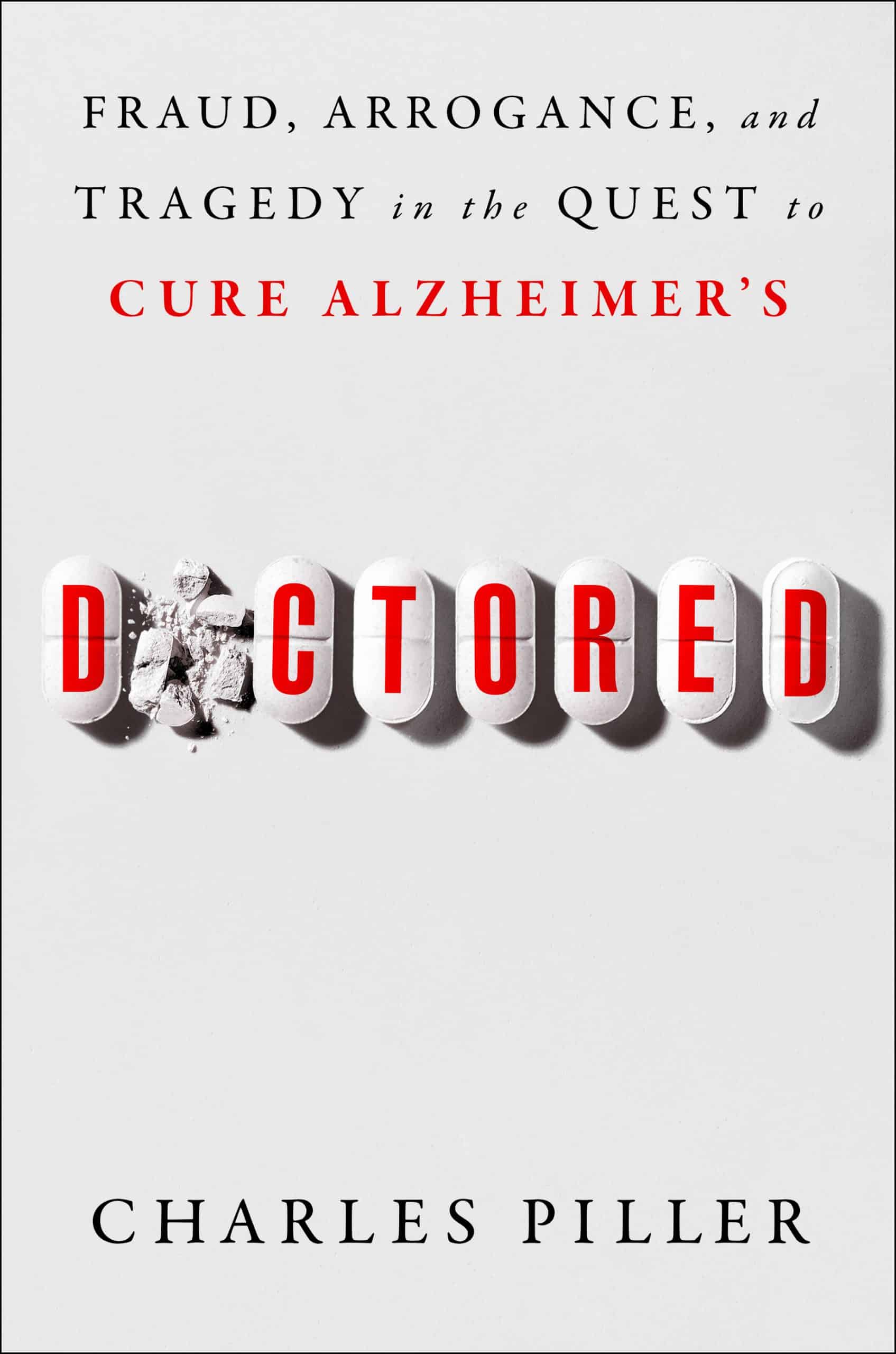
A reporter uncovers evidence that research fraud on a massive scale has hyped the potential benefit of expensive drugs aimed at slowing or reversing the mental decline of patients with Alzheimer’s disease.
A Developmental Disability Diagnosis Can Hit Hard – But It Isn’t a Knockout

Across the country, the number of people diagnosed with developmental disabilities is rising, with implications for those individuals and the economy. This story looks at the experience of a family – and an editor – in Pittsburgh.
A New Sense of Urgency for Mental Health in the Workplace

The divisive times we live in can impact our ability to work as cohesive teams. Finding ways to work well together, with respect and inclusivity is an important step forward.
If you’re not subscribed to MindSite News Daily, click here to sign up.
Support our mission to report on the workings and failings of the
mental health system in America and create a sense of national urgency to transform it.
For more frequent updates, follow us on Facebook, Twitter and Instagram:

The name “MindSite News” is used with the express permission of Mindsight Institute, an educational organization offering online learning and in-person workshops in the field of mental health and wellbeing. MindSite News and Mindsight Institute are separate, unaffiliated entities that are aligned in making science accessible and promoting mental health globally.
Copyright © 2021 MindSite News, All rights reserved.
You are receiving this email because you signed up at our website. Thank you for reading MindSite News.
mindsitenews.org

The name “MindSite News” is used with the express permission of Mindsight Institute, an educational organization offering online learning and in-person workshops in the field of mental health and wellbeing. MindSite News and Mindsight Institute are separate, unaffiliated entities that are aligned in making science accessible and promoting mental health globally.


Author

Related Articles
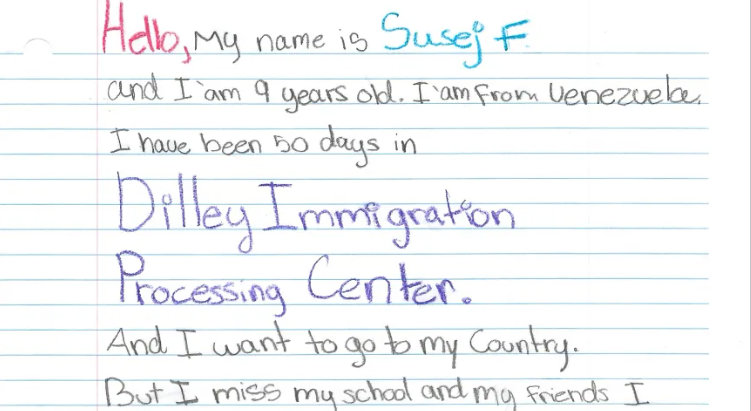
Health Organizations Condemn Traumatic ICE Raids, Family Separation
According to letters from children living in an ICE detention facility, living conditions are inhumane and their mental health is suffering.

In Teens, Social Anxiety Often Looks Like Anger
A study finds that some teens’ aggressive behavior may be due to social anxiety, not straightforward reactivity.
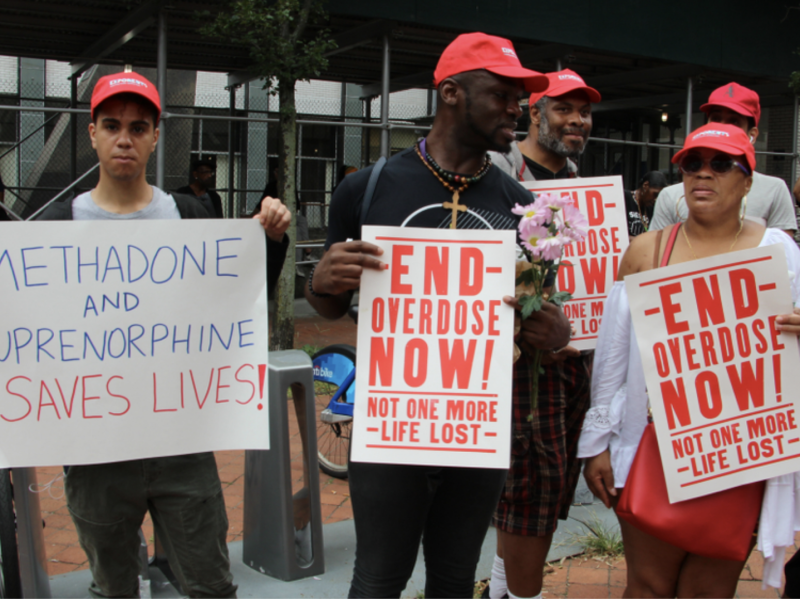
Expert Calls for Harm Reduction, Not Punishment, to Resolve Our Overdose Crisis
As the Trump administration pulls funding from harm reduction, an expert on the overdose crisis says it’s the best way to save lives.
